

No Hormone Birth Control Options: What You Need to Know
- 9 min read
- Published November 27, 2026
Key Takeaways
- Non-hormonal contraception can be a good fit for people who cannot or prefer not to use hormones.
- The copper IUD is one of the most effective non-hormonal options and offers long-term protection.
- Barrier methods, such as condoms and diaphragms, may also help reduce the risk of sexually transmitted infections.
- Effectiveness varies widely, so the best choice depends on health history, comfort, and pregnancy plans.
- A clinician can help compare options, especially for those with heavy periods, recent childbirth, or complex medical needs.
No hormone birth control options are available for people who want to avoid estrogen and progestin while still preventing pregnancy. Choices include barrier methods, the copper IUD, and fertility awareness-based approaches, each with different levels of effectiveness and convenience.
Overview
No hormone birth control options are methods of contraception that do not use estrogen or progestin. For many people, this matters because they want to avoid hormone-related side effects, have a medical reason to stay hormone-free, are breastfeeding, or simply prefer a method that fits a non-hormonal approach to reproductive care.
The main options include barrier methods, the copper intrauterine device (IUD), fertility awareness-based methods, and permanent contraception such as tubal sterilization or vasectomy for a partner. Each option works differently, and each comes with its own balance of effectiveness, convenience, and reversibility.
For someone weighing care across borders or planning treatment while traveling, it can help to think beyond the method itself. Access to follow-up, comfort with insertion or fitting procedures, and understanding how to use the method correctly all matter just as much as the label on the box.
What counts as non-hormonal contraception
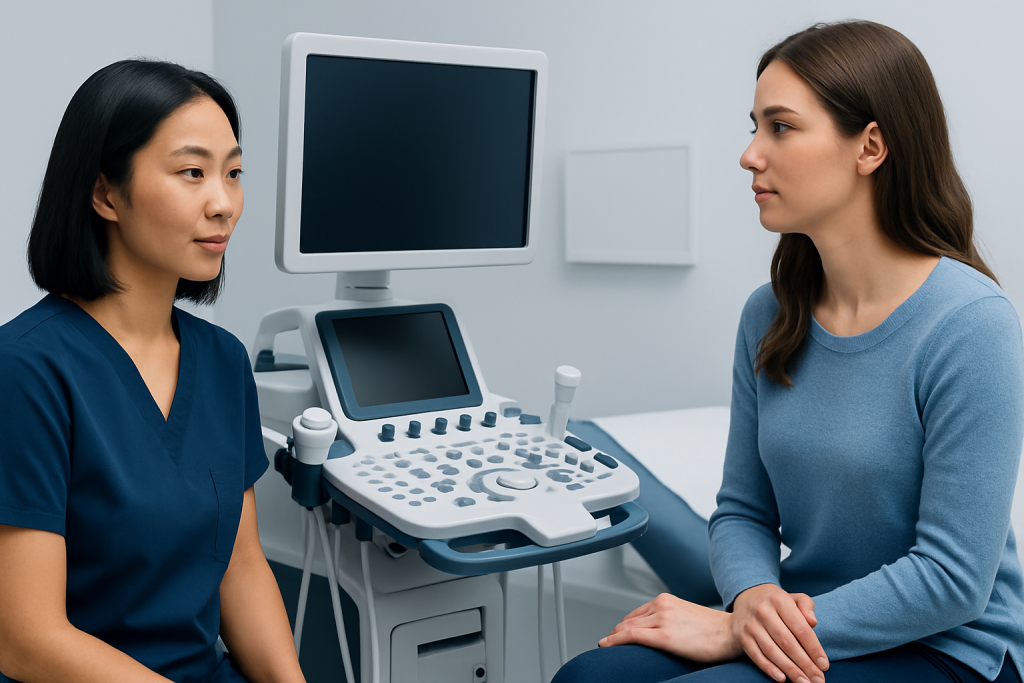
Non-hormonal contraception prevents pregnancy without changing the body’s hormone levels. Some methods create a physical barrier so sperm cannot reach an egg. Others use copper to make the uterus and fallopian tubes less favorable to sperm movement and fertilization.
These methods are different from the pill, patch, ring, implant, shot, and hormonal IUDs, all of which release hormones. People often look into hormone-free choices after experiencing mood changes, migraines, acne concerns, irregular bleeding, or simply wanting a method that does not require daily hormone exposure.
It is also important to separate pregnancy prevention from sexually transmitted infection (STI) prevention. Only condoms and internal condoms offer meaningful STI protection, so some people use more than one method depending on their needs.
Common no hormone birth control options

Copper IUD: This is a small device placed in the uterus by a clinician. It can prevent pregnancy for years and is among the most effective reversible non-hormonal options. Some people appreciate that it does not require daily attention, though it may increase menstrual bleeding or cramping, especially at first.
Condoms and internal condoms: These barrier methods are widely available and can be used only when needed. They are also the only non-hormonal options that help reduce STI risk. Their effectiveness depends heavily on correct and consistent use.
Diaphragms and cervical caps: These are reusable devices placed in the vagina before sex and typically used with spermicide. They may suit people who want a non-hormonal, on-demand method, but they require fitting, practice, and careful instruction to use well.
Fertility awareness-based methods: These methods track cycle signs such as basal body temperature, cervical mucus, and menstrual patterns to identify fertile days. They can work for some people who are highly organized and willing to monitor closely, but they are less forgiving of irregular cycles, travel, shift work, illness, or postpartum changes.
Permanent contraception: Tubal sterilization or vasectomy are non-hormonal options for people who are certain they do not want future pregnancy. Because these procedures are intended to be permanent, they deserve careful counseling and reflection before choosing them.
How effective are they?
Effectiveness is one of the most important differences between no hormone birth control options. Long-acting methods like the copper IUD are generally more reliable because they do not depend on memory or timing. Barrier and fertility-based methods can still be good choices, but they usually require more attention and consistent use to work well.
The right question is not only, “Which method works?” but also, “Which method will be used correctly and comfortably over time?” For example, a person who knows they may forget pills may do better with a copper IUD, while someone who wants infrequent, on-demand use may prefer condoms or a diaphragm.
People sometimes combine methods to improve protection. A common example is using condoms along with another non-hormonal method, which can add STI protection and provide extra reassurance about pregnancy prevention.
Who may prefer a hormone-free method
Many different situations can lead someone to ask about no hormone birth control options. Some people have migraines with aura, a history of blood clots, or other conditions where estrogen-containing methods are not advised. Others simply feel better emotionally or physically without hormonal contraception.
Hormone-free methods are also often discussed during breastfeeding, after childbirth, or when a person is waiting for a future pregnancy and wants something reversible. In these settings, the main challenge is usually choosing a method that fits both the body’s current needs and the person’s daily reality.
International patients sometimes arrive with a method already in mind but benefit from an in-person review of their medical history, bleeding patterns, and fertility goals. That conversation can clarify whether a short-term barrier method, a copper IUD, or a longer-term plan is the best fit.
Possible downsides and limits
No method is perfect, and hormone-free contraception has trade-offs. Barrier methods can break, slip, or be used incorrectly. Fertility awareness methods require discipline and can be harder to use during irregular cycles or unpredictable schedules.
The copper IUD is highly effective, but it may not be the right choice for someone who already has heavy periods or significant cramping. Diaphragms and cervical caps are less commonly used and may require a clinician visit for fitting and instructions. Permanent methods, while effective, should only be chosen when future pregnancy is truly not desired.
Comfort and confidence matter as much as effectiveness. A method that looks ideal on paper may be frustrating in real life if it does not match the person’s lifestyle, anatomy, or tolerance for procedures and ongoing maintenance.
How to choose the right option
Choosing among no hormone birth control options often starts with a few practical questions: Is STI protection needed? Is a long-term method preferred? How important is reversibility? Is there a history of heavy bleeding, pain, or prior difficulty with pelvic procedures?
A qualified clinician can review the medical history and explain which options are safest and most suitable. For some people, the decision is straightforward. For others, especially those with complex health needs or planning care while abroad, a tailored consultation can prevent confusion and reduce the chance of choosing a method that is difficult to maintain.
When possible, it helps to consider the full experience: how the method is obtained, whether insertion or fitting is needed, what follow-up may be recommended, and how easily it can be discontinued if plans change.
Prevention, self-care, and when to seek help
Correct use is the main form of self-care with non-hormonal contraception. Condoms should be used consistently and properly. Fertility awareness methods work best when cycle tracking is regular and carefully followed. If a copper IUD is chosen, it is important to know what bleeding and cramping changes are expected in the first months.
People should contact a clinician if they have severe pelvic pain, very heavy bleeding, signs of infection, or concerns that a method may have failed. Anyone who misses a period or suspects pregnancy should take the concern seriously and seek testing or advice promptly.
Acibadem Health Point’s multidisciplinary specialists and JCI-accredited hospitals diagnose and treat women’s health concerns for international patients, including contraception planning and follow-up when hormone-free options are being considered. A careful discussion with a qualified doctor can help match the method to the person’s medical needs and long-term goals.
Living with a non-hormonal method
For many people, the best method is the one they can trust in ordinary life, not only in ideal conditions. That may mean learning how to use condoms correctly, tracking cycle signs with patience, or adjusting to the early months after a copper IUD is placed.
It can also mean revisiting the choice later. A method that fits during one season of life may not be the same method needed after childbirth, during perimenopause, or when travel and work schedules change. Contraception is not a one-time decision; it can be updated as health and priorities evolve.
With the right guidance, non-hormonal birth control can offer practical, flexible pregnancy prevention without hormone exposure. The key is not just choosing a method, but choosing one that is understandable, sustainable, and appropriate for the individual’s circumstances.
Frequently asked questions
01What is the most effective no hormone birth control option?
The copper IUD is generally considered one of the most effective reversible non-hormonal methods. It works continuously once placed and does not require daily action. A clinician can confirm whether it is appropriate based on bleeding history, pelvic anatomy, and personal preference.
02Do non-hormonal methods protect against STIs?
Most do not. Condoms and internal condoms are the main non-hormonal methods that help reduce STI risk, which is why they are often recommended when STI prevention is also important. Some people use condoms together with another contraceptive method for broader protection.
03Can the copper IUD make periods worse?
It can cause heavier bleeding or more cramping, especially in the first months after placement. For some people, those changes improve over time, but for others they remain bothersome. Someone with already heavy or painful periods should discuss this carefully before choosing it.
04Are fertility awareness methods reliable?
They can be effective for some people, but they require careful daily tracking and consistent use. Irregular cycles, shift work, illness, travel, and postpartum changes can make them harder to use accurately. They usually work best for people who are very committed to monitoring and avoiding fertile days.
05Can someone switch from hormones to a hormone-free method?
Yes, many people switch when their needs or preferences change. The timing of the switch depends on the current method and whether immediate pregnancy prevention is needed. A clinician can help plan a safe transition so there is no gap in contraception.
06Who should ask a doctor before choosing a non-hormonal option?
Anyone with heavy periods, significant cramping, a history of pelvic infection, recent childbirth, or complex medical conditions should get personalized advice. A doctor can help balance effectiveness, comfort, and safety. This is especially useful for people choosing care while traveling or seeking treatment abroad.
This article is for general information only and is not a substitute for professional medical advice. Please consult a qualified doctor about your individual situation.
IVF & fertility treatment in Turkey — success rates and costs
JCI-accredited · board-certified surgeons · reply within 24h
Add us as a Preferred Source to see more of our trusted health content across Google Search, AI Overviews and Discover.



How can we help you today?
Meet an Acibadem specialist by secure video, before you travel.
Book a video visit