What Is Upper Spine Stretches? A Complete Medical Guide

Key Takeaways
- Upper spine stretches focus on the thoracic region, which sits between the neck and lower back.
- They may help reduce stiffness, support posture, and improve comfortable movement.
- Not all upper back pain should be stretched; sharp pain, numbness, or weakness needs evaluation.
- Warm-up, slow breathing, and controlled movement make stretches safer and more effective.
- A clinician may recommend stretching alongside strengthening, posture changes, or physical therapy.
- Travel, desk work, and stress can all contribute to upper spine tightness over time.
Upper spine stretches are gentle movements designed to improve mobility in the thoracic spine, ease muscle tension, and support better posture. They can be helpful for many common causes of upper back stiffness, but they should be done with proper technique and medical guidance when pain is persistent or severe.
Overview
Upper spine stretches are gentle exercises that move and lengthen the thoracic spine, the part of the back between the neck and the lower back. They are often used to ease stiffness, improve posture, and make everyday movements such as turning, reaching, or sitting more comfortable.
For many people, upper spine tightness develops gradually from long hours at a desk, repetitive screen use, shallow breathing, or muscle guarding after minor strain. Stretching can be a useful part of care, but it works best when it is matched to the person’s symptoms, activity level, and overall spinal health.
These stretches are not a cure for every cause of upper back pain. If pain began after an injury, is severe, or comes with symptoms such as numbness or weakness, medical assessment is important before starting a stretching routine.
Symptoms That Upper Spine Stretches May Help
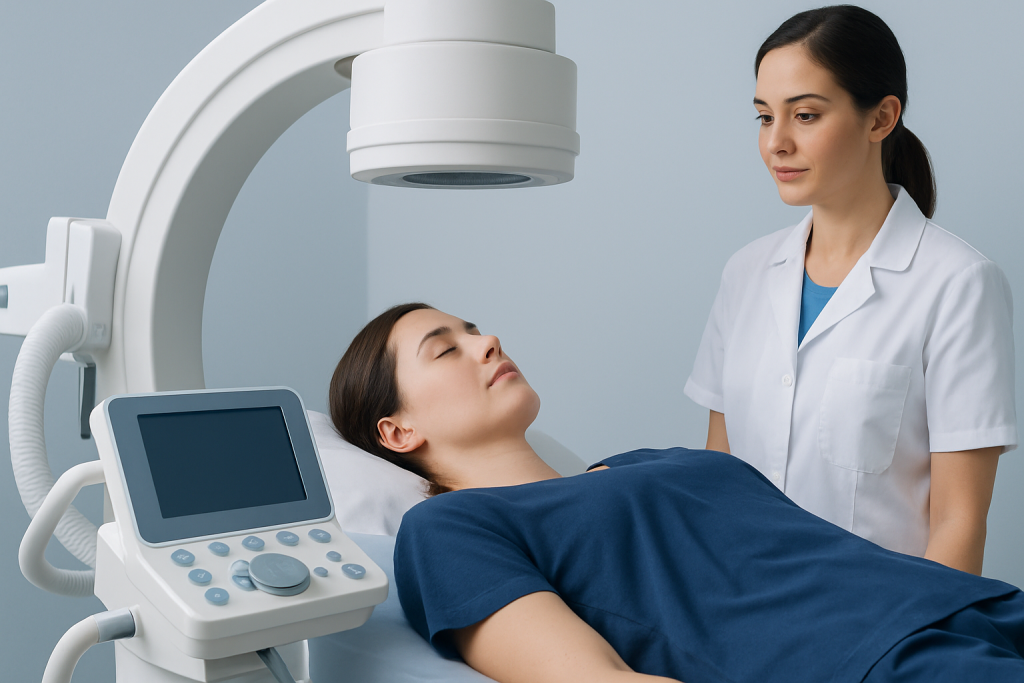
People often seek upper spine stretches when they notice a sense of tightness across the upper back, a stiff feeling after sitting for long periods, or discomfort around the shoulder blades. Some also describe difficulty rotating the trunk, lifting the arms overhead, or sitting upright for extended time without fatigue.
In some cases, tension in the upper spine is linked to posture habits, muscle imbalance, or reduced movement in the thoracic joints. Stretching may make movement feel smoother and less effortful, especially when combined with regular breaks from sitting and simple strengthening exercises.
It is important to distinguish stiffness from warning signs. Pain that is sharp, worsening, associated with fever, chest symptoms, numbness, tingling, or trouble walking should not be treated as routine muscle tightness.
Common Causes and Risk Factors

The thoracic spine is built for stability, but it still needs regular motion to stay comfortable. When movement is limited, nearby muscles may tighten to compensate. Common triggers include prolonged computer use, slouched sitting, one-sided carrying habits, weak upper back muscles, and reduced core support.
Stress and poor sleep can also contribute. Many people unconsciously hold the shoulders up and the chest tight when under pressure, which can make the upper spine feel rigid. Inactive periods, such as after illness, travel, or a desk-heavy work week, may increase stiffness as well.
Less commonly, upper back symptoms can come from arthritis, disc problems, scoliosis, osteoporosis-related fractures, or referred pain from other areas of the body. Because of that wider range of possibilities, repeated or unexplained pain deserves a clinician’s review.
How Doctors Evaluate Upper Back Tightness
A medical evaluation usually begins with a discussion of when the discomfort started, what movements make it better or worse, and whether there was any injury. The doctor may ask about work routines, exercise habits, sleep position, and any symptoms in the neck, shoulders, chest, arms, or legs.
The physical examination often includes checking posture, spinal motion, muscle tenderness, and nerve function. If the symptoms suggest an underlying condition or if the pain is persistent, imaging or other tests may be considered to look for structural causes.
International patients often appreciate a clear plan at this stage, especially if they are traveling for care. A good assessment can help determine whether a stretching program alone is reasonable or whether treatment should include physical therapy, medication review, or further diagnostic workup.
Treatment Options
Upper spine stretches are usually one part of a broader treatment plan. When appropriate, a clinician or physical therapist may recommend mobility exercises, posture training, heat, activity modification, and strengthening of the upper back and core muscles. The goal is not just temporary relief, but more efficient movement over time.
Typical stretching approaches may include gentle thoracic extension over a rolled towel or foam roller, open-book rotations, seated spinal rotations, and shoulder blade mobility drills. These should be done slowly, without forcing range of motion or provoking pain. Breathing normally through the movement can help the rib cage and upper spine move more freely.
Depending on the cause, treatment may also involve anti-inflammatory measures, manual therapy, or management of an underlying condition such as arthritis or osteoporosis. For patients coming from abroad, multidisciplinary teams can help coordinate assessment, rehabilitation, and follow-up planning before travel home.
- Use comfortable, controlled movements rather than aggressive stretching.
- Pair mobility work with strengthening when advised.
- Stop if symptoms travel into the arm, chest, or leg.
- Recheck technique if pain persists despite regular practice.
How to Do Upper Spine Stretches Safely
Safety matters as much as the exercise itself. A helpful stretch should feel like gentle opening or mild tension, not strain, burning, or sharp pain. Most people benefit from starting with short sessions and increasing gradually as the body adapts.
Before stretching, it can help to warm up with a brief walk or a few minutes of easy shoulder rolls. Movements should stay smooth and slow, with attention to breathing and posture. If a stretch is performed on the floor or over a support, the surface should feel stable and the head and neck should remain relaxed.
People with osteoporosis, recent surgery, a known disc problem, or a history of spinal fracture should seek individualized advice before trying thoracic stretches. In those situations, even common exercises may need to be modified for safety.
Prevention and Self-Care
Daily habits often make the biggest difference in upper spine comfort. Regular position changes, screen setups that support upright sitting, and short movement breaks can reduce the build-up of stiffness during the day. Even a brief reset every hour may help the thoracic spine move more naturally.
Self-care also includes strengthening the muscles that support posture, not only stretching the tight areas. The upper back tends to feel better when the shoulder blades, trunk, and neck muscles work together efficiently. A balanced routine may include walking, light resistance exercises, and exercises recommended by a physiotherapist.
Sleep posture, luggage handling during travel, and stress management matter too. International patients who travel for treatment or follow-up may find it helpful to keep a simple home program, since long flights and unfamiliar routines can temporarily increase stiffness.
- Adjust the monitor so the head does not drift forward.
- Take standing breaks during long sitting periods.
- Use both straps when carrying a backpack or travel bag.
- Build gentle movement into travel days.
When to See a Doctor
Medical advice is appropriate when upper back pain lasts more than a short period, keeps returning, or limits daily activities. It is also important to seek evaluation after a fall, car accident, or other injury, even if symptoms seem mild at first.
Prompt assessment is especially important if upper back pain comes with numbness, weakness, fever, unexplained weight loss, chest pain, shortness of breath, or pain that wakes the person from sleep. These features may point to conditions that need more than stretching.
For people unsure whether stretching is safe, a doctor or physical therapist can provide guidance based on the likely cause. Acibadem Health Point’s multidisciplinary specialists and JCI-accredited hospitals diagnose and treat upper spine conditions for international patients, with care plans tailored to the individual’s needs.
Living With Upper Spine Stiffness During Recovery
Recovery often improves when stretching is treated as one part of a larger routine rather than a quick fix. Many people do best with small, repeatable habits: moving often, building strength gradually, and checking in on posture throughout the day without becoming overly rigid about it.
Progress may be slow if stiffness has been present for months, and that is normal. The aim is usually to restore comfortable motion, reduce flare-ups, and help the person understand which movements support the spine and which ones irritate it.
If symptoms change unexpectedly or do not improve with a carefully guided plan, a follow-up visit is worthwhile. A clear diagnosis helps patients make safer choices about exercise, travel, work, and long-term spine health.
Frequently asked questions
01What are upper spine stretches used for?
They are used to improve mobility in the upper back, especially the thoracic spine, and to ease stiffness from posture, prolonged sitting, or mild muscle tension. They may also support better shoulder and neck movement when used correctly.
02Can upper spine stretches help upper back pain?
They can help when the pain is related to stiffness, muscle tightness, or limited mobility. They are less helpful, and sometimes not appropriate, if pain is caused by an injury, nerve irritation, fracture, or another medical condition.
03How often should someone do upper spine stretches?
That depends on the cause of the symptoms and the person’s overall health. Many people benefit from short, gentle sessions on most days, but a doctor or physical therapist can suggest a plan that is safer and more specific.
04Should stretching hurt?
A stretch should feel mild and controlled, not sharp or forceful. If pain increases, spreads, or lingers after the exercise, the technique should be reassessed and medical advice may be needed.
05What is the difference between upper spine stretches and neck stretches?
Upper spine stretches focus on the thoracic area, while neck stretches address the cervical spine. Because these regions work together, both may be included in a rehabilitation plan, but they are not the same exercises.
06When is upper back stiffness a sign of something more serious?
It needs medical evaluation if it follows an injury or comes with numbness, weakness, fever, chest symptoms, or unexplained weight loss. Persistent pain without a clear cause should also be checked by a clinician.
This article is for general information only and is not a substitute for professional medical advice. Please consult a qualified doctor about your individual situation.
Joint and spine care in Turkey — expert assessment & treatment
JCI-accredited · board-certified surgeons · reply within 24h
Add us as a Preferred Source to see more of our trusted health content across Google Search, AI Overviews and Discover.