What Is Mtpj Joint? A Complete Medical Guide

Key Takeaways
- The MTPJ joint connects the metatarsal bones to the toe bones and helps the foot move during walking.
- Pain, swelling, stiffness, and reduced push-off strength are common signs of MTPJ problems.
- Injury, arthritis, bunions, and overuse can all affect the MTPJ joint.
- Diagnosis usually includes a physical exam and may involve X-rays, ultrasound, or MRI.
- Treatment often starts with shoe changes, activity modification, medication, and physical therapy.
- Early medical evaluation can help protect mobility and prevent long-term joint irritation.
The MTPJ joint, short for metatarsophalangeal joint, is the point where the long bones of the foot meet the toe bones. It plays a major role in walking, balance, and push-off, so even small problems in this joint can cause noticeable discomfort or stiffness.
Overview
The MTPJ joint, or metatarsophalangeal joint, is one of the key joints in the foot. It is the connection between each metatarsal bone in the forefoot and the first bone of each toe. Most people notice this joint most clearly at the base of the big toe, where it helps the body push off the ground with each step.
Because the MTPJ joint carries load every time a person stands, walks, runs, climbs stairs, or changes direction, it is under constant mechanical stress. When the joint becomes irritated, inflamed, unstable, or arthritic, it may affect daily movement much more than expected from its small size.
The term is often used in relation to the big toe joint, but each toe has an MTPJ joint. Problems can appear in one joint or several at the same time. For patients deciding on care from another country, understanding which toe joint is involved can help them explain symptoms clearly and choose the right specialist.
Symptoms
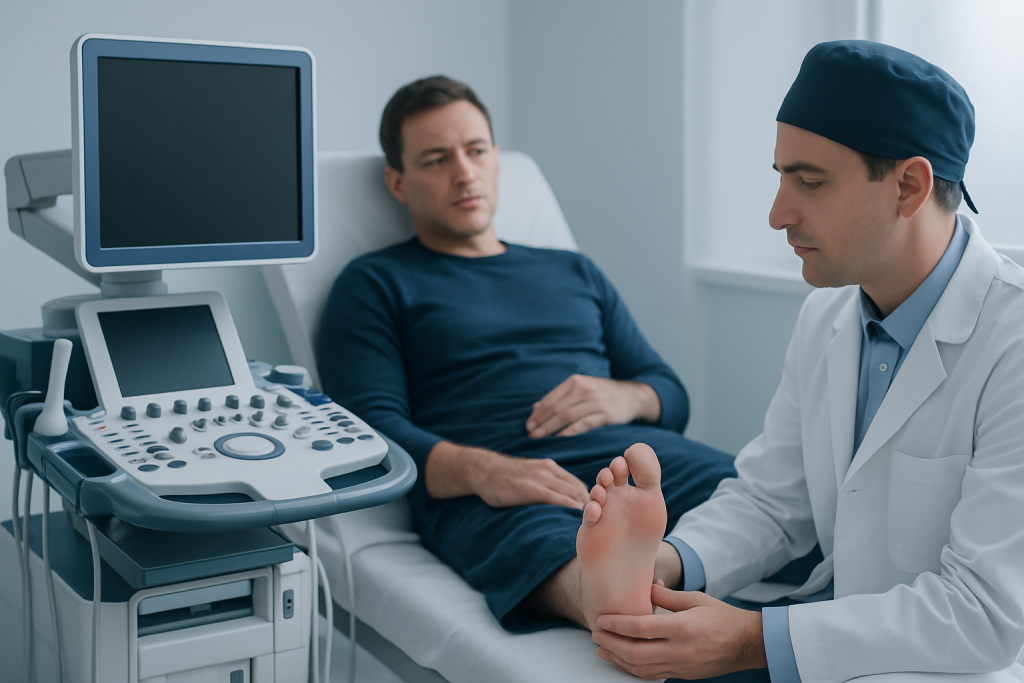
MTPJ joint problems often begin with pain in the ball of the foot or at the base of a toe. The discomfort may be sharp during movement, dull and aching after activity, or stiff first thing in the morning. Some people notice that bending the toe upward or walking barefoot on hard floors makes symptoms more obvious.
Other common signs include swelling, tenderness, redness, warmth, reduced range of motion, or a feeling that the toe is not moving smoothly. In the big toe, pain may be especially noticeable during push-off, standing on tiptoes, or wearing narrow shoes.
Depending on the cause, symptoms may come and go or steadily worsen over time. A person with a bunion, arthritis, a sprain, or a stress injury may also notice changes in walking pattern, limping, or discomfort in the other foot because of compensation.
- Pain at the base of the toe or in the forefoot
- Stiffness when bending or straightening the toe
- Swelling or visible joint enlargement
- Difficulty with walking, running, or balance
- Tenderness when wearing certain shoes
Causes & Risk Factors
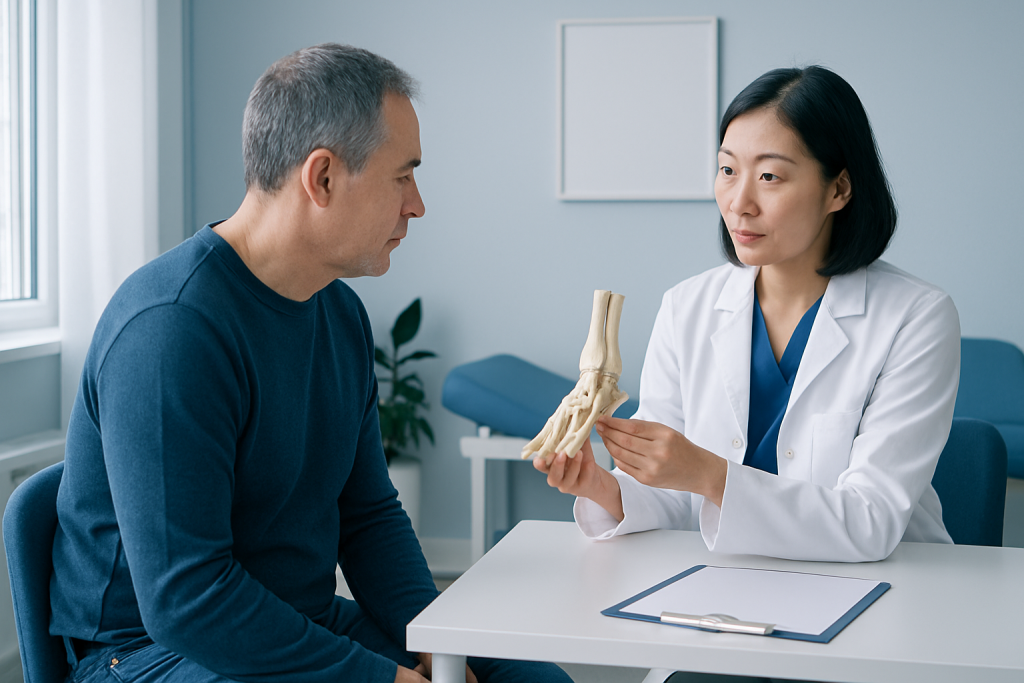
Several conditions can affect the MTPJ joint. One of the most common is osteoarthritis, which develops when joint cartilage wears down over time. In the big toe, this is sometimes called hallux rigidus when stiffness becomes a major feature. Inflammatory arthritis, such as rheumatoid arthritis or gout, can also target this area and cause pain, swelling, and loss of function.
Mechanical stress is another major contributor. Repetitive running, jumping, dancing, or long periods of standing can irritate the joint, especially if footwear does not support the forefoot well. Past injuries, including sprains, fractures, or dislocations, may leave the joint less stable and more likely to become painful later.
Risk can increase when foot shape or alignment places extra pressure on the forefoot. Bunions, flat feet, high arches, limited ankle mobility, tight calf muscles, and certain sports all change how weight passes through the toes. Age also matters, as joint surfaces and surrounding tissues may become less tolerant of stress over time.
Diagnosis
Diagnosis usually begins with a detailed history and a physical examination. A clinician will ask where the pain is located, which movements trigger it, whether there was an injury, and how symptoms affect walking and footwear. They will also examine the toe position, range of motion, swelling, tenderness, and overall foot alignment.
Imaging tests can help confirm the cause. X-rays are often used first to look for arthritis, bone spurs, fractures, joint narrowing, or changes linked to bunions. If soft tissue injury, inflammation, or subtle damage is suspected, ultrasound or MRI may be recommended. In some cases, blood tests help check for inflammatory conditions or gout.
For patients traveling internationally, bringing prior imaging reports, a list of symptoms, and any current medication information can make the consultation more efficient. A clear diagnosis matters because treatment varies significantly depending on whether the main issue is wear-and-tear arthritis, trauma, inflammation, or structural foot mechanics.
Treatment Options
Treatment depends on the underlying cause and how much the joint is limiting daily life. Many cases improve with conservative care first. This may include rest from aggravating activities, switching to roomier footwear, using stiff-soled or rocker-bottom shoes, and adding pads or orthotic inserts to reduce pressure on the forefoot.
Medication may be used to ease symptoms. Anti-inflammatory medicines can help reduce pain and swelling for some patients, while other conditions may require targeted treatment, such as care for gout or inflammatory arthritis. A healthcare professional should guide medication choices, especially for people with stomach, kidney, heart, or blood pressure concerns.
Physical therapy can be useful when stiffness, weakness, or movement compensation has developed. Exercises may focus on toe mobility, calf flexibility, gait mechanics, and strengthening of the foot muscles. When conservative measures are not enough, procedures or surgery may be considered to address bunions, joint damage, unstable structures, or severe arthritis.
- Shoe modification and pressure relief
- Activity adjustment and temporary rest
- Orthotics, taping, or toe spacers in selected cases
- Anti-inflammatory or condition-specific medication
- Physical therapy and gait retraining
- Procedures or surgery for advanced structural problems
Prevention & Self-care
Not every MTPJ problem can be prevented, but the joint often responds well to small, consistent habits. Footwear is one of the most practical places to start. Shoes with enough toe room, stable soles, and suitable support can lower pressure on the front of the foot, particularly for people who spend long hours standing or walking.
Activity balance matters too. Gradually increasing training loads, warming up before exercise, and alternating high-impact activities with lower-impact options can reduce repetitive strain. If a person has a known foot shape issue or a history of forefoot pain, early use of orthotic support or professional fitting advice may be helpful.
At home, simple care may include short periods of rest after flare-ups, ice for comfort if swelling is present, and paying attention to walking patterns. Trying to “walk through” persistent toe pain can sometimes lead to more strain elsewhere in the foot, ankle, knee, or hip. If symptoms keep returning, a clinician can help identify the source rather than relying on trial and error.
When to See a Doctor
Medical evaluation is sensible when MTPJ pain lasts more than a short period, limits walking, or keeps returning after rest. A doctor should also be consulted if there is marked swelling, visible deformity, significant stiffness, or difficulty bearing weight. These features may indicate arthritis, injury, or another condition that benefits from targeted care.
Prompt review is especially important after a sudden twist, fall, or sports injury, or if the joint becomes red, hot, and very tender. Inflammatory conditions and gout can act quickly, and early treatment can help relieve symptoms and protect function. People with diabetes, circulation problems, or nerve issues should not ignore foot pain, even if it seems mild at first.
For international patients, a specialty foot and ankle or orthopedics consultation can be a practical first step when planning care abroad. At Acibadem Health Point, multidisciplinary specialists and JCI-accredited hospitals diagnose and treat MTPJ joint conditions for international patients, with coordinated assessment, treatment planning, and follow-up support.
Living Well With MTPJ Joint Problems
Many people with MTPJ joint discomfort continue to stay active once the cause is identified and the foot is protected appropriately. The goal is not always to eliminate every ache immediately, but to restore reliable movement, reduce flare-ups, and prevent further irritation. Small adjustments in shoes, training, and daily routines can make a meaningful difference.
Recovery also tends to be more manageable when the entire foot is considered, not just the painful spot. Tight calves, toe stiffness, bunion changes, and footwear habits can all influence how the joint behaves. When treatment is tailored to the individual rather than the symptom alone, patients often find it easier to return to work, travel, or sports with greater confidence.
People unsure whether their pain is coming from the MTPJ joint should seek a medical assessment rather than guessing. A clear diagnosis helps separate a simple overload problem from arthritis, injury, or inflammatory disease, and that distinction guides the safest next step.
Frequently asked questions
01What is the MTPJ joint in simple terms?
The MTPJ joint is the joint where a metatarsal bone meets a toe bone. It helps the foot bend and push off during walking and running.
02Is the MTPJ joint the same as the big toe joint?
The big toe joint is one of the MTPJ joints, but not the only one. Each toe has its own metatarsophalangeal joint.
03What causes pain in the MTPJ joint?
Common causes include arthritis, bunions, sprains, overuse, and inflammatory conditions such as gout or rheumatoid arthritis. Foot structure and footwear can also contribute to stress in the joint.
04Can MTPJ joint pain go away on its own?
Mild soreness from overuse may improve with rest and footwear changes. Ongoing or recurring pain should be checked by a clinician so the underlying cause can be identified.
05What kind of doctor treats MTPJ joint problems?
Orthopedic specialists, foot and ankle surgeons, rheumatologists, and sometimes physiotherapists may be involved. The right specialist depends on whether the problem is injury-related, mechanical, or inflammatory.
06When is surgery considered for an MTPJ joint problem?
Surgery is usually considered when pain, stiffness, or deformity continues despite conservative treatment. The choice of procedure depends on the exact cause and the amount of joint damage.
This article is for general information only and is not a substitute for professional medical advice. Please consult a qualified doctor about your individual situation.
Joint and spine care in Turkey — expert assessment & treatment
JCI-accredited · board-certified surgeons · reply within 24h
Add us as a Preferred Source to see more of our trusted health content across Google Search, AI Overviews and Discover.