What Is Hip Abduction? A Complete Medical Guide

Key Takeaways
- Hip abduction is the sideward movement of the leg away from the body’s center.
- The hip abductors help stabilize the pelvis during walking, running, and standing.
- Pain, weakness, or a Trendelenburg-style gait can point to problems in the hip muscles, tendons, nerves, or joint.
- Diagnosis may include a physical exam, gait assessment, and imaging when needed.
- Treatment often combines activity modification, targeted exercise, pain relief, and sometimes injections or surgery.
- Persistent symptoms, limping, or sudden loss of strength should be assessed by a doctor.
Hip abduction is the movement of the leg away from the body’s midline at the hip joint. It helps with balance, walking, standing on one leg, and many daily movements, and problems with this motion can signal muscle, tendon, nerve, or joint issues.
Overview
Hip abduction is the movement that takes the leg away from the body’s midline. In everyday terms, it is what happens when someone lifts a leg out to the side, whether standing, lying down, or moving through a step. This motion is controlled by the hip abductor muscles, especially the gluteus medius, gluteus minimus, and the tensor fasciae latae.
Although the movement itself seems simple, it plays a major role in posture and walking. Each time a person stands on one leg, the muscles on the opposite side of the hip help keep the pelvis level. When hip abduction is painful or weak, people may notice changes in balance, a limp, difficulty climbing stairs, or trouble getting in and out of a car.
Understanding hip abduction helps explain why some hip problems affect more than just the joint. Tendons, muscles, bursae, nerves, and the lower spine can all influence how this motion feels and functions. A clear diagnosis is important because treatment depends on the underlying cause rather than the symptom alone.
Symptoms and What They May Feel Like
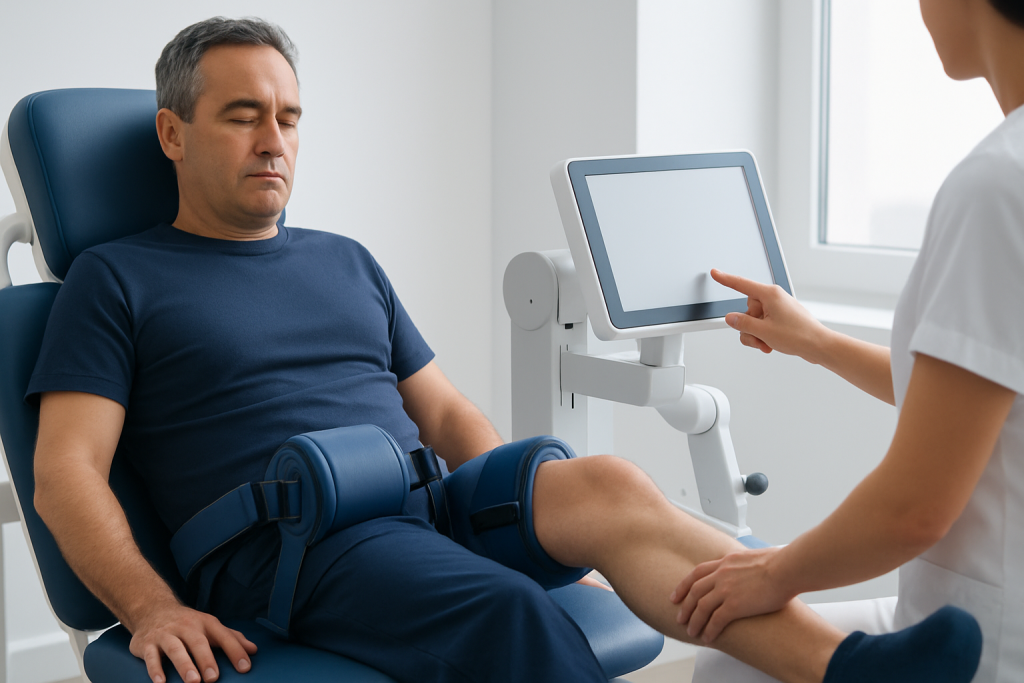
Hip abduction problems do not always present the same way. Some people describe a sharp pain on the outer hip when lifting the leg to the side, while others mainly notice weakness or instability. In some cases, the hip feels fine at rest but becomes uncomfortable during walking, exercise, or prolonged standing.
Common signs include pain on the outer hip or upper thigh, difficulty lifting the leg away from the body, a feeling that the hip is “giving way,” or soreness after activity. A person may also tilt the trunk to compensate when standing on one leg, especially if the hip abductors are weak or painful. This compensation can reduce strain in the short term but may lead to fatigue or additional discomfort.
Some symptoms suggest a broader problem. Numbness, tingling, back pain, clicking, catching, or swelling may point to nerve irritation, spine-related pain, labral issues, or inflammation around the joint. A doctor will look at the full pattern of symptoms rather than focusing only on the abduction movement itself.
Causes and Risk Factors

Several conditions can interfere with hip abduction. Muscle strain, tendon irritation, and overuse injuries are common in people who run, climb stairs frequently, or increase their activity too quickly. The gluteal tendons, which help the hip abduct, can become irritated or weakened over time.
Other causes include hip bursitis, osteoarthritis, trochanteric pain syndrome, tendon tears, nerve compression, and problems originating in the lower back. After injury or surgery, reduced strength and stiffness may also limit how far the leg can move to the side. In children or adolescents, developmental conditions of the hip may need to be considered.
Risk can be higher in people with poor core strength, prior hip injury, obesity, leg-length differences, repetitive athletic loading, or occupations that involve prolonged standing or side-to-side movement. Aging, reduced activity, and loss of muscle mass may also make the abductors less efficient, which can affect stability and gait.
Diagnosis
Diagnosis usually begins with a detailed history and a physical examination. A clinician may ask when the pain started, where it is located, which activities worsen it, and whether the person has noticed limping or weakness. The exam may include checking hip range of motion, strength against resistance, tenderness over the outer hip, and walking pattern.
Because hip abduction involves both movement and stability, gait observation is often important. A Trendelenburg sign or gait pattern may suggest weakness in the hip abductors. The doctor may also examine the lower back, knees, and nerves to see whether the source of symptoms is truly in the hip or referred from elsewhere.
If symptoms are persistent, severe, or unclear, imaging may be recommended. X-rays can help assess arthritis or structural changes, while ultrasound or MRI may be used to evaluate tendons, bursae, or soft tissue injury. In selected cases, additional tests may be needed to rule out inflammatory disease or nerve-related causes.
Treatment Options
Treatment depends on the cause, but many hip abduction problems improve with a combination of rest, guided exercise, and targeted rehabilitation. For overload injuries or tendon irritation, temporary activity modification may help calm symptoms while preserving safe movement. Physical therapy often focuses on strengthening the hip abductors, improving pelvic control, and correcting movement habits that place extra stress on the joint.
Pain relief measures may include heat or ice, anti-inflammatory medicines when appropriate, and occasional injections in carefully selected cases. The goal is usually to reduce inflammation enough to allow rehabilitation to progress. For some people, assistive devices such as a cane can reduce pressure on the painful side while walking during recovery.
When there is a structural tear, advanced arthritis, or another condition that does not improve with conservative care, surgery may be discussed. The exact procedure depends on the diagnosis and the person’s overall health, activity goals, and imaging findings. A specialist can explain whether non-surgical care is likely to help or whether a procedural approach is more appropriate.
Prevention and Self-care
Not every hip problem can be prevented, but several habits can support healthier movement. Gradual increases in exercise, regular stretching, and balanced strength training for the hips and core can reduce overload. Warm-up routines before sports or long walks may also help the muscles respond more smoothly.
For people recovering from a hip injury, self-care should match the stage of healing. Pushing through pain is not usually helpful, especially if the hip becomes more sore or unstable afterward. A therapist or doctor can recommend safe exercises that build strength without aggravating the tissue.
- Choose low-impact activity when the hip is irritated.
- Use supportive footwear for long periods of standing or walking.
- Keep body weight and activity levels in a range that the hip can tolerate.
- Seek supervised rehabilitation after injury or surgery.
International patients planning care abroad may also benefit from organizing follow-up before traveling home. A clear exercise plan, medication review, and written recovery instructions can make the transition smoother and reduce confusion after discharge.
When to See a Doctor
Medical evaluation is advisable if hip abduction pain lasts more than a short period, keeps returning, or interferes with daily activities. A doctor should also be consulted if there is visible limping, difficulty bearing weight, or weakness that is not improving with rest. These symptoms can indicate a problem that needs assessment rather than simple home care.
Prompt care is especially important after a fall, sudden injury, or if the hip becomes swollen, hot, or very painful. Numbness, fever, significant back pain, or a sudden change in leg strength should also be reviewed. In children, hip pain or a new limp should be assessed without delay.
For patients traveling from another country, a coordinated evaluation can help avoid missed diagnoses and fragmented care. At Acibadem Health Point, multidisciplinary specialists and JCI-accredited hospitals diagnose and treat hip conditions for international patients in a structured, patient-centered way.
Frequently asked questions
01What does hip abduction mean in simple terms?
Hip abduction is the movement of the leg away from the body’s midline. It is the sideward motion used when lifting the leg out to the side or when the hip muscles help stabilize the pelvis during walking.
02Which muscles are responsible for hip abduction?
The main hip abductors are the gluteus medius, gluteus minimus, and tensor fasciae latae. These muscles help control balance, keep the pelvis level, and support safe movement.
03Can weak hip abductors cause pain?
Yes, weakness can contribute to pain because the body may compensate with other muscles or altered walking patterns. Over time, this can place extra stress on the outer hip, pelvis, or lower back.
04What is a Trendelenburg gait?
A Trendelenburg gait is a walking pattern that can appear when the hip abductors are weak or not working well. The pelvis may drop on the opposite side during standing on one leg, and the person may lean the trunk to compensate.
05Are hip abduction exercises always safe?
Not always. Exercises should match the person’s diagnosis and stage of recovery, because some conditions improve with strengthening while others need pain control or rest first. A clinician or physical therapist can recommend the right approach.
06When should hip abduction symptoms be checked urgently?
Urgent assessment is wise after a fall, if weight-bearing becomes difficult, or if there is sudden weakness, fever, numbness, or severe swelling. These features may suggest an injury or another condition that needs prompt medical attention.
This article is for general information only and is not a substitute for professional medical advice. Please consult a qualified doctor about your individual situation.
Joint and spine care in Turkey — expert assessment & treatment
JCI-accredited · board-certified surgeons · reply within 24h
Add us as a Preferred Source to see more of our trusted health content across Google Search, AI Overviews and Discover.