What Is the Best Treatment for Facial Pigmentation?
The best treatment for pigmentation on face is usually a tailored plan that combines consistent broad-spectrum sun protection with gentle, evidence-based topical products and, when needed, dermatologist-led procedures. Because dark patches can have different causes, an accurate assessment helps avoid irritation and chooses the safest approach for each skin type and tone.
Overview: Choosing the Best Treatment for Pigmentation on Face
The best treatment for pigmentation on face is not one single product or procedure. For most people, it starts with daily broad-spectrum sunscreen and a gentle skincare routine, then adds treatment based on the cause of the discoloration. A dermatologist can help distinguish common concerns such as melasma, post-inflammatory hyperpigmentation after acne, and sun-related dark spots.
Facial pigmentation happens when the skin produces or deposits extra melanin, the pigment that gives skin its color. It may appear as freckles, isolated brown spots, patchy areas, or marks left after inflammation. Improvement is often gradual, and maintenance is important because sunlight, heat, irritation and hormonal changes can trigger recurrence.
Safe care is especially important for medium to deep skin tones, which may be more prone to post-inflammatory hyperpigmentation after irritation or aggressive procedures. Rather than trying several strong products at once, a stepwise plan usually gives the skin a better chance to respond without developing further discoloration.
What Is the Most Effective Treatment for Facial Pigmentation?
The most effective treatment for facial pigmentation depends on the diagnosis. Broad-spectrum sunscreen with high UVA and UVB protection is the foundation for nearly every type of hyperpigmentation. It should be applied every morning and reapplied during prolonged outdoor exposure, as advised on the product label. Tinted sunscreens containing iron oxides may provide additional protection against visible light, which can contribute to melasma in some people.
For dark marks after acne or injury, a clinician may recommend topical options such as azelaic acid, a retinoid, vitamin C, niacinamide, or other pigment-modulating ingredients. Prescription treatments may be appropriate for more persistent cases. Hydroquinone can be useful for selected patients under medical supervision, but it is not suitable for everyone and should not be used indefinitely without review.
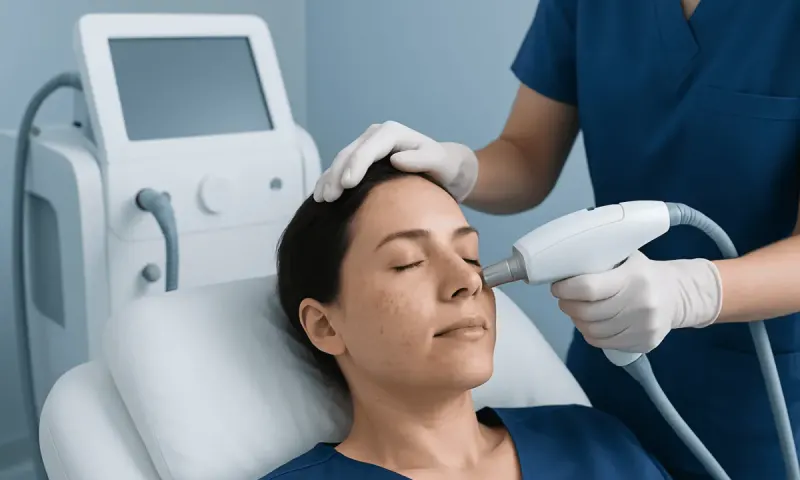
For melasma, treatment often combines sun protection, gentle topical therapy and management of triggers. Some people benefit from carefully selected chemical peels or energy-based procedures, but these should be performed by experienced clinicians because excessive inflammation can make melasma or darker skin marks worse.
Sun spots, also called solar lentigines, may respond to topical treatment or to office procedures such as cryotherapy, chemical peels, laser therapy or intense pulsed light when a clinician confirms the diagnosis. A treatment that works well for an individual spot may not be the best choice for widespread melasma, which is why professional assessment matters.
Causes, Patterns and Risk Factors

Common causes of facial hyperpigmentation include sun exposure, acne, eczema, skin injury, insect bites, shaving-related irritation and inflammatory skin conditions. When a mark remains after inflammation has settled, it is called post-inflammatory hyperpigmentation. It is not a scar in the usual sense, but it can take time to fade.
Melasma usually causes symmetrical brown or gray-brown patches on the cheeks, forehead, upper lip or jawline. It is influenced by ultraviolet light, visible light, hormones and genetics. Pregnancy, hormonal contraception and hormone treatment can contribute in some individuals, although changes should never be made to prescribed medication without speaking to the prescribing clinician.
Ageing and cumulative sun exposure can lead to well-defined sun spots. Some medicines, fragrances and topical products can also make skin more sensitive to light or trigger discoloration. A clinician may ask about skincare, prescription medicines, supplements, occupational exposure and recent cosmetic procedures when assessing pigmentation.
Not every dark spot is harmless pigmentation. A lesion that is new, changing, asymmetric, irregularly bordered, multicolored, bleeding, itching or painful should be assessed promptly. This is particularly important when a spot does not resemble the person’s other marks.
What Worsens Hyperpigmentation?
Sunlight is one of the most important factors that worsens hyperpigmentation. Even brief unprotected exposure can darken existing spots and slow improvement, particularly in melasma. Visible light and heat may also be relevant triggers for some people, making hats, shade and appropriate sunscreen useful alongside topical treatment.
Skin irritation can also worsen discoloration. Common triggers include harsh scrubs, frequent exfoliating acids, strong home peels, picking acne, waxing or shaving irritation, and using several active products at the same time. If skin becomes persistently stinging, red, flaky or inflamed, simplifying the routine and seeking professional advice may help prevent additional marks.
Unsupervised use of potent bleaching products can be unsafe. Products obtained from unreliable sources may contain undisclosed ingredients, including topical corticosteroids or mercury. These substances can cause skin damage and other health concerns. It is safer to use products from reliable sources and discuss prescription-strength treatment with a dermatologist.
- Do not pick pimples, scabs or healing skin.
- Introduce one active skincare product at a time.
- Use gentle cleansing and moisturizing to support the skin barrier.
- Pause irritating products before and after clinician-advised procedures when instructed.
How Do Koreans Treat Hyperpigmentation?
There is no single “Korean” treatment for hyperpigmentation, and effective care in Korea follows the same dermatologic principles used internationally: correct diagnosis, consistent sun protection, gentle skincare and treatments selected for the pigment condition and skin type. Korean skincare routines may emphasize hydration, barrier support and regular sunscreen use, which can be helpful foundations for many people.
In dermatology settings, treatments may include topical pigment-reducing agents, retinoids, chemical peels, laser therapy and other energy-based procedures. The choice and intensity of a procedure should be individualized. A treatment that is popular online or works for another person may not be appropriate for melasma, active acne, sensitive skin or a history of post-inflammatory hyperpigmentation.
It is reasonable to use well-tolerated skincare products from any country of origin, but product trends should not replace medical assessment. Patch testing new products and introducing them gradually can reduce the chance of irritation. If pigmentation persists or recurs despite careful sun protection, a dermatologist can review potential hormonal, inflammatory or medication-related contributors.
What Is the Best Way to Remove Pigmentation From the Face?
The best way to remove pigmentation from the face is to first identify whether the goal is fading marks, treating active disease or addressing isolated sun spots. Complete removal is not always possible, particularly with melasma, but many people can achieve a clearer and more even appearance with consistent treatment and trigger control.
A practical first-line routine often includes a mild cleanser, moisturizer, broad-spectrum sunscreen and one suitable active ingredient. Azelaic acid may be useful for pigmentation and acne-prone skin; retinoids can support skin cell turnover but may irritate sensitive skin; and vitamin C or niacinamide may complement a routine for some people. Pregnant or breastfeeding individuals should ask their obstetric or dermatology clinician before using retinoids or prescription pigmentation treatments.
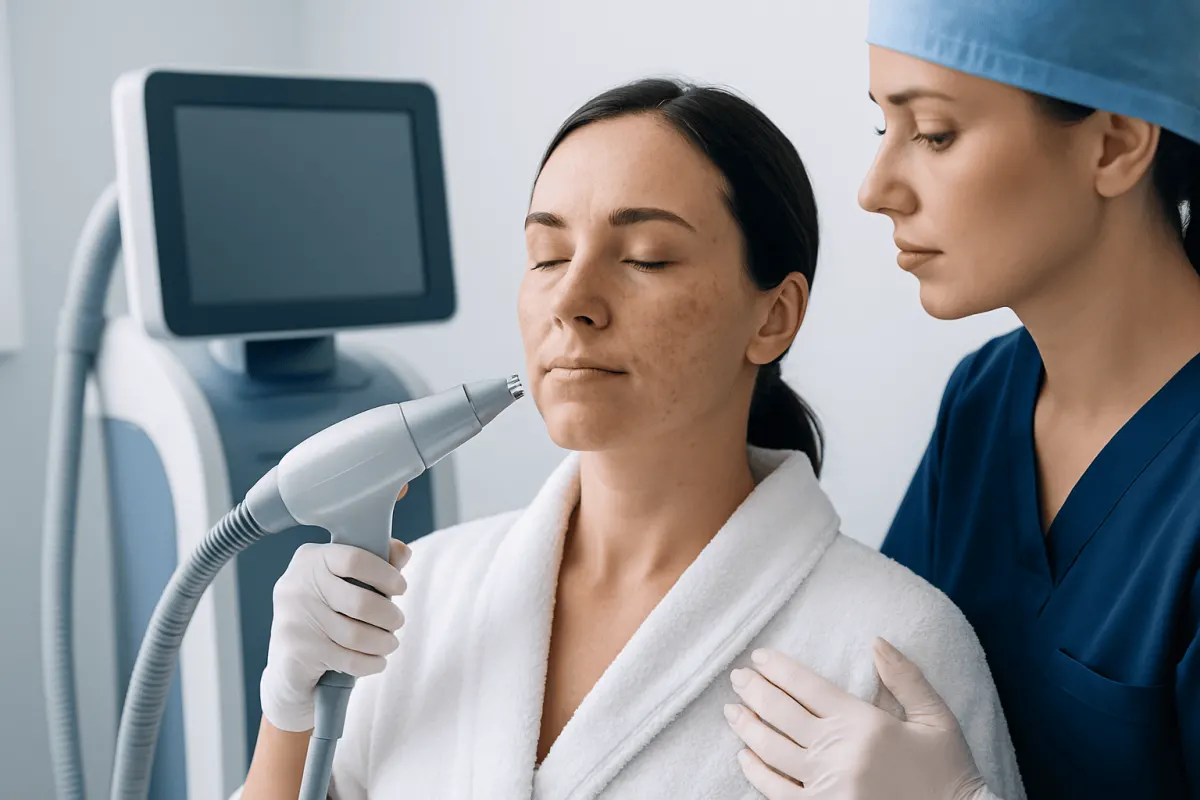
If topical treatment has not produced enough improvement after an appropriate trial, a dermatologist may discuss procedures. Chemical peels can help selected superficial pigmentation, while lasers or light-based treatments may be considered for clearly diagnosed sun spots and other specific concerns. Procedure choice, skin preparation and aftercare are central to safety, especially for darker skin tones.
At Acıbadem Health Point, multidisciplinary specialists in JCI-accredited hospitals can assess facial pigmentation and discuss appropriate dermatology-led treatment options for international patients. The aim is to choose a measured plan that protects skin health rather than pursuing rapid, aggressive lightening.
Prevention and Everyday Self-Care
Prevention is an ongoing part of treating facial pigmentation. Use broad-spectrum sunscreen daily, including on cloudy days and when sitting near windows. Choose a formula that is comfortable enough to use consistently, and combine it with practical measures such as a wide-brimmed hat, sunglasses and seeking shade during strong sunlight.
Keeping acne, eczema and other inflammatory skin problems under control may reduce the likelihood of new dark marks. Avoid squeezing acne lesions and choose non-irritating products where possible. If a cosmetic product causes burning, persistent redness or a rash, stop using it and seek advice if symptoms do not settle.
Results take time. Pigment fades as the skin renews itself, but deeper or long-standing discoloration may need several months of consistent care. Taking periodic photographs in similar lighting can be more useful than checking the skin closely each day, as changes are often gradual.
When to Seek Medical Care
Medical assessment is recommended if pigmentation appears suddenly, spreads quickly, follows a new medicine, occurs with other symptoms, or does not improve despite a careful routine. A dermatologist can examine the skin directly and, when needed, use dermoscopy or other assessment methods to clarify the diagnosis.
Seek prompt care for a new or changing pigmented lesion, especially one with an uneven shape, irregular border, several colors, increasing size, bleeding, crusting, pain or persistent itching. It is also important to have a clinician review a spot that looks distinctly different from other moles or marks on the body.
People with melasma that is emotionally distressing, acne-related marks that continue to develop, or a history of darkening after previous procedures may benefit from individualized dermatology advice. Professional care can help balance expected benefits with the risk of irritation and recurrence.
Frequently asked questions
01What is the best treatment for pigmentation on face?
The best treatment depends on the cause, but daily broad-spectrum sunscreen is essential for nearly all facial pigmentation. A dermatologist may then recommend topical ingredients, prescription therapy or carefully selected procedures based on whether the concern is melasma, acne marks or sun spots.
02Can facial pigmentation be removed permanently?
Some isolated sun spots can be treated successfully, but new spots may develop with ongoing sun exposure. Melasma and post-inflammatory hyperpigmentation can improve considerably, yet they may recur if triggers such as sunlight, heat, hormones or irritation continue.
03How long does it take for hyperpigmentation to fade?
Fading is usually gradual and can take weeks to months, depending on the depth and cause of pigmentation. Consistent sun protection and avoiding skin irritation are important because new exposure or inflammation can delay progress.
04Are lasers safe for facial pigmentation?
Lasers can be safe and helpful for selected, correctly diagnosed pigment concerns when performed by an experienced clinician. They are not appropriate for every type of pigmentation, and some people, especially those prone to post-inflammatory hyperpigmentation, need cautious treatment planning.
05Does vitamin C help with dark spots on the face?
Topical vitamin C may help support a more even skin tone and can be part of a pigmentation routine. It is most useful when paired with daily sunscreen, and people with sensitive skin may need to introduce it slowly.
06Can I treat pigmentation during pregnancy?
Sun protection and gentle skincare are generally central during pregnancy, but the safety of active ingredients varies. Pregnant individuals should ask their obstetric or dermatology clinician before starting retinoids, hydroquinone or other prescription pigmentation treatments.
This article is for general information only and is not a substitute for professional medical advice. Please consult a qualified doctor about your individual situation.
Explore treatments in Turkey — costs, top hospitals & a free quote
JCI-accredited · board-certified surgeons · reply within 24h
Add us as a Preferred Source to see more of our trusted health content across Google Search, AI Overviews and Discover.