Facial Resurfacing for Texture, Wrinkles and Scars
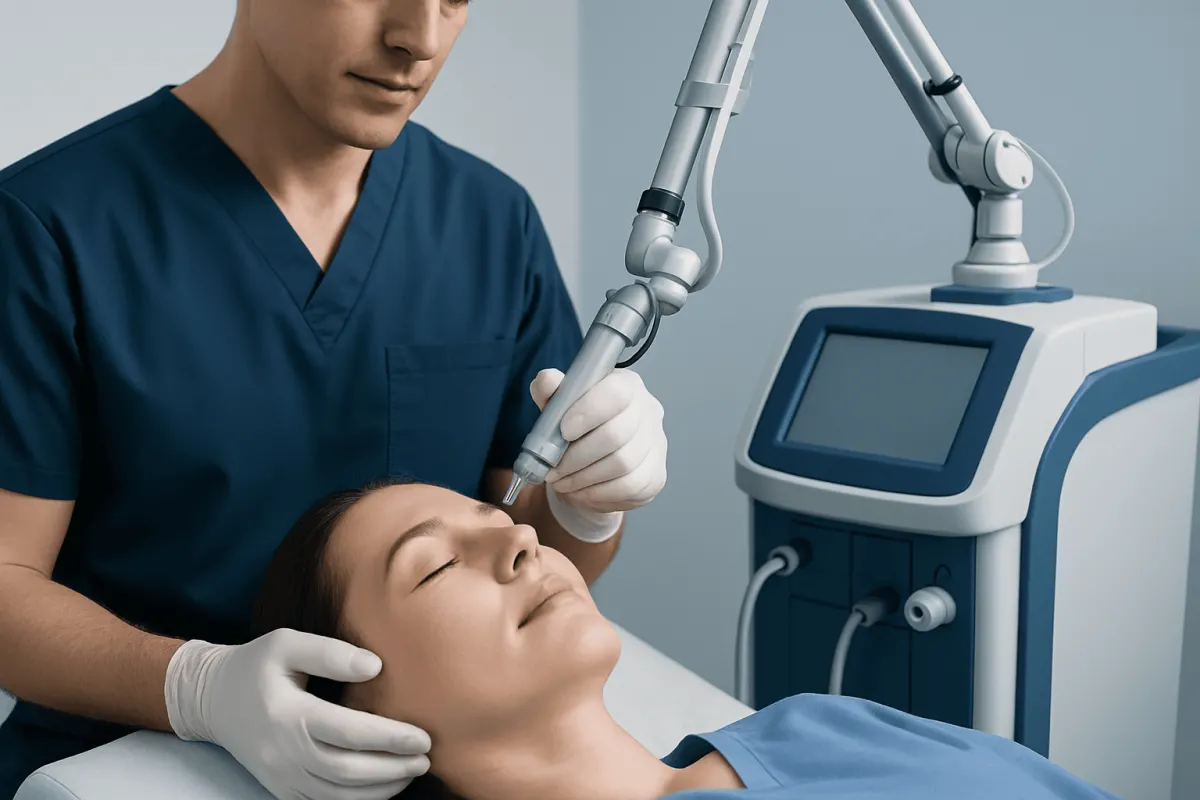
Facial resurfacing is a group of skin-renewal procedures that remove or treat selected layers of skin to improve texture, fine lines, sun damage, pigmentation concerns and some scars. The most suitable option, expected recovery and results depend on skin type, the concern being treated and whether a laser, chemical peel, dermabrasion or another method is used.
Overview: What Is Facial Resurfacing?
Facial resurfacing refers to procedures that renew the outer layers of facial skin or stimulate repair within the skin. It may be used to soften fine lines, improve uneven texture, reduce the appearance of sun damage and age spots, refine enlarged pores, and lessen certain acne or surgical scars. It does not stop natural aging, but it can make the skin look smoother and more even.
Different facial resurfacing procedures work at different depths. Ablative treatments, such as traditional carbon dioxide (CO2) or erbium laser resurfacing, remove controlled amounts of skin and generally require a more significant healing period. Non-ablative lasers, radiofrequency-based treatments and some lighter peels leave the surface more intact, usually involve less downtime, and may require a series of sessions.
The treatment plan should be individualized. A clinician considers the person’s skin tone, tendency toward pigmentation changes or scarring, current skin conditions, medications, previous cosmetic procedures and the specific concern they hope to address.
Who May Benefit and How Procedures Differ
People may consider facial resurfacing for photoaging, fine or moderate lines, roughness, uneven pigmentation, dull-looking skin and selected scars. Deep wrinkles, pronounced skin laxity or major volume loss may not respond fully to resurfacing alone. In these situations, a clinician may discuss other options or a combined approach.
Laser resurfacing uses focused light energy. Ablative CO2 and erbium lasers remove skin in a controlled pattern, while fractional versions treat microscopic columns of skin and leave surrounding tissue intact to support healing. Non-ablative lasers heat deeper skin layers to encourage collagen remodeling without removing the outer surface to the same degree.
Chemical peels use carefully selected solutions to create controlled exfoliation, ranging from superficial to deeper treatments. Dermabrasion mechanically smooths the skin surface. The choice should be based on medical assessment rather than a single “best” procedure, because safety and likely benefit vary between individuals.
- Superficial options generally have shorter downtime and subtler change.
- Deeper treatments may address more established texture changes but involve more recovery and risk.
- Darker skin tones need especially careful planning to reduce the chance of pigment changes.
Preparation, Assessment and Treatment Day

Before treatment, the clinician reviews medical history, allergies, medicines and supplements, past cold sores, smoking or nicotine use, and any tendency to develop <a href="https://acibademhealthpoint.com/diseases/keloid-scars/”>keloid scars or abnormal pigment changes. Active acne, dermatitis, infection or a recent tan may mean that treatment should be postponed. People should disclose all skincare products, particularly retinoids, exfoliating acids and products that can irritate the skin.
Preparation may include a personalized skincare routine, sun avoidance and, for some people with a history of facial herpes simplex outbreaks, preventive antiviral medication. The clinician may advise pausing selected products or medicines before the procedure. Individuals should not stop prescribed medication without discussing it with the clinician who prescribed it.
On the day, topical anesthetic, local anesthesia, sedation or another pain-control approach may be used depending on the depth and extent of treatment. A laser session may last from minutes to longer for a full-face procedure. The skin is cleansed and protected afterward, and patients receive detailed instructions for cleansing, moisturizing, dressings if needed, sun avoidance and follow-up.
How Long Does It Take to Recover From Facial Laser Resurfacing?
Facial laser resurfacing recovery time depends mainly on whether the treatment is ablative or non-ablative, the laser settings, the area treated and individual healing. After non-ablative or light fractional treatment, redness and mild swelling may last a few hours to several days, and people may often resume usual activities quickly. Flaking or a sandpaper-like texture can occur as the skin renews.
After ablative fractional CO2 or erbium laser treatment, oozing, crusting, swelling and redness are expected early in healing. The outer skin commonly heals over in about one to two weeks, though some people need longer. Redness may remain for several weeks and sometimes longer, especially after deeper treatment. Makeup and normal social activities should only be resumed when the clinician confirms that the skin has healed sufficiently.
Full facial resurfacing recovery also includes gradual collagen remodeling. Skin texture and firmness may continue to improve for several months. Careful aftercare, avoidance of picking or exfoliating healing skin, and daily broad-spectrum sun protection help reduce complications and support the final result.
What Is the Downside of Laser Resurfacing?
The main downside of laser resurfacing is the balance between potential improvement and downtime, discomfort and risk. Deeper ablative procedures may give more noticeable changes in texture or lines, but they require more intensive wound care and a longer period of visible redness. Results can also be less predictable if aftercare is not followed closely or if the procedure is unsuitable for the person’s skin type.
Expected short-term effects include burning or tightness, swelling, redness, peeling, crusting and increased sensitivity. Potential complications include prolonged redness, infection, cold sore reactivation, acne-like breakouts, milia, changes in skin color, scarring and, rarely, eye injury if appropriate eye protection is not used. Darkening or lightening of the skin can be more likely in people prone to pigment changes.
Not everyone is an ideal candidate. Active skin infection, poorly controlled medical conditions, recent use of certain acne medicines, a strong tendency to form raised scars, or inability to avoid sun exposure during healing may affect timing or suitability. A board-qualified skin specialist or plastic surgeon can explain the individual balance of benefits and risks before treatment.
What Is the Best Age for Laser Resurfacing?
There is no single best age for laser resurfacing. Suitability is based more on skin concerns, overall health, skin type, sun habits and realistic goals than on a person’s age. Some adults seek treatment earlier for acne scars or sun-related pigmentation, while others pursue it later for lines and texture changes.
Younger adults may benefit when a specific concern, such as scarring, is stable and clinically appropriate for treatment. In later adulthood, resurfacing can improve surface texture, but it cannot fully correct substantial sagging or volume loss. A consultation helps clarify what change is realistic and whether another treatment may better meet the person’s goals.
Good candidates are usually able to follow wound-care instructions, protect their skin from sunlight and attend follow-up visits. It is important to avoid choosing treatment because of age alone or social pressure. Decisions should be made with informed guidance from a qualified clinician.
What's the Worst Day After a CO2 Laser?
For many people, the most uncomfortable period after an ablative CO2 laser is within the first two to three days, when swelling, warmth, tightness and fluid seepage may be most noticeable. Swelling can be more pronounced around the eyes and may temporarily make the face look puffy. However, the experience varies with treatment depth, treated area and individual healing.
During this period, the skin needs gentle cleansing and the prescribed protective ointment or dressing routine. Sleeping with the head elevated, using cool compresses only as directed, staying hydrated and avoiding strenuous exercise can help with swelling and comfort. The treating team may recommend suitable pain relief and give clear instructions on what products are safe to use.
Increasing pain, spreading redness, pus-like drainage, fever, blisters beyond what was expected, or new visual symptoms are not routine healing signs and should be reported promptly. Contacting the treating clinic early is safer than trying to manage a possible complication at home.
Facial Resurfacing Results, Aftercare and When to Seek Medical Care
Facial resurfacing results develop in stages. Once peeling and crusting resolve, the skin may look brighter and smoother, but early redness can make results difficult to judge. Collagen-related improvements following laser treatment continue gradually. Results vary according to the procedure, baseline skin condition, natural aging, sun exposure and the consistency of skincare after treatment.
Aftercare usually centers on gentle cleansing, frequent moisturizing or prescribed ointment, avoiding picking, and strict protection from ultraviolet light. A broad-spectrum sunscreen should be used once the clinician says it is appropriate, along with hats and shade. Smoking and nicotine can interfere with healing and should be avoided as advised. Regular sun protection helps preserve benefits and reduces further photodamage.
When to seek medical care: Patients should contact their clinician promptly for worsening rather than improving pain, fever, marked swelling, spreading redness, foul-smelling or pus-like drainage, new blisters, a suspected cold sore outbreak, or any concern about the eyes or vision. Urgent medical assessment is appropriate for severe allergic symptoms, trouble breathing or sudden vision changes.
Acıbadem Health Point’s multidisciplinary specialists and JCI-accredited hospitals assess and treat skin concerns for international patients, including those considering facial resurfacing. A personalized consultation can help determine whether resurfacing is appropriate and which recovery plan is safest.
Frequently asked questions
01Is facial resurfacing painful?
Comfort varies by treatment depth and technique. Topical numbing, local anesthesia or other pain-control measures may be used, and the treating clinician will explain what to expect. Tightness, warmth and tenderness can continue for a short time after treatment, particularly following ablative procedures.
02How long do facial resurfacing results last?
Results can last for years, but they are not permanent because the skin continues to age and is affected by sun exposure, smoking and other factors. Consistent sun protection and appropriate skincare can help preserve improvement. Some people choose maintenance treatments later depending on their goals and the original procedure.
03Can laser resurfacing remove acne scars completely?
Laser resurfacing can reduce the visibility of some acne scars, especially certain depressed scars, but it may not remove them completely. Multiple sessions or combined treatments may be needed. The best plan depends on scar type, skin tone and the presence of active acne.
04Can people with darker skin have laser resurfacing?
Yes, but assessment and treatment selection are particularly important because darker skin may be more prone to post-inflammatory darkening or lightening after irritation. A clinician experienced in treating diverse skin tones can choose conservative settings and provide tailored preparation and aftercare. Careful sun protection is especially important.
05When can makeup be used after laser resurfacing?
Makeup should not be applied until the skin barrier has healed and the treating clinician says it is safe. This may be relatively soon after lighter treatments, while deeper ablative resurfacing usually requires longer healing. Applying makeup too early may irritate healing skin or increase infection risk.
06Can facial resurfacing be combined with other cosmetic procedures?
In some cases, resurfacing may be combined with other procedures, but timing and safety need individual planning. Combining treatments can increase irritation, recovery needs or complication risk if not carefully coordinated. A qualified clinician should determine whether combination treatment is appropriate.
This article is for general information only and is not a substitute for professional medical advice. Please consult a qualified doctor about your individual situation.
Explore treatments in Turkey — costs, top hospitals & a free quote
JCI-accredited · board-certified surgeons · reply within 24h
Add us as a Preferred Source to see more of our trusted health content across Google Search, AI Overviews and Discover.