Pigmentation on the Face: Treatment Options
Pigmentation on face refers to areas of skin that become darker than the surrounding skin, often due to sun exposure, inflammation, hormones, or certain medicines. Treatment depends on the cause, skin type, and depth of pigment, and usually combines daily sun protection with professionally guided skin care or procedures.
Overview: what pigmentation on face means
Pigmentation on face describes patches, spots, or areas of skin that appear darker than the nearby skin. It occurs when the skin produces or retains extra melanin, the natural pigment responsible for skin color. The appearance may be subtle and diffuse or may involve well-defined brown, gray-brown, or darker marks.
Common forms include melasma, sun-related spots, freckles, and post-inflammatory hyperpigmentation that can remain after acne, eczema, an injury, or a cosmetic procedure. Although many pigment changes are harmless, not every dark spot is simple hyperpigmentation. A clinical assessment is important when a spot is new, unusual, or changing.
Management is most successful when it addresses both the pigment already visible and the trigger that encourages new pigment formation. This often means a combination of consistent sun protection, gentle skin care, prescription or non-prescription topical products, and selected in-clinic procedures.
Why facial pigmentation develops
Sunlight is one of the most important contributors to facial pigmentation. Ultraviolet radiation stimulates melanin production, while visible light and heat may also worsen some conditions, particularly melasma. Repeated exposure can make existing spots darker and contribute to new uneven areas of color.
Hormonal changes can also play a role. Melasma is commonly associated with pregnancy, hormonal contraception, hormone therapy, and a personal or family tendency to pigment. It often appears symmetrically on the cheeks, forehead, upper lip, or bridge of the nose. Readers can learn more about melasma and its management when this pattern is suspected.
Inflammation is another frequent cause. Acne lesions, insect bites, eczema, shaving irritation, burns, and overly strong skin products can leave dark marks after the original problem improves. Some medicines and medical conditions may contribute as well. A clinician can help distinguish these causes and identify whether treatment of an underlying skin condition is needed.
- Sun exposure and tanning
- Hormonal influences and genetic tendency
- Acne, irritation, injury, or skin inflammation
- Harsh exfoliation or inappropriate cosmetic procedures
- Some medications and medical conditions
Assessment and choosing a suitable procedure

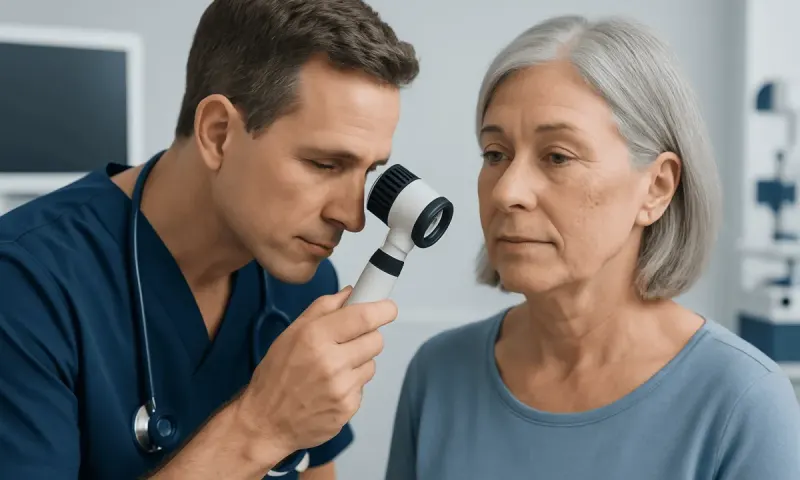
A dermatologist usually begins by asking when the pigmentation appeared, whether it changes with sun exposure, and whether there has been acne, irritation, pregnancy, medication use, or a previous treatment. Examination of the pattern, color, borders, and surface helps determine whether the pigment is likely superficial, deeper in the skin, or due to another type of lesion.
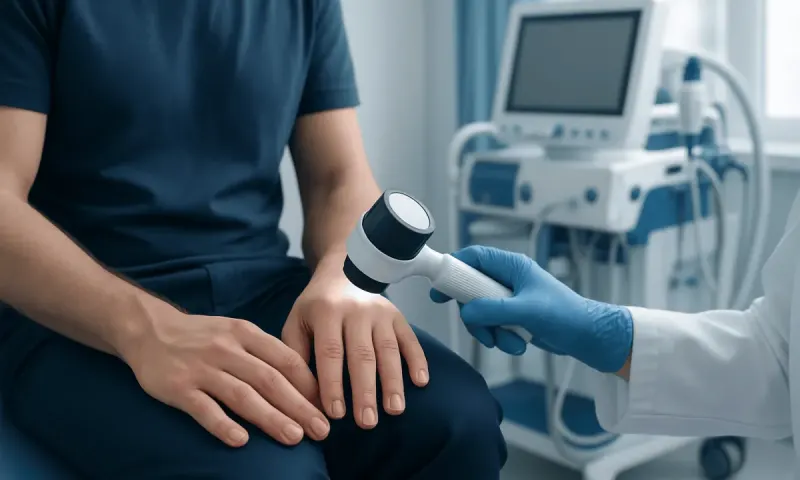
In some cases, a dermatoscope or special light examination may help clarify the diagnosis. A suspicious, changing, multi-colored, crusted, or bleeding lesion may require a different pathway, such as close monitoring or a biopsy, rather than pigment-lightening treatment.
Procedure selection should account for skin tone, tendency to develop dark marks after inflammation, the cause of pigmentation, and practical issues such as recovery time. A treatment that is helpful for a well-defined sun spot may not be the best approach for melasma, which can recur and may worsen if the skin becomes irritated.
Before a procedure, the clinician may recommend a period of strict photoprotection and a tailored topical regimen. This preparation can reduce irritation and help lower the chance of post-inflammatory hyperpigmentation, especially in deeper skin tones.
What is the best procedure for hyperpigmentation on face?
There is no single best procedure for hyperpigmentation on face because the appropriate option depends on the diagnosis. For example, broad, symmetrical melasma is usually managed first with daily broad-spectrum sunscreen, avoidance of triggering heat or irritation where possible, and topical therapies. Procedures may be added cautiously for selected cases, but aggressive treatment can sometimes worsen melasma.
For superficial sun-related spots or selected post-inflammatory marks, a dermatologist may consider chemical peels, light- or laser-based treatment, microneedling, or a combination approach. Chemical peeling removes controlled layers of surface skin and may help improve uneven tone when performed at an appropriate strength. It is not suitable for everyone and needs careful planning in people prone to darker marks after inflammation.
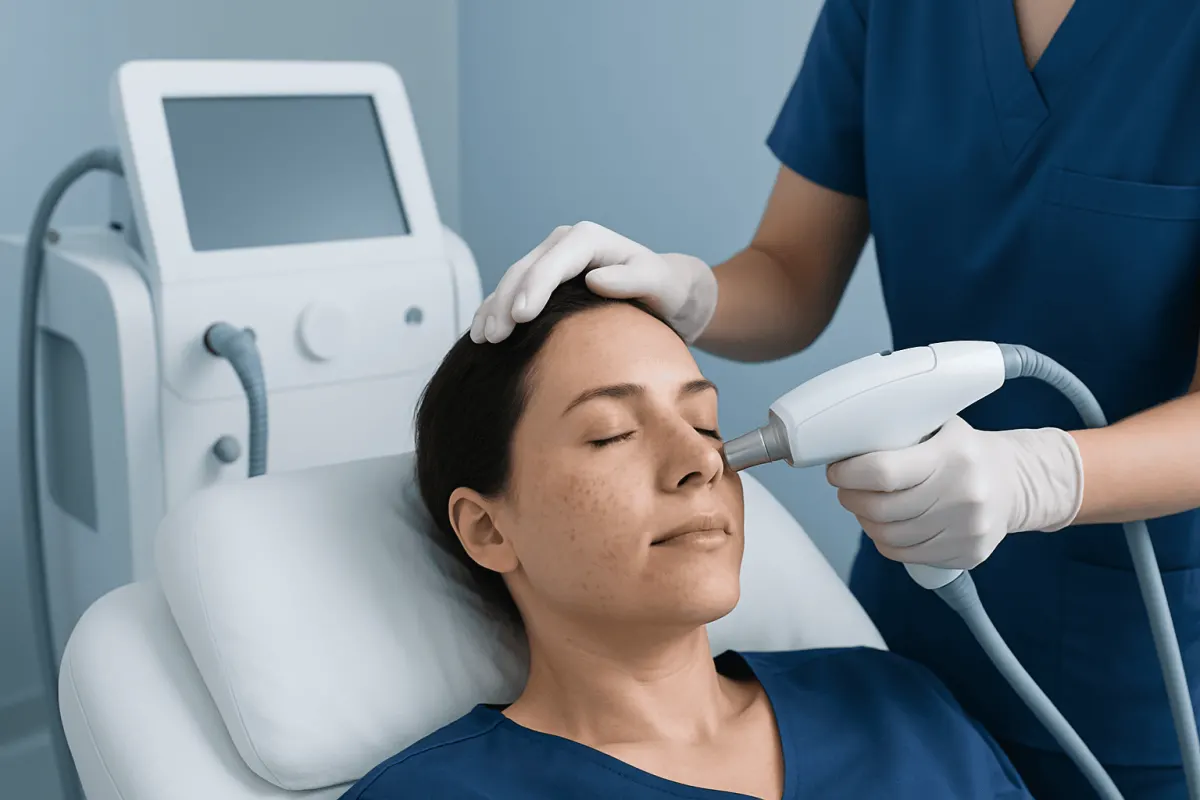
Laser and light treatments target pigment or encourage skin renewal. They can be useful for certain defined lesions, but the energy settings, device type, and treatment interval must be individualized. In some skin types or pigment conditions, laser treatment carries a meaningful risk of temporary or persistent darkening, lightening, or uneven color.
The safest choice is therefore a diagnosis-led plan rather than a procedure selected only from photographs or social media examples. A qualified dermatologist can explain likely benefits, limitations, downtime, and alternatives for the individual patient.
How long does it take to see results from pigmentation treatments?
Results are usually gradual. With daily sun protection and topical treatment, visible improvement may begin over several weeks, while a more meaningful change often takes a few months. Deeper pigment and long-standing melasma may take longer and commonly require maintenance treatment to reduce recurrence.
After a chemical peel, the skin may look brighter once temporary redness and peeling settle, but improvement in dark areas can continue over multiple treatment sessions. Laser or light-based treatment may darken targeted spots briefly before they fade. The timing depends on the device used, the treated condition, and the skin’s healing response.
No procedure can guarantee complete or permanent clearing. Pigmentation may return with sun exposure, hormonal changes, inflammation, or stopping maintenance measures. Taking standardized photographs in consistent lighting can help patients and clinicians judge progress more accurately than day-to-day mirror checks.
It is important not to increase product strength, exfoliate more often, or arrange repeated procedures too quickly in pursuit of faster change. Irritation can stimulate additional pigment, particularly in people with a history of post-inflammatory hyperpigmentation.
Is pigmentation removal painful?
Comfort levels vary by procedure and individual sensitivity. Topical creams are generally painless, though they can cause stinging, dryness, or irritation if they are not tolerated. Chemical peels may cause temporary tingling, warmth, or burning during application, with the sensation usually easing after neutralization or completion of the treatment.
Laser pigmentation removal is often described as a quick snapping, prickling, or heat sensation. Cooling methods, topical anesthetic where appropriate, and carefully adjusted treatment settings can improve comfort. Mild tenderness, redness, or a sunburn-like feeling may occur afterward.
Patients should tell the treating clinician if they have a low pain threshold, a history of cold sores, sensitive skin, previous scarring, or a reaction to numbing products. The clinic can then discuss suitable comfort measures and whether the planned procedure is appropriate.
Recovery and what not to do after laser pigmentation removal
Recovery after laser treatment depends on the device, intensity, and area treated. Temporary redness, warmth, slight swelling, dryness, or darkening of the treated pigment can be expected. Some people develop fine crusting or flaking; this should be allowed to resolve naturally. The clinician will provide individualized aftercare instructions and an expected recovery timeline.
What not to do after laser pigmentation removal is as important as what to do. Patients should not pick, scrub, rub, or peel off flaking skin, as this can increase the risk of infection, scarring, and post-inflammatory darkening. They should also avoid tanning, direct sun exposure, heat-intensive activities if advised, and any skin products that sting or exfoliate until the skin has recovered.
Common products to pause unless the clinician advises otherwise include retinoids, exfoliating acids, scrubs, benzoyl peroxide, and fragranced or irritating cosmetics. Gentle cleansing, a simple moisturizer, and rigorous use of broad-spectrum sunscreen are generally central to aftercare. Makeup should only be resumed when the treated skin is intact and the clinician has said it is suitable.
Contact the treating clinic promptly if there is increasing pain, spreading redness, pus, blisters, fever, marked swelling, or any unexpected change. These symptoms do not necessarily indicate a serious problem, but they should be assessed without delay.
Daily prevention, self-care and when to seek medical care
Daily prevention is the foundation of managing pigmentation on face. Broad-spectrum sunscreen with high sun protection should be applied each morning and reapplied as needed when outdoors. A tinted sunscreen containing iron oxides may provide additional protection against visible light for people with melasma or other visible-light-sensitive pigmentation. Hats, shade, and avoiding intentional tanning offer further support.
A gentle routine can help protect the skin barrier. This generally includes mild cleansing, regular moisturizing, and avoiding frequent scrubbing, DIY acid treatments, or unregulated lightening products. Products containing undisclosed steroids, mercury, or other harmful ingredients should be avoided. New active products should be introduced gradually under professional guidance.
When to seek medical care: a person should arrange assessment for a new or rapidly changing dark spot; a lesion with irregular borders, several colors, bleeding, crusting, itching, or pain; or pigmentation that develops after starting a medicine. Medical review is also advisable if dark marks are causing distress, persist despite careful skin care, or follow an injury, rash, or procedure.
Acıbadem Health Point’s multidisciplinary specialists and JCI-accredited hospitals can assess and treat skin pigmentation concerns for international patients. A dermatologist can create a plan that balances visible improvement with skin safety and long-term prevention.
Frequently asked questions
01Can pigmentation on face go away on its own?
Some post-inflammatory marks gradually fade after acne, irritation, or injury has resolved, especially when the skin is protected from sunlight. However, fading can take months, and conditions such as melasma or sun-related spots may persist or return without ongoing prevention and treatment.
02What is the best procedure for hyperpigmentation on face?
The best procedure depends on the cause, depth of pigment, skin tone, and previous response to treatment. A dermatologist may recommend topical therapy, chemical peels, laser or light-based treatment, or a combination, but diagnosis and careful sun protection should come first.
03How long does it take to see results from pigmentation treatments?
Topical treatment and daily photoprotection often require several weeks before early changes are visible, with fuller improvement commonly taking a few months. Procedures may produce earlier changes in selected spots, but several sessions and maintenance care can still be needed.
04What not to do after laser pigmentation removal?
Do not pick, scratch, scrub, or remove flaking skin after laser treatment. Avoid direct sun, tanning, irritating active products, and unapproved home remedies until the skin has healed and the treating clinician advises that they can be restarted.
05Is pigmentation removal painful?
Most treatments cause manageable temporary discomfort rather than severe pain. Creams may sting or irritate, peels can feel warm or tingly, and laser treatment is often compared with a brief snapping or heat sensation; cooling and other measures may help.
06Can sunscreen prevent dark spots from returning?
Sunscreen cannot prevent every cause of pigmentation, but it is one of the most effective ways to limit darkening and reduce recurrence. Broad-spectrum protection should be used consistently, alongside shade and protective clothing when outdoors.
This article is for general information only and is not a substitute for professional medical advice. Please consult a qualified doctor about your individual situation.
Explore treatments in Turkey — costs, top hospitals & a free quote
JCI-accredited · board-certified surgeons · reply within 24h
Add us as a Preferred Source to see more of our trusted health content across Google Search, AI Overviews and Discover.