What Is Teeth Whitening Turkey? A Complete Medical Guide

Key Takeaways
- Teeth whitening in Turkey usually means dentist-supervised whitening, not over-the-counter kits alone.
- Results depend on the cause of tooth discoloration, the whitening method, and the condition of the enamel and gums.
- A dental examination is important before whitening to check for cavities, gum disease, or restorations that may affect results.
- Sensitivity can occur after treatment, but it is often temporary and manageable with professional guidance.
- Good oral hygiene and stain-aware habits help maintain whitening results for longer.
- International patients should choose a clinic with qualified dentists, clear communication, and follow-up support.
Teeth whitening in Turkey refers to professional cosmetic dental treatment that lightens stained or yellowed teeth using dentist-supervised methods. This guide explains the procedure, who may benefit, what to expect before and after treatment, and how international patients can plan care safely.
Overview
Teeth whitening Turkey is a search term many international patients use when they want a brighter smile through professional dental care in Turkey. In practical terms, it usually means dentist-led whitening treatment performed in a clinic, often after an assessment of the teeth, gums, and the type of discoloration present.
People travel for this treatment for different reasons. Some want to refresh a smile affected by coffee, tea, tobacco, or age-related staining. Others may be comparing options across countries and looking for a place where treatment can be planned efficiently during a short trip. The key point is that whitening is a cosmetic procedure, but it still needs proper dental screening and individualized planning.
Turkey has become a well-known destination for dental care because many clinics offer modern equipment, experienced clinicians, and services designed for international visitors. Even so, the safest approach is not to choose on location alone. A suitable clinic should explain the whitening method, expected outcome, risks, and aftercare in a way that is easy to understand.
Symptoms and When Whitening May Help
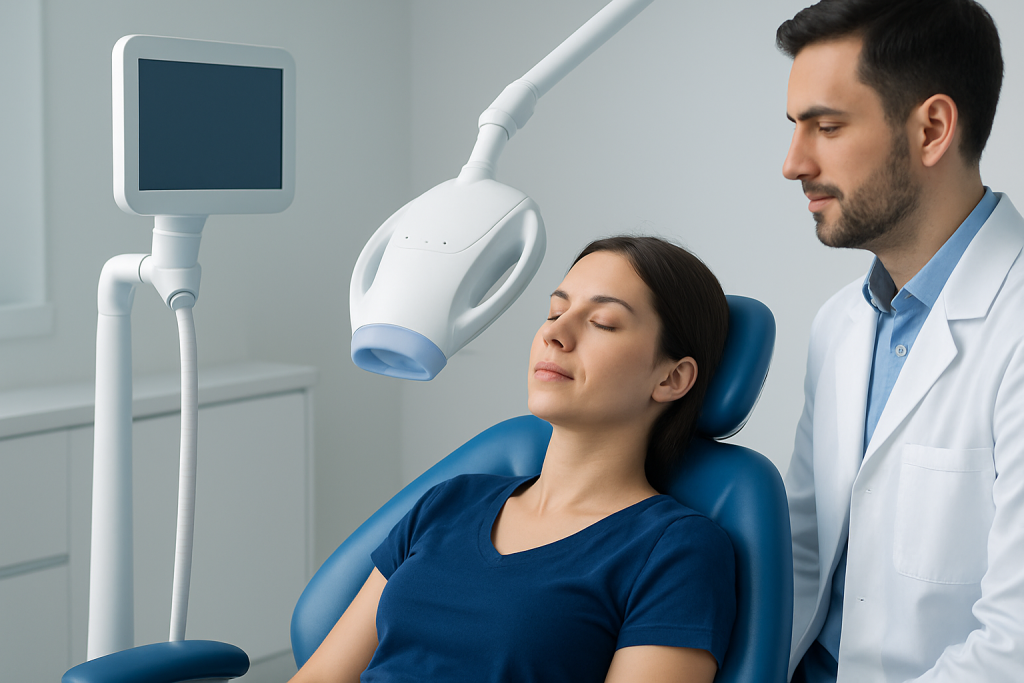
Teeth whitening is considered when the main concern is visible tooth discoloration rather than pain or structural damage. Stains may appear yellow, brown, or generally dull, and they can affect one tooth, several teeth, or the entire smile. Whitening may help improve the appearance of extrinsic stains, which sit on the surface of the enamel, and some mild internal discoloration as well.
Common reasons people seek whitening include frequent exposure to staining foods and drinks, smoking, natural aging, and changes after certain medications. However, not every color change is best managed with whitening. For example, gray or patchy discoloration, enamel defects, or stains caused by trauma may need a different approach such as bonding, veneers, or other restorative care.
A dentist will usually ask whether the patient’s concern is cosmetic brightening or whether the color change might signal another issue. That distinction matters, because whitening works best when the teeth and gums are otherwise healthy and the discoloration is appropriate for treatment.
Causes and Risk Factors for Tooth Discoloration
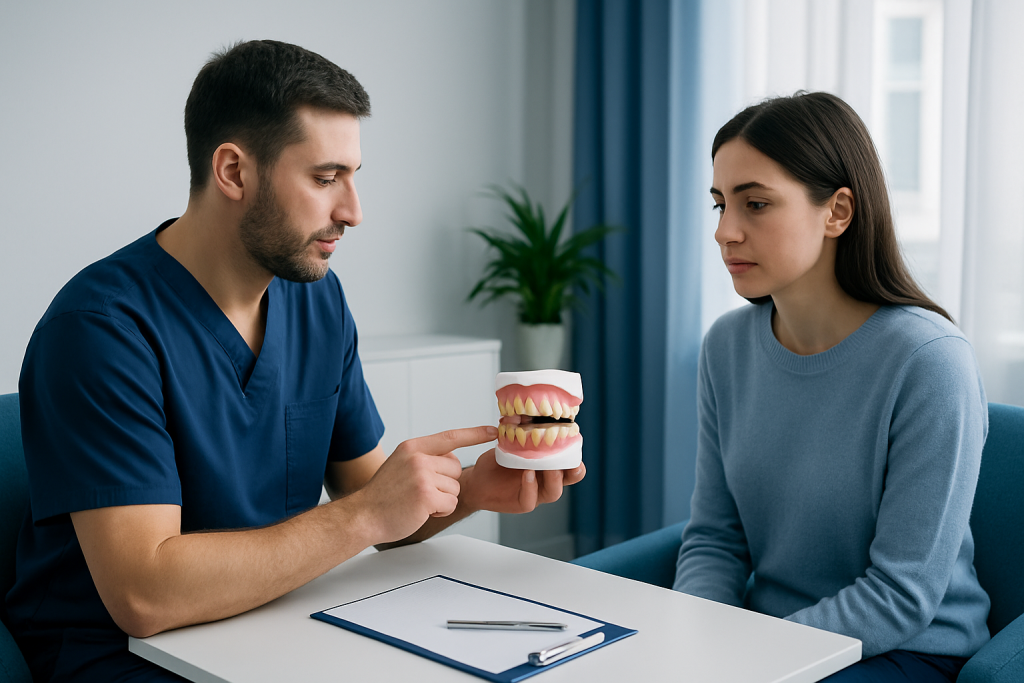
Tooth color changes can happen for several reasons, and understanding the cause helps determine whether whitening is likely to work well. Surface staining is often linked to coffee, tea, red wine, cola, curry, and tobacco. Over time, these habits can leave pigments on the enamel and create a darker appearance.
Internal discoloration may come from aging, dental trauma, certain medications, excessive fluoride exposure during tooth development, or changes in the inner structure of the tooth. In these cases, whitening may still help, but results can be less predictable than with surface stains. Some restorations, such as crowns, fillings, and veneers, do not whiten in the same way as natural enamel.
People with sensitive teeth, untreated cavities, gum inflammation, or exposed roots may need to address those issues first. A careful pre-treatment dental review is therefore an important part of planning, especially for travelers who may only have a limited window for appointments.
Diagnosis and Pre-Treatment Assessment
A responsible whitening journey begins with a dental examination. The dentist will typically look at the health of the gums, check for decay, review existing restorations, and assess the pattern and depth of discoloration. Photos may be taken to document the starting shade and to help discuss realistic expectations.
This appointment is especially important for international patients because it helps avoid last-minute surprises. If the teeth need cleaning, cavity treatment, or gum care first, those steps are usually completed before whitening. The dentist may also ask about recent sensitivity, previous whitening attempts, and any medical conditions or medications that could affect treatment planning.
Not every patient is an ideal candidate on day one. The safest clinics will explain when whitening is appropriate and when another cosmetic option might provide a better and more durable result. That honest conversation is part of good medical care, not a delay.
Treatment Options
Professional whitening in Turkey may be offered as in-office treatment, take-home trays prescribed by a dentist, or a combination of both. In-office whitening is usually performed under supervision in the clinic and is chosen when patients want a faster visible change. Take-home systems use custom trays and whitening gel, with instructions tailored by the dentist.
The right option depends on the patient’s goals, sensitivity level, time available, and the cause of the staining. Some clinics also use a staged approach, beginning with a professional cleaning, followed by whitening, and then maintenance guidance. This can be a practical choice for people traveling from abroad because it allows treatment to be organized around the trip.
It is important to understand what whitening can and cannot do. It can improve the shade of natural teeth, but it does not replace restorative dentistry. If there are chipped teeth, old discolored fillings, or uneven edges, the dentist may suggest additional cosmetic planning after whitening is complete.
- In-office whitening: supervised by a dentist in the clinic
- Custom tray whitening: gradual whitening at home with dentist guidance
- Combination treatment: clinic session plus home maintenance
- Supportive care: cleaning, sensitivity management, and follow-up review
What to Expect Before, During, and After Treatment
Before whitening, the dentist may recommend a cleaning to remove plaque and surface stains. Protective measures are used to shield the gums and soft tissues, and the whitening agent is applied carefully to the teeth. Patients usually remain awake throughout the procedure and may notice mild warmth, pressure, or temporary sensitivity depending on the method used.
After treatment, the teeth may look brighter right away, although the final appearance can continue to settle over the next few days. Short-term sensitivity is common and usually improves on its own. The dentist may suggest avoiding strongly colored foods and drinks for a short period and using a toothpaste designed for sensitive teeth if needed.
For patients returning home soon after treatment, follow-up instructions are especially important. They should know whom to contact if sensitivity persists, if the gums become irritated, or if they are unsure how to use any prescribed trays or maintenance products. Good aftercare helps protect both comfort and results.
Prevention and Self-Care
Whitening results last longer when daily habits support them. Brushing twice a day, flossing regularly, and attending routine dental checkups help prevent new staining and keep the mouth healthy. A balanced approach to coffee, tea, red wine, and tobacco also makes a difference over time.
Patients who want to maintain a lighter smile may benefit from practical adjustments rather than strict restrictions. For example, rinsing with water after stain-causing drinks, using a straw for some beverages, and not brushing immediately after acidic foods can help protect enamel. Maintenance whitening, if recommended by a dentist, should always be done under professional guidance rather than by guesswork.
Travelers should also plan for continuity of care. Keeping copies of treatment notes, product instructions, and before-and-after photos can make it easier for a local dentist at home to support follow-up if needed. This is one reason international dental treatment should be organized with clear documentation from the start.
When to See a Doctor
A dentist should be seen before whitening if there is pain, swelling, bleeding gums, loose teeth, or a sudden change in tooth color. These signs may indicate a problem that needs treatment first. Whitening is designed for cosmetic improvement, not for managing dental disease.
Patients should also seek review if whitening causes prolonged sensitivity, burns the gums, or produces uneven results that are difficult to explain. A professional can check whether the issue is temporary or whether another treatment would be more suitable. This is particularly important for people who are traveling and want to avoid complications during or after their trip.
For international patients considering care abroad, it helps to choose a clinic that can explain treatment clearly, coordinate appointments efficiently, and provide follow-up support after the visit. At Acibadem Health Point, multidisciplinary specialists and JCI-accredited hospitals diagnose and treat dental conditions for international patients, including those seeking cosmetic whitening with a medically sound plan.
Choosing a Safe Clinic in Turkey
The best clinic is not simply the one that advertises whitening most prominently. Patients should look for qualified dentists, transparent communication, a documented examination before treatment, and a clear explanation of the method being used. A reputable clinic will also discuss whether whitening is the right choice for the patient’s tooth color and oral health status.
International visitors may benefit from clinics that coordinate consultation, treatment, and follow-up with minimal confusion. This matters because a smile makeover is still a medical process, and time spent discussing expectations often leads to a better experience. If a clinic avoids questions about sensitivity, material choice, or aftercare, that is a sign to pause and ask more.
Teeth whitening can be a straightforward and satisfying procedure when it is matched to the right patient and performed with proper dental oversight. Careful planning, realistic expectations, and sensible aftercare are what make the result feel natural rather than rushed.
Frequently asked questions
01What does teeth whitening Turkey usually mean?
It usually refers to professional teeth whitening performed in a Turkish dental clinic, often for international patients. The term may include in-office whitening, custom take-home trays, or a combination of both.
02Is professional whitening better than whitening strips?
Professional whitening is generally more controlled because a dentist checks oral health first and matches the method to the patient’s needs. Over-the-counter products may help with mild stains, but they do not replace a dental assessment.
03How long do whitening results last?
Results vary depending on the whitening method, diet, smoking habits, and oral hygiene. Regular brushing, routine dental visits, and stain-aware habits can help the effect last longer.
04Does teeth whitening hurt?
Most patients do not feel pain during treatment, but temporary sensitivity can happen afterward. This usually improves within a short time and can often be managed with dentist-recommended measures.
05Can crowns or fillings be whitened?
No, crowns, fillings, and veneers do not whiten in the same way as natural teeth. If visible restorations are present, the dentist may discuss other cosmetic options so the final color looks even.
06Who should avoid whitening until checked by a dentist?
People with untreated cavities, gum disease, significant sensitivity, or unexplained tooth discoloration should have an examination first. Whitening is safest when the mouth is healthy and the cause of staining is understood.
This article is for general information only and is not a substitute for professional medical advice. Please consult a qualified doctor about your individual situation.
Explore treatments in Turkey — costs, top hospitals & a free quote
JCI-accredited · board-certified surgeons · reply within 24h
Add us as a Preferred Source to see more of our trusted health content across Google Search, AI Overviews and Discover.