What Is Eczema Pimples? A Complete Medical Guide

Key Takeaways
- Eczema pimples are usually inflamed bumps linked to eczema, irritation, or infection rather than classic acne.
- Dryness, scratching, allergens, sweat, and harsh products can make the bumps more noticeable.
- Diagnosis is mainly based on skin examination and a review of symptoms, triggers, and skin-care habits.
- Treatment focuses on calming inflammation, protecting the skin barrier, and treating infection if present.
- Persistent, painful, or rapidly spreading bumps should be assessed by a dermatologist.
Eczema pimples are small, pimple-like bumps that can appear on skin affected by eczema, often because the skin barrier is irritated, inflamed, or secondarily infected. They are not true acne, and understanding the difference helps guide safer care.
Overview
Eczema pimples is a common phrase people use when eczema skin develops small raised bumps that look like pimples. In medical terms, these bumps are often part of eczema itself, signs of irritated hair follicles, or a skin infection that has developed on top of already sensitive skin. The important point is that they are usually not the same thing as ordinary acne.
Eczema can change the skin’s surface in many ways. It may look dry, red, rough, cracked, scaly, or bumpy. When the skin barrier is weakened, it becomes easier for irritants, sweat, bacteria, or scratching to worsen the rash and create pimple-like spots. For people trying to decide whether they need simple skin care or a medical evaluation, noticing the overall pattern of the skin is often more useful than focusing on one bump at a time.
For international patients who are traveling for care, it helps to bring photos of flares, a list of products used on the skin, and any history of allergies or previous treatments. Those details often help a dermatologist determine whether the bumps are part of eczema, contact irritation, folliculitis, or another skin condition.
Symptoms
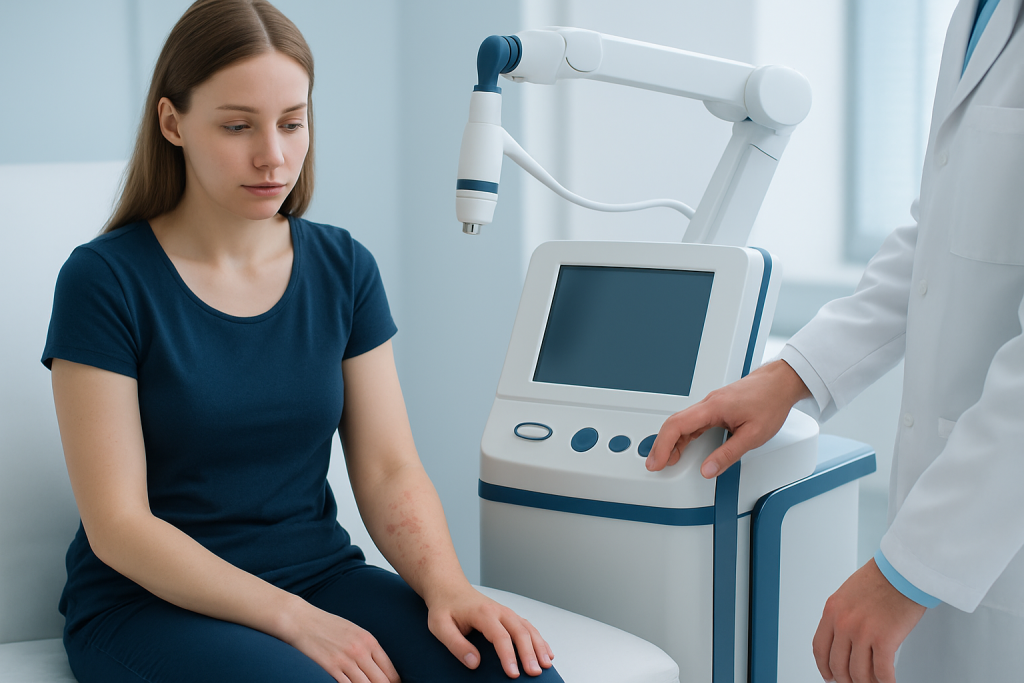
Eczema pimples can vary from tiny flesh-colored bumps to red, itchy, inflamed spots. Some people describe them as “little pimples,” while others notice clusters of rough bumps that appear after sweating, rubbing, or a flare of dryness. The skin may feel tight, stinging, or unusually sensitive.
Common features may include:
- Itching, often worse at night
- Dry, rough, or scaly skin around the bumps
- Redness or patchy inflammation
- Small bumps that may appear in clusters
- Crusting, oozing, or tenderness if the skin becomes infected
The pattern matters. Classic acne usually includes blackheads, whiteheads, or deeper pimples in oily areas such as the face, chest, or back. Eczema-related bumps more often appear on skin that is already dry, inflamed, or scratched, and they may come and go with flares.
Causes & Risk Factors
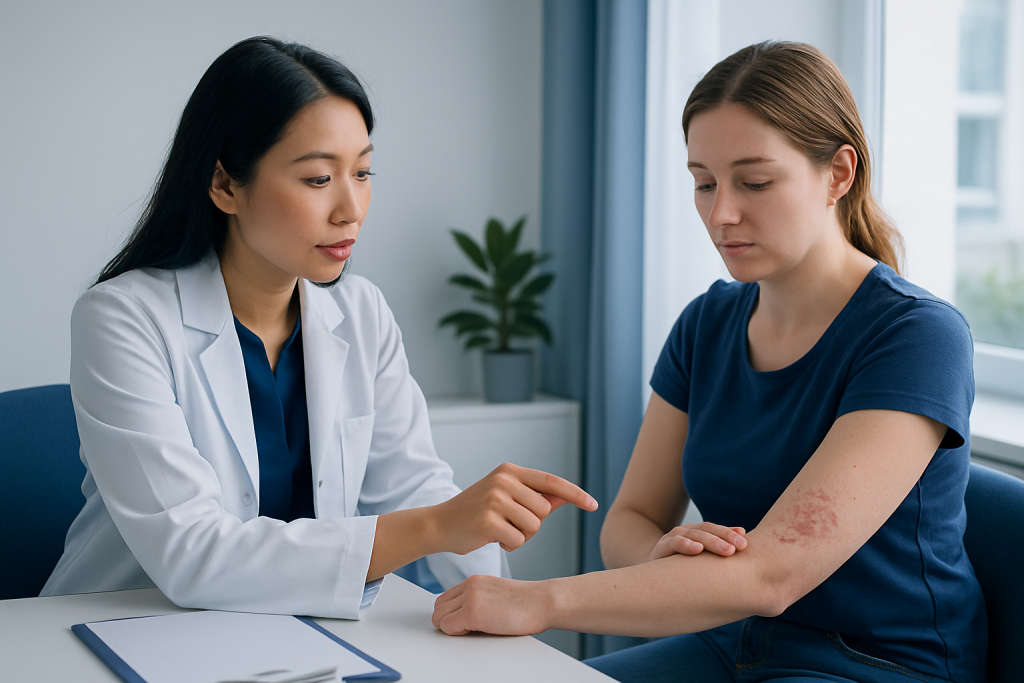
Eczema pimples usually develop because the skin barrier is not working as well as it should. When skin is dry and inflamed, it is more likely to react to soaps, fragrances, detergents, dust, heat, and friction. Scratching can also create tiny breaks in the skin that make bumps more obvious and can allow infection to develop.
Several factors may increase the chance of these bumps appearing:
- Atopic dermatitis or a history of eczema
- Dry weather or low indoor humidity
- Harsh cleansers, exfoliants, or fragranced products
- Sweating, heat, or tight clothing
- Allergic or irritant contact dermatitis
- Skin infection, including bacterial overgrowth or folliculitis
Some people also have more than one skin condition at the same time. For example, eczema and acne can coexist, especially on the face, chest, or back. In those situations, treatment must be chosen carefully so that products meant for acne do not make the eczema worse.
Diagnosis
Doctors usually diagnose eczema pimples by examining the skin and asking about symptoms, triggers, and previous skin-care routines. Because many conditions can create similar-looking bumps, the surrounding skin, distribution of the rash, and the patient’s history are all important clues.
A clinician may ask when the bumps began, whether they itch or hurt, whether there is oozing or crusting, and whether new products, travel, heat, or stress seemed to trigger the flare. If infection is suspected, a swab or other test may be recommended. If the diagnosis is unclear, a dermatologist may consider other causes such as acne, folliculitis, contact dermatitis, scabies, or a viral rash.
For patients seeking care abroad, bringing a medication list and clear photos from different stages of the flare can shorten the diagnostic process. That is especially helpful when symptoms improve and worsen in cycles, which is common with eczema.
Treatment Options
Treatment depends on the cause of the bumps. If they are part of eczema, the main goal is to reduce inflammation and restore the skin barrier. If there is infection, treatment may also include medicine directed at bacteria or, less commonly, other microbes. A doctor chooses therapy based on the location, severity, and appearance of the rash.
Typical medical approaches may include:
- Moisturizers or emollients to support the skin barrier
- Prescription anti-inflammatory creams or ointments for eczema flares
- Medicinal washes or creams if folliculitis or infection is present
- Oral treatment in more widespread or stubborn cases, when appropriate
- Review of skin-care products that may be irritating the skin
It is usually best not to use strong acne treatments on eczema-affected skin without medical guidance. Ingredients that are helpful for acne, such as drying agents or exfoliants, may increase burning, peeling, and irritation on eczema-prone areas. A dermatologist can help distinguish between a pimple-like eczema flare and true acne so treatment can be tailored safely.
Prevention & Self-care
Good day-to-day skin care often reduces how often eczema pimples appear. The most helpful routine is usually simple, gentle, and consistent. Because eczema skin can react to many products, fewer ingredients are often better than more.
Practical steps include:
- Use a fragrance-free cleanser and lukewarm water
- Apply a thick moisturizer soon after bathing
- Avoid scrubbing, picking, or popping bumps
- Choose loose, breathable clothing when possible
- Limit known triggers such as rough fabrics, heavy fragrance, or very hot showers
- Manage sweat promptly after exercise by rinsing or changing into dry clothes
People who travel for work or medical care may notice flares from climate changes, different water hardness, hotel detergents, or disrupted sleep. Packing a familiar moisturizer and cleanser, and keeping a short note of trigger patterns, can make follow-up care more productive. If a skin plan is being adjusted across time zones or after a procedure, clear instructions from a doctor become especially useful.
When to See a Doctor
Medical advice is appropriate if the bumps are painful, spreading, repeatedly crusting, or not improving with gentle skin care. A clinician should also evaluate the skin if there is pus, fever, increasing warmth, or rapidly worsening redness, because those findings can suggest infection.
It is wise to seek care sooner if the rash affects the face near the eyes, the skin is cracked and bleeding, or itching is severe enough to disturb sleep or daily activities. People who are unsure whether they are dealing with eczema, acne, folliculitis, or an allergic reaction may also benefit from a dermatologist’s assessment.
Acibadem Health Point’s multidisciplinary specialists and JCI-accredited hospitals diagnose and treat eczema and related skin conditions for international patients who need coordinated care, including evaluation, treatment planning, and follow-up support.
Living With Eczema Pimples
For many people, the most frustrating part of eczema pimples is not the bump itself but the unpredictability. A patch of skin can look calm one day and irritated the next. Learning the personal triggers and keeping the skin barrier protected often makes future flares easier to manage.
It can also help to think of skin care as maintenance rather than a quick fix. Eczema usually responds best when treatment is steady and gentle, not aggressive. If a person has repeated flares, a dermatologist may help build a long-term plan that balances treatment with everyday comfort and work, travel, or family routines.
Frequently asked questions
01Are eczema pimples the same as acne?
Not usually. Eczema pimples are often bumps that appear on dry, inflamed, or irritated skin, while acne is driven more by clogged pores and oil production. A doctor can help tell the difference if the rash is unclear or mixed.
02Why do eczema bumps itch so much?
Eczema weakens the skin barrier and activates inflammation, which makes the skin more sensitive and itchy. Scratching can worsen the irritation and make the bumps look more like pimples.
03Can eczema pimples get infected?
Yes. Broken or scratched skin can allow bacteria to enter and cause crusting, oozing, tenderness, or spreading redness. Infection should be assessed by a doctor, especially if symptoms are getting worse.
04Should acne products be used on eczema pimples?
Not without medical advice. Many acne products are drying or irritating and may make eczema worse. A dermatologist can recommend products that match the actual cause of the bumps.
05What is the safest home care for eczema-related bumps?
Gentle cleansing, regular moisturization, and avoiding scratching are usually the safest starting points. Fragrance-free products and lukewarm water are often better tolerated than harsh cleansers or hot showers.
06When is a dermatologist visit helpful?
A dermatologist is helpful when the bumps keep returning, are painful, or do not respond to basic skin care. Specialist evaluation is also useful when there is uncertainty about whether the issue is eczema, acne, folliculitis, or infection.
This article is for general information only and is not a substitute for professional medical advice. Please consult a qualified doctor about your individual situation.
Hair transplant in Turkey — costs, graft counts & a free assessment
JCI-accredited · board-certified surgeons · reply within 24h
Add us as a Preferred Source to see more of our trusted health content across Google Search, AI Overviews and Discover.