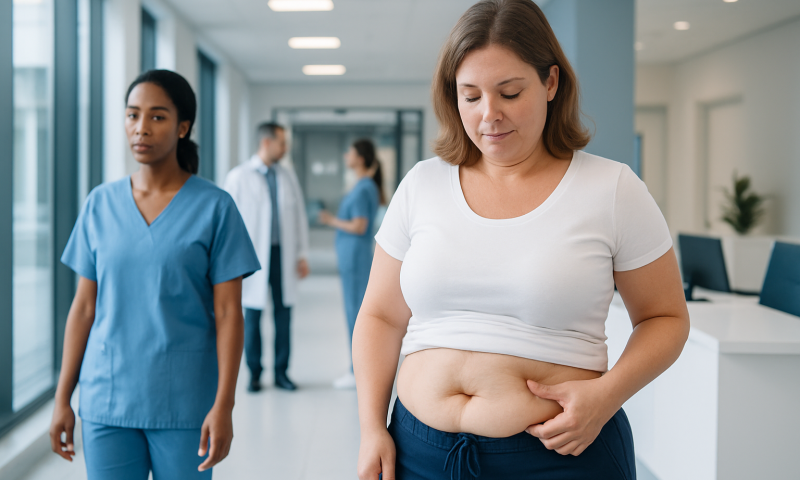
What Is Apron Stomach? A Complete Medical Guide

Key Takeaways
- Apron stomach is an abdominal overhang made of skin and fat, not a medical diagnosis on its own.
- It commonly develops after major weight gain, pregnancy, aging, or significant weight loss.
- The fold can cause irritation, sweating, infections, back strain, and difficulty with movement or exercise.
- Lifestyle changes may help overall health, but persistent or severe cases may need medical evaluation or surgery.
- A doctor should assess any sudden change, pain, skin breakdown, or symptoms that interfere with daily life.
Apron stomach refers to an overhanging fold of skin and fat across the lower abdomen, sometimes called a pannus or panniculus. It is not a disease by itself, but it can affect comfort, hygiene, mobility, and confidence, and it may point to underlying weight, pregnancy-related, or surgical changes that deserve medical attention.
Overview
An apron stomach is the visible overhang of tissue that hangs from the lower abdomen, sometimes extending over the pubic area or upper thighs. In medical language, this may be called a pannus or panniculus. People often use the phrase to describe appearance, but the more important question is what the fold is doing to health, comfort, and everyday life.
This kind of abdominal overhang can appear for different reasons. Some people develop it after long-term weight gain, others notice it after pregnancy or after losing a large amount of weight. Skin, fat, and sometimes stretched tissue all contribute to the shape, which is why exercise alone may not fully remove it once it is established.
For many patients, the issue is not only cosmetic. A heavy abdominal fold can trap moisture, make movement harder, and complicate clothing choices, exercise, and hygiene. When international patients seek care, they are often trying to understand whether the concern is mainly about body shape or whether it has become a medical problem that needs treatment.
Symptoms
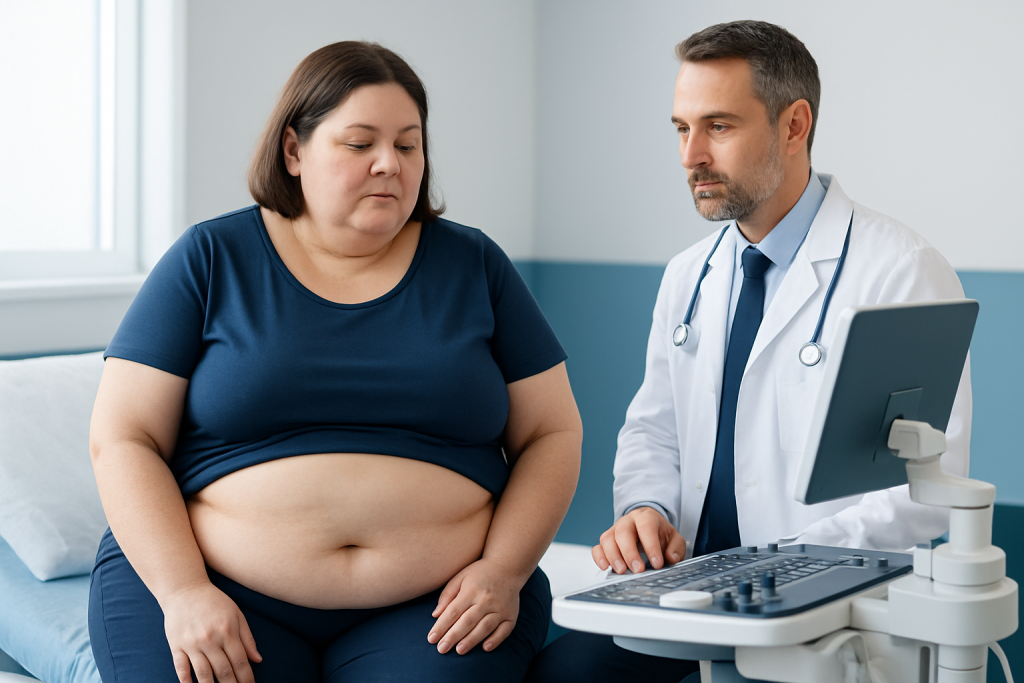
The most obvious sign is a lower abdominal fold that hangs forward or downward. The size and shape can vary widely, from a mild overhang to a large apron that rests on the thighs. Some people notice that the fold changes with weight fluctuation, posture, or after pregnancy and surgery.
Symptoms often come from friction, heat, and moisture trapped beneath the fold. Common concerns include:
- Skin chafing or redness
- Itching, odor, or sweating
- Rash, yeast overgrowth, or recurrent skin infections
- Discomfort when bending, walking, or exercising
- Difficulty finding well-fitting clothes
- Lower back strain or pressure in the abdomen
In some cases, people also report emotional distress. A visible abdominal overhang can affect self-image and social comfort, especially when it changes quickly after childbirth or major weight loss. It is reasonable to seek help for both physical and emotional concerns, because both matter in real-world care.
Causes & Risk Factors

Apron stomach usually develops when the abdominal wall is stretched and soft tissue accumulates in the lower abdomen. The most common contributors are excess body weight and long-term central weight gain, but the picture is often more complex than a simple number on a scale. Age-related changes in skin elasticity can also make the fold more noticeable.
Pregnancy is another common factor. The abdominal skin and muscles stretch to make room for the growing uterus, and some people are left with loose skin or a persistent lower abdominal overhang afterward. A large weight loss can have a similar effect: fat volume decreases, but stretched skin may remain and hang.
Other factors can increase the chance of an apron stomach or make it more pronounced:
- Multiple pregnancies
- Previous abdominal surgery
- Reduced muscle tone or limited physical activity
- Genetic tendency toward fat distribution in the abdomen
- Hormonal or metabolic conditions that promote weight gain
It is helpful to remember that this is not a sign of personal failure. Body shape is influenced by biology, life events, and health history, and many patients are dealing with several factors at once.
Diagnosis
There is no single test for apron stomach. Doctors usually diagnose it by examination and by listening to the patient’s history. They may ask when the abdominal overhang started, whether it changed after pregnancy or weight loss, and whether it causes irritation, pain, or mobility problems.
The clinician may also look for associated issues, such as rashes, skin infections, hernias, or symptoms that suggest excess abdominal fat around internal organs. In some cases, a doctor may assess body mass index, waist circumference, blood sugar, blood pressure, or other health markers to understand the bigger picture.
When patients travel for evaluation, a multidisciplinary visit can be especially useful. A surgeon, gastroenterologist, internist, or rehabilitation specialist may each help answer a different part of the question: Is the fold mainly skin? Is there also a health risk linked to weight? Is surgery appropriate, or would non-surgical care be safer and more sensible first?
Treatment Options
Treatment depends on what the apron stomach is causing and how much it affects daily life. If the main issue is excess weight, doctors often begin with weight-management strategies that support overall health. These may include nutrition guidance, gradual physical activity, sleep improvement, and treatment of any underlying metabolic condition.
However, when the fold is mostly loose skin after major weight loss or pregnancy, exercise and diet may improve fitness but may not eliminate the overhang. In those situations, care may focus on symptom control, skin protection, and discussing whether a surgical approach is appropriate. The decision is usually based on health status, symptom burden, and realistic goals rather than appearance alone.
Possible treatment approaches include:
- Medical weight management and lifestyle support
- Hygiene and skin-care measures to reduce irritation
- Treatment of rashes or fungal infections
- Physical therapy or core-strengthening guidance if mobility is affected
- Abdominal contouring surgery, often called panniculectomy or related procedures, in selected patients
Surgery is not the right choice for everyone. A qualified doctor will consider healing risk, blood clot risk, wound care needs, and whether the patient’s weight has been stable. For international patients, planning should also include recovery time, follow-up access, and any need for coordinated care once they return home.
Prevention & Self-care
Not every apron stomach can be prevented, especially when pregnancy, genetics, aging, or large weight changes are involved. Still, some practical steps can reduce discomfort and help protect the skin. The goal is often management and prevention of complications, not perfection of body shape.
Daily self-care can make a meaningful difference. Keeping the fold clean and dry lowers the risk of skin irritation and yeast growth. Breathable clothing, gentle cleansing, careful drying, and moisture-wicking fabrics may help. Some people benefit from barrier creams or absorbent cloths placed under the fold, but these should be used in a way that keeps the skin from becoming trapped and damp.
Other supportive measures include:
- Gradual weight reduction if excess weight is present
- Regular movement within comfortable limits
- Core and posture work guided by a professional when appropriate
- Monitoring for redness, cracks, odor, or drainage
- Addressing diabetes or other conditions that slow healing
If a patient is considering travel for medical care, it is wise to build in time for preparation and recovery. Stable weight, improved skin health, and a clear follow-up plan can all support better outcomes.
When to See a Doctor
Medical evaluation is a good idea when an apron stomach starts to interfere with comfort, daily activity, or skin health. A doctor can help distinguish between a harmless body-shape change and a problem that needs treatment. This is especially important if the overhang develops after rapid weight loss, surgery, or pregnancy and is accompanied by pain or loss of function.
Prompt assessment is especially important if there is persistent rash, open skin, repeated infection, fever, sudden swelling, a bulge that may suggest a hernia, or abdominal pain that does not settle. People with diabetes, poor circulation, or immune problems should not ignore skin breakdown under the fold, because healing can be slower and infections can spread.
Patients seeking coordinated care abroad may prefer a center that can evaluate the abdominal wall, skin, general health, and surgical options in one pathway. Acibadem Health Point’s multidisciplinary specialists and JCI-accredited hospitals diagnose and treat this condition for international patients, with care planning that can include consultation, procedure selection, and follow-up support.
Frequently asked questions
01What is apron stomach in medical terms?
Apron stomach usually refers to an overhanging fold of skin and fat across the lower abdomen. Doctors may call it a pannus or panniculus. It is a descriptive term rather than a diagnosis by itself.
02Can apron stomach go away with exercise?
Exercise can improve muscle tone, posture, and overall health, and weight loss may reduce abdominal fat. But if the main issue is loose skin, exercise alone often cannot remove the overhang completely.
03Is apron stomach a health problem or just cosmetic?
It can be both. Some people only dislike the appearance, while others develop rashes, infections, discomfort, or difficulty moving. A medical review is helpful when symptoms are present.
04What causes apron stomach after weight loss?
After significant weight loss, the body may have less fat but still have stretched skin that does not tighten fully. The result can be a hanging fold even when the person is healthier overall.
05How do doctors treat a large abdominal overhang?
Treatment depends on the cause and symptoms. Doctors may recommend weight management, skin care, treatment for infections, or surgery in selected cases when the fold causes persistent medical or functional problems.
06When should someone worry about skin under the fold?
Persistent redness, pain, odor, discharge, cracks, or repeated infections should be checked by a doctor. These signs can mean the skin is irritated or infected and may need treatment.
This article is for general information only and is not a substitute for professional medical advice. Please consult a qualified doctor about your individual situation.
Medical weight-loss options in Turkey — costs & eligibility
JCI-accredited · board-certified surgeons · reply within 24h
Add us as a Preferred Source to see more of our trusted health content across Google Search, AI Overviews and Discover.