What Is Sun Burnt Lips? A Complete Medical Guide

Key Takeaways
- Sun burnt lips are sunburn affecting the thin, sensitive skin of the lips.
- Common symptoms include dryness, burning, swelling, peeling, and tenderness.
- People with fair skin, frequent outdoor exposure, and no lip SPF are at higher risk.
- Cooling measures, hydration, and lip balm with SPF can support recovery and prevention.
- Blisters, severe swelling, signs of infection, or symptoms that do not improve should be assessed by a clinician.
Sun burnt lips are a form of sun damage to the delicate skin of the lips, often causing redness, tenderness, swelling, or peeling. Most cases improve with simple care, but persistent pain, blisters, or sores deserve medical attention.
Overview
Sun burnt lips are a type of sunburn that affects the lips after too much ultraviolet (UV) exposure. Because the lip tissue is thinner and more delicate than the surrounding skin, it can react quickly to sun exposure and become painful, dry, swollen, or peeled.
This problem often appears after beach holidays, mountain trips, long walks, sports events, or daily outdoor work. It may seem minor at first, but the lips are an exposed, sensitive area and deserve the same protection as the rest of the face.
For many people, the first clue is a stinging or tight feeling that makes talking, eating, or smiling uncomfortable. The good news is that mild cases usually settle with supportive care, while prevention is straightforward once the cause is understood.
Symptoms
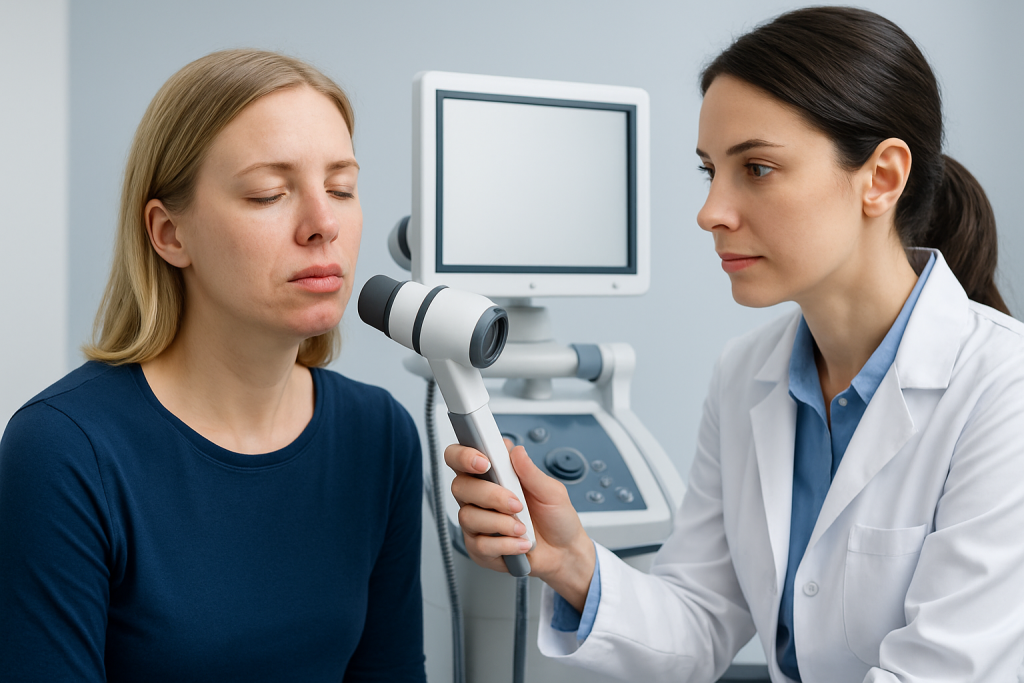
The signs of sun burnt lips can be subtle at first. Some people notice dryness and warmth before the lips turn visibly red or darker than usual, while others develop a sharp burning sensation shortly after outdoor exposure.
As the reaction progresses, the lips may feel swollen, tender, cracked, or flaky. In more pronounced cases, small blisters can form, and eating salty, spicy, or acidic foods may become uncomfortable.
- Redness or color change
- Burning, stinging, or tenderness
- Dryness and peeling
- Swelling of the lips
- Blisters in more severe sunburn
Because the lips are constantly moving, symptoms may feel more noticeable than sunburn on the skin elsewhere. If lip changes are accompanied by fever, widespread blistering, or sores that do not heal, a doctor should evaluate the area.
Causes & Risk Factors

Sun burnt lips happen when UV rays damage the skin cells of the lips. This can occur on sunny days, but UV exposure also happens when the sky is cloudy, at high altitude, and around reflective surfaces such as water, sand, snow, and concrete.
Unlike other parts of the body, the lips have very little natural protection. The lower lip is often more exposed than the upper lip, which is why it is commonly affected first.
Certain factors can raise the chance of sun burnt lips:
- Outdoor work, exercise, or travel for long periods
- Lack of lip balm with broad-spectrum SPF
- Fair skin or a history of sun sensitivity
- Medications or skin conditions that increase photosensitivity
- Previous sun damage to the lips
People who travel internationally for summer vacations, hiking, skiing, or safari-style trips may be surprised by how quickly lip sunburn develops. In unfamiliar climates, altitude, or reflective environments, the risk can rise even when the weather feels mild.
Diagnosis
Sun burnt lips are usually diagnosed through a straightforward clinical assessment. A doctor will ask about recent sun exposure, symptom timing, lip care products used, and whether any blisters, cracking, or sores have appeared.
In many cases, the appearance of the lips and the history of outdoor exposure are enough to confirm the problem. If the changes are unusual, long-lasting, or linked to repeated episodes, the clinician may look for other causes such as cold sores, allergic irritation, angular cheilitis, or chronic sun damage.
When international patients seek care, doctors may also consider the practical context: recent flights, outdoor excursions, or delays in treatment while traveling. This helps separate a simple sunburn from other lip conditions that can look similar at first glance.
Treatment Options
Most mild cases of sun burnt lips improve with gentle home care. The main goals are to reduce discomfort, keep the lips moisturized, and avoid anything that may further irritate the skin while it heals.
Helpful measures include cool compresses, frequent sips of water, and a bland lip ointment or fragrance-free balm. A broad-spectrum lip product with SPF can protect the area during recovery if more time outdoors is unavoidable.
- Apply a cool, damp compress briefly to calm heat and discomfort
- Use plain petroleum jelly or a non-irritating lip moisturizer
- Avoid picking peeling skin or popping blisters
- Choose soft, non-acidic foods if the lips are tender
- Limit further sun exposure until symptoms settle
If pain is significant or there is marked swelling, a clinician may recommend additional measures after examining the lips. It is best not to apply strong topical products, numbing agents, or home remedies that may sting or worsen irritation without medical guidance.
Prevention & Self-care
Prevention is often easier than recovery, and lip protection works best when it becomes part of a daily routine. A lip balm labeled broad-spectrum and SPF-containing should be applied generously and reapplied regularly, especially after eating, drinking, or swimming.
Hats with a brim, shade-seeking habits, and attention to the UV index can also reduce exposure. People who spend long periods outdoors may find that pairing lip SPF with sunscreen on the face and neck offers more complete protection.
Self-care during healing should be calm and simple. The lips should not be scrubbed, over-exfoliated, or exposed to irritating lip products until they feel normal again. Staying well hydrated and avoiding very hot, spicy, or acidic foods can make the healing phase more comfortable.
Travelers often benefit from packing lip protection before departure, especially for beach destinations, snow sports, high-altitude cities, or long layovers in the sun. A small preventive habit can prevent several days of discomfort later.
When to See a Doctor
Medical review is sensible when symptoms are severe, unusual, or not improving. A clinician should assess the lips if blisters are extensive, swelling is pronounced, pain is increasing, or the person has trouble eating, drinking, or opening the mouth comfortably.
Persistent sores, crusting that does not settle, or repeated episodes on the same area should also be checked. These features do not always mean something serious, but they are worth evaluating because sun damage can mimic other lip conditions.
Seek timely medical care if there are signs of infection such as spreading redness, pus, worsening warmth, or fever. A doctor should also be consulted if a person has a weakened immune system, a history of skin cancer, or concern that a lip lesion is not healing normally.
For international patients, reaching care early can prevent a small issue from becoming a travel disruption. Acibadem Health Point’s multidisciplinary specialists and JCI-accredited hospitals can diagnose and treat lip sunburn and related conditions for international patients when in-person evaluation is needed.
Frequently asked questions
01What are sun burnt lips?
Sun burnt lips are lips that have been damaged by too much ultraviolet exposure, leading to redness, pain, dryness, or swelling. They are essentially sunburn on a very sensitive area of skin.
02How long do sun burnt lips take to heal?
Mild cases often improve over several days with gentle care and protection from more sun. More severe irritation, blistering, or repeated injury can take longer and should be assessed if it is not settling.
03Can you put regular sunscreen on your lips?
Most regular sunscreens are not meant for the lips because they can taste unpleasant or irritate the mouth. A lip product made specifically for lip use and labeled broad-spectrum SPF is usually a better choice.
04Are sun burnt lips the same as cold sores?
No. Sun burnt lips are caused by UV damage, while cold sores are usually linked to herpes simplex virus. They can look somewhat similar at times, so persistent blisters or sores should be checked by a doctor.
05What helps sun burnt lips feel better at home?
Cool compresses, plain moisturizing lip ointment, hydration, and avoiding further sun exposure can help. It is also wise to skip harsh lip products and spicy or acidic foods until the lips are less sensitive.
06How can sun burnt lips be prevented on vacation?
Use a broad-spectrum lip balm with SPF before going outside and reapply it regularly. A hat, shade, and attention to UV intensity are especially useful on beaches, in snow, and at higher altitudes.
This article is for general information only and is not a substitute for professional medical advice. Please consult a qualified doctor about your individual situation.
Explore treatments in Turkey — costs, top hospitals & a free quote
JCI-accredited · board-certified surgeons · reply within 24h
Add us as a Preferred Source to see more of our trusted health content across Google Search, AI Overviews and Discover.