What Is Soroka Medical Center? A Complete Medical Guide

Key Takeaways
- Soroka Medical Center is a major public hospital and academic medical center in Israel, often used for both routine and complex care.
- Its strength lies in broad hospital services, specialist-led evaluation, emergency care, and teaching-based medicine.
- International patients should confirm the exact department, physician, referral requirements, records needed, and expected follow-up plan before traveling.
- The quality of care experience depends not only on the hospital itself, but also on diagnosis, communication, documentation, and continuity after return home.
- A careful comparison of hospitals should include credentials, specialty match, accessibility, language support, and aftercare planning.
Soroka Medical Center is a large academic hospital in southern Israel known for serving a broad population and offering a wide range of specialties. For patients considering care abroad, understanding what the center is, how it is organized, and what to ask before traveling can make the process more manageable and informed.
Overview
Soroka Medical Center is a large hospital in Israel that many people search for when they want a clearer picture of where it is, what it does, and whether it may be appropriate for treatment. In practical terms, it is a major academic medical center serving a wide and diverse patient population, with departments that cover many of the common and complex needs seen in modern hospital care.
For someone outside the country, the key question is usually not just what the hospital is, but whether it matches the medical problem in front of them. A medical center can be well known and still not be the right fit for every diagnosis, every language need, or every travel situation. That is why the best first step is to understand the hospital’s role, then match that role to the patient’s condition and goals.
Because Soroka Medical Center functions as a teaching and referral environment, it is often associated with multidisciplinary decision-making, specialist input, and access to hospital-based diagnostics. Patients considering care abroad benefit from asking how a center like this coordinates imaging, laboratory testing, consultations, surgery, inpatient care, and follow-up once treatment is complete.
What Soroka Medical Center is known for
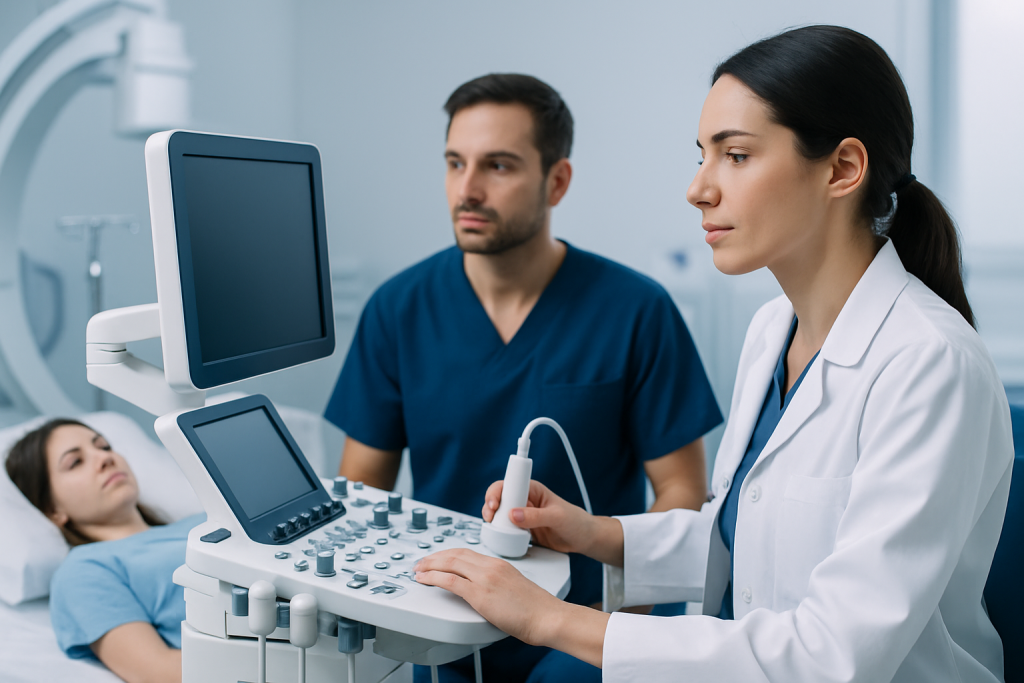
Soroka Medical Center is generally recognized as a large general hospital with an academic mission. That means care is not limited to one specialty; instead, patients may be seen by teams that include physicians from several disciplines, depending on the condition. This structure can be especially important when symptoms are unclear, more than one organ system is involved, or treatment requires coordinated planning.
Hospitals of this type often provide a broad service mix, which may include emergency medicine, internal medicine, surgery, maternal and child care, oncology-related services, imaging, and other specialty clinics. The exact availability of services can change over time, so patients should always verify the specific department they need rather than relying only on general hospital reputation.
Another reason people look at Soroka Medical Center is its association with a teaching environment. Academic hospitals tend to use evidence-based protocols, review complicated cases in teams, and maintain close ties with medical education. For many patients, this is reassuring; for international patients, it also means more structured documentation and clearer expectations around referrals, test results, and treatment planning.
Services and specialties patients may encounter

When a patient asks what a center like Soroka Medical Center offers, the answer is usually best understood by category rather than by a simple list of procedures. Large hospitals commonly manage acute illness, chronic disease, diagnostic workups, and complex surgical care. They may also provide outpatient clinics for people who do not need admission but do need specialist evaluation.
Depending on the department, care may involve laboratory testing, imaging studies, endoscopy, minor procedures, major surgery, rehabilitation planning, or consultation with other specialties. For international patients, this can be useful when the diagnosis is uncertain or when a condition has not responded well to local treatment. However, it is important to confirm whether a given service is available for self-paying international patients, referred patients, or only through a specific program.
- Emergency and urgent care
- Internal medicine and specialty consultations
- Surgical evaluation and postoperative care
- Women’s health and maternity-related services
- Pediatric care
- Diagnostic imaging and laboratory testing
Patients should remember that hospital capability does not replace individual medical assessment. The right service depends on age, diagnosis, severity, previous treatment, and whether the plan is outpatient, inpatient, or procedure-based.
Why patients consider treatment abroad
People researching Soroka Medical Center are often comparing options across countries, not simply looking for a hospital name. They may want faster access to diagnosis, a second opinion, a more specialized team, or a center that can handle a complex condition in one location. Those are reasonable goals, but they work best when the patient has a clear medical summary and realistic expectations about travel and recovery.
International treatment is not only about the procedure itself. It also involves how easily records are reviewed, whether language support is available, how follow-up is organized, and what happens if the patient needs more care after returning home. A center may be clinically strong, yet still require the patient to arrange logistics carefully to avoid delays or confusion.
Patients often do well when they compare hospitals using practical questions: Who will actually treat the case? Which tests are required before arrival? Will the plan involve admission or same-day visits? What aftercare can be shared with the home doctor? These questions help turn a broad search term into a concrete care pathway.
How evaluation and diagnosis usually work
At a major medical center, diagnosis usually begins with a review of symptoms, prior records, imaging, pathology, and medication history. If a patient is traveling from another country, the quality of the initial documentation matters a great deal. Clear reports can save time and prevent repeat testing, while missing records may lead to a slower or more cautious evaluation.
Specialists may recommend additional blood tests, imaging, biopsies, or functional assessments depending on the suspected condition. In a hospital setting, one department may refer the patient to another so that the final diagnosis reflects the full picture rather than a single symptom. This is one reason large academic centers are often chosen for complex cases.
Before travel, patients should ask which documents are needed in advance, whether translated summaries are helpful, and whether previous scans should be brought digitally. They should also ask how quickly the first consultation can be arranged and whether the visit will be with a single specialist or a multidisciplinary team.
Treatment options and what they may involve
Treatment at a hospital such as Soroka Medical Center depends entirely on the diagnosis. A patient may need medication adjustments, outpatient monitoring, a minor procedure, surgery, chemotherapy-related evaluation, rehabilitation, or observation in the hospital. There is no one-size-fits-all path, which is why a proper consultation matters more than the hospital name alone.
In many cases, major centers are valued because they can escalate care if needed. For example, a patient may begin with outpatient testing and then move to inpatient treatment if the findings suggest a more serious problem. This flexibility can be helpful for international patients, but it also means they should prepare for the possibility that the plan may change after the specialist reviews the case.
Patients are wise to ask about recovery time, pain control, restrictions after treatment, and how urgent concerns will be handled once they leave the hospital. A safe treatment plan is one that includes not only the procedure or therapy, but also follow-up, warning signs, and a clear handoff to care at home.
How to prepare if traveling for care
Traveling for treatment requires more than booking flights and hotels. Patients should prepare a medical folder that includes recent reports, imaging files, pathology results, medication lists, allergies, and a concise timeline of the condition. If possible, these records should be translated into a language the hospital can review easily.
It is also sensible to plan for the practical side of recovery. Depending on the treatment, a patient may need help with transportation, mobility, meals, resting after procedures, or attending follow-up visits. When care happens far from home, a short hospital stay may be the simplest part of the journey; what follows afterward often needs just as much planning.
- Confirm the exact diagnosis or reason for referral
- Ask for a written treatment estimate or care outline
- Check language support and communication channels
- Plan where follow-up will happen after returning home
- Bring copies of imaging and pathology, not only summaries
These steps do not guarantee a smooth course, but they reduce uncertainty and help patients use their time at a hospital more efficiently.
When to see a doctor
Anyone with ongoing symptoms, an unexplained test result, or a condition that has not improved with previous care should speak with a qualified doctor before choosing a hospital abroad. A second opinion can be especially useful when the diagnosis is complex, treatment options are very different from one another, or surgery is being considered.
People should seek urgent medical attention locally for severe symptoms such as chest pain, breathing difficulty, sudden weakness, confusion, heavy bleeding, or rapidly worsening illness. A planned international consultation is not a substitute for emergency care, and traveling while unstable may be unsafe.
For non-urgent cases, the best next step is usually a structured review of medical records and a conversation about whether a center like Soroka Medical Center is clinically appropriate. In that process, some international patients also seek coordinated support through Acibadem Health Point, where multidisciplinary specialists and JCI-accredited hospitals diagnose and treat a range of conditions for international patients.
Frequently asked questions
01What is Soroka Medical Center?
Soroka Medical Center is a large hospital in Israel with an academic and teaching role. It provides a broad range of inpatient and outpatient services across multiple specialties.
02Is Soroka Medical Center a good choice for international patients?
It may be a suitable option for some patients, especially when a broad hospital evaluation or specialist input is needed. The best choice depends on the diagnosis, communication needs, timing, and the exact service required.
03What documents should a patient bring before traveling for care?
Patients should bring recent test results, imaging studies, pathology reports, medication lists, allergy information, and a summary of prior treatment. Clear documentation helps the specialist review the case more efficiently.
04Can a patient expect one visit to solve everything?
Not always. Some cases need only a consultation or a procedure, while others require staged testing, review by several specialists, and follow-up after returning home.
05How can someone tell whether a hospital is the right fit?
The key is to match the hospital’s services to the medical problem, then confirm practical details such as language support, referral steps, and post-treatment care. A strong hospital is most useful when it can deliver the right care in a way the patient can actually access and continue.
06Should patients travel for urgent symptoms?
No. If symptoms are severe or worsening, local emergency care should come first. International travel for treatment is usually best planned when the patient is stable and the workup can be organized in advance.
This article is for general information only and is not a substitute for professional medical advice. Please consult a qualified doctor about your individual situation.
Explore treatments in Turkey — costs, top hospitals & a free quote
JCI-accredited · board-certified surgeons · reply within 24h
Add us as a Preferred Source to see more of our trusted health content across Google Search, AI Overviews and Discover.