Jamie Foxx Hair Surgery: Procedure, Benefits, Risks and Recovery

Key Takeaways
- Jamie Foxx hair surgery is best understood as a search term for hair restoration, not a confirmed public medical procedure.
- Hair transplant surgery can move healthy follicles to thinning areas and may create a fuller-looking hairline or crown.
- Results depend on the cause of hair loss, donor hair quality, scalp health, and the skill of the surgical team.
- Recovery is usually gradual, with early shedding possible before new growth appears over several months.
- A qualified doctor can help determine whether surgical or non-surgical hair loss treatment is the better option.
Jamie Foxx hair surgery is a popular search phrase, but there is no reliable public confirmation of any specific procedure. The term is usually used by people looking for information about hair transplant surgery, including how it is done, who may benefit, and what recovery looks like.
Overview
People searching for Jamie Foxx hair surgery are usually trying to understand whether the actor had a hair transplant and, more broadly, what hair restoration surgery involves. There is no dependable public medical record confirming a specific procedure, so the safest way to approach the topic is to focus on the treatment itself rather than speculation about an individual.
Hair transplant surgery is a common option for certain kinds of hair loss, especially pattern hair loss. The goal is not to create “new” hair from nothing, but to redistribute existing, healthy follicles from one area of the scalp to another. For the right candidate, this can improve density, restore a receding hairline, or fill in thinning areas in a way that looks natural.
Because hair loss has many causes, surgery is only one part of the conversation. A proper evaluation matters. Some people benefit more from medication, scalp treatment, or simply addressing a temporary trigger such as stress, illness, or nutritional deficiency. That is why an individualized assessment is more useful than any celebrity comparison.
Symptoms
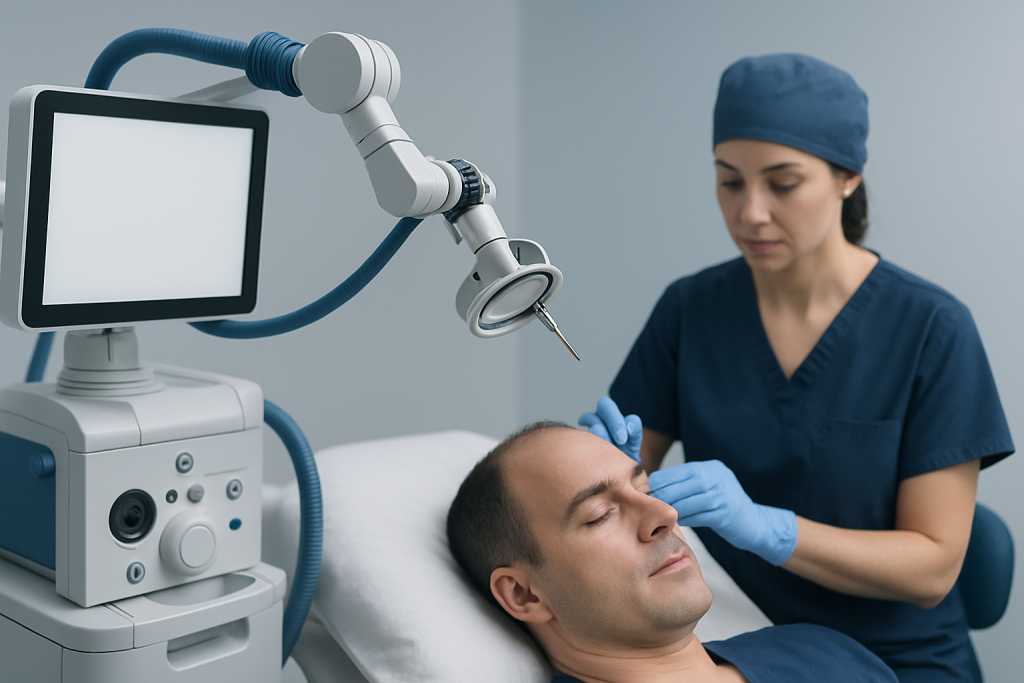
The signs that prompt someone to consider hair restoration are usually subtle at first. A person may notice that the hairline is moving back, the part is widening, the crown is becoming thinner, or styling no longer hides the scalp as well as before. Some patients also report more hair in the shower drain, on the pillow, or in a brush.
Not all hair loss looks the same. Pattern hair loss often develops gradually and follows a recognizable distribution. Other types of shedding can appear suddenly, spread more diffusely, or come with scalp symptoms such as itching, scaling, pain, or inflammation. Those features can point to conditions that need medical treatment before any surgical plan is considered.
Common reasons people seek a consultation include:
- Receding temples or a higher hairline
- Thinning at the crown or top of the scalp
- Uneven density after prior hair loss
- Patchy areas after scarring or injury
- Desire to improve appearance after medical hair loss has stabilized
Causes & Risk Factors

The most common reason for surgical hair restoration is androgenetic alopecia, also called pattern hair loss. In this condition, certain hair follicles become more sensitive to hormones and gradually produce finer, shorter hairs until they stop producing visible hair. Men and women can both be affected, though the pattern often differs.
Other causes of hair loss may include autoimmune disease, thyroid disorders, iron deficiency, intense stress, rapid weight change, childbirth, medications, and scalp disorders. Some of these causes are temporary or treatable without surgery. If hair loss is active or unstable, transplanting follicles too early may lead to disappointing results.
Factors that influence whether surgery is appropriate include:
- Availability of healthy donor hair
- Stability of the hair loss pattern
- Age and long-term expectations
- Scalp laxity and scalp health
- History of previous procedures or scarring
- General health and ability to heal
A careful consultation helps determine whether the hair loss pattern is suitable for surgery or whether medical therapy should come first.
Diagnosis
Before recommending a hair transplant, a doctor typically starts with a detailed history and scalp examination. They will ask when the hair loss began, how quickly it has progressed, whether family members have experienced similar thinning, and whether any recent illness, medication, or stress could have contributed.
The scalp may be examined with magnification or dermoscopy to look closely at hair shaft caliber, follicle openings, and signs of inflammation or scarring. In some cases, blood tests are ordered to check for underlying contributors such as thyroid imbalance, anemia, or nutritional deficiencies. If the pattern is unclear, a biopsy may be considered.
Good diagnosis is essential because transplant surgery is best suited to stable, pattern-based hair loss. A person with active shedding from an untreated medical cause may need that issue addressed first. For international patients, this evaluation can often be organized before travel so that surgery, if appropriate, is planned efficiently and safely.
Treatment Options
Hair transplant surgery usually falls into two main techniques: follicular unit transplantation (FUT) and follicular unit extraction (FUE). In FUT, a strip of scalp is removed from the donor area and carefully dissected into grafts. In FUE, individual follicular units are extracted one by one from the donor area and placed in thinning regions. Both methods aim to preserve the natural direction and spacing of the hair.
The right technique depends on the pattern of loss, donor supply, hairstyle preferences, healing considerations, and the surgeon’s recommendation. Some patients prefer FUE because it leaves tiny dot-like marks rather than a linear scar, while others may be better served by FUT when a larger number of grafts is needed. The choice is not about which method is “best” in general, but which suits the person’s scalp and goals.
Hair restoration may also include non-surgical options such as topical or oral medications, scalp care, low-level laser therapy, or camouflage techniques. These can be used before surgery, after surgery, or instead of surgery when follicles are too limited for transplantation. In many cases, a combined plan gives the most balanced and durable result.
Potential benefits of surgery include improved confidence, better framing of the face, and a hairstyle that is easier to manage. However, surgery does not stop the underlying tendency for hair loss. Many patients still need long-term medical management to protect the non-transplanted hair around the restored area.
Prevention & Self-care
Not every form of hair loss can be prevented, but scalp and hair care habits can support overall hair health. Gentle handling matters: avoid aggressive brushing, tight hairstyles that pull on the hairline, and harsh chemical or heat practices that may weaken fragile hair. A balanced diet, adequate protein, and correction of medical deficiencies also play a role.
If a person is considering hair surgery, preparation begins well before the operation date. Smoking cessation, control of chronic conditions, and discussion of current medications are important parts of preoperative planning. Following the surgeon’s instructions about washing, shampoo use, and temporary medication changes can help reduce avoidable complications.
After surgery, self-care usually includes protecting the grafts, sleeping in a recommended position, avoiding direct sun exposure on the scalp, and postponing strenuous exercise until the doctor approves it. Patients should also expect a normal healing process that may include scabbing, redness, and temporary shedding before new growth emerges. Patience is often one of the most important parts of recovery.
When to See a Doctor
A medical evaluation is worthwhile when hair loss is sudden, patchy, painful, or associated with scalp scaling or redness. It is also wise to seek advice if thinning is progressing quickly, if over-the-counter products are not helping, or if there is uncertainty about the cause. Early assessment can distinguish temporary shedding from long-term hair loss patterns.
Anyone considering surgery should consult a qualified hair restoration specialist before deciding. The doctor can explain whether the person has enough donor hair, whether the pattern is stable, and whether surgery or non-surgical treatment is more appropriate. A good consultation should include realistic discussion of density, hairline design, and expected maintenance over time.
International patients often benefit from a second review after arriving for care, especially if they are traveling far from home for treatment. Acibadem Health Point’s multidisciplinary specialists and JCI-accredited hospitals diagnose and treat hair loss conditions for international patients with coordinated, physician-led care.
Recovery and Results
Recovery after hair transplant surgery is usually straightforward, but it is not instant. The scalp may feel tender for a few days, and small scabs or redness can appear around the grafts or donor area. Many people return to light daily activity relatively soon, though exact timelines depend on the technique used and the individual’s healing response.
It is also common for transplanted hairs to shed in the early weeks. This can be surprising, but it is generally part of the normal growth cycle and does not mean the surgery failed. New growth typically appears gradually over the following months, and the final appearance is often assessed much later, not in the first few weeks.
Results are influenced by several factors: the natural characteristics of the hair, the extent of hair loss, the quality of the donor area, and how well the plan matches the patient’s long-term pattern. A conservative hairline often looks more natural over time than an overly aggressive one. Follow-up visits help monitor healing and guide any additional treatment if needed.
Risks and Limitations
Hair transplant surgery is generally well tolerated, but it is still a medical procedure. Possible risks include infection, bleeding, swelling, temporary numbness, shock loss of nearby hair, poor graft survival, scarring, and an unnatural appearance if the plan is not carefully designed. Most of these concerns are reduced when the procedure is done by an experienced team and after a proper assessment.
Limitations are just as important as risks. Surgery cannot create unlimited density, and it cannot fully reverse widespread hair loss if the donor supply is limited. People with unstable or inflammatory hair loss may not be ideal candidates until the underlying condition is controlled. Future hair loss in untreated areas can also change the look over time.
For that reason, the best surgical plan is usually one that respects the long game. A thoughtful design preserves donor hair, anticipates future thinning, and leaves room for maintenance treatments if needed. That approach tends to age better than trying to restore everything at once.
Frequently asked questions
01Did Jamie Foxx definitely have hair surgery?
There is no reliable public medical confirmation of a specific hair surgery. The phrase is mainly used online as a search term for hair transplant information. It is better to focus on the procedure itself rather than speculation about an individual.
02What is the difference between FUE and FUT hair transplant surgery?
FUE removes individual follicular units from the donor area, while FUT removes a strip of scalp that is then divided into grafts. Both methods can work well, but the best choice depends on donor supply, scarring preference, and the person’s hair loss pattern. A surgeon can explain which option fits the scalp and goals more closely.
03How long does it take to see results after a hair transplant?
Early healing happens in the first days to weeks, but visible growth takes much longer. Many patients notice shedding before new hairs begin to grow again. Final cosmetic assessment usually takes several months and sometimes longer, depending on the case.
04Is a hair transplant permanent?
Transplanted follicles are usually taken from areas that are more resistant to pattern hair loss, so they often last a long time. However, the rest of the natural hair may continue to thin over time. That is why many patients also need ongoing medical treatment or follow-up care.
05Who is a good candidate for hair restoration surgery?
Good candidates usually have stable hair loss, enough healthy donor hair, and realistic expectations. People with temporary shedding, active scalp inflammation, or limited donor supply may need a different approach first. A specialist evaluation is the safest way to decide.
06What should someone ask before traveling abroad for hair surgery?
They should ask who will perform the procedure, how the diagnosis was confirmed, what technique is recommended, and what the recovery plan will be after returning home. It is also helpful to ask how follow-up visits are handled across countries. Clear answers make the process safer and easier to manage.
This article is for general information only and is not a substitute for professional medical advice. Please consult a qualified doctor about your individual situation.
Hair transplant in Turkey — costs, graft counts & a free assessment
JCI-accredited · board-certified surgeons · reply within 24h
Add us as a Preferred Source to see more of our trusted health content across Google Search, AI Overviews and Discover.