What Is Skin Maceration Wound? A Complete Medical Guide

Key Takeaways
- A skin maceration wound develops when skin is exposed to too much moisture for too long.
- The skin often looks white, soggy, wrinkled, or fragile and may tear more easily.
- Wound drainage, sweating, poor dressing fit, and skin folds are common triggers.
- Treatment focuses on controlling moisture, protecting the skin barrier, and addressing the underlying wound or cause.
- Persistent redness, pain, odor, fever, or spreading damage should be reviewed by a clinician.
A skin maceration wound is a wound or area of skin that has become overly wet and softened, making it fragile and easier to damage. It often develops around dressings, in skin folds, or near draining wounds, and it usually improves when moisture and wound care are managed correctly.
Overview
A skin maceration wound is not a separate disease so much as a wound problem caused by excess moisture. When the skin stays damp for long periods, its outer layer absorbs water, becomes soft and pale, and loses some of its natural strength. That softened skin can break down more easily, especially around an existing wound or under a dressing.
This issue matters because maceration can slow healing. Skin that is constantly wet is less able to protect itself from friction, bacteria, and further injury. In practical terms, the skin may look wrinkled, soggy, or white around the wound edge, and the wound can become larger if the moisture source is not corrected.
For people managing wounds from another country or while traveling for care, maceration can be especially frustrating because it may appear after a dressing change, after long flights, or when a home care routine is difficult to maintain. The good news is that it is usually manageable once the cause of moisture is identified and the skin is protected more effectively.
Symptoms and How It Looks
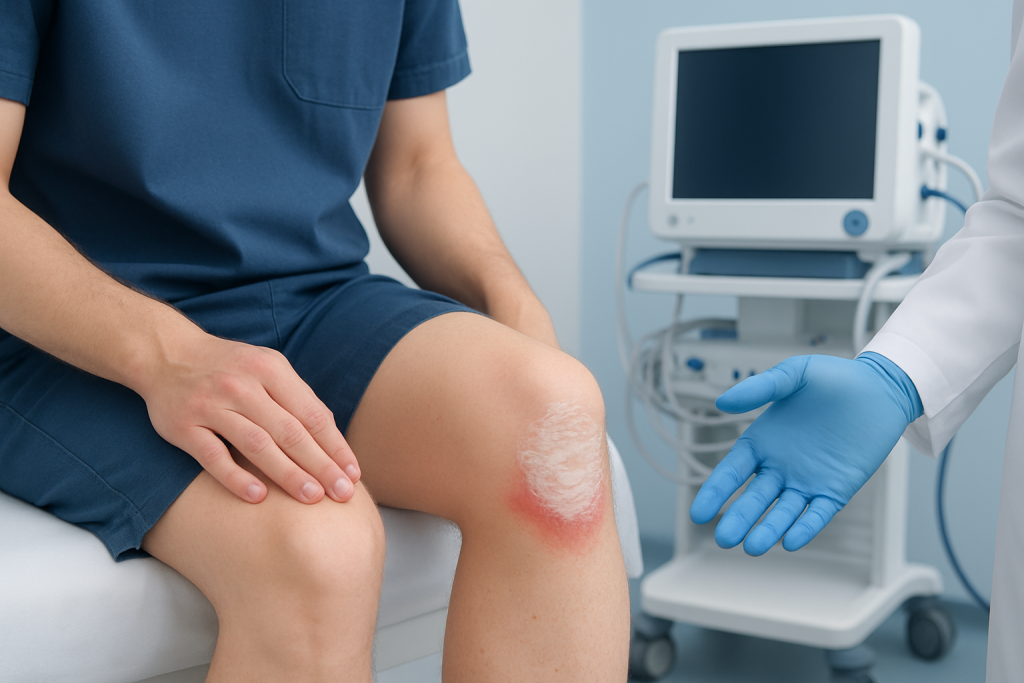
Macerated skin has a distinctive appearance. It often looks pale, wet, wrinkled, or “waterlogged,” sometimes with a shiny surface. Around a wound, the edges may become soft and fragile, and the skin can peel, split, or erode more easily than usual.
People may also notice discomfort rather than dramatic pain. The area can feel sore, itchy, or tender, and dressings may start to stick or leak more often because the skin is no longer holding up well. If the skin barrier is weakened, there may be a higher chance of irritation from wound drainage or adhesive products.
Common signs include:
- White, soggy, softened skin around a wound
- Wrinkling or a “mushy” texture
- Skin that tears easily when touched or cleaned
- Increased leakage from a dressing
- Burning, itching, or tenderness
If the area becomes increasingly red, warm, swollen, foul-smelling, or painful, that may suggest infection or another complication rather than simple moisture damage.
Causes and Risk Factors
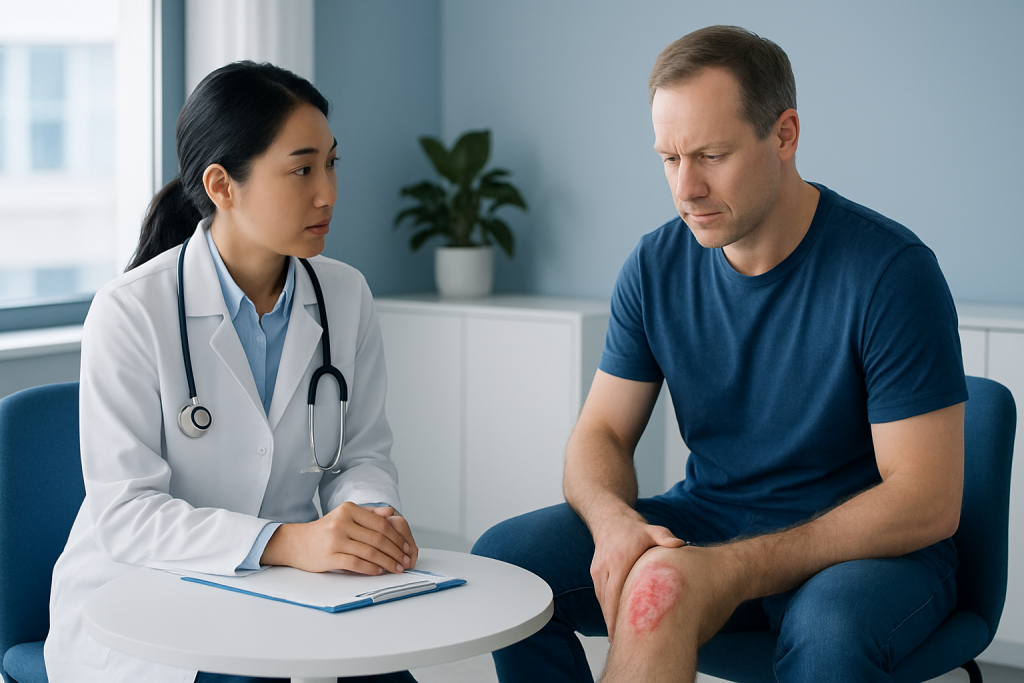
The most common reason for a skin maceration wound is too much moisture trapped against the skin. This can happen when a wound produces a lot of drainage, when a dressing does not absorb well, or when the skin is exposed to sweat, urine, stool, or other fluids for too long. Skin folds, pressure areas, and areas under casts or tight bandages are also vulnerable.
Some people are more likely to develop maceration because their skin is already delicate or healing slowly. Older adults, people with diabetes, those with reduced mobility, and patients with chronic wounds may have a higher risk. Incontinence-associated moisture, heavy perspiration, and poor circulation can also contribute.
Risk can increase when wound care materials are not matched to the amount of drainage. A dressing that is too occlusive may trap moisture, while one that is too small or infrequently changed may let fluid spread onto surrounding skin. In real-world care, especially during travel or transitions between clinics, the simplest supply or technique mismatch can make a large difference.
Diagnosis
Diagnosis is usually made by visual examination and discussion of the wound history. A clinician will look at the skin texture, the amount and type of drainage, the dressing being used, and whether the problem is linked to incontinence, sweating, friction, or an underlying wound such as a pressure injury or surgical incision.
Because maceration can resemble other skin problems, a clinician may also consider dermatitis, infection, allergic reactions to dressings, or pressure-related skin damage. The overall pattern matters: macerated skin is typically wet, soft, and whitish, while other conditions may be more inflamed, painful, or scaly.
In some cases, the exam is enough. If healing is slow or the wound is complex, clinicians may assess circulation, blood sugar control, nutritional status, or signs of infection. For patients traveling internationally for evaluation, photos, dressing descriptions, and a clear timeline of changes can help the specialist make a more accurate assessment.
Treatment Options
Treatment starts with a simple goal: reduce excess moisture and protect the skin barrier. The specific steps depend on the cause. If the wound is draining heavily, a more absorbent dressing may be needed. If the skin is exposed to sweat or body fluids, the area should be cleaned gently and kept dry without over-scrubbing.
Barrier products are often used to shield fragile skin from repeated moisture. These may include skin protectants or barrier films recommended by a clinician. If the maceration is caused by a poorly fitting dressing, the dressing type, size, or change frequency may need to be adjusted. The underlying wound also needs attention, because maceration will usually return if the source of fluid continues unchecked.
Depending on the situation, a care plan may include:
- More absorbent or better-fitted wound dressings
- Barrier creams or films on surrounding skin
- Gentle cleansing and careful drying
- Managing incontinence or sweating
- Treating infection or another wound cause if present
Patients should avoid using harsh antiseptics, scrubbing the area, or changing dressings in a way that strips the skin. The most successful treatment is usually a steady, practical routine rather than aggressive cleaning.
Prevention and Self-care
Prevention is often about noticing moisture early, before the skin becomes fragile. Dressings should be appropriate for the amount of wound drainage, and the surrounding skin should be checked regularly for whitening, softening, or peeling. If the skin starts to look waterlogged, the plan should be reviewed rather than waiting for a larger breakdown.
At home, practical habits can help. Clean the area gently, pat it dry rather than rubbing, and use products recommended by the care team. People with skin folds or incontinence may benefit from more frequent skin checks and moisture control measures. Supportive clothing, breathable fabrics, and regular repositioning can also reduce trapped moisture and friction.
For those recovering while traveling or between appointments, it helps to keep wound supplies organized and to understand the dressing schedule clearly. A written care plan, a list of products used, and photos of the wound over time can make follow-up easier if a doctor in another location needs to review the case. These details are especially useful if care is being coordinated across borders.
When to See a Doctor
Medical review is important if the skin around a wound keeps breaking down, even after moisture is reduced. A clinician should also evaluate the area if there is increasing pain, spreading redness, swelling, warmth, odor, pus, fever, or blackened tissue. These findings may indicate infection or another complication that needs prompt treatment.
It is also wise to seek help if the wound is not improving, if the dressing seems to fail repeatedly, or if the patient is unsure which product is causing irritation. People with diabetes, poor circulation, reduced sensation, or limited mobility should be especially attentive, because small skin changes can progress faster in these groups.
If a person is planning treatment abroad, a wound-care specialist can help determine whether the issue is simple maceration or part of a more complex healing problem. Acibadem Health Point’s multidisciplinary specialists and JCI-accredited hospitals diagnose and treat skin and wound conditions for international patients, with care plans that can be coordinated across visits when needed.
Living With a Healing Wound
Healing skin often needs patience. A macerated wound edge may improve quickly once moisture is controlled, but the surrounding skin can remain sensitive for some time. Consistency matters more than intensity: the right dressing routine, gentle skin care, and timely follow-up usually create the best conditions for recovery.
It can help to think of maceration as a sign that the skin is asking for a different balance, not as a failure. Once the moisture source is addressed, many wounds become easier to manage. If the wound care plan needs to fit around travel, work, or a stay in another country, asking for a clear, written routine can make home care more reliable and less stressful.
For people whose wounds are slow to heal, regular review with a qualified clinician can prevent minor moisture damage from becoming a larger setback. That combination of practical care and follow-up is often what keeps recovery moving in the right direction.
Frequently asked questions
01What is a skin maceration wound?
A skin maceration wound is an area of skin or a wound edge that has become overexposed to moisture and turned soft, pale, and fragile. It often happens around draining wounds, dressings, or skin exposed to sweat or body fluids. The softened skin is easier to break down, so it should be managed early.
02Is macerated skin the same as an infection?
No, maceration is primarily a moisture problem, not an infection. That said, damaged skin can make infection more likely if bacteria enter the area. If redness, heat, pus, odor, or fever develop, a doctor should assess the wound.
03How long does maceration take to heal?
Recovery depends on how quickly the moisture source is controlled and how fragile the skin is. Mild cases may improve fairly quickly once dressings or hygiene routines are adjusted, while more complex wounds can take longer. A clinician can help monitor progress and change the plan if needed.
04Can I treat skin maceration at home?
Mild cases may improve with gentler cleansing, keeping the skin drier, and using the right dressing or barrier product. However, the underlying wound still needs proper assessment, especially if drainage is heavy or the skin is breaking down repeatedly. Home care should follow the advice of a qualified clinician.
05What kind of dressing helps with maceration?
The best dressing depends on how much fluid the wound produces and where it is located. In general, dressings that absorb drainage well and protect the surrounding skin are often preferred. A wound-care professional can choose the most appropriate option for the situation.
06When should someone worry about a macerated wound?
A doctor should be contacted if the skin keeps worsening, if the wound becomes more painful, or if signs of infection appear. It is also important to seek care if the person has diabetes, poor circulation, or another condition that slows healing. Early review can prevent a small moisture problem from becoming a larger wound issue.
This article is for general information only and is not a substitute for professional medical advice. Please consult a qualified doctor about your individual situation.
Explore treatments in Turkey — costs, top hospitals & a free quote
JCI-accredited · board-certified surgeons · reply within 24h
Add us as a Preferred Source to see more of our trusted health content across Google Search, AI Overviews and Discover.