What Is Zit in Ear? A Complete Medical Guide

Key Takeaways
- A zit in ear is often a minor skin problem, not a deep ear infection.
- Picking, squeezing, or inserting objects into the ear can make symptoms worse.
- Pain, drainage, fever, or reduced hearing deserve medical evaluation.
- Warm compresses and gentle hygiene may help mild cases settle.
- People with diabetes, weakened immunity, or frequent ear infections should seek care sooner.
A zit in ear usually refers to a small pimple, blocked pore, or inflamed hair follicle in or around the outer ear canal. Most are minor and improve with gentle care, but persistent pain, swelling, drainage, or hearing changes should be checked by a doctor.
Overview
A zit in ear is a common way of describing a small pimple, blocked pore, or inflamed skin spot on the outer ear or in the ear canal. It can feel tender, itchy, swollen, or “full,” and because the ear canal is narrow, even a small bump can be uncomfortable.
Most of the time, this problem is limited to the skin and the hair follicles lining the outer ear canal. It is usually different from a middle ear infection, which affects the space behind the eardrum. That distinction matters because the best treatment depends on where the inflammation is actually located.
For people deciding whether to wait, treat at home, or arrange a visit while traveling, it helps to think of a zit in the ear the same way one would think of a skin pimple in another sensitive area: simple cases often improve with rest and cleanliness, but the ear should never be poked, squeezed, or “cleaned out” with tools.
Symptoms
The first clue is usually localized discomfort. A person may notice a small bump just inside the ear opening, along the ear canal, or on the outer ear. The spot may be red, tender to touch, or itchy before it becomes painful.
Depending on its size and location, a zit in ear may also cause a feeling of blocked hearing, mild swelling, or sensitivity when wearing earbuds, hearing aids, or glasses. Some bumps drain a small amount of clear, cloudy, or slightly bloody fluid if they open on their own.
- Localized tenderness or pain
- Redness or swelling
- Itching or irritation
- Small visible bump or whitehead
- Mild drainage if the bump breaks open
- Temporary fullness or muffled hearing if swelling narrows the canal
Severe pain, spreading redness, fever, significant drainage, or a noticeable drop in hearing suggests something more than a simple pimple and should be assessed by a clinician.
Causes & Risk Factors

A zit in ear usually begins when a pore or hair follicle becomes blocked by oil, dead skin cells, sweat, or bacteria. The ear canal has delicate skin and small hairs, so it can react quickly to friction, trapped moisture, or minor irritation.
Common triggers include frequent use of earbuds, scratching the ear with cotton swabs, and excess moisture after swimming or showering. Skin conditions such as acne, eczema, or seborrheic dermatitis can also make the ear more prone to inflamed bumps.
Risk can be higher when the skin barrier is irritated or when there is repeated pressure inside the ear. People with diabetes, immune system problems, or a history of outer ear infections should pay closer attention, because a small bump can sometimes progress more easily into a more significant infection.
It is also important to remember that not every painful ear bump is a simple pimple. A boil, infected cyst, insect bite, or outer ear infection can look similar at first, which is why symptoms that keep worsening deserve professional review.
Diagnosis
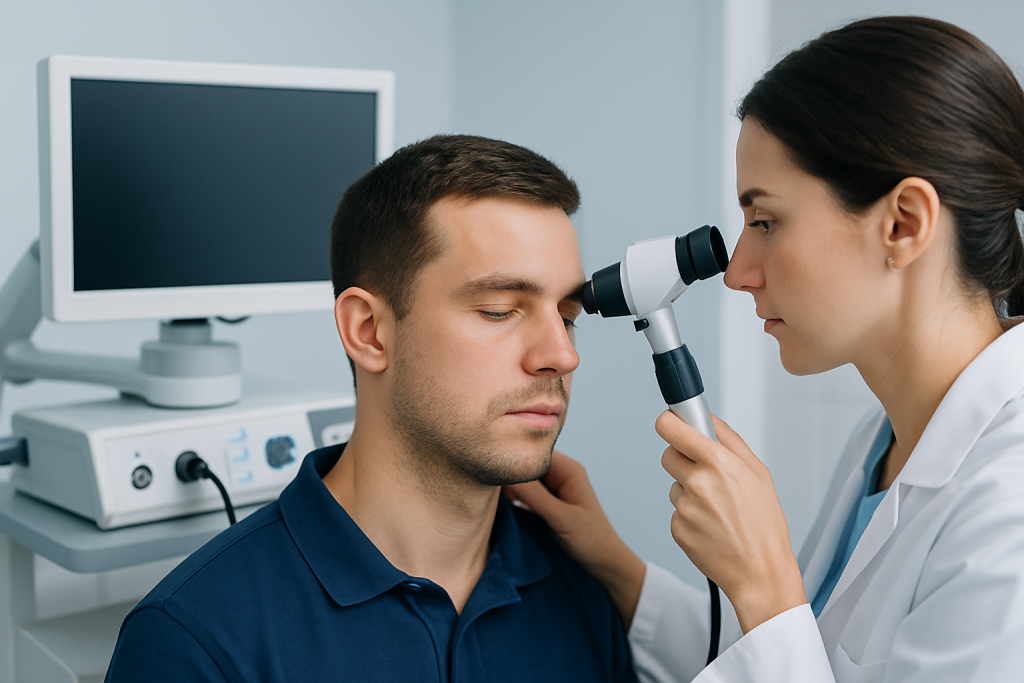
Diagnosis usually begins with a careful look inside and around the ear. A doctor can often tell whether the problem is a pimple, inflamed follicle, cyst, or an outer ear infection by examining the area with an otoscope or similar instrument.
During the visit, the clinician may ask when the pain started, whether the person has had ear drainage, swimming exposure, earbud use, skin problems, or any fever or hearing changes. These details help narrow the cause and guide treatment.
If the bump is unusually large, keeps returning, or appears to be more than a superficial skin lesion, additional evaluation may be needed. In some cases, a culture of drainage or a closer ENT assessment helps determine whether bacteria are involved and whether the eardrum is affected.
For international patients, this kind of assessment is often efficient once they arrive with a clear history of symptoms, prior treatments tried, and any hearing changes noted during travel. Bringing a list of medications and a record of previous ear problems can make the evaluation smoother.
Treatment Options
Most mild zits in the ear improve with conservative care. A warm compress placed gently on the outer ear may reduce discomfort and help the spot drain naturally if it is ready to do so. The goal is comfort and cleanliness, not pressure.
Doctors may recommend topical treatment if the lesion is clearly inflamed or mildly infected. If the area is more swollen, very painful, or spreading, an oral medication may be considered after examination. The exact choice depends on whether the issue is a pimple, a boil, or early otitis externa, and treatment should be tailored by a clinician.
What should not be done is just as important: squeezing, popping, or probing the ear canal can push bacteria deeper, worsen swelling, and injure the skin. Ear drops should only be used when prescribed or advised, especially if there is any chance of a perforated eardrum.
If a cyst, abscess, or more significant infection is present, the ENT specialist may need to drain it or provide targeted treatment. This is usually straightforward when addressed early and is often less bothersome than waiting until the swelling becomes more intense.
Prevention & Self-care
Prevention starts with treating the ear canal gently. Avoid inserting cotton swabs, hairpins, fingernails, or other objects into the ear, since these can scratch the skin and create the perfect opening for a pimple or infection.
Keeping the ears dry after swimming or bathing may help people who are prone to recurrent bumps. Earbuds and hearing devices should be cleaned regularly and fitted comfortably so they do not rub the skin for long periods.
Simple self-care habits can also reduce irritation:
- Use a warm compress for comfort, not heat directly on the skin.
- Do not squeeze, scratch, or attempt to drain the bump.
- Wash the outer ear gently with mild soap and water.
- Remove earbuds or hearing aids for short breaks if the ear feels irritated.
- Manage underlying skin conditions with guidance from a clinician.
For people who travel frequently, a small ear problem can become more irritating on long flights or during hotel stays because of dryness and repeated pressure from headphones. Packing a physician-approved skin cleanser, avoiding self-instrumentation, and seeking care early if swelling grows can prevent a small issue from becoming a trip-disrupting one.
When to See a Doctor
Medical evaluation is a good idea if the bump is very painful, keeps enlarging, or does not improve after a few days of gentle care. A doctor should also review the ear if there is pus, blood, fever, spreading redness, or trouble hearing.
Urgent attention is especially important when the person has diabetes, a weakened immune system, or severe ear pain that seems out of proportion to the visible bump. These features can point to a deeper infection that needs prompt treatment.
It is also sensible to seek help if ear symptoms keep returning, because recurrent bumps may signal an underlying skin condition, chronic ear canal irritation, or repeated trauma from earbuds or cleaning habits. A clinician can help identify the pattern rather than just treating the latest flare.
Acibadem Health Point’s multidisciplinary specialists and JCI-accredited hospitals diagnose and treat ear conditions for international patients, including painful bumps in and around the ear canal, with coordinated ENT evaluation and follow-up care.
Recovery and Outlook
Most uncomplicated zits in the ear settle within a short time once irritation stops and the skin is allowed to heal. Improvement often begins with less tenderness and swelling, followed by gradual resolution of the bump.
Recovery is usually smoother when the ear is left alone. Continued picking, frequent cleaning, or using unadvised drops can slow healing and make the area more inflamed. If antibiotics or other medicines are prescribed, taking them exactly as directed supports a better outcome.
When a bump turns out to be something more than a simple pimple, follow-up matters. A doctor can confirm that swelling has resolved, hearing is normal, and no new infection is developing. That follow-through is especially helpful for patients returning home after treatment abroad, since it gives them a clear plan for local monitoring if needed.
Related Conditions to Know
Several other problems can resemble a zit in ear. An infected hair follicle, an ear boil, a small cyst, or otitis externa can all create a painful bump in the same area. The outer ear can also react to earrings, earbuds, hearing aids, or skin products with contact irritation that looks pimple-like.
Because the ear canal is so narrow, symptoms can overlap. The practical difference is that a true pimple usually stays small and localized, while infections often bring increasing pain, swelling, drainage, and tenderness that spreads beyond one point.
If the appearance is unclear, it is safer to let a clinician examine the ear than to guess. A quick assessment can prevent unnecessary worry and help the person choose the right treatment sooner.
Frequently asked questions
01Is a zit in the ear the same as an ear infection?
Not always. A zit in ear is often a small skin problem involving a pore or hair follicle, while an ear infection may involve the ear canal or the middle ear. Because the symptoms can overlap, worsening pain, drainage, or hearing changes should be evaluated by a doctor.
02Can I pop a pimple in my ear?
It is best not to. Popping or squeezing can push infection deeper, increase swelling, and injure the delicate ear canal skin. Warm compresses and gentle care are safer first steps for a mild bump.
03What does an ear pimple feel like?
It may feel like a tender, itchy, or swollen spot just inside the ear or on the outer ear. Some people notice a blocked or full feeling if the bump narrows the ear canal slightly. If pain is severe or spreading, it may be something more than a simple pimple.
04How long does a zit in ear usually last?
Small bumps often improve within several days with gentle care, but the timing depends on the cause. If the area is getting larger, draining, or not improving, medical review is a good idea. Recurrent bumps should also be checked for an underlying cause.
05Can earbuds cause pimples in the ear?
Yes, they can contribute by trapping moisture, creating friction, or irritating the skin. Cleaning earbuds regularly and giving the ear occasional breaks may help reduce the risk. If symptoms keep coming back, a doctor can check for other causes too.
06When should someone go to an ENT specialist?
An ENT specialist is helpful when the bump is severe, keeps returning, affects hearing, or is not clearly a simple pimple. They can examine the ear canal closely and decide whether medication, drainage, or further testing is needed.
This article is for general information only and is not a substitute for professional medical advice. Please consult a qualified doctor about your individual situation.
Hair transplant in Turkey — costs, graft counts & a free assessment
JCI-accredited · board-certified surgeons · reply within 24h
Add us as a Preferred Source to see more of our trusted health content across Google Search, AI Overviews and Discover.