What Is Rhinoplasty and What Can It Address?

Rhinoplasty is a surgical procedure that changes the shape, size, or internal structure of the nose. It may be performed for cosmetic reasons, to improve airflow, to repair an injury or birth difference, or for a combination of these goals.
What Is Rhinoplasty?
Rhinoplasty is surgery that reshapes the nose. It can alter visible features such as a hump, wide bridge, nasal tip, nostril shape, or overall proportion, and it can also correct internal structures that affect breathing. When people ask what is rhinoplasty surgery, they are usually referring to this planned surgical reshaping of the nose for cosmetic, functional, reconstructive, or combined reasons.
What is rhinoplasty surgery of the nose in practical terms? A surgeon works with the nose’s skin, cartilage, bone, and sometimes the internal divider called the septum to create a result that fits the patient’s facial features and health needs. Rhinoplasty is not a virus or infection; the phrase “what is rhinoplasty virus” reflects a search-term misunderstanding. It is a medical procedure, not an illness.
Is There a Difference Between a Nose Job and Rhinoplasty?
In everyday language, “nose job” and “rhinoplasty” usually mean the same operation. Rhinoplasty is the clinical term used by surgeons, while nose job is an informal term. Either may describe surgery performed mainly to change appearance, mainly to improve airflow, or to address both concerns in one operation.
Some related procedures have more specific names. Septoplasty straightens or repairs a deviated septum, the wall between the two nasal passages, to improve airflow. A rhinoplasty septoplasty, sometimes called septorhinoplasty, combines external nasal reshaping with septal correction. Septoplasty alone may not noticeably change the outside of the nose, whereas a combined operation can address form and function together.
How Rhinoplasty Works and What It Is For

What is rhinoplasty for? The procedure may help a person who is unhappy with the proportion or contour of the nose, has nasal asymmetry after an injury, or has structural narrowing that contributes to blocked airflow. It can also be part of reconstructive care following trauma, prior surgery, or certain congenital differences. The surgeon’s goal is to preserve or improve nasal support while making carefully planned changes.
Rhinoplasty may be performed through a closed approach, in which incisions are made inside the nostrils, or an open approach, which includes a small incision across the tissue between the nostrils. The best approach depends on the anatomy and the extent of correction needed. During surgery, bone or cartilage may be reduced, repositioned, supported, or supplemented with graft material when appropriate.
Results are influenced by factors such as skin thickness, cartilage strength, healing response, facial balance, and whether the patient has had prior nasal surgery. A consultation should focus on achievable improvement rather than absolute symmetry or a copied image, as every nose and face heals differently.
Candidacy and Surgical Planning
Suitable candidates are generally in stable physical health, do not smoke or are able to stop nicotine use as advised, and have realistic expectations about the outcome and recovery. For cosmetic surgery, surgeons commonly wait until facial growth is substantially complete. Adults seeking help for longstanding breathing obstruction, injury-related changes, or previous surgery may also be assessed for functional rhinoplasty.
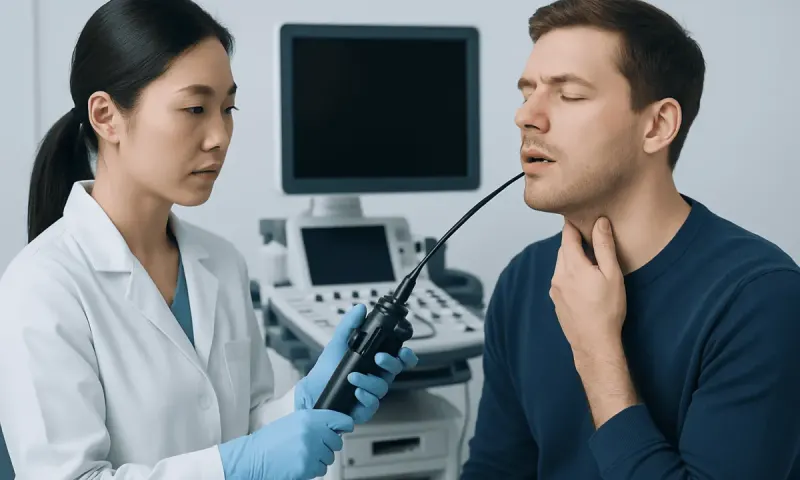
The planning process includes a medical history, examination of the inside and outside of the nose, discussion of breathing symptoms, and review of previous injuries or operations. Photographs may be used for surgical planning and communication. The surgeon may also discuss medicines, supplements, bleeding risk, allergies, sleep apnea, and any conditions that could affect anesthesia or healing; patients should not stop prescribed medication without guidance from the clinician who manages it.
Questions about what is rhinoplasty surgery cost are best answered after an individual assessment. Costs can vary based on the complexity of the procedure, whether functional correction is needed, the surgical setting, anesthesia, testing, and follow-up care. A written treatment plan can help patients understand what is included and make an informed decision.
What Happens During the Rhinoplasty Procedure?
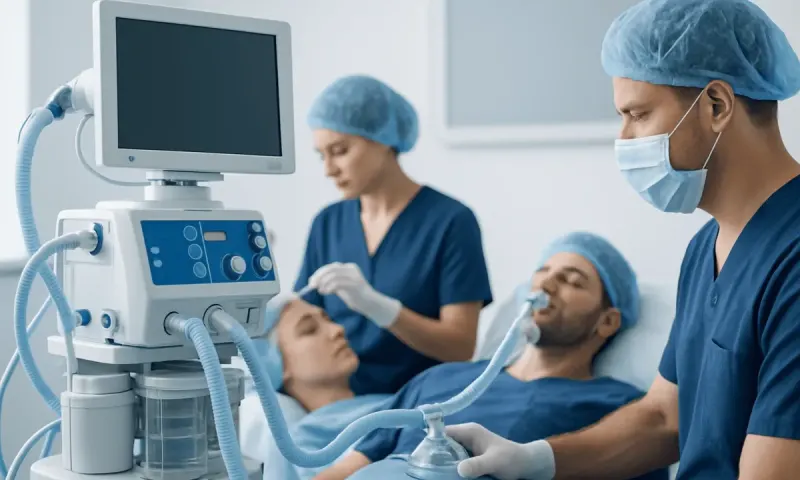
Rhinoplasty is usually performed under general anesthesia or, in selected situations, sedation with local anesthesia. It is often an outpatient procedure, although the care setting depends on the surgical plan and the patient’s health. The operation may take several hours, particularly when substantial functional repair, grafting, or revision work is required.
A typical rhinoplasty procedure follows a planned sequence, although the details differ from person to person:
- The surgeon reviews the planned changes and prepares the nose under sterile conditions.
- Incisions are made using an open or closed approach.
- The skin and soft tissue are carefully lifted when needed to access cartilage and bone.
- Cartilage, bone, or the septum is reshaped, straightened, repositioned, or supported with grafts.
- The incisions are closed, and a temporary external splint or internal support may be placed.
When breathing is a key concern, the surgeon may repair a deviated septum, reduce obstructing tissue when appropriate, or reinforce narrow nasal valves with cartilage support. Cartilage for grafting may come from the septum and, in more complex cases, may be obtained from the ear or rib. The exact plan should be individualized, as excessive removal of support can create later breathing or shape problems.
What Is Rhinoplasty Recovery Like?
In the first days after surgery, patients commonly have swelling, bruising around the eyes, nasal stuffiness, mild bleeding or drainage, and a feeling of pressure. An external splint is often removed after about a week, depending on the surgeon’s plan. Keeping the head elevated, avoiding pressure on the nose, attending follow-up visits, and following instructions on cleaning and activity support safe healing.
Many people return to non-strenuous daily activities and work or school after the early recovery period, but visible bruising and swelling may take longer to fade. Exercise, contact sports, swimming, wearing glasses on the nasal bridge, and activities that raise blood pressure may need to be limited for a period set by the surgical team. Internal swelling can make breathing feel temporarily worse before it improves.
Most major swelling decreases over several weeks to months. However, the nasal tip and finer contours can continue to settle for a year or longer, especially after more extensive surgery or revision rhinoplasty. Follow-up appointments allow the surgeon to monitor healing and respond to concerns early.
When to seek medical care
Patients should contact their surgical team promptly for persistent or heavy bleeding, rapidly increasing swelling, severe or worsening pain, fever or signs of infection, fainting, or breathing difficulty that is not explained by expected congestion. Emergency care is appropriate for severe shortness of breath, chest pain, or symptoms suggesting a serious allergic reaction. A surgeon should also assess any injury to the nose during recovery.
How Long Does Rhinoplasty Last?
Rhinoplasty changes the underlying bone and cartilage, so its structural results are generally long-lasting. Once healing is complete, the new nasal shape does not simply return to its pre-surgery form. However, no procedure can stop natural aging, changes in skin quality, or the effects of a future nasal injury.
Final results should be judged patiently because healing is gradual. Some patients may have small residual asymmetries, scar-related changes, or functional concerns that require further assessment. Revision rhinoplasty is not routine, but it may be considered when there is a significant persistent concern after healing has stabilized, often no sooner than about a year after the first operation unless there is an urgent functional issue.
Is Rhinoplasty Good or Bad?
Rhinoplasty is neither inherently good nor bad; its value depends on whether it is medically appropriate and aligned with a well-informed patient’s goals. Potential benefits include improved nasal balance, correction of injury-related changes, better airflow in selected patients, and relief from a structural concern that affects confidence or daily comfort. A careful assessment helps determine whether surgery is likely to offer meaningful benefit.
Like all surgery, rhinoplasty has risks. These include bleeding, infection, anesthesia-related complications, prolonged swelling, scarring, changes in sensation, asymmetry, dissatisfaction with appearance, breathing problems, septal perforation, and the possibility of needing revision surgery. A board-qualified surgeon can explain which risks are most relevant to the individual anatomy and proposed technique.
How painful is rhinoplasty?
Most patients describe rhinoplasty recovery as pressure, congestion, tenderness, and discomfort rather than severe pain. The first few days are often the most uncomfortable, and clinicians may recommend appropriate pain relief and other measures to manage swelling. Pain that becomes severe, suddenly worsens, or is not relieved as expected should be reported to the surgical team.
For international patients, Acıbadem Health Point’s multidisciplinary specialists at JCI-accredited hospitals can assess nasal appearance and breathing concerns and provide rhinoplasty care when it is appropriate. An in-person consultation remains essential for weighing expected benefits, limitations, alternatives, and recovery needs.
Frequently asked questions
01Can rhinoplasty improve breathing?
It can improve breathing when obstruction is caused by correctable structural issues, such as a deviated septum or narrow nasal valves. Cosmetic reshaping alone does not always improve airflow, so the surgeon should assess both the internal and external nose before recommending surgery.
02What is rhinoplasty septoplasty?
Rhinoplasty septoplasty combines reshaping of the outside of the nose with correction of the nasal septum. It may be considered when a patient wants cosmetic changes and also has structural breathing difficulty related to septal deviation.
03What affects rhinoplasty surgery cost?
The cost depends on factors such as procedure complexity, whether the surgery is primary or revision rhinoplasty, anesthesia, the facility, testing, and follow-up care. An individualized estimate should be provided after a surgeon has examined the patient and developed a treatment plan.
04When can a patient return to exercise after rhinoplasty?
Light walking is often encouraged early, but strenuous exercise is usually delayed to reduce bleeding and swelling risk. The timing depends on the operation and healing progress, so the surgical team's instructions should guide a patient's return to physical activity.
05Are there non-surgical alternatives to rhinoplasty?
Injectable fillers may temporarily camouflage certain contour concerns in carefully selected patients, but they cannot reduce nose size or correct a deviated septum. Nasal filler also carries important risks, including rare blood-vessel complications, and should only be performed by an experienced qualified clinician.
06Can rhinoplasty be repeated?
Yes, revision rhinoplasty can address selected functional or cosmetic concerns after an earlier operation. Because scar tissue and reduced cartilage support can make repeat surgery more complex, surgeons generally allow sufficient time for healing before considering revision unless an urgent issue is present.
This article is for general information only and is not a substitute for professional medical advice. Please consult a qualified doctor about your individual situation.
Explore treatments in Turkey — costs, top hospitals & a free quote
JCI-accredited · board-certified surgeons · reply within 24h
Add us as a Preferred Source to see more of our trusted health content across Google Search, AI Overviews and Discover.