Nasal Septum: Anatomy and Function

Key Takeaways
- The septum is a thin structure that helps divide the nasal passages and support airflow.
- A deviated septum is common and may or may not cause symptoms.
- Persistent blockage, frequent nosebleeds, snoring, or facial pressure can justify an ENT evaluation.
- Diagnosis is usually based on a medical history and nasal examination, sometimes with endoscopy or imaging.
- Treatment ranges from self-care and medicines to septoplasty when symptoms are significant.
The septum is the wall that separates the two sides of the nose, and when it is straight and stable, breathing usually feels effortless. When it is deviated or otherwise affected, it may contribute to congestion, nosebleeds, snoring, or one-sided nasal blockage, especially if symptoms persist.
Overview
The nasal septum is the internal wall that separates the left and right nasal passages. It is made of cartilage in the front and bone farther back, all covered by delicate lining tissue. In a healthy nose, this divider helps air move smoothly and supports the shape of the nose.
People often hear the word septum when discussing a deviated septum, which means the wall is shifted away from the center. A deviation can be present from birth, develop as the face grows, or follow an injury. Many people have some degree of deviation without ever noticing it, while others experience ongoing blockage or irritation that affects sleep, exercise, or comfort when traveling.
For international patients, a septum problem may become most noticeable during a long flight, in a dry climate, or when congestion does not respond to usual remedies. In those moments, the issue is not only anatomy; it is how the anatomy interacts with daily life, breathing habits, and overall nasal health.
Symptoms

Symptoms depend on how far the septum is off-center and whether other nasal conditions are present. Some people have no symptoms at all. Others notice that one side of the nose always feels tighter, especially during a cold, allergy season, or after exercise.
Common complaints may include:
- Persistent nasal blockage on one or both sides
- More trouble breathing through one nostril
- Snoring or noisy sleep
- Nosebleeds, especially when the lining becomes dry
- Facial pressure or a sense of fullness
- Recurrent sinus discomfort in some cases
It is helpful to remember that symptoms do not always come from the septum alone. Allergies, enlarged turbinates, chronic sinus inflammation, or a nasal valve problem can create similar discomfort. This is why an ENT assessment is often more useful than guessing based on appearance alone.
Causes & Risk Factors

A deviated septum can be present from birth, but it is also common for the septum to shift as the nose and face grow. A previous nose injury, sports accident, or fall may also change the alignment of the septum. Sometimes the person remembers the injury clearly; other times the change is noticed later, long after the event.
Risk can be higher in people who have experienced nasal trauma, repeated impacts to the face, or conditions that affect the structure of the nose during growth. However, many cases have no single memorable cause. The important point is that a deviation is not automatically serious; the issue becomes relevant when airflow, sleep, bleeding, or sinus symptoms are affected.
Dry air, frequent nose picking, uncontrolled allergies, and chronic irritation do not usually cause the septum to deviate, but they can make a pre-existing problem feel worse. For someone traveling internationally, a dry cabin environment or sudden climate change may reveal symptoms that were previously mild and easy to ignore.
Diagnosis
Diagnosis usually starts with a conversation about symptoms: when they began, whether they affect one side more than the other, and whether there are triggers such as allergies, colds, or trauma. A doctor will also ask about sleep quality, recurrent infections, nosebleeds, and any previous nasal procedures.
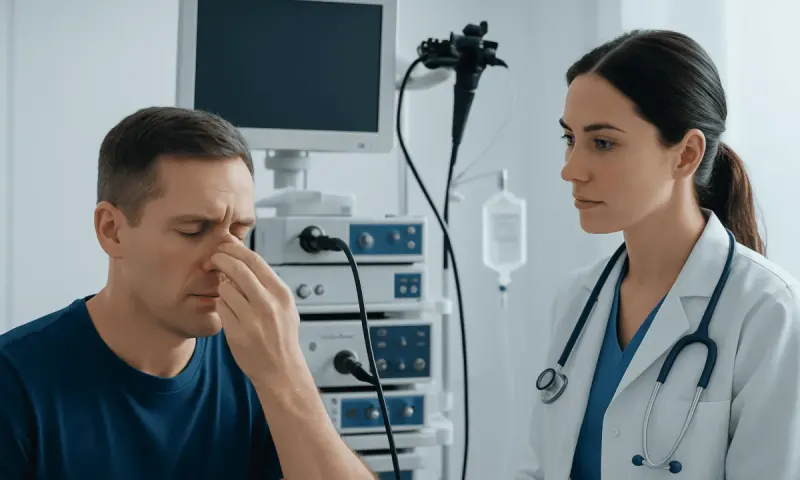
An ENT specialist typically examines the nose using a lighted instrument or nasal speculum. In some cases, nasal endoscopy is used to look deeper inside the passages and identify swelling, structural narrowing, polyps, or other causes of obstruction. If sinus disease, past injury, or a more complex structural issue is suspected, imaging may be recommended.
Good diagnosis is partly about exclusion. A septum can be deviated and still not be the main source of symptoms. Separating structural narrowing from inflammation helps create a plan that is realistic, especially for patients who may need treatment before returning home or coordinating follow-up care across borders.
Treatment Options
Treatment depends on symptom severity and the underlying cause of blockage. When symptoms are mild, doctors may suggest nasal saline rinses, allergy management, or other non-surgical measures to reduce swelling and improve comfort. These approaches do not straighten the septum, but they can make breathing easier if inflammation is contributing.
If the main problem is structural and symptoms remain troublesome, septoplasty may be considered. This operation reshapes the septum so airflow through the nasal passages is improved. In some patients, septoplasty is combined with other procedures, such as treatment for enlarged turbinates, when more than one issue is narrowing the airway.
Recovery is usually individualized. People may need temporary restrictions on strenuous activity, careful nasal hygiene, and follow-up visits to monitor healing. For international patients, planning the timeline matters: they may need enough time after surgery for early review, medication instructions, and a clear handoff for care once they return home.
Possible treatment approaches can include:
- Saline irrigation or spray
- Allergy evaluation and control
- Short-term symptom-directed medicines recommended by a doctor
- Septoplasty for persistent obstruction
- Combined procedures when anatomy and swelling both contribute
Prevention & Self-care
Not every septum problem can be prevented, especially when it develops during growth or after an injury. Still, some habits may help reduce irritation and make symptoms easier to manage. Gentle nasal care is often more useful than aggressive remedies that dry or injure the lining.
Helpful self-care may include keeping the nose moist with saline, using a humidifier in dry environments, drinking enough fluids, and managing allergies as advised by a clinician. People with a history of nasal trauma should also protect the face during sports or activities where impact is possible.
Travelers can prepare for symptom flare-ups by packing saline spray, knowing how to manage cabin dryness, and arranging follow-up instructions before leaving the treating center. After surgery, patients should follow the care plan closely, avoid nose blowing if instructed, and attend review appointments so healing can be checked properly.
When to See a Doctor
Medical evaluation is sensible when nasal blockage lasts for weeks, breathing feels consistently easier on only one side, or snoring and poor sleep are becoming a pattern. Frequent nosebleeds, recurrent sinus symptoms, or a history of facial injury also justify an ENT visit.
Care should be sought sooner if there is severe obstruction after trauma, significant bleeding, fever with sinus pain, or sudden changes in breathing. These symptoms do not always mean something serious, but they deserve a proper examination rather than self-treatment alone.
For people planning treatment abroad, it is especially useful to get a clear diagnosis, understand the likely recovery time, and confirm what follow-up will be needed after returning home. Acibadem Health Point’s multidisciplinary specialists and JCI-accredited hospitals diagnose and treat septum-related conditions for international patients in a coordinated setting.
Frequently asked questions
01What is the septum in the nose?
The septum is the wall of cartilage and bone that separates the two nasal passages. It helps support the nose and guide airflow through both sides. When it is centered, breathing is usually more balanced.
02Does a deviated septum always need treatment?
No. Many people have a deviated septum without meaningful symptoms and do not need surgery. Treatment is usually considered when blockage, nosebleeds, sleep disruption, or repeated sinus symptoms affect daily life.
03Can a deviated septum cause snoring?
It can contribute to snoring by narrowing airflow through the nose, especially if swelling or allergies are also present. Snoring may have several causes, so a full assessment is useful. Treating the nasal blockage may improve symptoms in some people.
04How is septoplasty different from cosmetic nose surgery?
Septoplasty is aimed at improving the internal nasal airway by correcting the septum. It is different from cosmetic surgery, which focuses on the external appearance of the nose, although the two procedures can sometimes be done together.
05What should a patient expect after septoplasty?
Recovery usually involves rest, nasal care, and follow-up visits to monitor healing. Swelling and congestion are common at first, and improvements in breathing may become clearer over time. The exact recovery plan should always follow the surgeon’s instructions.
06Can a septum problem come back after surgery?
Most people do well after septoplasty, but healing varies and symptoms can still be influenced by allergies, swelling, or other nasal conditions. Follow-up care helps the doctor check for these issues and guide further treatment if needed.
This article is for general information only and is not a substitute for professional medical advice. Please consult a qualified doctor about your individual situation.
Explore treatments in Turkey — costs, top hospitals & a free quote
JCI-accredited · board-certified surgeons · reply within 24h
Add us as a Preferred Source to see more of our trusted health content across Google Search, AI Overviews and Discover.