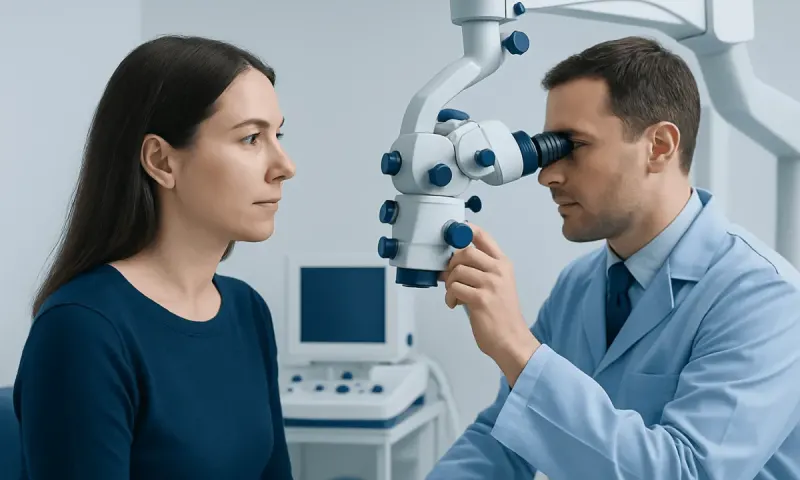
Preservation Rhinoplasty: Reshaping the Nose Gently
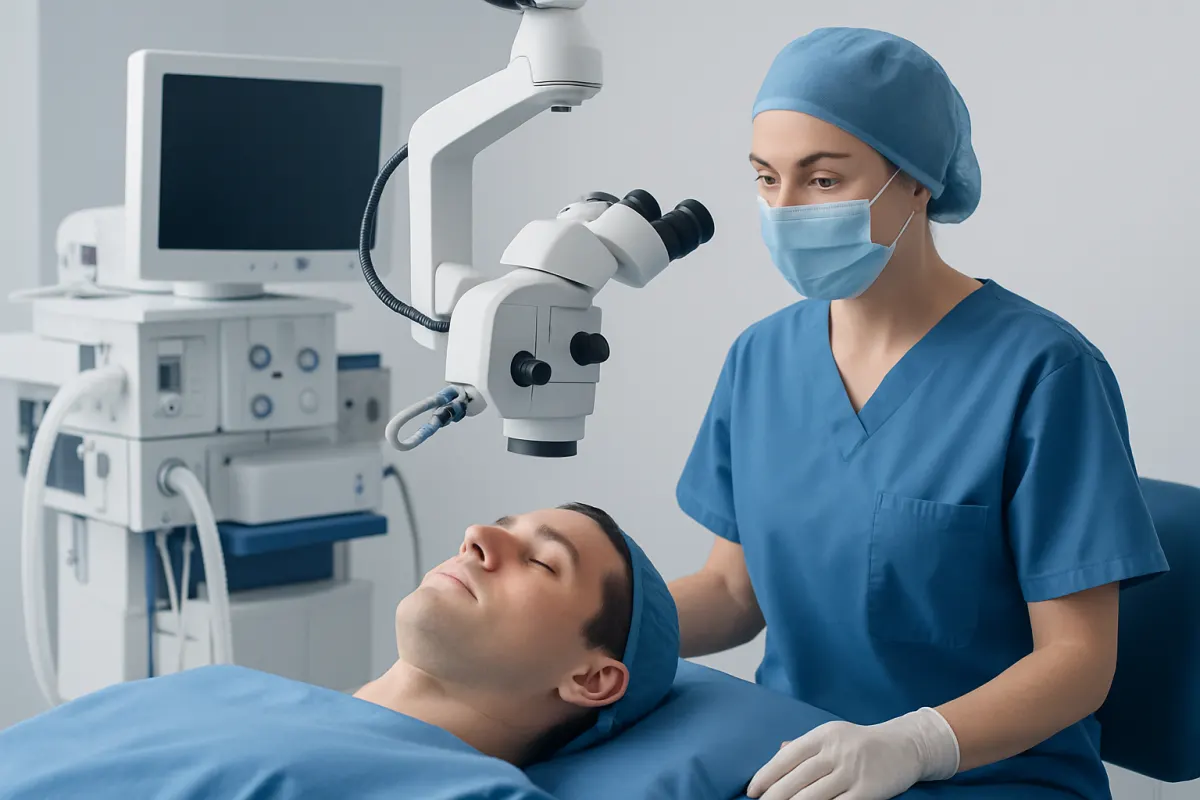
Preservation rhinoplasty is a nose reshaping technique that aims to modify nasal form while retaining more of the nose’s natural supporting structures than some conventional approaches. Suitability, recovery and results vary according to nasal anatomy, breathing concerns, the planned changes and the surgeon’s experience.
Overview: What Is Preservation Rhinoplasty?
Preservation rhinoplasty is a form of nasal reshaping surgery designed to alter the appearance and sometimes the function of the nose while conserving selected natural tissues. Rather than routinely removing the nasal bridge hump and rebuilding it with grafts, the surgeon may reshape or lower the bridge by carefully changing its position. The technique may also seek to preserve ligaments, cartilage connections and soft-tissue layers that support the nasal tip.
The term describes a family of surgical principles, not one identical operation. A surgeon may combine dorsal preservation, tip preservation and other established rhinoplasty methods based on the person’s anatomy and goals. In some cases, conventional structural techniques remain the safer or more predictable choice, particularly when major reshaping, reconstruction or correction of previous surgery is needed.
Like all rhinoplasty, preservation rhinoplasty is highly individualized. A consultation should explore both appearance and breathing, because changing the nasal framework can affect airflow. Photographs, examination and, when indicated, evaluation of the septum and nasal valves help guide an appropriate plan.
How the Technique Works
In conventional hump reduction, a surgeon may remove portions of bone and cartilage from the nasal bridge, then narrow or reconstruct the bridge as needed. In preservation rhinoplasty, the goal may instead be to maintain a smoother, continuous bridge by releasing and repositioning parts of the nasal framework. Depending on the anatomy, the bridge can be lowered using controlled changes to the underlying bone and septum.
Tip work may focus on reshaping and repositioning the existing lower nasal cartilages while maintaining key attachments. This can help retain natural tip movement and support in selected patients. However, preservation does not mean that no cartilage is removed, sutured or grafted. The amount of conservation depends on the specific surgical objective and what is structurally safe.
Operations may be performed through an open approach, with a small incision across the skin between the nostrils, or a closed approach using incisions inside the nostrils. The choice is based on visibility needs, complexity and the surgeon’s approach. Both can be appropriate; neither automatically produces a better result for every person.
Who May Be a Candidate?

Potential candidates include adults who want to refine a dorsal hump, adjust bridge height, improve tip shape or address selected functional concerns while retaining as much natural anatomy as practical. Good candidates are generally in good overall health, have completed most facial growth and have clear, realistic expectations about what surgery can and cannot achieve.
A detailed nasal examination is especially important. The surgeon considers skin thickness, bridge shape, tip cartilage strength, septal deviation, nasal valve function, facial proportions, previous trauma and whether the person has had nose surgery before. A deviated septum can contribute to obstruction and may require treatment alongside cosmetic changes; this is often considered within septoplasty planning.
Preservation rhinoplasty may be less suitable when there is substantial asymmetry, severe structural weakness, significant scar tissue, a markedly crooked nose, extensive trauma or a need for major reconstruction. It may also be less predictable in some revision cases. These factors do not rule out surgery, but they may mean a structural or hybrid technique is more appropriate.
- People should avoid smoking and nicotine products before and after surgery as advised, because they can impair healing.
- Blood-thinning medicines, supplements and herbal products should be reviewed with the surgical team; they should never be stopped without guidance from the prescribing clinician.
- People with uncontrolled medical conditions, active infection or untreated body-image concerns may need further assessment before proceeding.
What Happens During the Procedure?
Before surgery, the surgeon discusses priorities, examines the inside and outside of the nose, reviews medical history and takes standardized photographs. Computer imaging may be used as a communication aid, but it cannot guarantee an exact outcome. The plan should address proportions, symmetry, skin characteristics and safe breathing support rather than aiming to copy another person’s nose.
Preservation rhinoplasty is usually performed under general anesthesia. After making open or closed incisions, the surgeon gently exposes the required structures. The bridge may be lowered or repositioned through planned adjustments to the bone and septum, while the tip may be refined using sutures, selective cartilage modification or support techniques. If airflow is limited by a deviated septum or narrowed internal structures, functional correction may be performed at the same time.
At the end of surgery, incisions are closed and a splint is commonly placed over the nose. Internal splints or soft supports may sometimes be used, particularly if septal work was performed. Most people go home the same day, although discharge arrangements depend on the procedure, anesthesia recovery and individual health needs.
Acıbadem Health Point’s multidisciplinary specialists and JCI-accredited hospitals assess cosmetic and functional nasal concerns and provide rhinoplasty care for international patients.
Preservation Rhinoplasty Recovery and Healing Timeline
Preservation rhinoplasty recovery begins with rest, head elevation and careful adherence to the surgeon’s instructions. Mild to moderate discomfort, congestion, bruising and swelling are common in the first days. A nasal splint is often removed after about one week, although the exact timing varies. People should not blow their nose, wear glasses directly on the bridge or undertake strenuous activity until their surgeon says it is safe.
Many people feel ready to return to desk-based work, school or low-demand daily activities after roughly one to two weeks, depending on bruising, swelling and energy levels. This is a general guide rather than a fixed rule. Exercise, contact sports and activities that could injure the nose require a longer pause and should be restarted only with surgical approval.
Preservation rhinoplasty healing is gradual. Much of the obvious bruising improves within the first few weeks, but residual swelling can remain for several months. Tip swelling and subtle contour changes often settle more slowly, especially in people with thicker skin. The final refinement of the nose may take up to a year or occasionally longer, so early appearance should not be judged as the final result.
Preservation rhinoplasty recovery time also varies if septal correction, grafting or more extensive reshaping was needed. Follow-up appointments allow the surgical team to check healing, remove supports when appropriate and identify concerns early. Patients should use only recommended medicines and nasal care products, as some over-the-counter treatments may not be suitable immediately after surgery.
Benefits, Limits and Possible Risks
For appropriately selected patients, possible benefits include a more natural-looking bridge contour, reduced need for bridge reconstruction and preservation of selected tip-supporting connections. Some surgeons believe these methods can help maintain normal nasal characteristics in suitable cases. However, results depend on anatomy, healing and surgical planning, and preservation techniques do not eliminate swelling, scarring or the usual uncertainties of rhinoplasty.
Every operation has potential risks. These include bleeding, infection, reactions to anesthesia, prolonged swelling, numbness, visible or internal scarring, asymmetry, dissatisfaction with shape, skin healing problems and persistent or new breathing difficulty. Rarely, more serious complications can occur. A qualified surgeon explains the person’s individual risks and the steps used to reduce them.
Small irregularities may become less noticeable as swelling resolves, but some concerns persist. Preservation rhinoplasty revision may be considered when healing is complete and a meaningful functional or aesthetic issue remains. Revision surgery is usually more complex because of scar tissue and altered anatomy, so surgeons commonly recommend waiting until the nose has stabilized unless there is an urgent medical reason to intervene.
It is important to distinguish normal healing from a complication. Increasing pain, rapidly worsening swelling, heavy bleeding, fever, pus-like drainage, skin color changes or a sudden significant change in breathing should be discussed promptly with the surgical team.
Aftercare and When to Seek Medical Care
Aftercare supports safe healing but cannot determine the final shape on its own. Patients should attend scheduled follow-ups, protect the nose from accidental impact, avoid smoking, follow instructions on showering and incision care, and use sun protection once advised. Sleeping with the head elevated during the early recovery period may help reduce swelling. The care team can also advise when glasses, makeup and exercise can be resumed.
When to seek medical care: patients should contact their surgeon or another qualified clinician promptly for persistent heavy bleeding, fever, worsening redness or pain, foul-smelling drainage, severe headache, vision changes, shortness of breath or swelling that worsens suddenly. Emergency care is appropriate for severe breathing difficulty, signs of a serious allergic reaction or uncontrolled bleeding.
For less urgent questions, such as expected congestion, mild swelling or uncertainty about activity restrictions, contacting the surgical office is still advisable. Clear communication helps patients recover with confidence and prevents avoidable complications. A consultation with a board-qualified plastic surgeon or facial plastic surgeon is the best way to determine whether preservation rhinoplasty is a suitable option.
Frequently asked questions
01Is preservation rhinoplasty different from traditional rhinoplasty?
Preservation rhinoplasty aims to retain and reposition selected nasal structures, particularly around the bridge and tip, when anatomy allows. Traditional rhinoplasty may involve more direct removal and reconstruction of bone and cartilage. In practice, many operations use a tailored combination of preservation and structural methods.
02How long is preservation rhinoplasty recovery?
Most people can often return to low-demand daily activities in about one to two weeks, although bruising and visible swelling may last longer. Strenuous exercise and any risk of nasal impact need to be avoided for longer according to the surgeon’s instructions. Full healing and final contour refinement commonly take many months.
03Does preservation rhinoplasty improve breathing?
It can improve breathing when the surgery includes treatment for a deviated septum, nasal valve narrowing or another structural cause of obstruction. Cosmetic reshaping alone does not automatically improve airflow. Nasal function should be assessed before surgery and monitored afterward.
04Is preservation rhinoplasty less invasive?
The technique may conserve more of certain native structures, but it is still a surgical procedure performed under anesthesia and requires a similar commitment to preparation and recovery. The extent of surgery depends on the changes needed. It should not be viewed as risk-free or necessarily suitable for every patient.
05When will preservation rhinoplasty results look final?
The nose usually looks substantially improved after early bruising and swelling settle, but subtle swelling can continue to change the shape for months. The tip often takes the longest to define. Surgeons commonly assess final results at around one year, sometimes longer after complex surgery.
06Can preservation rhinoplasty be revised?
Yes, revision may be possible if a significant cosmetic or functional concern remains after healing. Because revision surgery involves scar tissue and altered support structures, it is generally more complex than first-time surgery. Unless there is an urgent problem, the surgeon may recommend waiting until healing is complete before deciding on another procedure.
This article is for general information only and is not a substitute for professional medical advice. Please consult a qualified doctor about your individual situation.
Joint and spine care in Turkey — expert assessment & treatment
JCI-accredited · board-certified surgeons · reply within 24h
Add us as a Preferred Source to see more of our trusted health content across Google Search, AI Overviews and Discover.