How Can You Remove Varicose Veins?
Varicose veins can be removed or closed through clinician-guided treatments including sclerotherapy, minimally invasive thermal or adhesive procedures, and surgery in selected cases. Home measures cannot remove existing damaged veins, but they may ease symptoms and help limit progression.
Overview: how can you remove varicose veins?
Varicose veins can be removed or closed with medical treatment after an assessment of the leg veins. Common options include sclerotherapy injections, catheter-based heat treatment, medical adhesive closure, and, less commonly, surgery. Once an unhealthy vein is closed or removed, blood is redirected through healthier veins.
Many people seek treatment because veins are uncomfortable, affect appearance, or are associated with swelling, itching, heaviness or skin changes. Treatment is individualized: some veins need only symptom management, while others benefit from a procedure. A clinician with experience in venous disease can explain which approach is appropriate after examining the legs and, when needed, performing an ultrasound.
Varicose veins are enlarged, twisted superficial veins, most often on the legs. They differ from spider veins, which are smaller red, blue or purple vessels close to the skin surface. Both can be treated, but the best method depends on their size, location and underlying blood-flow pattern.
What causes varicose veins and who is at risk?
The two main causes of varicose veins are weakened or damaged one-way valves inside the leg veins and increased pressure in those veins. Normally, valves help blood return upward to the heart against gravity. When valves do not close fully, blood can flow backward and pool, stretching the vein walls over time.
Family history is an important risk factor. Varicose veins are also more likely with increasing age, pregnancy, hormonal changes, excess body weight, and jobs or routines involving prolonged standing or sitting. Previous blood clots, leg injury and reduced mobility can also affect venous circulation in some people.
Having risk factors does not mean a person will develop serious vein disease. However, new symptoms, one-sided swelling or noticeable skin changes merit medical evaluation. Varicose veins are part of a broader group of circulation problems sometimes described as chronic venous disease.
Assessment and treatment planning
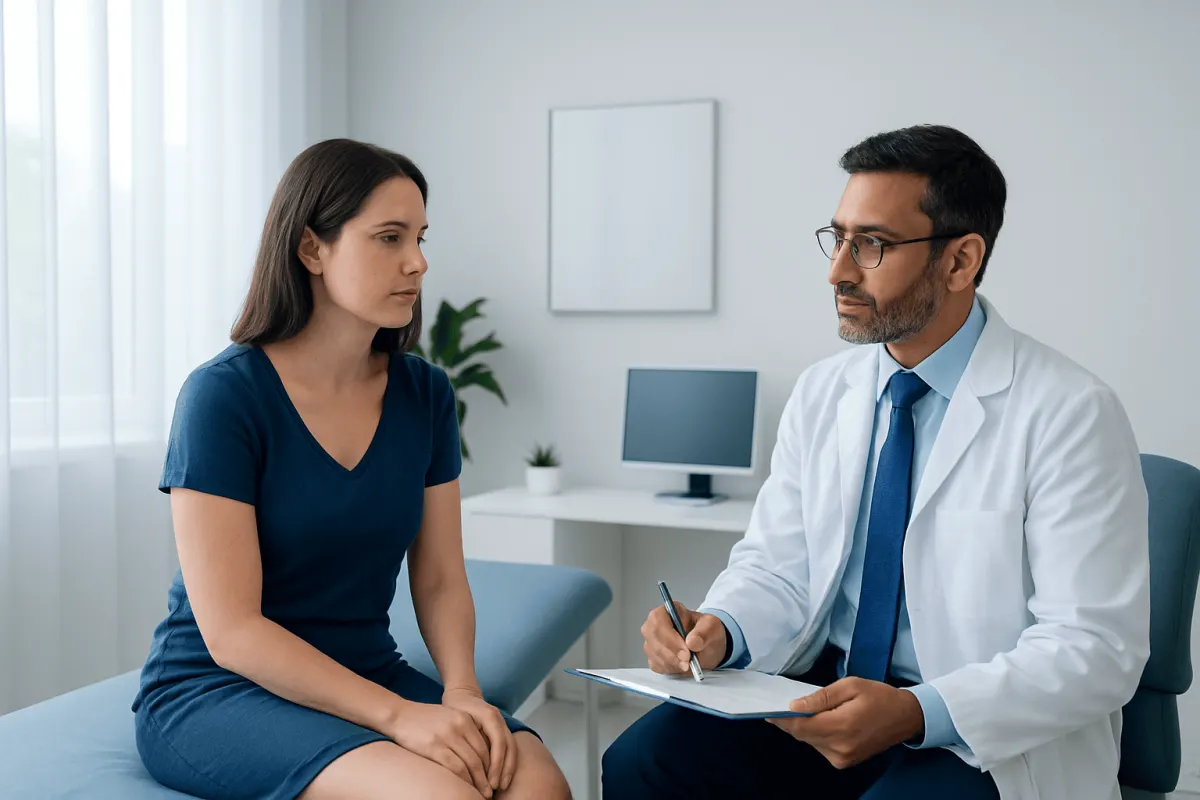
A clinician usually begins by asking about symptoms, medical history, pregnancy history, prior clots, medicines and family history. They examine the legs while the person is standing and look for enlarged veins, ankle swelling, skin discoloration, eczema-like changes, healed wounds or ulcers.
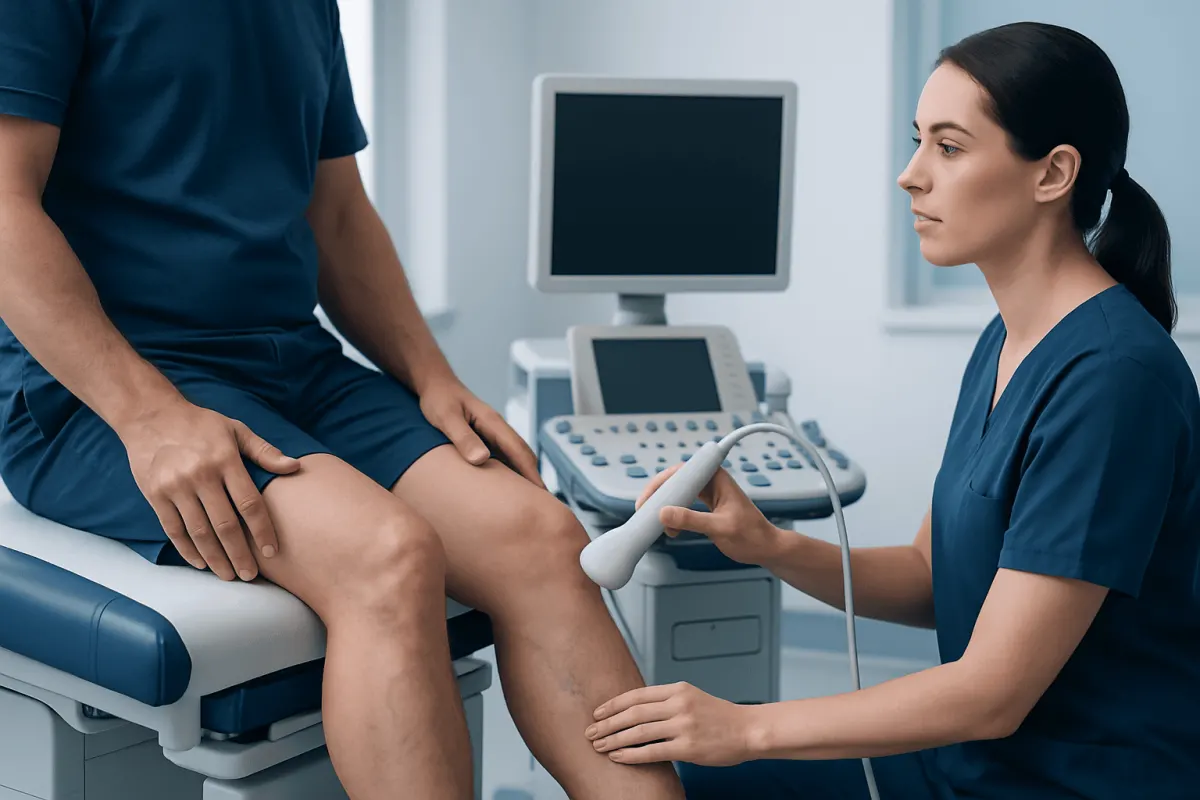
Duplex ultrasound is commonly used when treatment is being considered or when symptoms suggest deeper vein involvement. This painless test combines images with blood-flow information. It can show whether superficial-vein valves are leaking and helps rule out or identify problems in the deep veins.
Not every visible vein requires removal. The decision should take account of symptoms, the ultrasound findings, skin health, personal preferences and any medical conditions that could affect procedural safety. During pregnancy, procedures are commonly postponed unless there is a specific urgent reason, while supportive measures may be recommended.
Medical options to remove or close varicose veins
For larger symptomatic varicose veins, a minimally invasive procedure is often considered first. Endovenous thermal ablation uses a thin catheter to deliver laser or radiofrequency energy inside an affected vein, sealing it closed. Medical adhesive closure and some non-thermal catheter techniques may be alternatives for selected veins and patients.
Sclerotherapy involves injecting a solution or foam into a vein to irritate its lining so it closes and gradually fades. It is often used for smaller varicose veins and may also be used after treatment of an underlying refluxing vein. It can be an option for people wondering how they can remove spider veins, although repeated sessions may sometimes be needed.
Ambulatory phlebectomy removes selected surface varicose veins through very small skin openings, usually with local anesthetic. Surgical ligation and stripping are now less commonly used but may still be appropriate when anatomy is complex or minimally invasive techniques are unsuitable. Varicose vein treatment should be planned by a qualified vascular specialist, who can discuss likely benefits, recovery, possible bruising or tenderness, pigmentation changes, clot-related risks and the possibility of future veins developing.
Closing a problematic superficial vein does not deprive the leg of needed circulation. The body has many veins, and the treatment plan is designed to preserve effective blood return through healthy pathways. Follow-up may include symptom review, ultrasound in some cases, and advice about activity or compression after a procedure.
Can I remove varicose veins myself?
No. A person should not try to cut, puncture, tie off or inject a varicose vein themselves. These actions can cause heavy bleeding, infection, scarring, skin injury or a blood clot, and they do not address the underlying problem with blood flow.
Over-the-counter creams, supplements and massage devices also cannot remove a dilated vein or repair faulty valves. Massage should be avoided over a painful, hot, red or suddenly swollen area until a clinician has evaluated it, because these symptoms may have causes that need prompt attention.
Safe self-care can support comfort while someone is awaiting assessment or using conservative management. This can include regular walking, avoiding long periods in one position, elevating the legs when resting, and discussing properly fitted compression stockings with a healthcare professional. Compression is not appropriate for everyone, particularly people with certain arterial circulation problems.
Can you remove varicose veins naturally?
There is no proven natural remedy that can remove established varicose veins or permanently restore damaged vein valves. Lifestyle measures may help someone asking how they can get rid of varicose veins naturally by reducing symptoms and lowering strain on the leg veins, but they should not be presented as a cure.
Regular low-impact movement, such as walking, cycling or swimming, supports calf-muscle pumping and circulation. Maintaining a weight that is appropriate for the individual, eating a balanced diet with adequate fiber, and avoiding prolonged standing or sitting may also be helpful. During travel or desk work, taking regular movement breaks can reduce stiffness and pooling.
Leg elevation can reduce temporary swelling and heaviness for some people. Compression stockings may improve symptoms when correctly selected, but they do not make existing bulging veins disappear. Herbal products and supplements may interact with medicines or be unsuitable during pregnancy or with certain health conditions, so a clinician or pharmacist should be consulted before use.
Is it a good idea to remove varicose veins?
Removing or closing varicose veins can be a good option when they cause persistent symptoms, recurrent inflammation, bleeding, troublesome skin changes, ulcers, or significant cosmetic concern. For many people, treatment improves heaviness, aching, swelling or itching and can help address complications related to abnormal superficial-vein blood flow.
It is not always necessary to treat veins that are not causing symptoms or skin problems. A clinician can help balance the expected benefit against the person’s overall health, ultrasound results, treatment preferences and the small but real risks of procedures. New veins can develop later because the tendency toward valve weakness may remain.
People considering treatment should ask what vein is causing the visible bulging, whether an ultrasound is needed, what recovery involves, and whether more than one session may be required. Acıbadem Health Point’s multidisciplinary specialists and JCI-accredited hospitals diagnose and treat venous conditions for international patients.
When to seek medical care
Non-urgent medical advice is appropriate for persistent leg aching, heaviness, itching, swelling, worsening visible veins, brownish skin discoloration around the ankles, or a rash near a varicose vein. Assessment is also sensible before starting Treatment Options" class="ahp-ilk">compression therapy or choosing a cosmetic vein procedure.
Prompt medical care is important for sudden swelling of one leg, new severe calf pain, warmth or redness, a hard tender vein, unexplained shortness of breath, chest pain, or coughing up blood. These symptoms can have different causes, including conditions requiring urgent assessment.
A varicose vein that bleeds should be managed with direct pressure and leg elevation while urgent medical help is arranged, especially if bleeding does not stop quickly. A sore or open wound near the ankle, particularly one that is slow to heal, should also be evaluated without delay.
Frequently asked questions
01How can you get rid of varicose veins permanently?
A treated vein can be permanently closed or removed with procedures such as endovenous ablation, sclerotherapy, phlebectomy or, in some situations, surgery. However, treatment does not remove a person’s underlying tendency to develop vein valve problems, so new varicose veins may appear elsewhere over time.
02How can you treat varicose veins at home?
At home, regular walking, movement breaks, leg elevation and avoiding long periods of standing or sitting can help reduce discomfort and swelling. Properly fitted compression stockings may also help some people, but home care does not remove existing varicose veins and compression should be discussed with a clinician when there are circulation concerns.
03How can you reduce varicose veins without a procedure?
Lifestyle steps can reduce symptoms and may slow worsening, particularly regular physical activity, weight management where appropriate, and avoiding prolonged inactivity. They generally cannot make large, established veins disappear; a medical procedure is needed if removal or closure is the goal.
04How can you cure varicose veins?
There is no single cure that prevents all future varicose veins, because inherited and age-related valve weakness can continue to influence vein health. Individual diseased veins can be effectively treated, and supportive habits can help manage symptoms and reduce venous pressure.
05How can you remove spider veins?
Spider veins can often be treated with sclerotherapy, while laser or light-based treatment may be used in selected cases. A qualified clinician should first determine whether larger underlying veins are contributing, especially when spider veins occur with leg symptoms.
06Are varicose vein procedures painful?
Most modern procedures are minimally invasive and use local anesthetic, so people may feel pressure, brief discomfort or warmth rather than significant pain. Mild bruising, tenderness or a pulling sensation can occur afterward, and the treating clinician can explain expected recovery and symptom relief options.
This article is for general information only and is not a substitute for professional medical advice. Please consult a qualified doctor about your individual situation.
Explore treatments in Turkey — costs, top hospitals & a free quote
JCI-accredited · board-certified surgeons · reply within 24h
Add us as a Preferred Source to see more of our trusted health content across Google Search, AI Overviews and Discover.