

What Is Pec Implants? A Complete Medical Guide

Key Takeaways
- Pec implants are used to improve chest shape and definition, not to treat chest pain or breast conditions.
- They are usually considered by people with naturally flat chest contours, chest asymmetry, or changes after injury or surgery.
- Careful assessment is important because body shape, skin quality, and health history affect the safest option.
- Recovery involves temporary activity limits, swelling, and follow-up visits to monitor healing.
- As with any surgery, risks exist, including infection, shifting, scarring, and dissatisfaction with appearance.
- A qualified plastic surgeon can help compare implants with alternatives such as exercise, fat transfer, or no treatment.
Pec implants are surgically placed implants designed to enhance the shape and projection of the chest, most often for men seeking a fuller, more defined pectoral contour. This guide explains who they may suit, how the procedure is planned, what recovery can feel like, and when to seek medical advice.
Overview
Pec implants are a type of cosmetic surgery in which a surgeon places a shaped implant beneath the skin and often beneath or beside the chest muscle to create a more prominent pectoral contour. They are most commonly used in men who want a firmer, more athletic-looking chest, although the exact reason for treatment can vary from person to person.
The procedure is different from breast implants used in breast augmentation. Pec implants are designed to add structure and definition to the chest wall, and the final result depends on the person’s natural anatomy, skin elasticity, implant size, and surgical technique. For some patients, the decision is tied to longstanding body-image concerns; for others, it follows chest asymmetry, underdevelopment, or contour changes after trauma or medical treatment.
Because this is an elective operation, good planning matters. A surgeon will usually discuss what can realistically be achieved, where the implant would sit, and whether another option might better match the person’s goals. For international patients, this conversation often also includes how to arrange pre-operative testing, travel timing, and follow-up after returning home.
Symptoms and Reasons People Consider Pec Implants
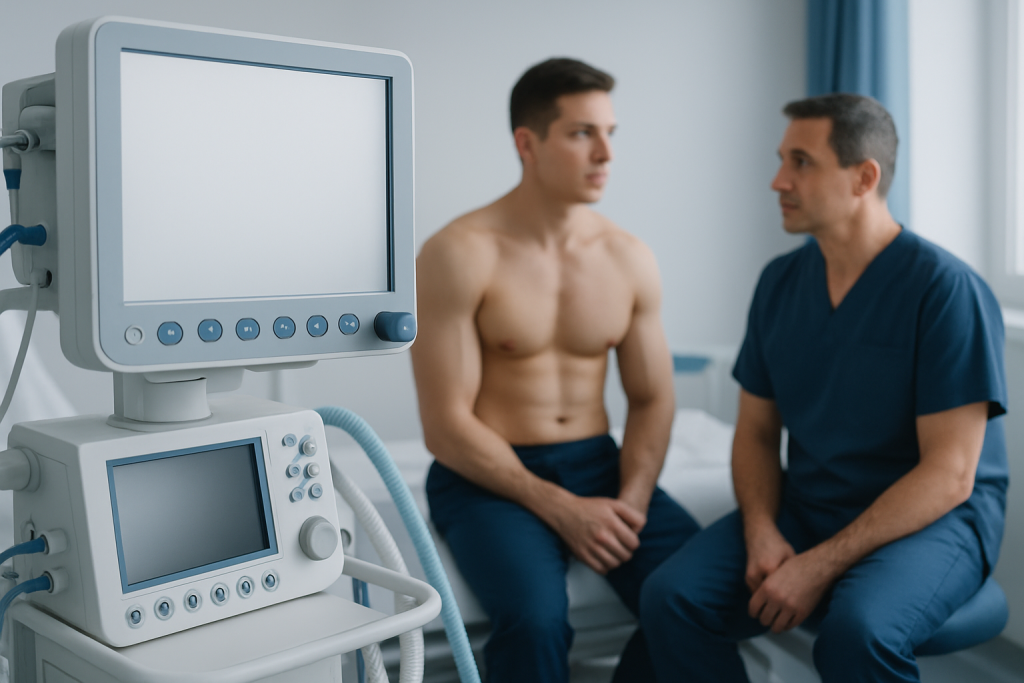
Pec implants are not used to treat a disease with classic medical symptoms. Instead, they are considered when a person feels that the chest shape does not match their goals or proportions. Some people describe a flat upper body despite regular strength training, while others notice a visible difference between the two sides of the chest.
Common reasons for seeking this procedure include naturally limited chest volume, pectoral asymmetry, chest deformity after injury, or changes following surgery. In some cases, a person may have well-developed body muscles but still feel the chest lacks definition in certain areas, especially along the inner or upper chest.
The emotional side of the decision matters as much as the physical one. A patient may be motivated by clothing fit, confidence in social settings, or a wish to feel more balanced overall. A careful consultation should explore these expectations openly, because surgery can improve contour, but it cannot change every concern a person may have about body image or self-esteem.
Causes and Risk Factors

There is no single cause for seeking pec implants. The underlying reason is usually a combination of anatomy, genetics, lifestyle, and personal preference. Some individuals have a naturally narrow chest or limited pectoral bulk that does not respond strongly to exercise, even with consistent training.
Certain medical or physical factors may also influence the need for a more detailed assessment. These include chest wall differences, previous chest surgery, scar tissue, past trauma, or conditions that affect symmetry. A surgeon may also consider whether someone has enough soft tissue coverage to make the implant look natural and to reduce the chance of visible edges.
Risk factors for a less predictable outcome include smoking, poor wound healing, uncontrolled chronic illness, and unrealistic expectations about appearance. People with a history of keloid scarring, repeated skin infections, or major fluctuations in body weight may also need extra planning before surgery is considered appropriate.
Diagnosis and Pre-Surgical Evaluation
There is no imaging test that “diagnoses” a need for pec implants. Instead, the evaluation is based on consultation, physical examination, and a discussion of goals. The surgeon will assess chest width, muscle symmetry, skin quality, body fat distribution, and how the chest moves when the arms are raised or the muscles are flexed.
Medical history is just as important. The team may ask about prior operations, allergies, medications, bleeding problems, smoking, and any heart, lung, or metabolic conditions that could affect anesthesia or healing. If a patient is traveling from abroad, it is helpful to share recent medical records and any imaging ahead of time so the treatment plan can be designed efficiently.
During this stage, the surgeon may explain where the implant would be placed, what type of incision is typically used, and how the result might look in different body positions. Some people are better suited to fat transfer or non-surgical body-contouring strategies, and a thoughtful evaluation should include those alternatives before any operation is scheduled.
Treatment Options
The main treatment is surgical placement of a pectoral implant. The implant is usually made of a solid, flexible silicone material that is shaped to match the chest outline. It is placed through an incision that is planned to be as discreet as possible, often along the underarm or near a natural crease, depending on the surgeon’s approach and the patient’s anatomy.
During surgery, the implant is positioned to create the desired fullness and contour. The operation may be done under general anesthesia, and many patients go home the same day or after a short observation period. The exact technique varies based on whether the goal is a subtle enhancement, correction of asymmetry, or reconstruction after tissue loss.
Not everyone needs or wants an implant. Alternatives may include targeted training, nutritional support, fat grafting in selected cases, or simply no intervention if the concern is mild. The best choice depends on how much shape change is desired, how much natural tissue is available, and whether the patient prefers a reversible versus permanent approach.
It is also important to understand possible limitations. Pec implants can improve contour, but they do not create actual muscle strength. A patient who expects the chest to look completely identical to a bodybuilding pose should discuss realistic outcomes carefully with the surgeon before deciding on surgery.
Recovery, Follow-Up, and Self-Care
Recovery after pec implant surgery usually involves swelling, tightness, and soreness in the chest and upper arms for a period of time. These sensations are common early on and gradually improve as tissues settle. The surgeon may recommend limited arm movement at first, especially avoiding heavy lifting, intense chest exercise, or sudden stretching.
Follow-up visits are part of the healing process. The care team checks the incision, swelling pattern, implant position, and overall recovery. Patients who travel for surgery often need a plan for local wound care, medication review, and the timing of follow-up once they return home, so that healing can be monitored without interruption.
Helpful self-care usually includes wearing any recommended support garment, keeping incision areas clean and dry as instructed, avoiding smoking, and maintaining good hydration and nutrition. Gentle walking is often encouraged to support circulation, but activity should always follow the surgeon’s timeline rather than a general fitness schedule.
Recovery is also a good time to stay alert for changes that do not fit the expected pattern. Increasing redness, fever, worsening pain, unusual swelling, fluid drainage, or a sudden change in implant shape should be reported promptly to the surgical team.
Possible Risks and Complications
As with any surgery, pec implants carry risks. These may include infection, bleeding, fluid collection, scarring, temporary numbness, and dissatisfaction with the final appearance. Some people may also experience implant shifting, unevenness, or a result that feels too large or too subtle for their preferences.
Less common but important concerns can involve implant displacement, capsular contracture, poor wound healing, or the need for revision surgery. A careful surgical plan and experienced technique can help reduce risk, but they cannot remove it entirely. This is why informed consent and detailed pre-operative discussion are essential.
Body image outcomes deserve attention too. Surgery can improve contour, but it is not a cure for distress related to appearance. If a person has a history of severe anxiety about body shape or difficulty maintaining realistic expectations, the surgeon may suggest additional counseling or a slower decision-making process before moving ahead.
When to See a Doctor
A person considering pec implants should speak with a qualified plastic surgeon rather than relying only on online images or social media examples. An in-person or video consultation can help determine whether the chest anatomy is suitable, whether there are safer alternatives, and what kind of outcome is reasonable for that body type.
After surgery, medical advice should be sought if there is fever, increasing redness, severe pain, unexpected swelling, drainage from the incision, shortness of breath, or a sudden change in chest shape. These signs do not always indicate a major problem, but they do need prompt assessment.
For international patients, the most practical path is often one with clear pre-operative planning, written recovery instructions, and a defined follow-up schedule before travel is booked. Acibadem Health Point’s multidisciplinary specialists and JCI-accredited hospitals can diagnose and treat this condition for international patients, with coordinated care that supports both surgery and recovery.
Frequently asked questions
01What are pec implants used for?
Pec implants are used to improve the shape and projection of the chest. They are most often chosen for cosmetic enhancement, chest asymmetry, or contour changes after injury or surgery. They do not increase muscle strength or replace exercise.
02Are pec implants the same as chest muscle?
No. Pec implants add volume and contour, but they do not function like natural muscle tissue. They can create a fuller appearance, while muscle strength still depends on training and overall physical conditioning.
03Who is a good candidate for pec implants?
A good candidate is usually someone in good general health who has realistic goals and enough tissue coverage for the implant to look natural. A surgeon will also consider skin quality, chest shape, past surgeries, and healing factors such as smoking or uncontrolled medical conditions.
04How long does recovery take?
Recovery varies from person to person, but many people need several weeks before returning to heavier activity. The chest may feel tight or sore at first, and exercise involving the upper body is usually reintroduced gradually under the surgeon’s guidance.
05Can pec implants be removed later?
Yes, they can be removed or replaced if needed. Reasons may include discomfort, implant position changes, a change in cosmetic preference, or a surgical complication. Any decision about removal should be made with a qualified surgeon.
06Will pec implants look natural?
They often can look natural when the size, shape, and placement are matched carefully to the person’s anatomy. Results depend on body proportions, skin thickness, and the surgeon’s technique, so consultation is important for setting realistic expectations.
This article is for general information only and is not a substitute for professional medical advice. Please consult a qualified doctor about your individual situation.
Explore treatments in Turkey — costs, top hospitals & a free quote
JCI-accredited · board-certified surgeons · reply within 24h
Add us as a Preferred Source to see more of our trusted health content across Google Search, AI Overviews and Discover.


