7 Weeks Pregnant Symptoms: Signs, Causes and When to See a Doctor

Key Takeaways
- Symptoms at 7 weeks pregnant often include nausea, tiredness, breast changes, and heightened smell or food aversions.
- Hormonal shifts are the main reason early pregnancy feels different, and symptoms can vary widely from one person to another.
- Mild cramping or spotting can happen, but heavy bleeding, severe pain, or one-sided pain should be assessed by a doctor.
- There is no single ‘right’ symptom pattern; some pregnancies are very symptomatic and others are not.
- Early prenatal care helps confirm the pregnancy, estimate gestational age, and support the pregnancy through the first trimester.
At 7 weeks pregnant, many people notice symptoms such as nausea, breast tenderness, fatigue, food aversions, and more frequent urination. These changes are usually driven by normal early pregnancy hormones, but certain symptoms deserve prompt medical attention.
Overview
At 7 weeks pregnant, many people begin to feel that pregnancy is no longer just a test result or a missed period. The most common 7 weeks pregnant symptoms include nausea, fatigue, breast tenderness, frequent urination, bloating, mood changes, and new food dislikes or cravings. Some people notice all of these, while others feel only a few or almost none.
This stage is still very early in the first trimester, so the body is adjusting quickly to rising pregnancy hormones, especially hCG and progesterone. Those shifts support the pregnancy, but they also explain why early pregnancy can feel surprisingly intense. For many people, the experience is uncomfortable rather than dangerous, and symptoms often become clearer over the next few weeks.
Knowing what is common at 7 weeks can make the experience less confusing, especially for anyone traveling for care or arranging an early prenatal visit from another country. A qualified doctor can confirm that the pregnancy is developing as expected and help distinguish ordinary first-trimester symptoms from signs that need closer review.
Common Symptoms at 7 Weeks Pregnant
Nausea is one of the best-known early pregnancy symptoms, and it may occur with or without vomiting. It often appears in the morning but can happen at any time of day. Some people also find that strong smells, coffee, certain foods, or even brushing the teeth triggers gagging or discomfort.
Fatigue is another frequent complaint at this point. The body is building a placenta, adapting to hormonal changes, and supporting increased blood flow, all of which can leave a person feeling unusually tired. Breast changes are also common, including tenderness, fullness, tingling, or darkening of the areolas.
Other symptoms may include:
- More frequent urination
- Bloating or a feeling of fullness
- Mild lower abdominal cramping
- Constipation
- Heightened sense of smell
- Mood swings or tearfulness
- Light spotting in some cases
Not every symptom at 7 weeks is dramatic. Some people only notice that their period is late and feel a little different, while others feel unwell throughout the day. Variation is normal, and symptom intensity does not reliably predict whether a pregnancy is healthy.
Why These Symptoms Happen
The main reason early pregnancy feels so different is hormonal change. Human chorionic gonadotropin, or hCG, rises rapidly in early pregnancy and is associated with nausea in many people. Progesterone also increases, which helps maintain the pregnancy but can slow digestion, contributing to bloating, constipation, and a “heavy” feeling in the abdomen.
At the same time, the body is increasing blood volume and changing how the breasts, kidneys, and digestive system function. These changes can make a person feel warmer, more tired, or more aware of the need to urinate. Emotional changes are also common because hormones, uncertainty, and sleep disruption can affect mood and concentration.
Symptoms are influenced by more than hormones alone. A person’s history of previous pregnancies, baseline health, stress level, eating patterns, and whether they are carrying twins or more can all shape how the first trimester feels. That is why one pregnancy may be quiet while another feels physically demanding from very early on.
Symptoms That Can Be Normal and Symptoms That Need Attention
Some discomforts are commonly seen in early pregnancy and are often not harmful on their own. Mild cramping, light spotting, mild nausea, and breast soreness can occur as the uterus and hormones change. These symptoms may come and go, and they can be especially noticeable after activity, dehydration, or long periods without food.
However, pregnancy symptoms should never be ignored if they become severe or unusual. Heavy bleeding, strong abdominal pain, pain on one side, shoulder pain, fainting, fever, or persistent vomiting that prevents fluids from staying down need prompt medical assessment. These symptoms can have several causes, and some require urgent treatment.
It is also wise to check in with a doctor if nausea is interfering with daily life, if cramping is getting worse, or if there is uncertainty about how far along the pregnancy is. Early review can provide reassurance and help catch problems such as dehydration, infection, miscarriage, or an ectopic pregnancy if needed.
How Doctors Confirm What Is Happening
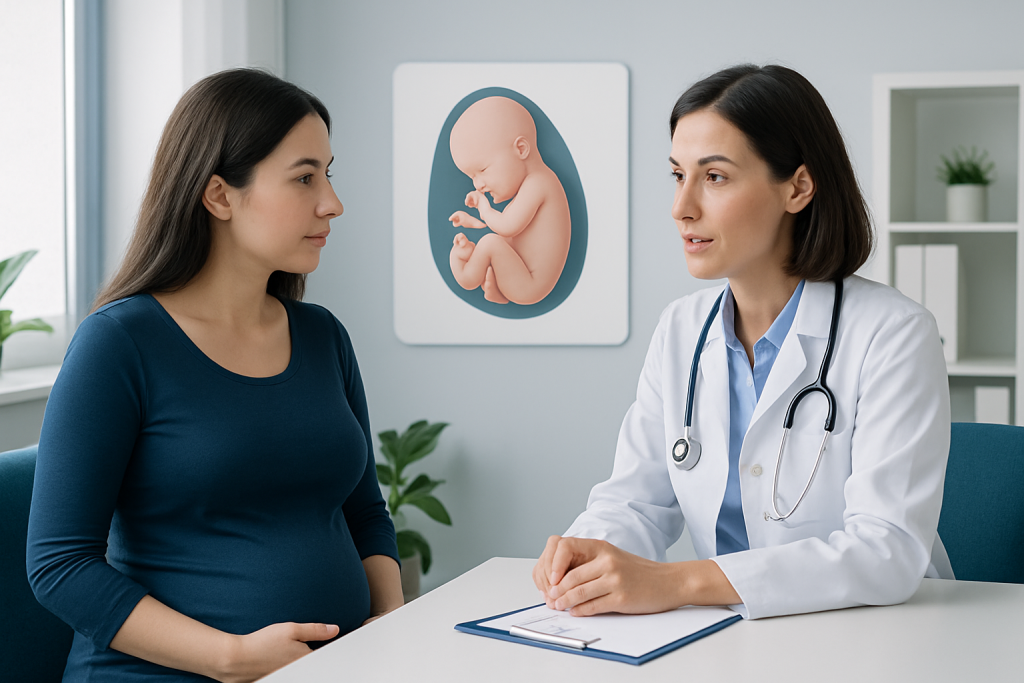
When someone is 7 weeks pregnant, a doctor usually starts with a careful history: the date of the last menstrual period, symptom pattern, any bleeding or pain, past pregnancies, and overall medical background. This helps estimate gestational age and decide whether any testing is needed.
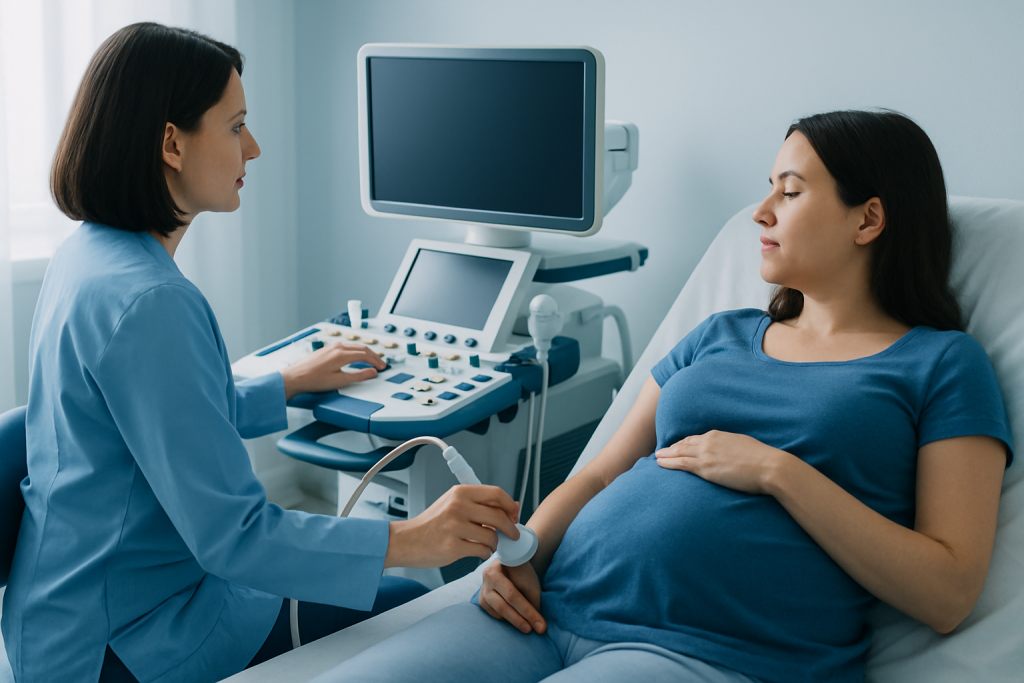
An ultrasound may be used to confirm that the pregnancy is in the uterus, estimate the due date, and check for early development such as a gestational sac, yolk sac, or fetal heartbeat depending on exact timing. Blood tests may also be helpful in some cases, especially if symptoms are concerning or the pregnancy date is uncertain.
For Myomectomy Recovery for International Patients: The Usual Travel Timeline" class="ahp-ilk">international patients arranging care from abroad, early evaluation can be especially useful before travel plans become fixed. It allows time to plan safe follow-up, review medications, and make sure the pregnancy is being monitored in the right setting.
Relief Measures and Early Pregnancy Care
Many 7-week symptoms improve with simple, safe changes. Small, frequent meals can help with nausea, especially if the stomach tends to feel worse when empty. Bland foods, ginger-containing options, and staying hydrated throughout the day may also be helpful. Rest matters too, because fatigue is often one of the earliest and most stubborn symptoms.
Constipation and bloating may improve with fluids, fiber, and gentle movement if a doctor has said exercise is appropriate. For breast tenderness, a supportive bra can make a noticeable difference. It is also sensible to avoid smoking, alcohol, and non-prescribed medications, and to confirm with a clinician which supplements are appropriate.
Early prenatal care usually includes folic acid or a prenatal vitamin, discussion of medical history, and review of any existing conditions such as diabetes, thyroid disease, or high blood pressure. These visits are not only for treatment; they are also a chance to ask practical questions about what symptoms are expected and how to manage them safely.
When to See a Doctor
A doctor should be contacted promptly if there is vaginal bleeding that is more than spotting, severe or one-sided abdominal pain, dizziness, fainting, or shoulder pain. These symptoms do not automatically mean something is wrong, but they deserve attention as soon as possible.
Medical advice is also important if vomiting is frequent, urine output is low, fever develops, or food and fluids cannot be kept down. Ongoing dehydration can affect both comfort and health, so supportive treatment may be needed. If there is a history of ectopic pregnancy, miscarriage, or fertility treatment, early review is often especially helpful.
Even when symptoms seem typical, many people benefit from scheduling an early prenatal appointment around this stage or shortly after. A timely visit can confirm the pregnancy, explain what is normal for that individual, and create a care plan that works whether the patient is local or traveling for treatment.
Looking Ahead After the 7-Week Mark
Pregnancy symptoms often continue to evolve after 7 weeks. For some people, nausea peaks later in the first trimester and then eases; for others, fatigue or breast tenderness remains the most noticeable issue. The pattern is individual, which is why comparing one pregnancy to another is rarely helpful.
What matters most is whether the symptoms are manageable, whether warning signs are absent, and whether the pregnancy is being followed appropriately. If uncertainty remains, a doctor can help interpret the symptoms in context and decide whether observation, blood work, or ultrasound is the best next step.
For patients who need coordinated care across specialties or who are planning evaluation from abroad, Acibadem Health Point’s multidisciplinary specialists and JCI-accredited hospitals diagnose and treat early pregnancy concerns for international patients with clear communication and structured follow-up.
Frequently asked questions
01What are the most common 7 weeks pregnant symptoms?
Common symptoms include nausea, fatigue, breast tenderness, bloating, frequent urination, food aversions, and mood changes. Some people also notice mild cramping or light spotting. The range is wide, and having fewer symptoms does not automatically mean there is a problem.
02Is it normal to have no symptoms at 7 weeks pregnant?
Yes, it can be normal to feel few or no symptoms at this stage. Pregnancy experiences differ greatly from person to person, and symptom strength is not a reliable measure of pregnancy health. If there is concern, a doctor can confirm the pregnancy with appropriate testing or ultrasound.
03Should cramping at 7 weeks pregnant be a concern?
Mild cramping can happen as the uterus changes and is often not serious. Cramping with heavy bleeding, severe pain, one-sided pain, fainting, or shoulder pain should be assessed promptly. If the discomfort is worsening or feels unusual, medical advice is appropriate.
04When does nausea usually start in pregnancy?
Nausea often begins in the first trimester and may already be noticeable by 7 weeks. It can appear in the morning or at any other time of day. If vomiting becomes frequent or fluids cannot stay down, a doctor should be contacted.
05What can help with nausea at 7 weeks pregnant?
Small frequent meals, staying hydrated, and avoiding known triggers such as strong smells may help. Some people also find bland foods or ginger helpful. If symptoms are severe, a doctor can suggest safe pregnancy-appropriate treatment options.
06When should a pregnant person seek urgent care?
Urgent evaluation is recommended for heavy bleeding, severe abdominal pain, one-sided pain, fainting, shoulder pain, fever, or inability to keep fluids down. These symptoms can have several causes, some of which need prompt treatment. A doctor can determine the cause and advise the next steps.
This article is for general information only and is not a substitute for professional medical advice. Please consult a qualified doctor about your individual situation.
Persistent digestive symptoms? Get evaluated in Turkey
JCI-accredited · board-certified surgeons · reply within 24h
Add us as a Preferred Source to see more of our trusted health content across Google Search, AI Overviews and Discover.