Shock Loss Hair Transplant: Procedure, Benefits, Risks and Recovery

Key Takeaways
- Shock loss is usually temporary shedding that can happen after hair transplant surgery.
- It may affect transplanted hairs, nearby native hairs, or both, especially in the early healing phase.
- The risk can be influenced by surgical technique, scalp condition, hair type, and the stability of existing hair loss.
- Diagnosis is mainly clinical and focuses on distinguishing normal post-op shedding from complications or ongoing hair loss.
- Recovery often involves patience, gentle scalp care, and follow-up visits to monitor regrowth.
- A doctor should be contacted if shedding is severe, painful, associated with infection, or continues in an unusual pattern.
Shock loss after a hair transplant is a temporary shedding phase that can appear in the weeks after surgery. Although it can be worrying to see extra hair fall out, it is often part of the normal healing process and does not usually mean the transplant has failed.
Overview
Shock loss hair transplant refers to temporary hair shedding that can occur after a transplant, usually in the early weeks following the procedure. It may involve the newly transplanted hairs, the existing hairs around the treated area, or both. For many people, this looks alarming at first, but it is often a normal part of the scalp’s response to surgical stress.
The term “shock loss” is used because the follicles react to the procedure by entering a resting phase before regrowth begins. In most cases, the hair shaft falls out while the follicle remains alive under the skin. That means the appearance can change before it improves, and the timeline for visible results is often longer than patients expect when they first leave the clinic.
For international patients planning treatment abroad, understanding this phase is especially helpful. A clear recovery plan, realistic expectations, and scheduled follow-up with the surgical team can make the process feel more manageable, even when the early shedding phase is unsettling.
Symptoms
The most common sign is increased hair fall after the initial healing period. This may appear as short hairs on the pillow, in the shower, or during gentle washing. Some people notice a thinner look in the transplanted zone or around native hairs that were already present before surgery.
Shock loss can be partial or more noticeable, depending on the pattern of hair loss before the operation and how sensitive the surrounding follicles are to stress. The scalp may also feel mildly tight, dry, or tender during recovery, although those sensations usually improve as the skin heals.
It is helpful to remember that not every shed hair means failure. In many patients, the follicles remain intact and begin producing new growth again after a resting phase. This can take time, which is why follow-up assessments focus on the trend over weeks and months rather than a single early snapshot.
Causes & Risk Factors

Shock loss is mainly related to the stress that surgery places on the scalp and hair follicles. During a transplant, tiny incisions are made and grafts are placed into a healing tissue environment. That process can temporarily interrupt the growth cycle of nearby follicles, especially if they were already weakened by pattern hair loss.
Certain factors may increase the likelihood of shedding. People with active thinning, advanced androgenetic alopecia, or fragile existing hairs may be more vulnerable. Dense packing, prolonged surgical sessions, and manipulation of large areas can also place additional stress on the scalp, although the technique and skill of the surgical team matter greatly.
Other contributing factors may include inflammation, swelling, postoperative scalp care that is too rough, or individual differences in how follicles respond to trauma. In patients traveling for care, a complete preoperative consultation is important because the team can assess hair density, donor supply, scalp health, and whether the current hair loss pattern is stable enough for surgery.
Diagnosis
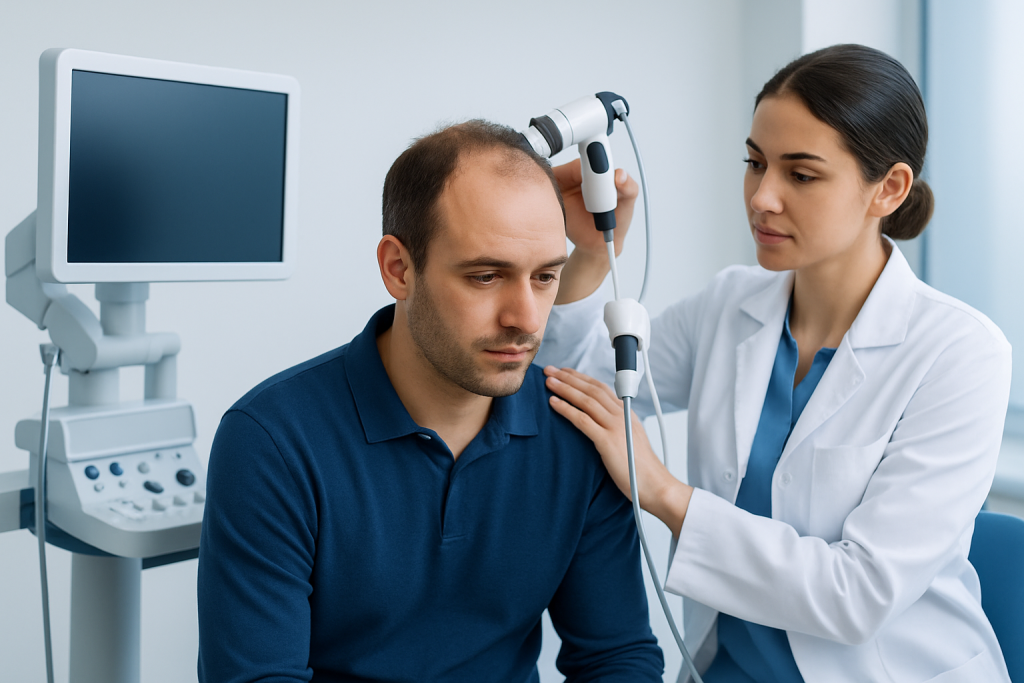
Shock loss is usually identified through a clinical examination and the patient’s recovery history. A doctor will ask when the shedding started, which areas are affected, whether the lost hairs were transplanted or native hairs, and whether there are signs of pain, redness, drainage, or fever that might point to another issue.
In many cases, the diagnosis is straightforward because the timing fits the expected postoperative course. If the pattern is unclear, the clinician may use close scalp inspection, magnification, or photographs taken before and after surgery to compare changes over time. This helps distinguish temporary shedding from graft failure or ongoing pattern hair loss.
The key goal of assessment is not only to name the problem, but to make sure healing is progressing normally. That is why regular review matters, especially for patients who return home after treatment and need a structured follow-up plan with their surgical team or a local dermatologist.
Treatment Options
There is no single treatment that instantly stops shock loss, because the condition is usually part of the scalp’s natural recovery response. The most common approach is observation, reassurance, and supportive care while the follicles cycle back into growth. In many patients, this is enough.
If the surgeon thinks inflammation or another healing issue is contributing, they may recommend a tailored medical plan. This can include gentle scalp care, treatment of irritation, and, in selected cases, medications that support hair preservation or regrowth. The exact plan should always come from a qualified doctor who knows the patient’s history and surgical details.
For patients who had a transplant while also experiencing active hair thinning, treatment planning may extend beyond the procedure itself. The medical team may discuss long-term management of hair loss so that the transplanted areas and the surrounding native hair are cared for together, rather than as separate problems.
Recovery and Expected Timeline
Recovery is usually gradual rather than dramatic. Shedding may begin within weeks after surgery, and visible regrowth often takes several months to become noticeable. The scalp first focuses on healing, then on re-entering the hair growth cycle. During this period, it is common for the appearance to fluctuate.
Patients often worry when the early improvement they hoped for seems to disappear. That reaction is understandable, but it does not always reflect the final result. Photos taken at follow-up visits can be useful because they show the broader trend over time, not just the temporary changes seen in a mirror from day to day.
For people recovering after travel, planning matters. Time at the treatment destination may be short, so the discharge instructions should be clear, and the follow-up schedule should be written down before return travel. Knowing when to expect shedding, when to resume normal routines, and when to contact the clinic can reduce uncertainty and support a smoother recovery.
Prevention & Self-care
Not every case of shock loss can be prevented, but careful preparation can lower risk and improve the overall healing experience. A thorough consultation should review the stability of hair loss, the condition of the donor area, scalp sensitivity, and whether the patient is a good candidate for the chosen transplant technique.
After surgery, the scalp should be treated gently. Patients are usually advised to follow the clinic’s washing instructions, avoid scratching or rubbing, protect the area from sun and trauma, and delay strenuous activity until the surgeon says it is safe. Good sleep, hydration, and adherence to aftercare instructions also support healing.
- Use only the cleansing method recommended by the care team.
- Do not pick at crusts or forcefully remove scabs.
- Avoid hats, helmets, or tight headwear unless the doctor approves them.
- Attend all scheduled follow-up visits, even if shedding has already started.
- Report new redness, pain, swelling, or discharge promptly.
Self-care should be steady and uncomplicated. The goal is to protect healing follicles, reduce irritation, and give the scalp time to settle into the next phase of growth.
When to See a Doctor
Patients should contact their doctor if the shedding seems unusually heavy, if the scalp becomes increasingly painful, or if there are signs of infection such as spreading redness, warmth, pus, or fever. A sudden change in appearance can have a harmless explanation, but it is always better to ask when symptoms are not following the expected pattern.
Medical review is also important if hair loss continues well beyond the typical recovery window or if thinning is spreading in areas that were not part of the surgical site. That may indicate an ongoing hair loss condition that needs its own treatment plan. Early review allows the team to adjust care before concern turns into avoidable stress.
For patients seeking treatment abroad, reliable communication after returning home is part of good care. Acibadem Health Point’s multidisciplinary specialists and JCI-accredited hospitals diagnose and treat hair and scalp conditions for international patients, with follow-up planning designed to keep recovery clear and coordinated.
Frequently asked questions
01Is shock loss after a hair transplant permanent?
Usually it is not permanent. In many cases, the follicles remain alive and the hair grows back after a resting period. A doctor can help confirm whether the shedding pattern fits normal recovery or needs further evaluation.
02How long does shock loss last?
The timing varies from person to person, but it is generally temporary and improves over the following months. Early shedding can happen before visible regrowth begins, so the full result takes longer than the first few weeks after surgery.
03Does shock loss mean the transplant failed?
Not necessarily. Temporary shedding is often part of the healing process and does not mean the grafts have been lost. Follow-up assessments help determine whether recovery is progressing as expected.
04Can shock loss happen to native hair too?
Yes, nearby existing hair can sometimes shed after surgery, especially if it was already thinning. This is one reason careful planning and stable hair loss patterns are important before a transplant.
05What should a patient do if shedding looks excessive?
They should contact the surgical team or a qualified dermatologist for an assessment. Photos, symptom details, and the timing of the shedding can help the doctor judge whether the pattern is normal or needs treatment.
06Can another procedure be done if shock loss occurs?
Usually the first step is to wait and monitor recovery, because many cases improve on their own. If hair loss remains unstable or a different problem is found, the doctor may discuss further treatment once the scalp has healed.
This article is for general information only and is not a substitute for professional medical advice. Please consult a qualified doctor about your individual situation.
Hair transplant in Turkey — costs, graft counts & a free assessment
JCI-accredited · board-certified surgeons · reply within 24h
Add us as a Preferred Source to see more of our trusted health content across Google Search, AI Overviews and Discover.