What Is PCOS Hair Loss? A Complete Medical Guide

Key Takeaways
- PCOS hair loss is usually linked to higher androgen activity and often looks like gradual thinning rather than sudden shedding.
- A diagnosis should look at both the scalp and the wider hormonal picture, since several conditions can cause similar hair changes.
- Treatment often combines hair-directed care with PCOS management, such as lifestyle measures and doctor-guided medicines.
- Early assessment can help protect existing hair and identify other issues such as iron deficiency, thyroid disease, or stress-related shedding.
- Results take time, and improvement is usually gradual rather than immediate.
PCOS hair loss is a common pattern of thinning caused by hormonal changes that can affect the scalp, usually along the part line or crown. With the right evaluation, many people can manage both the hair changes and the underlying PCOS more effectively.
Overview
PCOS hair loss is a form of hair thinning that can happen when polycystic ovary syndrome affects hormone balance, especially through increased androgen activity. For many people, it is not a dramatic loss all at once. Instead, the hair slowly becomes finer, the part line looks wider, and the crown may appear less dense over time.
PCOS can affect hair in two ways: some people notice thinning on the scalp, while others develop more facial or body hair growth. This combination can feel confusing, but it reflects the same underlying hormone pattern. Understanding that the hair change is a medical issue, not a personal failing, is often the first step toward getting practical help.
Because hair loss has many possible causes, a good evaluation matters. A clinician will usually look beyond the scalp and ask about periods, acne, weight changes, fertility concerns, and family history. That broader view helps separate PCOS-related thinning from other common causes of hair loss.
Symptoms
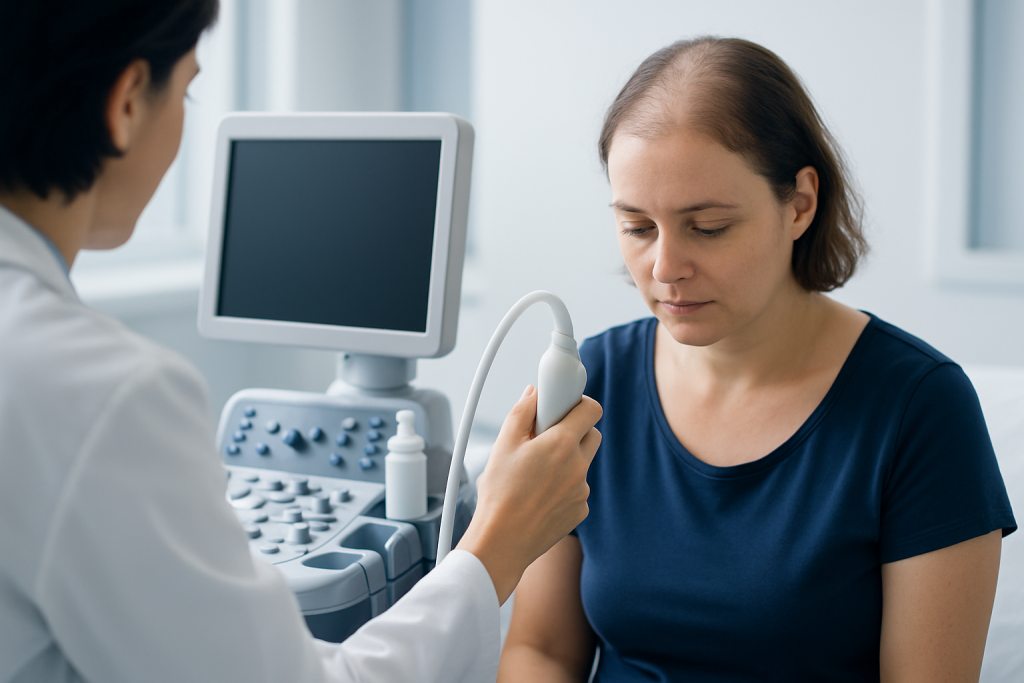
The most typical sign is gradual thinning on the top of the scalp. Some people first notice that a ponytail feels smaller, the scalp shows more easily in bright light, or styling takes longer because the hair no longer holds its usual volume.
PCOS hair loss often follows a female-pattern distribution. That means the hairline at the front may stay intact, while the central part, top of the head, or crown becomes less dense. Shedding can happen too, but the bigger clue is the change in thickness rather than sudden clumps of hair on the pillow or in the shower.
Other PCOS-related symptoms may appear alongside hair thinning. These can include irregular periods, acne, unwanted facial or body hair, and sometimes weight gain or insulin resistance. When several of these are present together, PCOS becomes more likely as the underlying explanation.
Causes & Risk Factors

PCOS is a hormonal condition in which the ovaries may produce higher levels of androgens, a group of hormones present in all women in smaller amounts. Hair follicles on the scalp can become more sensitive to these hormones, gradually shrinking over time. This process shortens the growth phase of the hair and makes each strand grow back finer.
Insulin resistance is common in PCOS and may contribute to higher androgen levels. Genetics also matter: some people are more prone to pattern hair thinning, so PCOS may reveal a tendency that was already there. Stress, poor sleep, and nutritional gaps do not cause PCOS on their own, but they can make hair concerns feel more noticeable.
Risk is higher when a person has a family history of pattern hair loss, signs of hormone imbalance, or metabolic concerns. Hair thinning can also be worsened by low iron, thyroid problems, rapid weight changes, postpartum changes, or certain medications, which is why a careful medical review is so important.
Diagnosis
Diagnosis usually starts with a conversation and a scalp examination. A clinician may ask when the thinning began, whether shedding is steady or occasional, and whether there are changes in menstrual cycles, acne, or hair growth elsewhere on the body. Looking at the pattern of thinning helps distinguish PCOS-related loss from temporary shedding disorders.
Blood tests are often used to check for hormonal and medical contributors. Depending on the case, this may include androgen levels, thyroid function, iron status, and tests related to blood sugar or insulin resistance. In some situations, additional hormone testing or an ultrasound may be used to support a PCOS diagnosis.
Dermatology and gynecology or endocrinology teams often work together because the hair change is only one part of the picture. This is especially useful for Myomectomy Recovery for International Patients: The Usual Travel Timeline" class="ahp-ilk">international patients who want a coordinated plan before traveling home, since follow-up testing and treatment adjustments are often part of long-term care.
Treatment Options
Treatment usually works best when it addresses both the scalp and the hormone imbalance behind it. Hair-focused treatment may aim to slow thinning and support regrowth, while PCOS management helps reduce the hormonal signals that continue to affect follicles. A clinician will tailor the plan to age, pregnancy intentions, overall health, and how active the PCOS symptoms are.
Common approaches may include topical scalp treatments, hormone-regulating medicines prescribed by a doctor, and measures that improve insulin sensitivity when appropriate. Some people are also offered nutritional evaluation if iron deficiency or another deficiency is suspected. If acne or unwanted hair growth is present, the same treatment plan may be designed to help those symptoms too.
Procedural options may be considered in selected cases, especially when thinning has been present for a long time or when medical treatment alone has not been enough. These should always be discussed with a qualified specialist, since the best option depends on the pattern of loss, the person’s medical history, and whether pregnancy is planned.
- Topical therapies may help slow follicle miniaturization.
- Hormone-focused medicines may be used when clinically appropriate.
- Lifestyle changes can support insulin balance and overall PCOS control.
- Checking and correcting iron or vitamin deficiencies may help if they are present.
Prevention & Self-care
PCOS hair loss cannot always be fully prevented, but the scalp can be protected and the process may be slowed. Gentle hair care is a good place to start: avoid tight hairstyles that pull on the roots, limit harsh chemical treatments, and reduce high heat styling when possible. These steps will not cure the hormonal cause, but they can help reduce breakage and traction-related damage.
Self-care also includes supporting the body system that hair depends on. Regular movement, balanced meals, adequate protein, and stable sleep routines can all be useful parts of PCOS management. If a clinician has recommended weight management, even modest changes may help improve insulin-related hormone patterns over time.
It is also sensible to track changes. Photos taken in the same light every few months can show whether thinning is stable, improving, or progressing. That record can be helpful during follow-up appointments, particularly for patients who are receiving care abroad and need to share progress clearly with their doctor at home.
When to See a Doctor
Medical evaluation is a good idea when hair thinning is new, getting worse, or happening together with irregular periods, acne, or unwanted facial hair. Early care can make treatment more effective because follicles that are still active are more likely to respond than areas with long-standing thinning.
It is also important to seek medical advice if shedding is sudden, patchy, associated with scalp redness or pain, or comes with fatigue, paleness, or major weight changes. Those features may point to another condition that needs a different treatment approach.
For people already living with PCOS, follow-up is useful even when the hair loss seems mild. A clinician can review whether the current plan is still the right fit, check for other contributors such as iron or thyroid problems, and adjust treatment in a safe, stepwise way. Acibadem Health Point’s multidisciplinary specialists and JCI-accredited hospitals diagnose and treat this condition for international patients as part of coordinated care.
Frequently asked questions
01What does PCOS hair loss usually look like?
It most often looks like gradual thinning on the top of the scalp rather than sudden bald spots. The part line may widen, and the hair may feel finer or less full over time.
02Can PCOS hair loss grow back?
Hair may improve if treatment starts early and the underlying hormonal issue is addressed. Regrowth is usually gradual, and the degree of recovery depends on how long the follicles have been affected.
03Is PCOS hair loss the same as normal shedding?
Not exactly. Normal shedding happens every day, but PCOS hair loss is more about a lasting change in density and hair caliber. Some people do shed more than usual, but the pattern of thinning is the key clue.
04What tests are used to diagnose PCOS hair loss?
Doctors may examine the scalp and order blood tests for hormones, thyroid function, iron levels, and blood sugar-related measures. In some cases, imaging or additional hormone testing helps confirm PCOS and rule out other causes.
05Which treatments help most with PCOS hair loss?
Treatment often combines hair-directed therapy with PCOS management. A doctor may suggest topical scalp treatment, hormone-related medicines, and lifestyle changes that improve insulin sensitivity and overall hormone balance.
06Does diet affect PCOS hair loss?
Diet does not directly cure the condition, but balanced nutrition can support overall PCOS care and hair health. Adequate protein, iron, and steady blood sugar control may be helpful parts of the bigger plan.
This article is for general information only and is not a substitute for professional medical advice. Please consult a qualified doctor about your individual situation.
Hair transplant in Turkey — costs, graft counts & a free assessment
JCI-accredited · board-certified surgeons · reply within 24h
Add us as a Preferred Source to see more of our trusted health content across Google Search, AI Overviews and Discover.