What Is PCOS in Women?

Key Takeaways
- PCOS is a hormonal condition that can affect the ovaries, menstrual cycles, and ovulation.
- Symptoms often include irregular periods, acne, excess hair growth, thinning hair, and difficulty becoming pregnant.
- Diagnosis usually combines symptom history, physical examination, blood tests, and sometimes ultrasound.
- Treatment is individualized and may include lifestyle changes, cycle regulation, fertility support, and treatment for insulin resistance or skin symptoms.
- Long-term follow-up matters because PCOS can be linked with diabetes, high blood pressure, and other metabolic concerns.
PCOS, or polycystic ovary syndrome, is a common hormone-related condition that can affect periods, fertility, skin, weight, and long-term metabolic health. With the right evaluation and a personalized care plan, many women manage symptoms well and protect future health.
Overview
Polycystic ovary syndrome, usually called PCOS, is a common condition that affects how the ovaries work and how the body handles certain hormones. Despite the name, women with PCOS do not always have cysts on the ovaries. The condition is better understood as a pattern of hormonal and metabolic changes that can influence ovulation, menstrual regularity, skin, hair, and fertility.
For many women, PCOS is first noticed during a period of life when routines are already shifting: after puberty, when trying to conceive, or when changes in weight, acne, or cycle length become harder to ignore. Because the symptoms can look different from one person to another, diagnosis is not based on one single test. A careful review of symptoms and lab results is usually needed.
PCOS is manageable, but it often asks for long-term attention rather than a one-time fix. That can feel frustrating, especially for Myomectomy Recovery for International Patients: The Usual Travel Timeline" class="ahp-ilk">international patients who may be balancing care across countries, schedules, and languages. A clear diagnosis and a realistic follow-up plan can make the condition much easier to live with.
Symptoms
PCOS does not follow one neat script. Some women mainly notice changes in their menstrual cycle, while others are more troubled by skin or hair changes. In many cases, symptoms build slowly and become more obvious over time.
Common features can include irregular periods, skipped periods, very light periods, or difficulty predicting when bleeding will occur. Some women also experience increased facial or body hair, persistent acne, scalp hair thinning, or weight changes that feel resistant to usual efforts. Fertility problems may appear when ovulation happens less often or not at all.
Other possible signs may include darkened skin in body folds, skin tags, or symptoms related to insulin resistance. Not every woman with PCOS will have all of these findings, and not every woman with irregular periods has PCOS. That is why a clinician’s assessment matters.
- Irregular or absent menstrual periods
- Acne that persists beyond the teenage years
- Excess facial or body hair
- Scalp hair thinning
- Difficulty becoming pregnant
Causes & Risk Factors

The exact cause of PCOS is not fully understood, but several factors are known to play a role. Hormone imbalance is central, particularly changes that affect ovulation and levels of androgens, sometimes called male hormones although women naturally have them too.
Insulin resistance is also common in PCOS. This means the body may need to produce more insulin to keep blood sugar in balance. Over time, higher insulin levels can contribute to hormonal changes, weight gain, and a greater chance of metabolic problems. Genetics appears to matter as well, since PCOS often runs in families.
Several factors can raise the likelihood of PCOS or make symptoms more noticeable. These include a family history of PCOS or type 2 diabetes, weight gain, and a personal history of irregular cycles beginning soon after menstruation starts. PCOS can affect women of many body types, so it should not be ruled out simply because someone is not overweight.
Diagnosis
Diagnosing PCOS usually starts with a conversation about symptoms, menstrual history, weight changes, and fertility concerns. A clinician may also ask about acne, hair growth, medications, and family history. This history is important because the condition can resemble other hormone disorders.
Blood tests are often used to look for hormone patterns and to rule out other causes of irregular periods, such as thyroid problems or elevated prolactin. Depending on the situation, a doctor may also check blood sugar, cholesterol, and other markers of metabolic health. These tests help define both the diagnosis and the broader health picture.
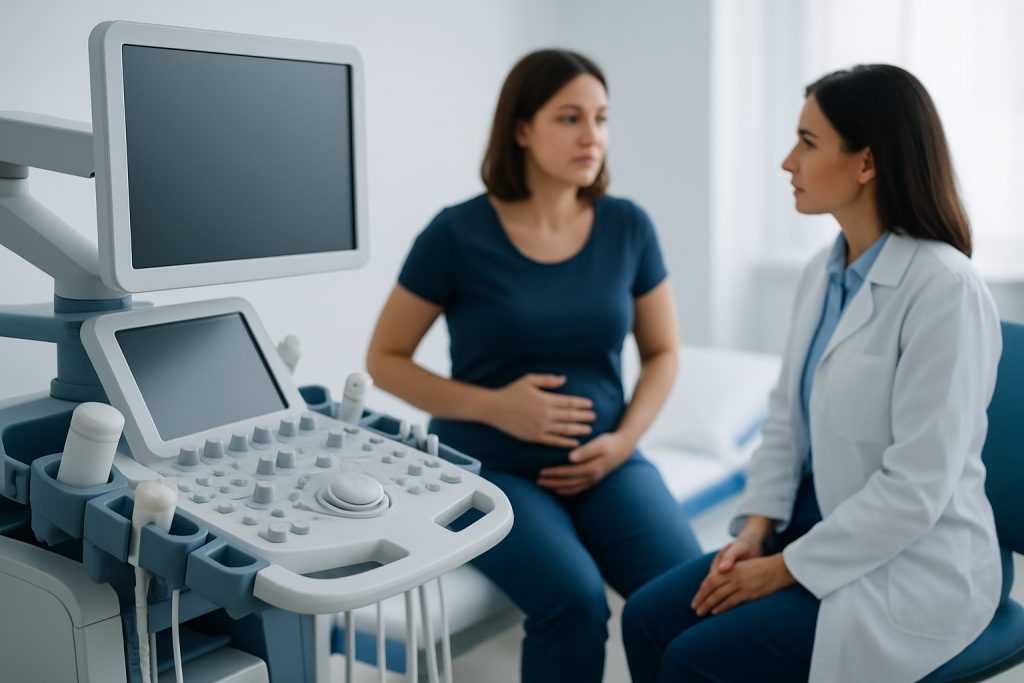
An ultrasound may be used to look at the ovaries, but it is not always required. In some patients, PCOS can be diagnosed without ultrasound if the symptom pattern and lab findings fit well. The goal is not just to label the condition, but to understand what is driving the symptoms and what needs follow-up.
Treatment Options
Treatment for PCOS is tailored to the person’s priorities. Some women want better cycle control, others want help with acne or hair growth, and many are focused on fertility or long-term health. There is no single best plan for everyone.
Lifestyle changes are often a foundation of care, especially when insulin resistance is present. Regular physical activity, balanced eating habits, and sleep support can improve metabolic health and sometimes restore more regular ovulation. Even modest changes may help, but they should be sustainable rather than extreme.
Medication may be recommended depending on the symptoms. Hormonal therapies can help regulate periods and reduce androgen-related symptoms. If fertility is the goal, ovulation-inducing treatments may be considered under medical supervision. Other medicines may be used to address insulin resistance, acne, or excessive hair growth. Because PCOS can overlap with other endocrine concerns, treatment works best when the full picture is reviewed by a qualified clinician.
Prevention & Self-care
PCOS itself cannot always be prevented, especially when genetics are involved. Even so, many of its complications can be reduced with consistent care. The aim is not perfection; it is steady support for the body’s hormonal and metabolic balance.
Women living with PCOS often benefit from keeping a simple record of menstrual cycles, symptoms, and any treatments tried. This makes follow-up easier, especially for international patients who may need to continue care after returning home. A written record can also help a new doctor understand what has changed over time.
Practical self-care may include:
- Choosing regular physical activity that is realistic to maintain
- Focusing on balanced meals and limiting highly processed foods when possible
- Prioritizing sleep and stress management
- Tracking cycles and symptoms
- Keeping follow-up visits for blood sugar, lipids, and hormone-related concerns
Self-care does not replace medical treatment, but it often makes treatment work better and helps women feel more in control of their health.
When to See a Doctor
Medical evaluation is a good idea if periods are regularly missed, suddenly become very irregular, or are accompanied by new acne, hair growth, or scalp hair thinning. It is also wise to seek care if pregnancy has not happened after trying for a reasonable period, especially when cycles are infrequent. These changes may point to PCOS or another hormonal condition that deserves assessment.
Urgent care is not usually needed for PCOS itself, but it is important not to delay if symptoms are causing distress or affecting daily life. Sometimes the bigger concern is not the diagnosis alone, but the broader health effects such as blood sugar changes, weight concerns, or emotional strain. A clinician can help decide what to test and how quickly to act.
For women seeking care while traveling, coordinated evaluation can be especially helpful. Acibadem Health Point’s multidisciplinary specialists and JCI-accredited hospitals diagnose and treat PCOS for international patients, with attention to both immediate symptoms and long-term follow-up needs. The most useful plan is one that can be understood, continued, and adjusted after the patient returns home.
Frequently asked questions
01Is PCOS the same as having cysts on the ovaries?
Not necessarily. The name can be misleading because many women with PCOS do not have true ovarian cysts. The condition is defined by hormone-related features that affect ovulation and menstrual cycles.
02Can PCOS be diagnosed with one blood test?
Usually, no. Diagnosis typically involves symptoms, a physical exam, blood tests, and sometimes ultrasound. Doctors also rule out other conditions that can cause similar symptoms.
03Does PCOS always cause infertility?
No. PCOS can make ovulation less predictable, which may make conception harder, but many women with PCOS become pregnant with or without treatment. Fertility support can be very effective when needed.
04Can women with PCOS still have regular periods?
Yes, some women with PCOS have periods that seem fairly regular. Even then, ovulation may still be irregular, so a doctor may look at the full symptom pattern before ruling PCOS out.
05What is the first treatment usually recommended?
The first step often depends on the main concern. Lifestyle support is commonly encouraged, and medication may be added to regulate periods, address insulin resistance, or support fertility if that is the priority.
06Is PCOS something that gets worse with age?
The symptom pattern can change over time. Some issues, such as irregular cycles, may improve while others, including metabolic concerns, can become more important later. Ongoing follow-up helps catch those changes early.
This article is for general information only and is not a substitute for professional medical advice. Please consult a qualified doctor about your individual situation.
Hair transplant in Turkey — costs, graft counts & a free assessment
JCI-accredited · board-certified surgeons · reply within 24h
Add us as a Preferred Source to see more of our trusted health content across Google Search, AI Overviews and Discover.