What Is Collarbone Discomfort? A Complete Medical Guide

Key Takeaways
- Collarbone discomfort often comes from the clavicle itself, nearby shoulder joints, or surrounding muscles and ligaments.
- A fall, sports injury, lifting strain, or repetitive overhead movement can trigger symptoms.
- Swelling, deformity, numbness, breathing difficulty, or chest pain need prompt medical assessment.
- Diagnosis may include a physical exam and imaging such as X-rays, ultrasound, CT, or MRI depending on the suspected cause.
- Treatment ranges from rest and activity changes to physiotherapy, medication, or, in selected cases, surgery.
Collarbone discomfort is a broad term for pain, aching, tenderness, or stiffness around the clavicle and nearby shoulder area. It can stem from a minor strain, a joint problem, an injury, or pain referred from another part of the body, so understanding the pattern matters.
Overview
Collarbone discomfort usually means pain, aching, tenderness, or pressure around the clavicle, which is the long bone that connects the breastbone to the shoulder. Because this area sits at the meeting point of the shoulder, chest, neck, and upper arm, pain there is not always caused by the collarbone itself.
In everyday life, people may notice discomfort when lifting an arm, carrying a bag, sleeping on one side, or taking a deep breath after a strain. Sometimes the sensation is sharp and sudden after an injury. In other cases, it develops gradually from posture, overuse, joint irritation, or inflammation around the shoulder girdle.
A useful first step is to think about what changed before the pain began. A fall, contact sports, repetitive overhead work, heavy lifting, or a recent illness can all give clues. For international patients arranging care from abroad, sharing a clear timeline of symptoms, photos of swelling or bruising, and any prior imaging can make the first consultation much more efficient.
Symptoms
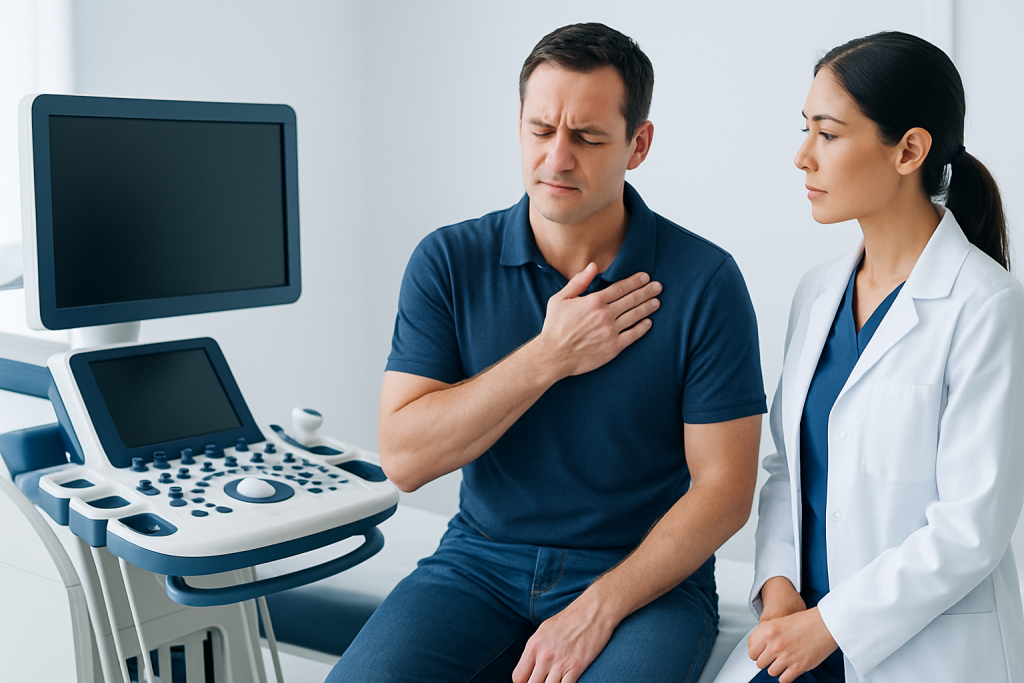
Collarbone discomfort does not look the same in every person. Some people describe a deep ache over the bone, while others feel soreness where the collarbone meets the sternum or the shoulder. The pain may stay local or spread into the neck, shoulder blade, or upper chest.
Common accompanying symptoms can include:
- Swelling, bruising, or tenderness along the clavicle
- Pain with arm movement, especially reaching overhead or across the body
- A clicking, popping, or grinding sensation near the shoulder or breastbone
- Stiffness, weakness, or reduced range of motion
- Visible bump, step-off, or deformity after an injury
Some patterns deserve extra attention. Numbness, tingling, color change in the arm, shortness of breath, or chest pressure may suggest a more urgent problem than simple musculoskeletal strain. Pain that wakes a person at night or becomes steadily worse without an obvious reason also needs a medical review.
Causes & Risk Factors

One of the most common causes is injury. A direct blow to the shoulder, a fall onto an outstretched hand, or a traffic or sports accident can fracture the clavicle or strain the ligaments around it. Even when the bone is intact, the joint where the collarbone meets the sternum or shoulder can become irritated.
Overuse is another frequent source. Repetitive lifting, pushing, carrying, rowing, throwing, and overhead work can inflame the muscles and soft tissues around the clavicle. Poor posture may also place constant stress on the shoulder girdle, leading to aching or tightness that feels like collarbone pain.
Other possible causes include:
- Arthritis in the sternoclavicular or acromioclavicular joints
- Tendinitis or bursitis near the shoulder
- Muscle strain in the chest, neck, or upper back
- Bone infection or inflammatory disease, less commonly
- Referred pain from the neck, lungs, or upper chest in some situations
Risk is higher in athletes, people with physically demanding jobs, individuals with osteoporosis or low bone density, and anyone with a recent fall or trauma. A past collarbone injury can also make the area more sensitive to future strain or arthritis.
Diagnosis
Diagnosis starts with a careful history and physical examination. A clinician will usually ask when the pain began, whether there was an injury, what movements make it worse, and whether there are symptoms such as swelling, numbness, or shortness of breath. The exact location of tenderness often helps narrow the cause.
Depending on the findings, imaging may be recommended. An X-ray can identify fractures, dislocation, or joint changes. Ultrasound may help assess soft tissue swelling in some cases, while CT or MRI can provide more detail if the problem is complex, if the pain is persistent, or if a fracture is not clearly visible on X-ray.
Blood tests are sometimes useful when infection or inflammatory disease is being considered. For patients traveling from another country, it helps to bring any prior reports, medication lists, and past imaging on a disc or digital file. That continuity can shorten the path to a precise diagnosis and reduce repeat testing.
Treatment Options
Treatment depends on the underlying cause, but many milder cases improve with conservative care. Resting the shoulder, avoiding aggravating activities, and using short-term pain relief recommended by a clinician are common early steps. Ice or gentle heat may also ease symptoms depending on whether the problem is recent inflammation or ongoing stiffness.
If the discomfort comes from a fracture, treatment may include a sling, pain control, and follow-up imaging. Most uncomplicated collarbone fractures heal without surgery, although surgery may be considered if the bone is significantly displaced, shortened, open, or affecting nearby structures. Joint injuries or arthritis may be managed with physiotherapy, posture work, and anti-inflammatory strategies.
Other treatment approaches can include:
- Physiotherapy to restore shoulder movement and strength
- Activity modification for work or sport-related strain
- Injection therapy in selected joint or inflammatory conditions
- Antibiotics if infection is confirmed
- Surgical repair for severe fractures, unstable joints, or certain structural problems
Recovery time varies widely. A minor strain may settle in days to weeks, while fractures or joint conditions may need longer rehabilitation. International patients often benefit from coordinated follow-up plans before travel home, including written exercise guidance and a clear schedule for reassessment.
Prevention & Self-care
Not every case can be prevented, but some practical habits can lower the chance of recurring collarbone discomfort. Warming up before sport, using proper technique for lifting, and strengthening the shoulder blade and upper back muscles can reduce strain on the clavicle area. Taking breaks from long periods of computer work may also help posture-related tension.
After a strain, the shoulder should generally not be pushed through sharp pain. Gentle movement, once advised by a clinician, often helps prevent stiffness. Supportive sleep positions and avoiding heavy bags on one shoulder may also reduce irritation while symptoms settle.
People recovering from a fracture or surgery should follow the prescribed rehabilitation plan closely. Returning to sports or heavy labor too soon can slow healing or re-injure the area. If the person is managing care across borders, keeping a simple symptom diary and sharing progress with the treating team can make remote follow-up much safer and more useful.
When to See a Doctor
Medical assessment is important after any collarbone injury with obvious deformity, severe pain, swelling, or inability to lift the arm. A doctor should also be seen if the pain follows a fall, vehicle accident, or contact sports impact, even when the symptoms seem moderate at first.
Prompt evaluation is especially important if there is numbness, tingling, weakness, arm discoloration, trouble breathing, or chest pain. These symptoms can point to a more serious injury or a problem outside the bones and joints, and they should not be watched at home for long.
Anyone with persistent collarbone discomfort that lasts more than a short time, keeps returning, or interferes with sleep or daily use of the arm should arrange a non-urgent visit. In complex cases, Acibadem Health Point’s multidisciplinary specialists and JCI-accredited hospitals can diagnose and treat collarbone-related conditions for international patients in a coordinated way.
Living With Collarbone Discomfort
Living with pain around the collarbone can be frustrating because many ordinary movements depend on the shoulder girdle. The good news is that most causes are identifiable, and many improve with targeted care once the source is known. A structured assessment is often more helpful than guessing whether the pain is “just a strain.”
People do best when they track how the symptom behaves: what movements trigger it, whether it is improving, and whether new symptoms appear. This information helps clinicians distinguish between a simple soft tissue issue, a joint condition, and an injury that needs closer follow-up. For patients seeking treatment from abroad, organized records and realistic recovery planning can make the process smoother from the first consultation through rehabilitation.
With the right diagnosis, collarbone discomfort can usually be managed in a practical, step-by-step way that supports safe healing and a steady return to normal activity.
Frequently asked questions
01Is collarbone discomfort always caused by a broken collarbone?
No. A fracture is one possible cause, but muscle strain, joint irritation, arthritis, or referred pain can also affect the collarbone area. The pattern of symptoms and the injury history help a clinician tell the difference.
02Can poor posture cause pain near the collarbone?
Yes, posture-related tension can contribute to discomfort in the neck, chest, and shoulder muscles around the clavicle. It often develops gradually and may worsen after long periods of sitting or desk work.
03How do I know if collarbone pain is serious?
Pain after a fall or impact, visible deformity, major swelling, numbness, weakness, breathing difficulty, or chest pain should be assessed promptly. Persistent pain without improvement also deserves medical attention.
04What tests are usually done for collarbone discomfort?
A clinician typically begins with a physical exam and may order an X-ray if an injury or fracture is suspected. Depending on the situation, ultrasound, CT, MRI, or blood tests may be used to look more closely at the cause.
05Will collarbone discomfort go away on its own?
Mild strain-related discomfort may improve with rest and simple care, but not every case should be assumed to settle by itself. If the pain is severe, recurrent, or linked to trauma, an evaluation is the safer choice.
06Can collarbone pain come from somewhere else in the body?
Yes, pain can sometimes be referred from the neck, shoulder joints, or even the chest area. That is one reason a full medical assessment is helpful when the cause is not obvious.
This article is for general information only and is not a substitute for professional medical advice. Please consult a qualified doctor about your individual situation.
Joint and spine care in Turkey — expert assessment & treatment
JCI-accredited · board-certified surgeons · reply within 24h
Add us as a Preferred Source to see more of our trusted health content across Google Search, AI Overviews and Discover.