

What Is IBS Flare Up? A Complete Medical Guide
- 10 min read
- Published November 25, 2026
Key Takeaways
- An IBS flare up means symptoms temporarily worsen, often after a trigger such as certain foods, stress, illness, or routine changes.
- Symptoms may include cramping, bloating, gas, diarrhea, constipation, urgency, or a combination of bowel changes.
- IBS is diagnosed after a medical review that rules out other digestive conditions with similar symptoms.
- Many people improve with tailored diet changes, stress management, medications, and a clear flare-up plan from a clinician.
- New, severe, or persistent symptoms should be assessed by a doctor to make sure nothing more serious is being missed.
An IBS flare up is a period when irritable bowel syndrome symptoms become more noticeable, such as abdominal pain, bloating, diarrhea, constipation, or a mix of these changes. While flares can be disruptive, they are usually manageable with the right combination of trigger awareness, diet, stress support, and medical guidance.
Overview
An IBS flare up is a stretch of time when symptoms of irritable bowel syndrome become more intense or more frequent than usual. For some people, it is a few uncomfortable hours; for others, it can last several days and disrupt meals, work, travel, and sleep. The pattern can vary from person to person, which is one reason IBS is often managed in a highly individualized way.
IBS is a functional digestive disorder, meaning the bowel looks normal on standard tests but does not always work smoothly. During a flare, the gut may become more sensitive, more reactive to certain foods, or more affected by stress and routine changes. The goal is not only to calm the current episode, but also to understand what tends to set it off and how to reduce future disruptions.
For international patients planning care, this matters because IBS often requires a thoughtful review of symptoms, diet history, medications, and prior testing rather than a single quick answer. A careful consultation can help distinguish IBS from other conditions and create a plan that fits daily life, including travel and follow-up after returning home.
Symptoms
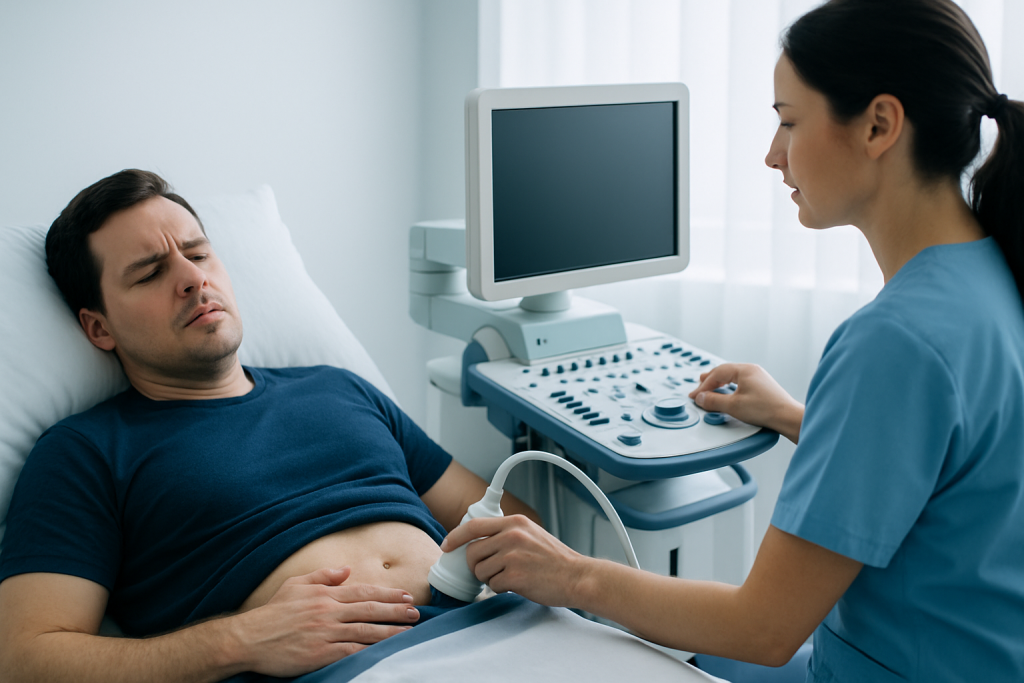
The most common signs of an IBS flare up are abdominal pain or cramping, bloating, excess gas, and changes in bowel habits. Some people have diarrhea during flares, some develop constipation, and some switch between the two. A sense of urgency, incomplete bowel emptying, and mucus in the stool can also occur.
Symptoms often follow a pattern. They may worsen after eating, improve after a bowel movement, or become more noticeable during periods of stress. Because IBS symptoms can overlap with other digestive problems, the exact pattern and any new changes are important for a doctor to hear.
It is also helpful to notice how the flare affects everyday function. For example, people may avoid eating before meetings, feel anxious about travel access to bathrooms, or change sleep and work routines because of repeated discomfort. These practical details can guide treatment just as much as the bowel symptoms themselves.
Causes & Risk Factors

There is no single cause of IBS flare ups. Instead, several factors may combine to make the gut more reactive. Common triggers include certain foods, large meals, caffeine, alcohol, hormonal changes, poor sleep, infection, and emotional stress. Some people notice flares after long travel days or when eating on an irregular schedule.
People with a history of food sensitivity, anxiety, previous gastrointestinal infection, or a family tendency toward bowel disorders may be more likely to experience IBS symptoms. That said, many people have flares without an obvious pattern at first. In those cases, a symptom diary can help reveal links that are not immediately visible.
It is important to separate triggers from assumptions. A food that causes symptoms in one person may be well tolerated by another, and eliminating too many foods without guidance can sometimes make nutrition more difficult. A structured review with a clinician or dietitian is often more useful than trying to guess the cause alone.
Diagnosis
IBS is diagnosed through a medical history, symptom review, and a physical examination. Doctors usually ask how long symptoms have been present, whether bowel habits have changed, and whether pain improves or worsens with stooling. They also look for features that suggest a different condition, such as blood in the stool, unexplained weight loss, fever, anemia, or symptoms that wake a person from sleep.
Depending on the person’s age and symptom pattern, a clinician may order blood tests, stool tests, or imaging, or recommend a colonoscopy if needed. The purpose is not to test every possible cause, but to rule out other disorders that can look similar, such as inflammatory bowel disease, celiac disease, infections, or colorectal disease.
For patients seeking care from abroad, bringing prior test results, medication lists, and a simple timeline of symptoms can make the evaluation more efficient. A clear record of when flares happen, what seems to worsen them, and what helps can shorten the path to a practical plan.
Treatment Options
Treatment for an IBS flare up usually combines symptom relief with longer-term management. The best approach depends on whether diarrhea, constipation, or both are the main issue. Doctors may suggest dietary changes, antispasmodic medicines, anti-diarrheal or constipation-relief strategies, or other prescription options depending on the dominant symptoms.
Dietary treatment is often personalized. Some people improve with smaller meals, less caffeine, reduced alcohol, or temporary adjustments in fermentable carbohydrates under professional guidance. A dietitian can help avoid overly restrictive eating while still identifying foods that commonly worsen symptoms.
Stress-related strategies can be just as important as medication. Relaxation exercises, sleep regularity, gentle physical activity, and psychotherapy approaches such as cognitive behavioral therapy may reduce flare frequency or intensity in some patients. IBS is real, physical, and responsive to both gut-directed and brain-gut treatments.
When symptoms are persistent or difficult to control, a specialist may look at the full picture: bowel pattern, medication side effects, eating habits, mental health, and prior test results. That broader view often helps refine treatment instead of repeatedly treating each flare in isolation.
Prevention & Self-care
Preventing IBS flare ups is usually less about perfection and more about consistency. Many people do better with regular meals, adequate fluids, enough sleep, and a steady exercise routine. Keeping a symptom diary can help identify personal triggers without making assumptions too early.
During a flare, simple measures may provide comfort: eating smaller portions, avoiding foods that are known to be difficult, staying hydrated, and taking time to rest. Some people also find that warmth, such as a heating pad on the abdomen, helps ease cramping. These steps are supportive, but they do not replace medical evaluation when symptoms change in a concerning way.
Travel can complicate IBS because routines change. Planning ahead with familiar snacks, hydration, flexible meal timing, and awareness of bathroom access may reduce anxiety. For people traveling for medical care, building a follow-up plan before departure can make ongoing IBS management much smoother once they return home.
- Track symptoms, meals, stress, and sleep for pattern recognition.
- Keep meals regular when possible.
- Avoid removing many foods at once without guidance.
- Use stress-reduction habits that are realistic to maintain.
- Discuss any medicine changes with a clinician, especially if symptoms are worsening.
When to See a Doctor
Medical review is important if someone has new digestive symptoms and does not already have an IBS diagnosis. It is also wise to seek care if a known IBS pattern changes significantly, becomes more severe, or starts interfering with eating, hydration, sleep, or daily responsibilities. A clinician can help confirm whether the symptoms still fit IBS or need another explanation.
Prompt assessment is especially important if there is blood in the stool, unexplained weight loss, fever, persistent vomiting, fainting, severe abdominal pain, black stools, or dehydration. These symptoms are not typical of routine IBS and deserve direct medical attention.
People who are planning treatment abroad should arrange a review if symptoms are not well controlled before traveling or if they need a clearer diagnosis before major life changes. Acibadem Health Point’s multidisciplinary specialists and JCI-accredited hospitals diagnose and treat digestive conditions for international patients, which can be helpful when a more complete evaluation is needed.
Living With IBS Flare Ups
Living with IBS often means learning the difference between a temporary flare and a change that needs medical review. Over time, many people develop a practical toolkit: a few safe foods, a clear medication plan, a stress strategy that actually fits real life, and a doctor they can contact when symptoms shift. That combination tends to be more effective than searching for one perfect fix.
It can also help to remember that IBS symptoms are real, even when tests are normal. The bowel can be highly sensitive, and that sensitivity can be influenced by food, nerves, sleep, and hormones. With good support, many people are able to reduce the impact of flares and feel more confident managing day-to-day life, including work travel and family commitments.
Related Questions Patients Often Ask
People often want to know whether an IBS flare up is dangerous, whether it can be stopped quickly, and whether diet alone is enough. The short answer is that IBS flares are usually uncomfortable rather than dangerous, but they should not be self-diagnosed if symptoms are new or changing. The best relief plan is usually individualized rather than one-size-fits-all.
Because symptoms can resemble other digestive disorders, a proper diagnosis matters before long-term treatment begins. That is why careful history-taking, selective testing, and follow-up are central to good IBS care. When patients understand their own pattern, they are often able to reduce the frequency and disruption of flares over time.
Frequently asked questions
01What is an IBS flare up?
An IBS flare up is a period when symptoms such as abdominal pain, bloating, diarrhea, constipation, or urgency become worse than usual. The exact pattern varies from person to person. Flares may last a short time or continue for several days.
02What usually triggers an IBS flare up?
Common triggers include certain foods, large meals, stress, poor sleep, hormonal changes, illness, alcohol, and changes in routine. Travel and irregular eating can also contribute. Many people need a symptom diary to identify their own personal triggers.
03How can someone relieve an IBS flare up at home?
Helpful steps may include smaller meals, drinking enough fluids, avoiding known trigger foods, resting, and using relaxation techniques. Some people find heat on the abdomen soothing. If symptoms are severe or unusual, medical advice is important.
04How do doctors diagnose IBS?
Doctors diagnose IBS by reviewing symptoms, medical history, and physical findings, and by ruling out other causes when needed. Tests may be used depending on age, symptoms, and warning signs. The aim is to confirm the pattern and make sure no other condition is being missed.
05Can IBS be cured?
IBS is usually managed rather than cured, but many people get significant symptom relief with the right plan. Treatment often combines diet changes, stress support, and medicines when needed. Symptoms can improve over time with consistent care.
06When should someone seek urgent help for IBS-like symptoms?
Urgent medical attention is needed for blood in the stool, black stools, severe pain, fever, persistent vomiting, fainting, or signs of dehydration. These are not typical features of a routine IBS flare. A doctor should evaluate any new or worsening symptom pattern.
This article is for general information only and is not a substitute for professional medical advice. Please consult a qualified doctor about your individual situation.
Persistent digestive symptoms? Get evaluated in Turkey
JCI-accredited · board-certified surgeons · reply within 24h
Add us as a Preferred Source to see more of our trusted health content across Google Search, AI Overviews and Discover.



How can we help you today?
Meet an Acibadem specialist by secure video, before you travel.
Book a video visit