

Can GERD Cause Breathing Problems?
- 8 min read
- Published November 26, 2026
Key Takeaways
- GERD can contribute to shortness of breath, cough, wheeze, throat tightness, or a feeling of air hunger in some people.
- Breathing symptoms linked to reflux can look similar to asthma, allergies, heart disease, or infection, so a proper diagnosis matters.
- Lifestyle changes, reflux control, and treatment of any related airway condition often improve symptoms.
- Sudden or severe breathing difficulty should be treated as urgent, even if GERD is already known.
- People with frequent reflux and respiratory symptoms may benefit from coordinated care with a gastroenterologist and, when needed, a respiratory or ENT specialist.
Yes, GERD can cause breathing problems in some people, especially when reflux irritates the throat, vocal cords, or airways. This article explains how it happens, what symptoms may overlap with other conditions, and when medical evaluation is important.
Overview
Yes, GERD can cause breathing problems in some people. When stomach contents flow back up into the esophagus, they may irritate the throat, voice box, or airways, which can lead to coughing, wheezing, a tight throat, or shortness of breath.
That said, breathing symptoms should never be assumed to be reflux alone. Asthma, heart conditions, infections, anxiety, and allergies can cause similar discomfort, and some people have more than one issue at the same time. A careful medical review helps separate reflux-related symptoms from conditions that need different treatment.
For international patients, this question often comes up after repeated episodes of nighttime cough, a sense of not getting a full breath, or symptoms that worsen after meals or when lying down. Those clues can be helpful, but they do not replace a clinical assessment.
How reflux can affect breathing
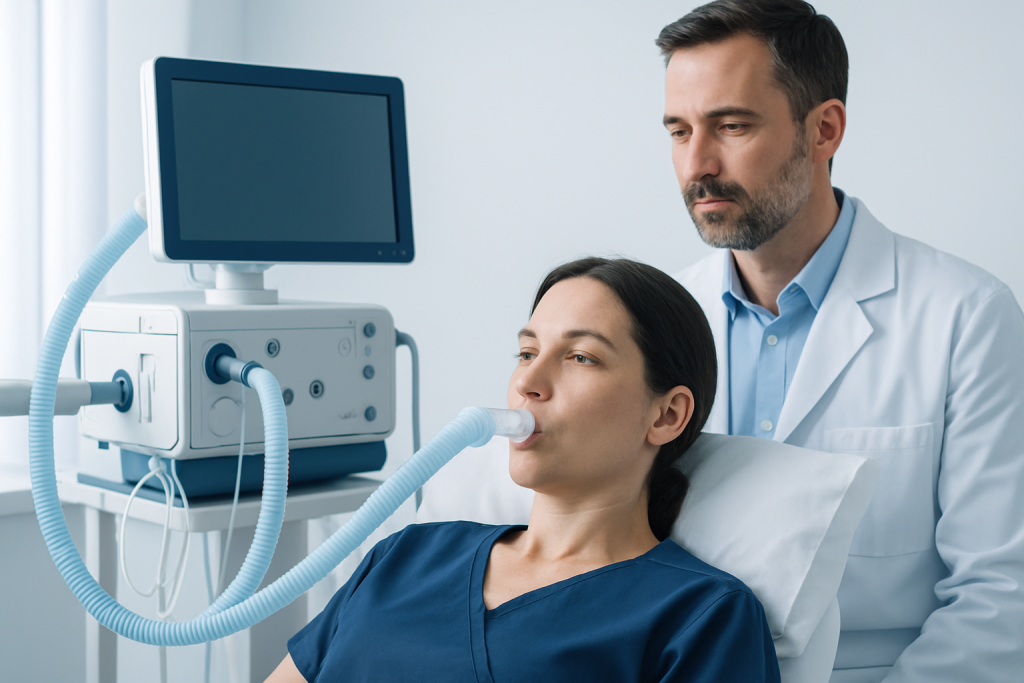
GERD mainly starts in the digestive tract, but the effects can extend beyond the chest and upper abdomen. Acid and other stomach contents may travel high enough to irritate the lining of the throat or even reach the airway entrance, triggering a reflex cough or a feeling of chest tightness.
Another pathway is through the body’s nerve reflexes. In some people, reflux in the esophagus can stimulate nerves that cause the airways to narrow, which may feel like wheezing or trouble taking a deep breath. This is one reason GERD and asthma-like symptoms sometimes appear together.
Reflux also tends to be more noticeable at night or after large meals. Lying flat can make it easier for stomach contents to move upward, which may explain why some people wake with coughing, hoarseness, or a dry throat and think the problem is “just in the lungs.”
Symptoms that may overlap with breathing problems

GERD-related breathing complaints are not always dramatic. Some people notice a mild but persistent cough, while others describe chest pressure, frequent throat clearing, or a sensation that breathing feels “restricted” even when oxygen levels are normal.
Common overlapping symptoms may include:
- Shortness of breath, especially after meals or when lying down
- Wheezing or a whistling sound during breathing
- Chronic cough, especially at night
- Hoarseness or voice fatigue
- Throat tightness, a lump-in-the-throat feeling, or frequent throat clearing
- Burning in the chest or sour fluid in the mouth
It is useful to note when symptoms happen, how long they last, and whether they improve with reflux measures. A symptom diary can give a doctor helpful clues during the evaluation.
Causes and risk factors
GERD develops when the lower esophageal sphincter, the valve between the esophagus and stomach, does not close as effectively as it should. That allows stomach acid to move upward more easily, especially after eating or when bending, lying down, or exerting pressure on the abdomen.
Several factors can raise the chance of reflux and related breathing symptoms. These may include excess body weight, pregnancy, hiatal hernia, smoking, large meals, late-night eating, certain foods that trigger symptoms in a given person, and some medicines that can relax the reflux barrier or irritate the digestive tract.
Some people are more sensitive to even small amounts of reflux, while others have asthma or chronic sinus problems that make throat irritation feel more severe. In practice, breathing symptoms are often the result of more than one factor rather than a single cause.
How doctors diagnose the problem
Because GERD-related breathing symptoms can resemble other illnesses, diagnosis usually begins with a detailed history and physical examination. A doctor may ask whether symptoms worsen after meals, during sleep, when bending forward, or during exercise, and whether there is heartburn, regurgitation, or throat irritation.
Depending on the pattern, testing may be used to confirm reflux or rule out other causes. Possible tests include upper endoscopy, ambulatory pH or pH-impedance monitoring, esophageal manometry, chest imaging, spirometry, or allergy and ENT evaluation if needed. Not every person needs every test; the workup is tailored to the symptoms.
The goal is not only to label the problem as GERD, but to understand whether reflux is truly driving the breathing complaint or whether another condition needs attention. That distinction matters because treatment choices differ.
Treatment options
Treatment usually focuses on reducing reflux and protecting the throat and airway from repeated irritation. Many people improve with a combination of lifestyle changes, medicines, and follow-up care. If an airway condition such as asthma is also present, both problems may need to be treated together.
General treatment approaches may include:
- Medications that reduce stomach acid or help control reflux
- Adjusting meal size, meal timing, and sleep positioning
- Reviewing medicines that might worsen reflux
- Managing coexisting asthma, postnasal drip, or sinus disease
- In selected cases, procedures or surgery for severe reflux that does not respond to other treatment
For people traveling from another country, coordinated care can be especially helpful. Follow-up planning matters, because reflux and breathing symptoms often improve gradually rather than overnight, and it is important to know what to expect once the person returns home.
Prevention and self-care
Small daily changes can reduce reflux episodes and may ease breathing-related symptoms. Elevating the head of the bed, avoiding late meals, and staying upright for a while after eating are simple steps that can make nighttime symptoms less likely.
It also helps to identify personal triggers. Some people notice symptoms after very fatty meals, chocolate, spicy dishes, coffee, carbonated drinks, or alcohol, while others do not. Because triggers vary, the most practical approach is to pay attention to patterns rather than follow a one-size-fits-all list.
Other helpful habits include avoiding tight clothing around the waist, maintaining a healthy weight if advised by a doctor, and not smoking. If reflux and breathing symptoms are frequent, a doctor may recommend a structured plan instead of relying only on home remedies.
When to see a doctor
Medical evaluation is important if reflux symptoms happen often, if breathing complaints keep returning, or if cough, wheezing, or hoarseness lasts more than a short time. A doctor should also be consulted when symptoms interfere with sleep, exercise, or daily activities.
Seek urgent medical care for sudden or severe shortness of breath, chest pain, blue lips, fainting, coughing up blood, or trouble speaking in full sentences. These symptoms can have serious causes and should not be assumed to be from GERD.
If GERD and breathing problems are both suspected, a gastroenterologist may work alongside an ENT specialist, pulmonologist, or cardiologist to identify the source of symptoms and build a safer treatment plan. Acibadem Health Point’s multidisciplinary specialists and JCI-accredited hospitals diagnose and treat this condition for international patients.
Frequently asked questions
01Can GERD really cause shortness of breath?
Yes, it can in some people. Reflux may irritate the throat or trigger airway reflexes that make breathing feel harder, especially after meals or at night. However, shortness of breath also has many other causes, so it should not be assumed to be GERD without an evaluation.
02What does reflux-related breathing trouble feel like?
People may describe a dry cough, wheezing, throat tightness, hoarseness, or a feeling that they cannot get a full breath. Some notice symptoms when lying down or after eating. The pattern can be subtle, so keeping track of timing is often helpful.
03Can GERD mimic asthma?
Yes. Reflux can trigger cough and wheeze that look similar to asthma, and some people have both conditions at once. A doctor may use breathing tests or reflux testing to sort out the difference.
04Will GERD breathing symptoms go away with treatment?
They often improve when reflux is controlled, especially if lifestyle changes and medication are used consistently. Improvement may take time, and some people need treatment for another condition as well. Follow-up helps ensure the plan is working.
05What should someone do if breathing suddenly becomes difficult?
Sudden or severe breathing difficulty needs urgent medical attention, even if the person has a history of GERD. Chest pain, fainting, blue lips, or inability to speak in full sentences are emergency warning signs. These symptoms should be checked right away.
06Is surgery ever used for GERD-related breathing problems?
Yes, but usually only when reflux is severe or does not respond well to other treatment. The decision depends on test results, symptom pattern, and overall health. A gastroenterologist or surgeon can explain whether it is appropriate.
This article is for general information only and is not a substitute for professional medical advice. Please consult a qualified doctor about your individual situation.
Persistent digestive symptoms? Get evaluated in Turkey
JCI-accredited · board-certified surgeons · reply within 24h
Add us as a Preferred Source to see more of our trusted health content across Google Search, AI Overviews and Discover.



How can we help you today?
Meet an Acibadem specialist by secure video, before you travel.
Book a video visit