

Bile Acid Malabsorption Treatment: Options, Effectiveness and Recovery
- 5 min read
- Published November 26, 2026
Key Takeaways
- Treatment often starts with bile acid binders, which can reduce diarrhea by keeping excess bile acids out of the colon.
- Doctors may also address the underlying cause, such as ileal disease, gallbladder surgery, or another digestive disorder.
- Dietary adjustments, hydration, and careful symptom tracking can support recovery and day-to-day comfort.
- Follow-up matters because dosing, tolerability, and nutrient status may need monitoring over time.
- Improvement is possible even when symptoms have been present for a long time, but the plan should be individualized.
Bile acid malabsorption treatment usually combines medicines that bind bile acids, targeted testing, and practical diet changes to reduce chronic diarrhea. The right plan depends on the cause, how severe symptoms are, and whether the problem follows surgery or another digestive condition.
Overview
In practical terms, treatment is often a step-by-step process rather than a single fix. A doctor may start with a trial of therapy, then adjust based on how the person responds, what side effects appear, and whether additional testing is needed. This is especially relevant for international patients who may arrive after months of symptoms and several different opinions.
Recovery is usually measured by more than stool frequency alone. A good plan also considers energy levels, hydration, weight stability, and whether the person can eat a broader diet without fear of sudden symptoms.
Symptoms
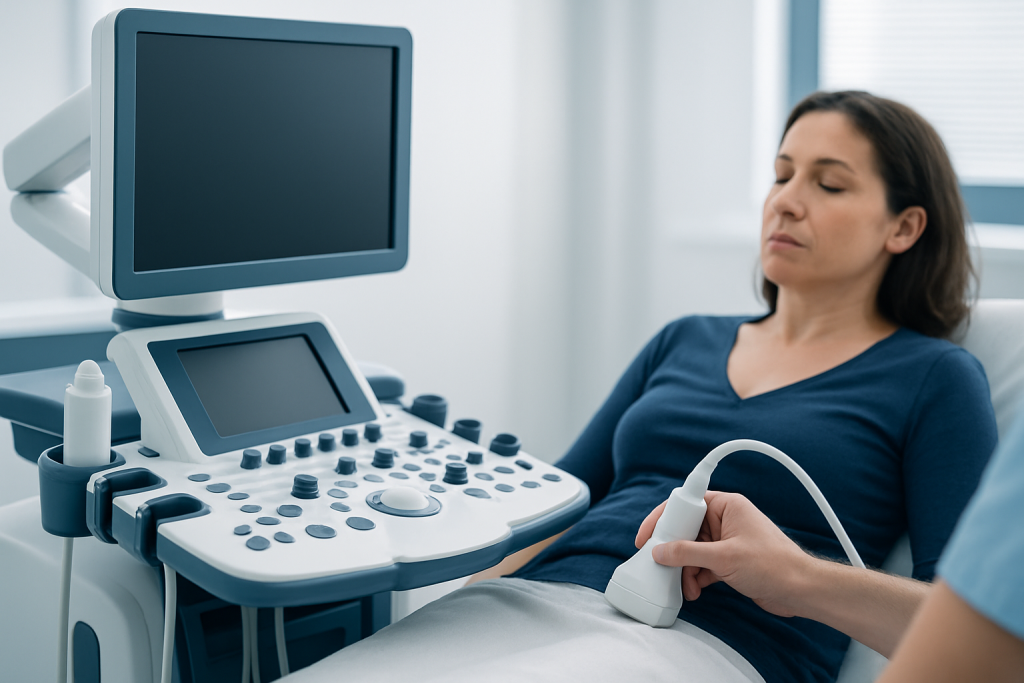
Not everyone experiences the same combination of symptoms. Some people mainly have urgency and frequent stools, while others describe pain and bloating with only intermittent diarrhea. A doctor will usually ask about stool pattern, timing, previous operations, and any history of bowel disease.
When symptoms are frequent or disruptive, the condition can affect work, travel, and social plans. That impact is one reason clinicians take chronic diarrhea seriously even when routine tests look normal.
Causes & Risk Factors

Understanding the cause matters because it can shape treatment. If the ileum is inflamed or shortened, for example, the doctor may need to balance symptom control with the risk of fat-soluble vitamin deficiency or other nutritional issues.
For that reason, a careful medical history is central. What happened before the symptoms started, and what changed afterward, often provides the most useful clue.
Diagnosis
For international patients, this stage may involve bringing prior reports, operation notes, and previous lab results so the care team can avoid repeating unnecessary testing. A good consultation should connect the symptom story with the operative and medical history rather than treating each symptom in isolation.
When diagnosis is uncertain, follow-up can be just as informative as the first visit. A structured trial of treatment, paired with symptom tracking, often helps clinicians determine whether bile acids are the main driver.
Treatment Options
A realistic treatment plan should feel manageable in everyday life. That means discussing how the medicine fits with meals, travel, work schedules, and other prescriptions before assuming it is “just another tablet” to add to the routine.
In multidisciplinary centers, gastroenterologists, dietitians, and, when needed, surgeons can work together to refine the plan. For international patients, that coordinated approach can be especially helpful when time on site is limited and care needs to be efficient.
Prevention & Self-care
It is also sensible to keep medicines organized and to separate bile acid binders from other prescriptions when instructed by the clinician. This helps avoid absorption problems and makes the routine easier to follow consistently.
If diarrhea has been long-standing, the doctor may check for dehydration, electrolyte imbalance, or nutrient deficiencies such as vitamins that depend on normal fat absorption. Self-care works best when it is paired with periodic medical review rather than used as a substitute for it.
When to See a Doctor
For people traveling for care, it is helpful to bring prior scans, operative reports, pathology results, and a list of all medicines and supplements. That allows the clinician to move faster from “what might this be?” to “what is the most practical next step?”
Acibadem Health Point’s multidisciplinary specialists and JCI-accredited hospitals diagnose and treat bile acid malabsorption for international patients, with coordinated follow-up when appropriate. The aim is to make evaluation and recovery as clear and structured as possible.
Frequently asked questions
01What is the first-line treatment for bile acid malabsorption?
A bile acid sequestrant is commonly used first because it binds excess bile acids in the intestine. The doctor may adjust the choice or timing based on how well symptoms improve and whether side effects occur. Treatment is usually individualized rather than identical for every patient.
02How long does it take to feel better after starting treatment?
Some people notice improvement fairly quickly, while others need a longer trial and dose adjustments. The timeline depends on the severity of symptoms, the underlying cause, and how consistently the medicine is taken. A follow-up visit is often needed to judge the response properly.
03Can bile acid malabsorption go away on its own?
It depends on the cause. If it is related to a temporary bowel issue, symptoms may improve when the underlying problem settles, but chronic forms often need ongoing management. A doctor can help determine whether the condition is likely to be long-term.
04Does diet matter in bile acid malabsorption?
Yes, but diet usually supports treatment rather than replacing it. Some people find that smaller meals or reducing very greasy foods helps, and a dietitian can help prevent overly restrictive eating. The most useful diet is the one matched to the person’s symptoms and nutrition needs.
05Is bile acid malabsorption the same as IBS?
No, but the symptoms can overlap, especially when diarrhea is the main problem. Some people diagnosed with irritable bowel syndrome actually have bile acid malabsorption instead or in addition. That is why a careful medical evaluation matters.
06What should be monitored during recovery?
Doctors may watch stool frequency, urgency, weight, hydration, and any side effects from treatment. In some cases, they also review nutrition and medications that could be affected by bile acid binders. Ongoing monitoring helps fine-tune the plan.
This article is for general information only and is not a substitute for professional medical advice. Please consult a qualified doctor about your individual situation.
Persistent digestive symptoms? Get evaluated in Turkey
JCI-accredited · board-certified surgeons · reply within 24h
Add us as a Preferred Source to see more of our trusted health content across Google Search, AI Overviews and Discover.



How can we help you today?
Meet an Acibadem specialist by secure video, before you travel.
Book a video visit