What Is I-Lipo Laser Treatment for Body Contouring?
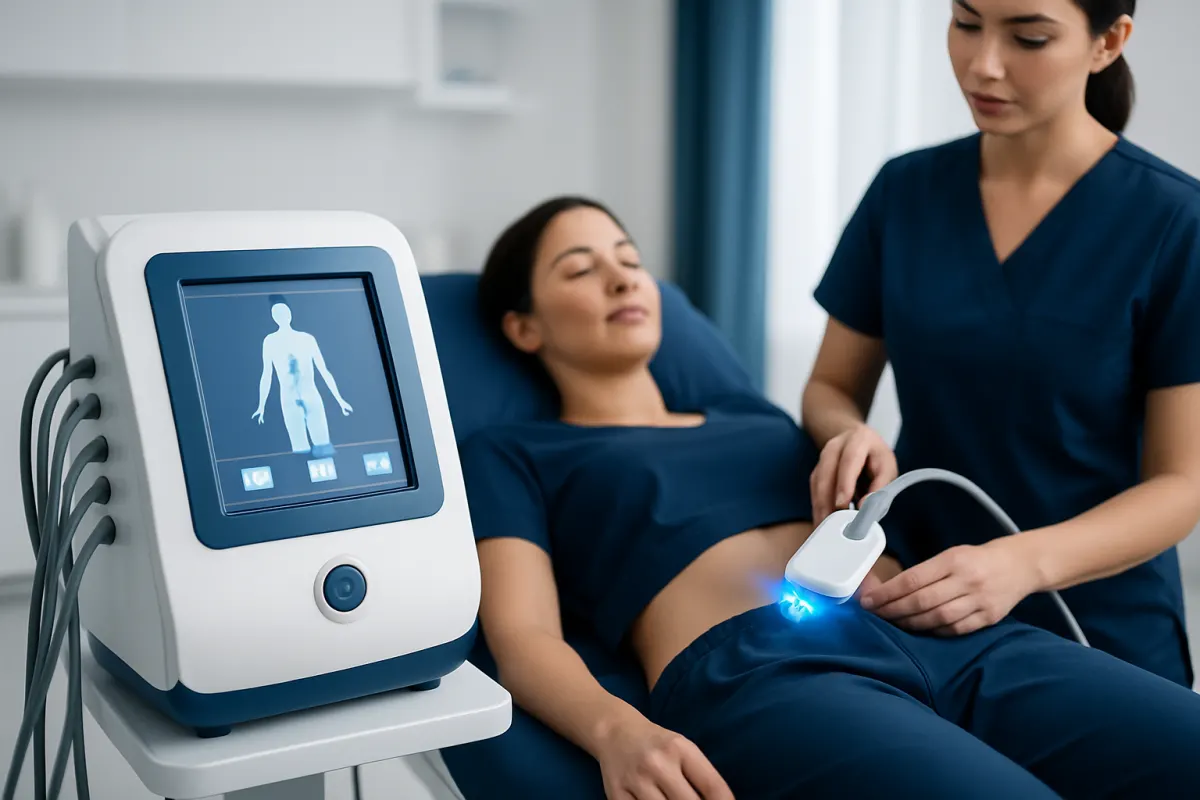
I Lipo laser treatment is a non-invasive body-contouring approach that uses low-level laser energy over selected areas of the body. It is designed for modest reduction in localized fat deposits, not for significant weight loss or as a substitute for healthy eating and regular activity.
Overview: What Is I Lipo Laser Treatment?
What is I Lipo laser treatment? I Lipo is a non-invasive body-contouring treatment that uses low-level laser energy applied to the skin over an area of localized fat. The aim is to help reduce measurements in selected areas, such as the abdomen, flanks, thighs, hips, upper arms, or under the chin, without surgical incisions or anesthesia.
The term may be used alongside phrases such as lipo light laser treatment or lipo sculpt laser treatment. These terms can describe similar low-level laser body-contouring services, but devices, treatment protocols, regulatory status, and expected outcomes may differ. A patient should ask the provider which device is being used and what evidence supports its intended use.
I Lipo treatment is best understood as contouring rather than weight-loss treatment. It may be considered by adults who are close to a stable, healthy weight but remain concerned about a small area of fat that has not changed as desired with lifestyle measures. It does not treat obesity, improve overall fitness, or reliably address loose skin.
How I Lipo Laser Treatment Works
During treatment, panels or pads containing low-level laser diodes are positioned against the skin in the target area. The devices deliver light energy at a low intensity, which does not cut, burn, or remove tissue in the way that surgical lasers can. The proposed effect is that laser energy temporarily influences fat cells so stored lipids can be released and processed through normal metabolic pathways.
The scientific evidence for low-level laser body contouring is mixed and outcomes are generally modest. Some studies and regulatory clearances support circumference reduction with certain devices when used according to their approved indications, while other research has limitations in size, design, or follow-up. Results should therefore be approached realistically and discussed with an appropriately trained clinician.
Lipo laser treatment for belly fat or the stomach is commonly requested. However, abdominal fat can include both subcutaneous fat, which lies beneath the skin, and visceral fat, which lies deeper around internal organs. External contouring treatments target superficial areas and are not a treatment for visceral fat or the health risks associated with excess abdominal weight.
Who May Be a Candidate?

A suitable candidate is usually an adult in generally good health who has a stable weight and realistic goals for minor contour changes. They may have a localized area of soft fat despite regular physical activity and balanced nutrition. A consultation should include discussion of the target area, skin quality, medical history, medications, and the likelihood that the desired outcome can be achieved non-surgically.
I Lipo is not generally intended for people seeking major weight reduction. Individuals with a large amount of excess weight may benefit more from structured medical weight management and evaluation of the factors contributing to weight gain. People considering procedures for larger-volume fat removal may also wish to discuss liposuction with a qualified plastic surgeon, as it has a different purpose, recovery period, and risk profile.
Pregnancy and breastfeeding are common reasons to postpone elective body-contouring treatment. A clinician may also advise against treatment or request further assessment for people with active skin infection or wounds at the treatment site, significant liver or kidney disease, certain cancers, implanted electronic devices, photosensitivity, or conditions and medicines that make light-based treatment unsuitable.
- Stable weight and localized, pinchable fat in a treatable area
- Realistic expectations about subtle to moderate contour improvement
- Commitment to maintaining healthy nutrition and activity habits
- No medical contraindication identified during clinical assessment
What Happens During and After the Procedure?
Before treatment, the provider usually reviews goals, takes measurements or photographs where appropriate, and marks the planned treatment area. The skin should be clean, with no lotions or oils that might interfere with pad placement. Protective eyewear may be used according to the device instructions.
The laser pads are placed over the chosen area and held in position for the planned session. Treatment is usually comfortable. A person may notice mild warmth, pressure from the pads, or no sensation at all. Sessions and total treatment courses vary by device, area treated, and the clinician’s plan, so patients should receive clear information in advance rather than assume all services follow the same schedule.
Most people return to normal daily activity immediately. Providers may encourage hydration and regular movement following a session, although these measures should not be presented as guarantees of better results. Any visible change is usually assessed over subsequent weeks and may require several sessions. Maintaining a stable weight is important because remaining fat cells can still enlarge if overall calorie intake consistently exceeds energy needs.
Does I Lipo Laser Really Work?
I Lipo laser may produce a modest reduction in circumference or improvement in the contour of a treated area for some carefully selected people. It is not a reliable method for large fat loss, and it does not create the same degree of change as surgical fat removal. Outcomes depend on the device, treatment protocol, body area, baseline body composition, and lifestyle after treatment.
Evidence for low-level laser body contouring supports cautious expectations rather than dramatic before-and-after claims. A reputable provider should explain what results are reasonably possible for that individual, how they will be measured, and what alternative options are available. They should also avoid promising a particular clothing size, weight change, or permanent result.
For people mainly concerned about body weight or metabolic health, a medical assessment is more useful than a cosmetic procedure alone. Nutrition, activity, sleep, medication review, and treatment of contributing health conditions can all play a role in sustainable weight management.
Benefits, Risks, and Downsides of Lipo Laser Treatment
Potential benefits include no surgical incision, no general anesthesia, little or no downtime, and the ability to target a small area of concern. For the right person, this can make treatment appealing when they prefer a less invasive option and accept that improvement is likely to be limited.
What are the downsides of lipo laser treatment? The main limitation is that results can be subtle, variable, and not guaranteed. Multiple appointments may be recommended, the treatment does not address all types of fat or skin laxity, and changes may be difficult to notice without standardized measurements. It may also be unsuitable for people whose goals would be better met by lifestyle treatment, medication-based weight management, surgery, or no procedure at all.
Reported lipo laser treatment side effects are usually mild and temporary, such as redness, warmth, tenderness, swelling, bruising, or skin sensitivity in the treated area. Less commonly, a person may experience discomfort or an uneven cosmetic result. Any device-based procedure also carries a risk of inappropriate use, which is why treatment should be provided by trained professionals following device guidance and proper screening.
Urgent medical attention is appropriate for severe or worsening pain, extensive blistering or burns, spreading redness, fever, shortness of breath, chest pain, or signs of an allergic reaction. These symptoms are not expected after routine low-level laser treatment and need prompt evaluation.
What Does Lipo Laser Cost?
What is lipo laser treatment cost? There is no single lipo laser treatment price because costs vary by country, clinic, device, treatment area, number of sessions, clinician expertise, and whether consultation or follow-up is included. Pricing should not be the only factor in choosing a provider, particularly for a treatment involving medical screening and device safety.
Before booking, a person can request a written explanation of what the quoted fee covers. Helpful questions include how many sessions are recommended, whether additional sessions may be needed, what happens if treatment is stopped early, and whether post-treatment review is included. A provider should also explain that a package does not guarantee a specific outcome.
It is reasonable to compare options, but unusually low prices or pressure to buy a large package should prompt caution. Choosing a qualified provider who discusses risks, alternatives, and expected limits is more important than choosing solely on price.
How Long Does Lipo Laser Last, and When to Seek Medical Care
How long does lipo laser last? If a contour improvement occurs, it can last as long as a person maintains a stable weight and healthy lifestyle. The body continues to store fat in remaining fat cells, however, so weight gain can change the appearance of the treated area. I Lipo should not be viewed as a permanent safeguard against future fat accumulation.
A person should seek medical advice before treatment if they are pregnant, have a significant medical condition, use medicines that affect light sensitivity or healing, or have a history of skin reactions to energy-based procedures. They should seek medical care after treatment for symptoms that are severe, persistent, or concerning, including burns, marked swelling, infection-like changes, or unexpected systemic symptoms.
For personalized assessment, Acıbadem Health Point’s multidisciplinary specialists and JCI-accredited hospitals support international patients who are exploring appropriate aesthetic and medical treatment options. A consultation can help distinguish localized contour concerns from broader weight or health needs and identify the safest next step.
Frequently asked questions
01Is I Lipo the same as liposuction?
No. I Lipo is a non-invasive low-level laser body-contouring treatment applied externally to the skin. Liposuction is a surgical procedure in which fat is removed through small incisions using a cannula, and it generally produces more noticeable contour change but has more recovery and surgical risks.
02Can I Lipo laser treatment help with belly fat?
It may help contour a small amount of superficial fat beneath the skin in the abdominal area for some people. It does not treat visceral fat around internal organs and is not a solution for obesity or the health risks linked with excess abdominal weight.
03Is lipo laser treatment painful?
Most people report little discomfort during low-level laser treatment. Mild warmth, pressure, tenderness, or temporary skin sensitivity may occur, depending on the device and the individual.
04How many I Lipo sessions are needed?
The number of sessions varies according to the device, target area, treatment protocol, and desired level of contouring. A qualified provider should recommend a plan after assessing the individual rather than offering a standard number of sessions to everyone.
05Can fat return after I Lipo treatment?
Remaining fat cells can enlarge if a person gains weight after treatment, which can change the treated area's appearance. Regular activity, balanced nutrition, and weight stability are important for maintaining any contour improvement.
06Who should avoid lipo laser treatment?
People who are pregnant or breastfeeding, have an active skin problem in the treatment area, or have certain medical conditions may need to avoid or postpone treatment. A clinician should review medical history, medicines, implanted devices, and any concern about photosensitivity before proceeding.
This article is for general information only and is not a substitute for professional medical advice. Please consult a qualified doctor about your individual situation.
Medical weight-loss options in Turkey — costs & eligibility
JCI-accredited · board-certified surgeons · reply within 24h
Add us as a Preferred Source to see more of our trusted health content across Google Search, AI Overviews and Discover.