Snoring Laser Treatment Price: What Affects Cost?
Snoring laser treatment price cannot be quoted reliably without an individual assessment, because the total cost depends on the type of laser procedure, number of sessions, clinician expertise, facility fees and whether testing for sleep apnea is required. Laser treatment may help selected people with simple snoring, but it is not appropriate for everyone and should not replace evaluation for obstructive sleep apnea.
Snoring Laser Treatment Price: What Is Included?
Snoring laser treatment price varies widely, so it is best understood as an individualized care estimate rather than a fixed amount. The final snoring laser treatment cost may reflect the initial consultation, examination of the nose and throat, possible sleep testing, the laser procedure itself, anesthesia or numbing medication when needed, facility charges, follow-up visits and any additional sessions.
People asking how much laser treatment for snoring costs should also ask what is included in the quote. Some approaches are performed as a series of office-based treatments, while others are surgical procedures involving tissue removal or reshaping. These differ in preparation, recovery, monitoring and cost structure.
Cost should not be the only factor guiding a decision. An appropriately targeted treatment is more useful than a lower-cost procedure that does not address the actual source of airway narrowing. A clinician can explain expected out-of-pocket costs, insurance considerations where relevant, alternatives and whether evaluation for sleep apnea is needed first.
How Laser Treatment for Snoring Works
Snoring occurs when relaxed tissues in the upper airway vibrate as air passes through during sleep. The vibration may arise from the soft palate, uvula, tongue base, nasal passages or a combination of areas. Nasal blockage, sleeping position, alcohol use, excess body weight and some anatomical features can make snoring more likely.
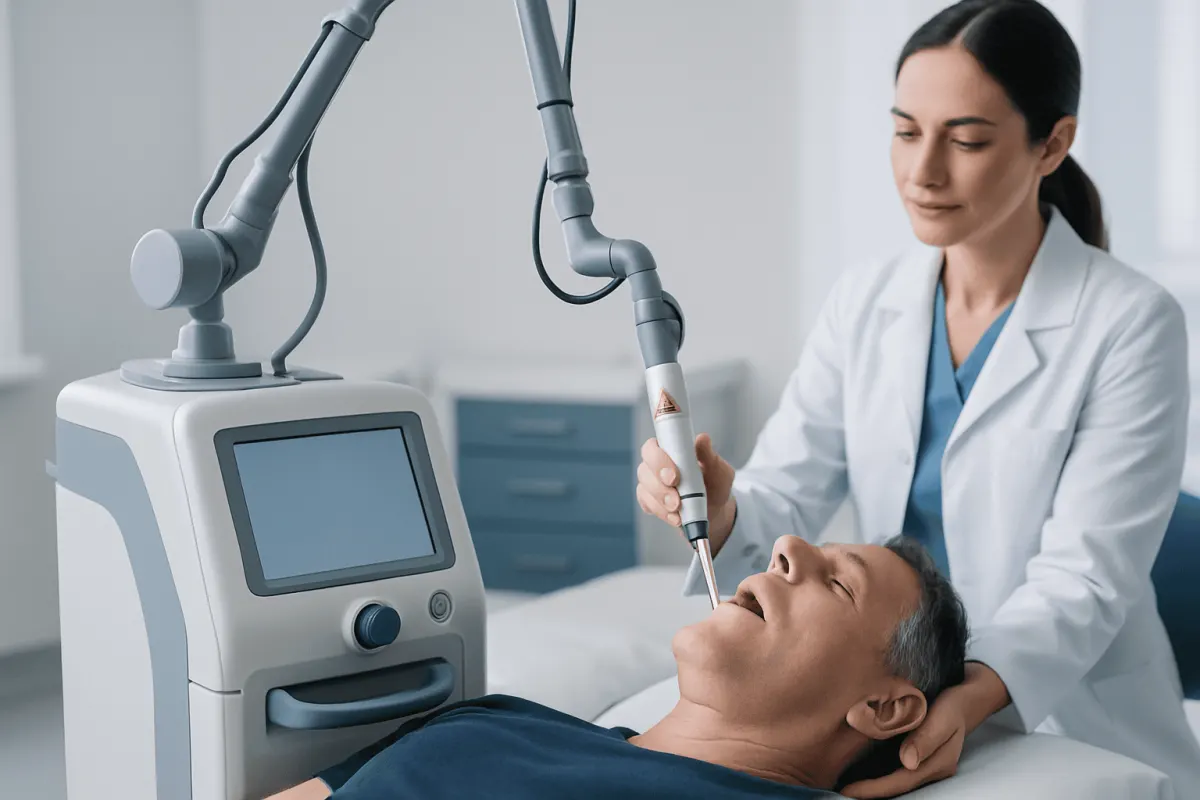
Laser treatment uses focused light energy to change targeted soft tissues. Depending on the method, it may gently heat tissue to encourage tightening and collagen remodeling, or it may remove or reshape a limited amount of tissue around the soft palate and uvula. The intended result is less tissue vibration or a more open airflow pathway.
Laser therapy is not a single standardized procedure. The equipment, area treated, number of treatments and expected recovery vary. An ear, nose and throat specialist should identify where snoring originates before recommending a laser approach. Snoring can also occur alongside obstructive sleep apnea, a condition that needs a different assessment and may require different treatment.
Who May Be a Candidate for Laser Snoring Treatment?

Laser treatment may be considered for adults with primary snoring caused mainly by soft-palate vibration, particularly when lifestyle measures and treatment of nasal symptoms have not provided enough relief. A person may be more suitable when examination shows a clear, localized area that could reasonably respond to tissue tightening or reshaping.
Before treatment, clinicians usually ask about snoring pattern, nasal congestion, sleep quality, medicines, alcohol use, weight changes and daytime functioning. They may examine the nose, mouth, throat and jaw, and may recommend a sleep study if there are symptoms suggesting sleep apnea.
Laser treatment is generally not a first-line substitute for proven sleep apnea care. People with significant pauses in breathing, low oxygen levels, marked daytime sleepiness or complex upper-airway obstruction may need treatments such as continuous positive airway pressure (CPAP) therapy, an oral appliance, weight management or another procedure based on the cause.
- Potential candidates have snoring that has been clinically assessed.
- They understand that improvement, rather than complete silence, may be the realistic goal.
- They can attend follow-up visits and follow recovery instructions.
- They do not have untreated symptoms that strongly suggest significant sleep apnea.
What Happens During the Procedure and Recovery?
The treatment pathway starts with a consultation and airway assessment. If the clinician recommends laser treatment, they will explain the planned technique, the expected number of sessions or procedure stages, likely discomfort, alternatives and consent. Some office-based treatments use a local anesthetic; more extensive laser surgery may require a different anesthesia plan.
During treatment, the clinician directs laser energy to selected tissue in the mouth or throat. The procedure duration depends on the technique and areas treated. Afterward, patients are usually observed briefly and receive instructions about drinking fluids, food choices, oral care, activity and pain management.
Recovery varies from mild throat dryness or soreness after non-ablative treatment to more notable throat pain and temporary swallowing discomfort after tissue-removing surgery. Soft foods, adequate hydration and avoiding smoke and alcohol during healing may be advised. Follow-up allows the clinician to assess healing and whether snoring has changed.
Benefits may include reduced snoring intensity for selected patients and relatively limited downtime with some techniques. However, results can be incomplete, may take time to develop, and may lessen if body weight, nasal obstruction or other airway factors change.
Risks, Limits and Questions to Ask About Cost
Like all medical procedures, laser treatment has potential risks. These can include pain, swelling, throat irritation, temporary swallowing difficulty, infection, bleeding, changes in voice quality, scarring, persistent snoring or a need for additional treatment. The level of risk depends on the technique and the extent of tissue treated.
It is useful to ask whether the proposed fee covers pre-procedure testing, anesthetic care, the clinician’s fee, facility use, medication, planned follow-up and management of unexpected concerns. Patients can also ask whether multiple laser sessions are anticipated and what alternative approaches are available if symptoms remain.
A transparent consultation should address both value and medical suitability. The snoring laser surgery cost may be different from the cost of non-surgical laser sessions because their clinical goals and care requirements are not the same. No responsible provider can promise a specific result before evaluating the airway and sleep symptoms.
Is There a 100% Cure for Snoring?
No. There is no 100% cure for snoring because snoring has several possible causes and these may change over time. Treatment can substantially reduce snoring for some people, but the outcome depends on airway anatomy, nasal health, sleep position, weight, alcohol or sedative use, smoking and the presence of sleep apnea.
When a specific contributor is identified, addressing it may produce lasting improvement. For example, treating nasal obstruction, changing sleep habits, using an oral device when appropriate or managing sleep apnea can reduce airway vibration. A tailored plan is more realistic and safer than expecting one procedure to cure every type of snoring.
How Effective Is Laser Treatment for Snoring?
Laser treatment can reduce snoring in carefully selected patients, especially when the soft palate is the principal source of vibration. Effectiveness is variable because snoring often has more than one contributing factor. It may be less helpful when obstruction involves the tongue base, severe nasal blockage, substantial excess weight or untreated sleep apnea.
Patients should consider effectiveness in terms of meaningful symptom improvement, not simply whether snoring disappears completely. A bed partner’s observations, sleep quality and daytime alertness can all be helpful measures, while continued pauses in breathing or sleepiness need further medical evaluation.
Evidence and clinical experience differ by laser technique, so patients should ask the clinician why a specific approach is recommended for their anatomy. When sleep apnea is diagnosed, treatment should focus on controlling the condition and protecting health rather than relying on snoring volume alone.
What Is the Success Rate of Snoring Surgery?
There is no single success rate for snoring surgery. Outcomes vary with the operation performed, the definition of success, the cause of snoring, patient selection and whether obstructive sleep apnea is also present. Studies may measure reduced sound intensity, bed-partner reports, symptom scores or changes in sleep-study findings, which are not interchangeable.
For this reason, an individual prediction should come after a thorough ENT and sleep assessment. Surgery can be beneficial for appropriately selected people, but it can leave residual snoring and does not always prevent symptoms from returning later. Discussing non-surgical options and the possibility of further treatment supports informed decision-making.
Can You Permanently Fix Snoring?
In some people, correcting a clearly defined cause can lead to long-term improvement, but snoring cannot always be permanently fixed. Aging, weight changes, nasal allergies, alcohol use, sleeping position and changes in muscle tone can affect the airway after treatment.
Long-term management often combines medical care with practical measures. Maintaining a healthy weight where appropriate, sleeping on the side, avoiding alcohol close to bedtime, treating nasal allergies under medical guidance and keeping regular sleep hours may help reduce symptoms. If snoring changes or returns, reassessment can identify new or ongoing contributors.
Acıbadem Health Point’s multidisciplinary specialists and JCI-accredited hospitals assess snoring and sleep-related breathing concerns for international patients, helping match treatment to the underlying cause rather than to a single symptom.
When to Seek Medical Care
Medical assessment is important when snoring is loud and persistent, disrupts sleep, or is accompanied by witnessed pauses in breathing, choking or gasping during sleep. Other concerning symptoms include excessive daytime sleepiness, morning headaches, poor concentration, high blood pressure or falling asleep unintentionally during daily activities.
Urgent medical advice is appropriate if sleepiness creates a safety risk, such as drowsiness while driving or operating machinery. Children who snore regularly should also be assessed, particularly if they have breathing pauses, restless sleep, behavioral changes or difficulty thriving.
An ENT specialist or sleep clinician can distinguish simple snoring from sleep-disordered breathing and recommend appropriate testing and treatment. This evaluation is particularly important before pursuing laser treatment or any snoring surgery.
Frequently asked questions
01What affects snoring laser treatment price?
The price depends on the laser technique, the number of planned sessions, the area being treated, anesthesia needs and the clinical setting. It may also include consultation, sleep testing, follow-up care and medication. A personalized estimate after assessment is more meaningful than a headline price.
02Is laser treatment for snoring painful?
Comfort levels vary by procedure. Office-based laser treatments may cause warmth, temporary irritation or mild throat soreness, while laser surgery can cause more significant discomfort during recovery. The treating clinician can explain the anesthesia plan and options for managing symptoms.
03Does laser treatment cure sleep apnea?
Laser treatment for snoring should not be assumed to cure obstructive sleep apnea. Sleep apnea requires formal assessment because it can involve repeated airway collapse and reduced oxygen during sleep. Treatment is chosen according to severity and the person's airway anatomy and health needs.
04How long does it take to see results after laser treatment for snoring?
The timeline depends on the technique used. Some people notice changes after healing, while treatments designed to stimulate tissue tightening may require several weeks or multiple sessions before the full effect is assessed. Follow-up is important to review progress and ongoing symptoms.
05Will snoring return after laser treatment?
Snoring can return or persist if there are untreated contributors such as nasal obstruction, weight changes, alcohol use, sleeping position or sleep apnea. Even when a procedure improves the soft palate, other parts of the airway may still contribute to noise. Ongoing lifestyle measures and review of recurrent symptoms can help.
06Should a person have a sleep study before laser snoring treatment?
A sleep study may be recommended when there are breathing pauses, gasping, marked daytime tiredness, high blood pressure or other signs of sleep apnea. Not every person who snores needs the same test, but screening for sleep-disordered breathing is an important safety step before treatment. A clinician can advise which evaluation is appropriate.
This article is for general information only and is not a substitute for professional medical advice. Please consult a qualified doctor about your individual situation.
Explore treatments in Turkey — costs, top hospitals & a free quote
JCI-accredited · board-certified surgeons · reply within 24h
Add us as a Preferred Source to see more of our trusted health content across Google Search, AI Overviews and Discover.