Double Mastectomy With Reconstruction: Recovery
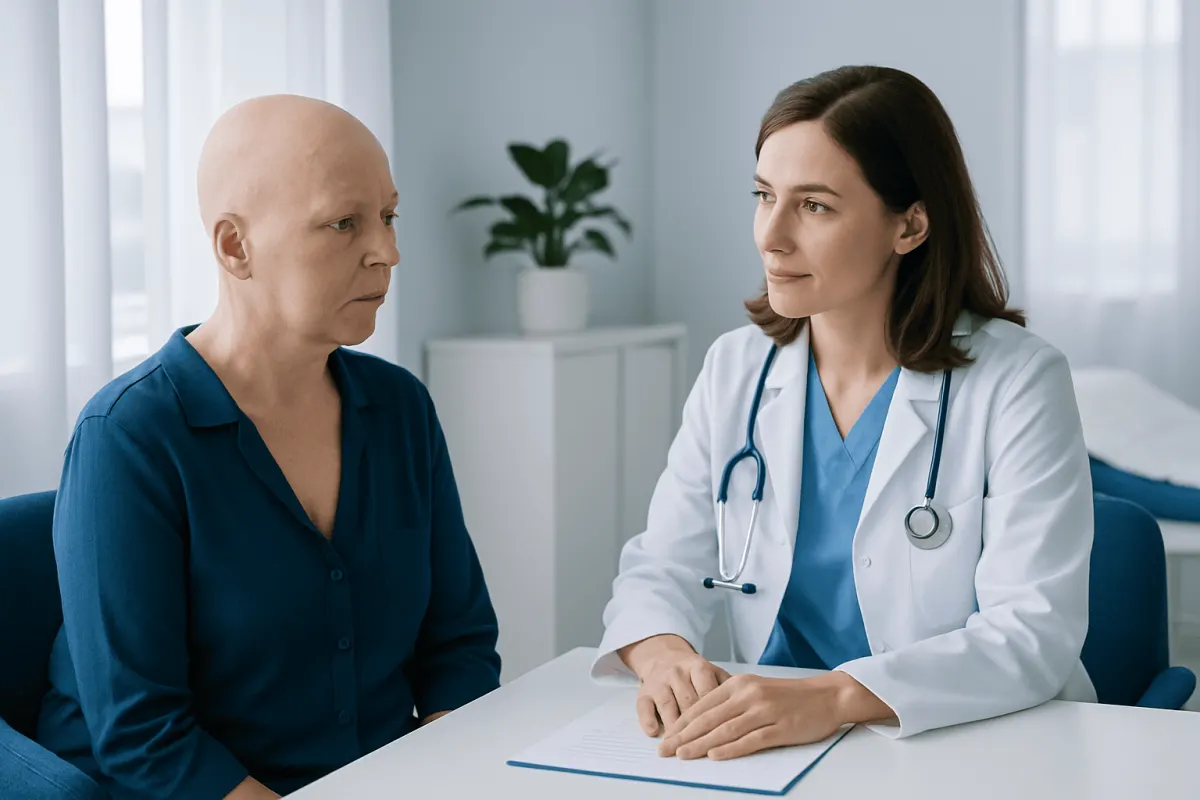
Double mastectomy with reconstruction is surgery to remove both breasts and create a new breast shape during the same operation or at a later stage. It may be used to treat breast cancer or reduce cancer risk in selected people, with decisions guided by a breast surgeon and reconstructive plastic surgeon.
Double Mastectomy with Reconstruction: An Overview
Double mastectomy with reconstruction is an operation in which a surgeon removes breast tissue from both breasts and a reconstructive surgeon restores breast shape with implants, the person’s own tissue, or both. Reconstruction may happen immediately after mastectomy or be delayed until cancer treatment and recovery are further along.
The procedure may be recommended for cancer affecting both breasts, cancer in one breast with a high risk in the other breast, or for people with certain inherited cancer-risk gene changes or a strong family history. For someone with cancer in one breast, removing the unaffected breast is not automatically the best option; the likely benefit depends on cancer type, genetic findings, future risk and personal priorities.
There are several mastectomy approaches. A skin-sparing mastectomy preserves most breast skin, while a nipple-sparing mastectomy may preserve the nipple and areola when it is medically safe. In other cases, the nipple and more skin need to be removed to achieve the appropriate cancer treatment or risk-reduction plan.
Planning the Procedure and Reconstruction
Planning usually involves a breast surgeon, plastic and reconstructive surgeon, medical oncologist when cancer treatment is needed, and specialist nurses. The team considers biopsy and imaging results, breast size and shape, prior surgery or radiation, overall health, smoking status, medications, and whether chemotherapy or radiation may be needed after surgery.
Implant reconstruction may be performed in one stage with a permanent implant or in two stages using a temporary tissue expander that is gradually filled before a later implant exchange. Autologous, or flap, reconstruction uses tissue from an area such as the lower abdomen, thigh or back. It can create a breast mound using living tissue but involves a longer operation and recovery at both the chest and donor site.
During a mastectomy for cancer, the surgeon may also perform a sentinel lymph node biopsy or other underarm lymph node surgery. If radiation is likely, it can influence the timing and type of reconstruction because radiation may affect wound healing, implant results and reconstructed tissue. A staged plan can allow cancer treatment to proceed while preserving future reconstruction options.
Recovery Timeline and the Most Challenging Days
Recovery varies with the mastectomy technique, whether lymph nodes are removed, and the type of reconstruction. A hospital stay may be brief or longer for more complex flap surgery. In the first weeks, patients commonly have chest tightness, fatigue, swelling, bruising, numbness and restricted arm movement. Surgical drains are often used for several days or weeks to collect fluid while tissues heal.
What is the hardest part of recovery from a double mastectomy?
The hardest part is different for each person. Many find that managing fatigue, sleeping comfortably, caring for drains, limiting lifting and adapting to changes in body image are more difficult than expected. Those having flap reconstruction may also need to manage soreness and movement restrictions at the tissue donor site, while emotional recovery can continue well after physical healing.
What are the worst days after a mastectomy?
For many patients, the first several days after surgery are the most physically demanding because anesthesia effects, swelling, discomfort and limited mobility are greatest then. The period after returning home can also feel challenging as patients adjust to drains and self-care. Symptoms should gradually improve rather than become more severe; worsening pain, swelling or illness should be reported to the surgical team.
Pain and Comfort After Surgery
Pain after a double mastectomy with reconstruction ranges from mild to significant and depends on the operation, individual pain sensitivity and healing. Patients may experience aching, pressure, tightness or burning around the chest. Numbness is very common because small sensory nerves are divided during mastectomy, and altered sensation may persist even when some feeling returns over time.
How painful is a double mastectomy with reconstruction?
Most patients have noticeable discomfort during the first days, but pain can usually be reduced with a coordinated plan that may include anesthesia techniques, non-opioid medicines and, when appropriate, short-term stronger pain relief. Implant-based reconstruction often causes chest pressure or tightness, while flap reconstruction can also cause pain at the abdomen, thigh or back. Pain that is sudden, increasing or poorly controlled needs prompt clinical assessment.
Comfort measures may include supported sleeping positions, short gentle walks, prescribed arm exercises and wearing any recommended surgical garment. Patients should take medicines only as directed by their treating team and should ask before adding over-the-counter medicines, supplements or herbal products, as some can increase bleeding risk or interact with prescribed treatment.
Appearance, Sensation and Long-Term Results
Reconstruction aims to restore a breast contour under clothing and help patients feel more comfortable with their body, but it does not recreate the original breast exactly. The final appearance is affected by skin quality, scarring, body shape, radiation history, implant position or flap healing, and whether nipple reconstruction or tattooing is chosen later.
What do reconstructed breasts look like after a double mastectomy?
Immediately after surgery, reconstructed breasts often appear swollen, high on the chest, firm or uneven. Scars may run across or around the breast and can fade gradually, although they do not disappear completely. Over months, swelling settles and implants or flap tissue soften, but some difference in shape, position or size between sides can remain.
Even with nipple-sparing surgery, nipple sensation is commonly reduced or absent. Reconstructed breasts generally do not regain the same natural sensation or the ability to breastfeed. Some patients later choose nipple reconstruction, medical tattooing, scar treatment or revision surgery, while others prefer no further procedures. Follow-up remains important because new lumps, skin changes or persistent symptoms should always be assessed.
Possible Risks and Ongoing Follow-Up
Like all major operations, double mastectomy with reconstruction carries risks. These can include bleeding, infection, fluid collection called seroma, delayed wound healing, skin or nipple tissue loss, anesthesia complications and blood clots. The likelihood of complications can be higher with smoking, uncontrolled diabetes, obesity, poor circulation, previous radiation or some medical treatments.
Reconstruction-specific risks depend on the method used. Implants can develop hard scar tissue around them, known as capsular contracture, shift in position, rupture or infection that occasionally requires removal. Flap reconstruction can have wound problems at the donor site, partial tissue loss or blood-flow problems that need urgent treatment. Some patients require a later adjustment procedure to improve contour or symmetry.
Underarm lymph node surgery can increase the risk of shoulder stiffness, numbness and lymphedema, which is swelling caused by impaired lymph drainage. Physiotherapy guidance can help restore movement safely. After bilateral mastectomy, routine mammograms are often no longer used for removed breast tissue, but the oncology and surgical team will recommend an individualized follow-up plan and assess any new concern.
Preparing for Recovery and Supporting Well-Being
Preparation can make the early recovery period more manageable. Before surgery, patients can discuss medication adjustments, Treatment Options and Relapse Prevention" class="ahp-ilk">smoking cessation, nutrition, activity limits, drain care and expected help at home. Arranging loose front-opening clothing, pillows for comfortable positioning and practical support with meals, transport and household tasks may reduce strain after discharge.
After surgery, the team usually provides instructions for incision and drain care, bathing, sleeping, activity and follow-up visits. Short walks and gentle prescribed exercises can support circulation and shoulder movement, but lifting, vigorous exercise and driving should wait until the surgeon confirms it is safe. Adequate protein, fluids and rest support healing.
Body image, intimacy, anxiety and grief are valid aspects of recovery. Speaking with a specialist nurse, counselor, psychologist, support group or trusted family member may help patients process the changes. A patient should not feel pressured to choose reconstruction, a particular reconstruction method or any additional cosmetic revision; the best plan is one that aligns medical safety with personal goals.
When to Seek Medical Care
Patients should contact their surgical team promptly for increasing redness, warmth, swelling, worsening pain, fever or feeling unwell, cloudy or foul-smelling drainage, persistent bleeding, an opening incision, sudden breast shape changes, or problems with a drain. Urgent emergency assessment is needed for chest pain, shortness of breath, fainting, or sudden swelling and pain in one leg.
- New severe swelling or rapidly increasing bruising may indicate bleeding or fluid buildup.
- A pale, dark, cool or markedly painful area of reconstructed tissue needs urgent review.
- Persistent emotional distress, sleep problems or difficulty coping also deserves medical support.
For international patients, Acıbadem Health Point’s multidisciplinary specialists at JCI-accredited hospitals can assess mastectomy and reconstruction options and coordinate care with breast, plastic surgery and oncology teams. Individual recommendations should always be based on a full clinical evaluation and the patient’s treatment goals.
Frequently asked questions
01How long does recovery from a double mastectomy with reconstruction take?
Initial healing often takes several weeks, but the overall recovery period depends on the reconstruction type and whether additional cancer treatment is needed. Implant-based reconstruction may allow a faster physical recovery than flap surgery, while flap procedures also require healing at the donor site. Swelling, scar maturation and adjustment to sensation changes can continue for several months.
02Can reconstruction be done at the same time as a double mastectomy?
Yes, immediate reconstruction is possible for many patients and begins during the same anesthetic as the mastectomy. Delayed reconstruction may be preferred when radiation, chemotherapy, medical conditions, infection risk or personal circumstances make waiting safer or more suitable. Both approaches can be appropriate depending on the individual treatment plan.
03Does a double mastectomy prevent breast cancer completely?
No. Removing both breasts greatly reduces breast cancer risk for selected high-risk patients, but it cannot remove every breast cell. A small remaining risk is still possible, so patients should continue follow-up care and report any new chest-wall, skin or underarm changes.
04Can the nipples be preserved during double mastectomy?
Nipple-sparing mastectomy may be an option when the cancer is sufficiently far from the nipple and the blood supply to the preserved skin is likely to be adequate. It is not safe or appropriate in every situation. Even when nipples are preserved, sensation commonly changes substantially.
05Do breast implants after reconstruction need to be replaced?
Breast implants are not considered lifetime devices, but they do not need routine replacement on a fixed schedule if there is no problem. Some people need later surgery because of rupture, capsular contracture, infection, discomfort, shifting position or a desire to change size or shape. Ongoing follow-up helps identify concerns early.
06Can radiation or chemotherapy affect reconstruction results?
Yes. Radiation can affect skin elasticity, healing and the long-term appearance of implant or flap reconstruction. Chemotherapy may also influence the timing of surgery and healing. The breast surgeon, oncologist and reconstructive surgeon can coordinate the sequence of treatment to balance cancer care with reconstruction goals.
This article is for general information only and is not a substitute for professional medical advice. Please consult a qualified doctor about your individual situation.
Oncology care in Turkey — second opinion and treatment plan
JCI-accredited · board-certified surgeons · reply within 24h
Add us as a Preferred Source to see more of our trusted health content across Google Search, AI Overviews and Discover.