

What Is Foul Smelling Bowel? A Complete Medical Guide
- 8 min read
- Published November 27, 2026
Key Takeaways
- Foul smelling bowel movements are often temporary and related to diet, infection, or changes in gut bacteria.
- Persistent changes in stool odor with diarrhea, weight loss, pain, or greasy stools deserve medical review.
- Malabsorption, infections, food intolerances, and some medications can all affect stool smell.
- Diagnosis usually depends on history, stool tests, blood tests, and sometimes imaging or endoscopy.
- Hydration, balanced eating, and treating the underlying cause are the mainstays of care.
Foul smelling bowel movements can happen for simple reasons, such as certain foods or short-term digestive upset, but they can also point to problems with digestion, infection, or nutrient absorption. The smell alone does not diagnose a condition; doctors look at the full picture, including stool changes, symptoms, and overall health.
Overview
Foul smelling bowel movements are usually a sign that the digestive process has changed in some way. In plain terms, the stool smells stronger than usual because food has not been broken down, absorbed, or moved through the gut in the expected way. The cause may be harmless and short-lived, or it may reflect an underlying digestive condition that deserves attention.
The phrase “foul smelling bowel” is not a medical diagnosis. Clinicians think more in terms of stool odor together with other clues, such as loose stools, greasy residue in the toilet, bloating, abdominal pain, fever, or unintended weight loss. Those details help separate a brief diet-related change from a problem such as an infection, food intolerance, pancreatic disease, or malabsorption.
For people living abroad or traveling for care, bowel changes can be especially unsettling because diet, water intake, and routine often shift during the journey. A careful history of recent meals, medications, and travel exposures is often the first step toward understanding what the body is signaling.
Symptoms
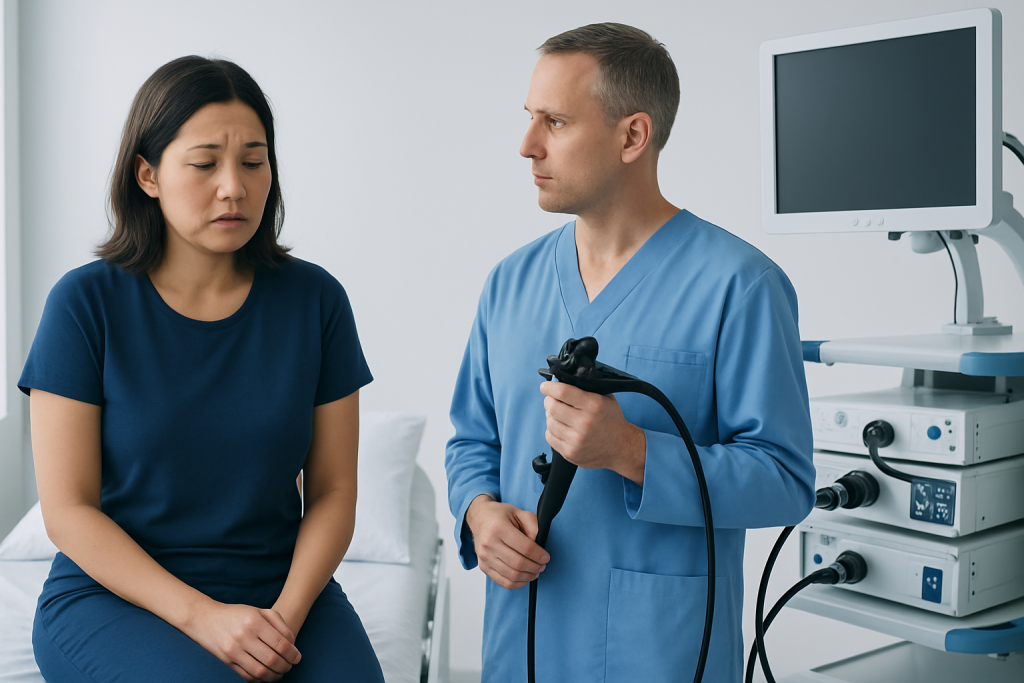
The main feature is a noticeably strong or unpleasant stool odor, but odor rarely appears alone. People may also notice changes in stool texture, color, or frequency. Some stools become loose or watery, while others may look pale, bulky, or oily and be hard to flush.
Associated symptoms can offer important clues. For example, stomach cramps and urgency may point toward infection or irritable bowel syndrome, while bloating and gas can accompany food intolerances or celiac disease. Greasy stools, poor appetite, or unexplained weight loss may suggest that the intestine is not absorbing nutrients properly.
- Loose stool or diarrhea
- Greasy, shiny, or floating stool
- Abdominal cramping or bloating
- Fever or nausea after a suspected infection
- Unintended weight loss or fatigue
If the odor change is brief and the person otherwise feels well, it may settle on its own. When the smell persists or is linked with other digestive symptoms, it is worth discussing with a doctor rather than assuming it is only a dietary issue.
Causes & Risk Factors

Several everyday factors can make stool smell stronger. Certain foods, especially those high in sulfur compounds, can change bowel odor for a day or two. Alcohol, very rich meals, and abrupt changes in diet can also alter the digestive balance. Some antibiotics and supplements may shift gut bacteria and affect how stool smells.
Medical causes are more likely when the odor change is ongoing or accompanied by other symptoms. Infections such as gastroenteritis can produce foul-smelling diarrhea. Conditions that interfere with digestion or absorption, including celiac disease, lactose intolerance, pancreatic insufficiency, inflammatory bowel disease, or bile flow problems, can also lead to strong-smelling stools.
Risk increases when the digestive system is under strain. Recent travel, contaminated food or water exposure, surgery on the stomach or intestines, long-term use of certain medicines, or a history of chronic digestive disease may all make stool changes more likely. In children, persistent odor changes may also reflect dietary issues or an infection that needs assessment.
Diagnosis
Doctors begin by asking when the smell started, how the stool looks, and whether there are symptoms such as pain, fever, vomiting, blood, or weight loss. A detailed food and travel history is often useful, because recent changes in diet, water, or location can explain many temporary bowel changes.
Depending on the pattern, evaluation may include stool tests for infection, inflammation, blood, or signs of fat malabsorption. Blood tests can check for anemia, infection, liver problems, pancreatic issues, or nutritional deficiencies. If symptoms suggest a structural or chronic digestive disorder, the doctor may recommend imaging or endoscopy.
The aim is not simply to label the odor, but to identify why it is happening. That distinction matters because treatment differs greatly between a short-lived stomach infection, a food intolerance, and a long-term absorption problem.
Treatment Options
Treatment depends entirely on the underlying cause. If a food choice or short-lived stomach upset is responsible, symptoms may improve with time, hydration, and a gentler diet. If an infection is found, the doctor may recommend supportive care or specific treatment based on the organism and the person’s overall condition.
When malabsorption is the issue, care focuses on restoring digestion and nutrition. That may involve treating celiac disease with a gluten-free diet, addressing lactose intolerance, replacing pancreatic enzymes when needed, or managing inflammatory bowel disease with appropriate medical therapy. In some cases, medicines that affect the gut microbiome or bowel movement pattern may be reviewed and adjusted.
Practical supportive steps often include drinking enough fluids, eating smaller balanced meals, and avoiding foods that clearly worsen symptoms. If the person is losing weight, becoming weak, or cannot keep fluids down, medical evaluation should not be delayed.
Prevention & Self-care
Not every case can be prevented, but several habits can reduce the chance of recurring stool odor changes. A steady, varied diet helps the digestive system work more predictably. Introducing new foods gradually can also make it easier to notice which items cause problems.
Good self-care also includes paying attention to context. Recent antibiotics, travel-related exposure, changes in water source, and stress can all affect bowel habits. Keeping a simple symptom diary of foods eaten, stool appearance, and associated symptoms can be very helpful if the issue returns.
- Stay hydrated, especially during diarrhea or hot weather
- Limit foods that clearly trigger symptoms
- Use antibiotics only as prescribed
- Practice food and hand hygiene when traveling
- Seek care for recurring or worsening digestive symptoms
For people recovering after treatment abroad, follow-up is part of prevention too. A clear plan for review, lab monitoring, or nutrition support helps avoid lingering symptoms once the person returns home.
When to See a Doctor
A doctor should be consulted if the smell change lasts more than a short period, keeps returning, or happens together with other digestive symptoms. Persistent diarrhea, greasy stools, abdominal pain, fever, blood in the stool, vomiting, or unintended weight loss are especially important to report.
Medical review is also sensible when bowel changes begin after travel, after antibiotic use, or after a new medication. These details can point toward infection, gut flora changes, or another treatable condition. In children, older adults, and people with chronic illness, it is usually better to seek assessment earlier rather than waiting.
If care is being arranged from another country, a gastroenterology team can often coordinate testing and follow-up efficiently. Acibadem Health Point’s multidisciplinary specialists and JCI-accredited hospitals diagnose and treat digestive conditions for international patients, with attention to both the medical findings and the practical steps needed for recovery.
Frequently asked questions
01What does foul smelling bowel usually mean?
It means the stool odor is stronger or more unpleasant than usual. This can happen after certain foods, with an infection, or when digestion and absorption are not working normally. The smell itself is not a diagnosis, so doctors look for other symptoms and patterns.
02Can diet alone cause smelly stool?
Yes, diet can be enough to change stool odor for a short time. Foods rich in sulfur, very fatty meals, alcohol, and sudden diet changes are common examples. If the smell keeps coming back or there are other symptoms, a medical cause should be considered.
03When is foul smelling stool a warning sign?
It becomes more concerning when it is persistent or comes with diarrhea, blood, fever, abdominal pain, weight loss, or greasy stools. Those features can suggest infection, malabsorption, or another digestive condition. A doctor can help decide which tests are needed.
04Does foul smelling bowel mean poor digestion?
Sometimes it does, especially if the stool is bulky, greasy, pale, or floating. These features can suggest that food is not being broken down or absorbed properly. However, temporary odor changes can also happen in otherwise healthy people.
05Can antibiotics make stool smell worse?
Yes, antibiotics can alter the balance of gut bacteria and change stool odor or bowel habits. This effect is often temporary, but persistent diarrhea or severe symptoms should be reviewed. Do not stop prescribed medicine without asking the prescribing clinician.
06What tests might a doctor order for smelly stool?
Common tests include stool studies, blood tests, and sometimes imaging or endoscopy, depending on the symptoms. The doctor chooses tests based on whether infection, inflammation, malabsorption, or another cause seems most likely. The goal is to identify the reason rather than just treat the odor.
This article is for general information only and is not a substitute for professional medical advice. Please consult a qualified doctor about your individual situation.
Medical weight-loss options in Turkey — costs & eligibility
JCI-accredited · board-certified surgeons · reply within 24h
Add us as a Preferred Source to see more of our trusted health content across Google Search, AI Overviews and Discover.



How can we help you today?
Meet an Acibadem specialist by secure video, before you travel.
Book a video visit