

Sharp Jabbing Pain in Stomach: Causes, Relief and When to Worry
- 9 min read
- Published November 27, 2026
Key Takeaways
- Sharp jabbing pain in the stomach is a symptom, not a diagnosis, and the likely cause depends on location, timing, and associated signs.
- Common triggers include gas, indigestion, constipation, muscle strain, stomach infection, gallbladder problems, ulcers, and some bowel conditions.
- Severe pain, pain with fever, vomiting, black stools, fainting, chest pain, or a rigid abdomen should be assessed promptly.
- Mild discomfort may improve with rest, hydration, gentle eating, and avoiding known triggers, but persistent or recurring pain should be checked by a clinician.
- A doctor may use history, examination, blood tests, urine tests, imaging, or endoscopy to find the source and choose treatment.
Sharp jabbing pain in the stomach can have many causes, from temporary digestive upset to conditions that need medical attention. Knowing where the pain is, what brings it on, and which symptoms travel with it helps guide the next safe step.
Overview
Sharp jabbing pain in stomach usually describes a brief, pointed, or stabbing sensation anywhere in the abdomen. It can start suddenly, come and go, or settle into a pattern that repeats after meals, movement, or stress. The same feeling may come from the stomach itself, nearby digestive organs, the abdominal wall, or even the urinary or reproductive systems.
Because the abdomen contains many structures close together, the pain’s location and timing matter. Pain high in the center may feel different from pain on the right side, lower abdomen, or around the navel, and each pattern suggests a different set of possibilities. That is why the best next step is not to guess from the sensation alone, but to notice the context around it.
In many cases, the cause is not dangerous and improves with simple measures. In other cases, especially when the pain is strong, persistent, or paired with other symptoms, medical review is important. A careful assessment helps separate temporary irritation from conditions that need treatment.
Symptoms
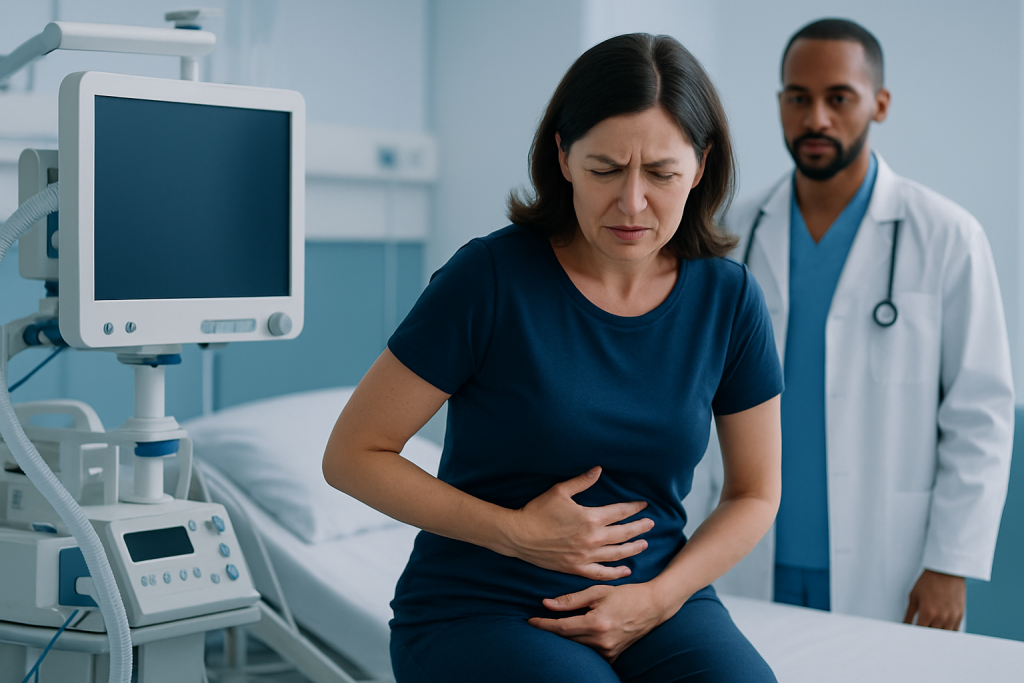
People often describe sharp stomach pain in different ways: a sudden jab, a knife-like pinch, a cramp that bites and releases, or a localized tenderness that hurts when moving, pressing, or twisting. Some notice it only after eating, while others feel it on an empty stomach or during bowel movements. The pattern can offer useful clues, especially when it is repeated.
Associated symptoms can be just as important as the pain itself. Nausea, bloating, gas, heartburn, constipation, diarrhea, fever, vomiting, loss of appetite, or pain that shifts location can point toward a digestive cause. Pain with urination, back pain, vaginal bleeding, or testicular pain may suggest a non-digestive source.
- Upper abdominal pain after meals may suggest reflux, gastritis, gallbladder irritation, or ulcer disease.
- Lower abdominal pain with bowel changes may point to constipation, infection, irritable bowel syndrome, or inflammation.
- Pain that worsens with movement or touch can sometimes come from the abdominal wall or muscles.
Symptoms that develop quickly and become intense deserve closer attention. Sudden severe pain, a hard or swollen abdomen, repeated vomiting, or inability to pass stool or gas should not be ignored, even if the pain later eases for a while.
Causes & Risk Factors
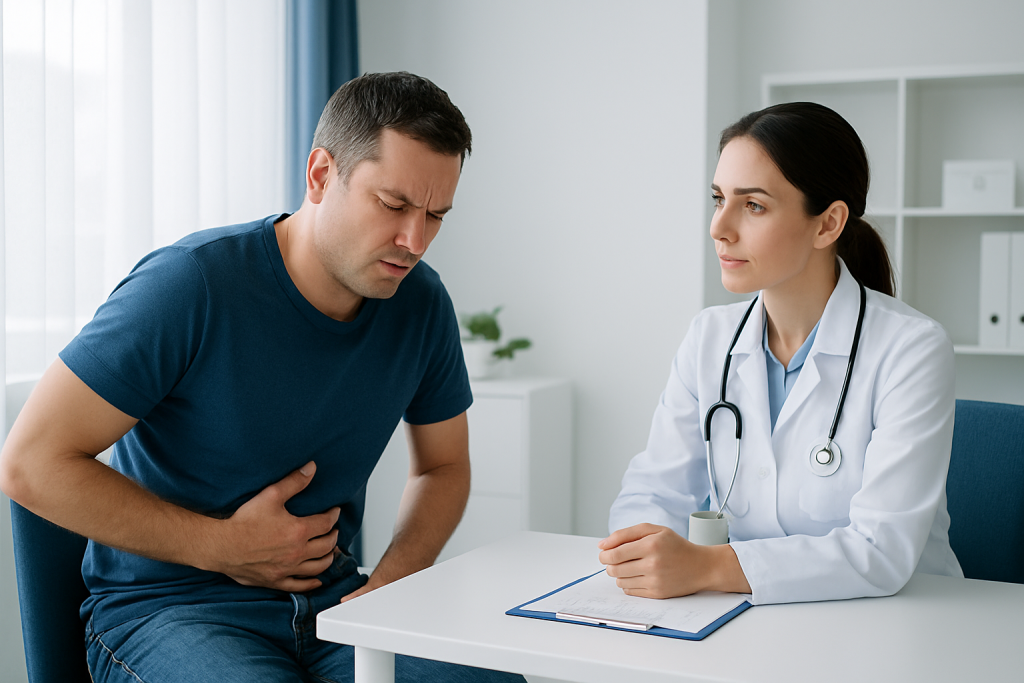
Sharp jabbing pain in stomach has a broad list of possible causes. Common digestive reasons include gas trapping, indigestion, constipation, stomach irritation from acid, and viral or bacterial infections. These often cause discomfort that changes with eating, bowel movements, or movement, and they may improve as the underlying irritation settles.
Other digestive causes can be more specific. Gallbladder problems often cause right upper abdominal pain, especially after fatty meals. Peptic ulcers may cause burning or stabbing pain between meals or at night. Diverticulitis, appendicitis, bowel obstruction, inflammatory bowel disease, and pancreatitis are less common but important causes that usually bring other symptoms too.
Not every abdominal jab comes from the digestive tract. Muscle strain, a pulled abdominal wall muscle, kidney stones, urinary tract infections, hernias, menstrual cramps, and some gynecologic conditions can all feel like stomach pain. In some people, anxiety and stress do not create the pain alone but can heighten gut sensitivity and make existing discomfort feel sharper.
Risk is influenced by lifestyle, medical history, and recent events. Heavy meals, alcohol, certain pain relievers, dehydration, constipation, recent travel, foodborne illness, prior abdominal surgery, pregnancy, and known gallstones or ulcers can all raise the chance of specific causes. A doctor will usually look at the whole picture rather than a single symptom.
Diagnosis
Diagnosis begins with a detailed history. A clinician will usually ask where the pain is, how long it has lasted, what it feels like, whether it is constant or intermittent, and what makes it better or worse. Questions about fever, vomiting, bowel habits, urination, menstrual changes, travel, medications, and previous abdominal problems help narrow the list.
The physical examination can be very informative. The doctor may check for tenderness, guarding, bloating, bowel sounds, dehydration, or pain that changes with movement or pressure. In many cases, the location of the tenderness helps separate stomach, bowel, gallbladder, urinary, or abdominal wall causes.
Testing depends on the suspected cause. Blood tests may look for infection, inflammation, liver or pancreas issues, or anemia. Urine tests can help identify urinary causes or kidney stones. Ultrasound, CT scan, X-ray, or endoscopy may be recommended when the history and exam suggest a specific problem or when symptoms are persistent, severe, or unclear.
For international patients, a careful diagnostic plan can be especially helpful when symptoms begin during travel or after a long flight. A clear timeline, medication list, and details of prior investigations from home can make the evaluation more efficient and reduce unnecessary repeat testing.
Treatment Options
Treatment depends entirely on the cause. Mild indigestion, gas, or constipation may improve with rest, fluids, smaller meals, and a temporary change in diet. A doctor may suggest antacids, acid-reducing medicines, or laxative strategies when appropriate, but it is best not to self-treat persistent pain without understanding what is causing it.
If the source is infection, inflammation, or another defined medical condition, treatment may involve prescription medicines, targeted dietary changes, or, in some situations, hospital care. Gallbladder disease, appendicitis, bowel obstruction, ulcers with bleeding, or other urgent abdominal conditions may require procedural or surgical treatment. The goal is not only to relieve pain but to address the underlying problem safely.
When abdominal pain stems from the abdominal wall or muscle strain, rest and avoiding aggravating activity may help. If stress or bowel sensitivity is contributing, a clinician may discuss eating patterns, trigger foods, bowel regularity, and stress-reduction strategies. For recurring symptoms, follow-up matters because repeated pain often has a pattern that becomes clearer over time.
People traveling for care should ask for a treatment plan that includes what to do after discharge, which warning signs should prompt urgent contact, and how to arrange follow-up once they return home. Clear written instructions can be especially useful when recovery continues across different countries and time zones.
Prevention & Self-care
Not every cause of sharp stomach pain can be prevented, but several habits can reduce common triggers. Eating slowly, avoiding very large meals, staying hydrated, and not lying down right after eating may help with reflux, gas, and indigestion. Regular bowel habits also matter, since constipation can create crampy, stabbing discomfort.
Some people notice that certain foods, alcohol, or very greasy meals worsen symptoms. Keeping a short symptom diary may help identify patterns without becoming overly restrictive. It can be useful to note meals, stress levels, bowel movements, menstrual timing, exercise, and any medicines taken, especially pain relievers that can irritate the stomach.
Safe self-care is about comfort, not masking a serious problem. Gentle movement, a light diet for a short period, and adequate rest may help if symptoms are mild. However, it is wise to avoid taking multiple over-the-counter products at once or using strong pain medicine to push through unexplained abdominal pain, because that can delay diagnosis.
- Choose smaller, simpler meals when the stomach feels irritated.
- Drink enough fluids, especially if vomiting or diarrhea is present.
- Maintain regular bowel habits with fiber and movement if constipation is a pattern.
- Track recurring pain and share the pattern with a clinician.
When to See a Doctor
Medical review is appropriate when sharp jabbing pain in stomach lasts more than a short time, keeps returning, or interferes with daily life. Pain that is not improving after basic self-care deserves attention, especially if the person has a history of ulcers, gallstones, abdominal surgery, inflammatory bowel disease, or pregnancy.
Some symptoms suggest a more urgent evaluation. These include severe or rapidly worsening pain, fever, persistent vomiting, fainting, a swollen or rigid abdomen, trouble breathing, chest pain, black or bloody stools, blood in vomit, inability to pass stool or gas, or pain in pregnancy. Sudden right-sided pain, pain with shoulder pain, or pain that localizes sharply to one spot can also need prompt assessment.
It is reasonable to seek care sooner rather than later if the pain is new and unexplained, if it follows travel or suspicious food exposure, or if it occurs with urinary, gynecologic, or testicular symptoms. A timely evaluation can often reduce discomfort more quickly and help avoid complications. Acibadem Health Point’s multidisciplinary specialists and JCI-accredited hospitals diagnose and treat digestive and abdominal conditions for international patients with coordinated care.
Frequently asked questions
01What does sharp jabbing pain in the stomach usually mean?
It means the abdomen is being irritated somewhere, but it does not point to one single diagnosis. The cause may be digestive, muscular, urinary, or related to another abdominal organ, so the location and accompanying symptoms matter.
02Can gas cause stabbing stomach pain?
Yes, trapped gas can cause sudden sharp pains that move, come in waves, or improve after passing gas or having a bowel movement. If the pain is severe, constant, or paired with fever or vomiting, it should be evaluated.
03How can someone relieve mild sharp stomach pain at home?
Mild discomfort may improve with rest, fluids, smaller meals, and avoiding known trigger foods or alcohol. If the pain does not settle, keeps coming back, or worsens, a clinician should assess it rather than continuing self-care alone.
04When is stomach pain an emergency?
It is urgent when pain is severe, sudden, or associated with fainting, fever, repeated vomiting, a hard belly, black or bloody stools, chest pain, or trouble breathing. Those signs can point to conditions that need prompt medical evaluation.
05Should pain medicine be taken for unexplained abdominal pain?
It is better to be cautious, because some medicines can irritate the stomach or hide important symptoms. A doctor or pharmacist can suggest the safest option based on the likely cause and the person’s other health conditions.
06What tests might a doctor order for sharp abdominal pain?
Common tests include blood work, urine testing, ultrasound, CT scan, X-ray, or endoscopy, depending on the suspected cause. The doctor chooses tests based on the pain pattern and exam findings, rather than ordering everything for everyone.
This article is for general information only and is not a substitute for professional medical advice. Please consult a qualified doctor about your individual situation.
Persistent digestive symptoms? Get evaluated in Turkey
JCI-accredited · board-certified surgeons · reply within 24h
Add us as a Preferred Source to see more of our trusted health content across Google Search, AI Overviews and Discover.



How can we help you today?
Meet an Acibadem specialist by secure video, before you travel.
Book a video visit