

What Is Eyelid Pierced? A Complete Medical Guide

Key Takeaways
- A pierced eyelid is not just a skin cut; it can involve the eyelid margin, tear ducts, or the eyeball behind it.
- Any sharp-object eye injury needs prompt medical evaluation, especially if there is bleeding, vision change, or pain.
- Treatment depends on the depth and location of the wound and may include cleaning, repair, antibiotics, tetanus protection, or surgery.
- People should avoid rubbing the eye, removing embedded objects, or applying pressure before proper assessment.
- Follow-up matters because eyelid wounds can affect blinking, tear drainage, and eye surface protection.
- International patients may need coordinated imaging, surgery, and post-op review before traveling home.
An eyelid pierced injury means a sharp object has gone through or deeply into the eyelid tissue, and it may also involve the eye itself. Because the eyelids protect the eye, even a small-looking wound can hide a more serious injury and should be assessed promptly by a qualified eye doctor or emergency team.
Overview
An eyelid pierced injury refers to a sharp object passing through the eyelid skin or deeper eyelid tissues. In everyday language, people may use the phrase for a puncture, cut, or penetrating wound around the eyelid. Medically, the concern is not only the eyelid itself but also whether the globe of the eye, the tear drainage system, or the muscles that move the eyelid have been affected.
The eyelids are thin, mobile structures with an important job: they protect the front of the eye, spread tears, and help keep the eye surface healthy. Because of that, even a small puncture can create problems that are not obvious at first glance. A person may see a narrow wound and assume it is minor, yet the injury may be deep enough to require specialist repair.
This is why a punctured or pierced eyelid is treated as an eye injury, not just a skin injury. The safest approach is to arrange prompt evaluation by an eye doctor or emergency clinician, especially if the object was sharp, dirty, moving at speed, or left part of itself behind.
Symptoms and Signs to Notice
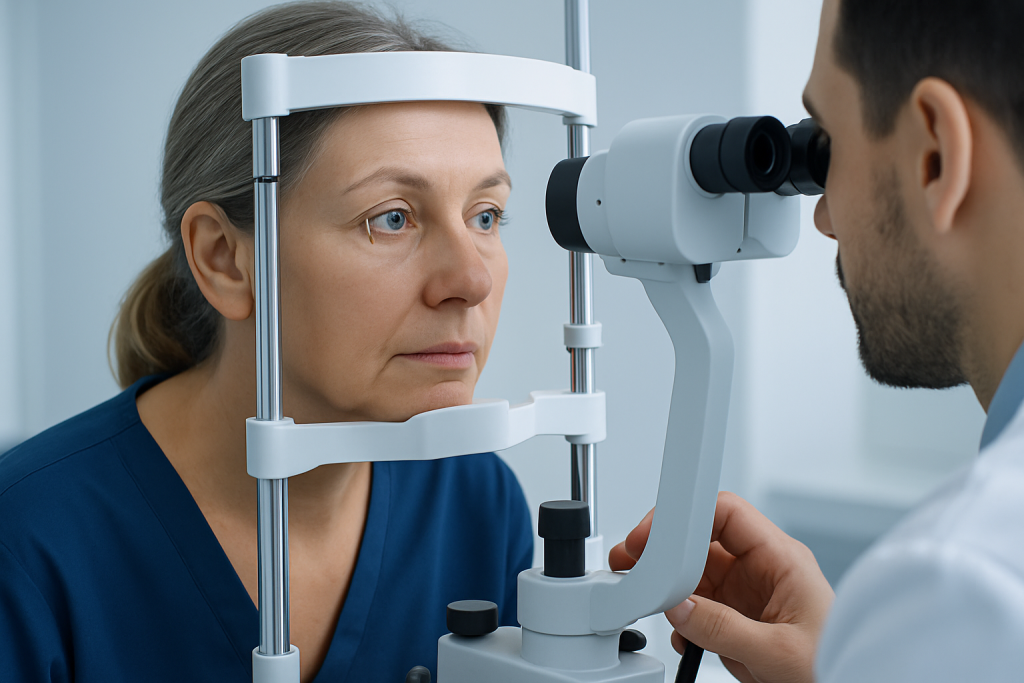
The first sign is often easy to spot: a break in the skin of the eyelid, sometimes with bleeding or swelling. The eyelid may feel tender, and blinking can become uncomfortable. If the wound is near the inner corner of the eye, the person may notice watering because the tear drainage pathway has been affected.
Some symptoms point to a deeper or more urgent problem. These include blurred vision, double vision, pain inside the eye, trouble opening the eye, blood in the front part of the eye, or a feeling that something is stuck under the lid. A visible embedded object, especially metal, glass, wood, or plastic, should be treated carefully and not removed at home.
Other warning signs can appear after the initial injury. Increasing redness, pus-like discharge, fever, worsening swelling, or the eyelid not closing fully may suggest infection or structural injury. If the upper eyelid seems droopy or the eye cannot shut normally, that should also be assessed without delay.
Causes and Risk Factors

An eyelid can be pierced in many settings: a workplace accident, a sports injury, a fall onto a sharp surface, a knife or tool mishap, or a collision with a branch, wire, or broken glass. Children and older adults may be especially vulnerable in household accidents because balance, reaction time, or supervision can be factors.
The risk is higher when the object is sharp, fast-moving, contaminated, or brittle. Wood splinters and plant material may carry debris and bacteria, while metal or glass can break into fragments. Contact lens wear, eye rubbing, or previous eye surgery may complicate the picture by changing how the eye surface reacts after trauma.
The location of the wound also matters. Injuries near the inner eyelid corner can involve the tear drainage ducts, while injuries on the lid margin can affect the way the eyelid closes and protect the eye. Penetration close to the eyeball raises concern for combined eyelid and eye trauma.
How Doctors Diagnose It
Diagnosis starts with a careful history and eye examination. The clinician will want to know what object caused the injury, whether anything remains embedded, whether vision changed, and whether the person can move the eye normally. The exam may include checking visual acuity, pupil response, eyelid function, and the surface of the eye.
If the wound appears deep, if the object may have entered the eye, or if the patient cannot tolerate a full exam, imaging may be needed. A CT scan is often used when a foreign body or fracture is suspected. Doctors are cautious with certain types of imaging and with any pressure on the eye when an open-globe injury is possible.
Special care is taken if the eyelid margin, tear duct system, or the muscle that lifts the upper lid may be injured. In these situations, the person may be referred to an ophthalmologist, and sometimes an oculoplastic or orbital specialist, for a more detailed repair plan.
Treatment Options
Treatment depends on the depth of the injury and whether the eye itself is involved. Minor superficial wounds may be cleaned, examined closely, and allowed to heal with local care. Deeper cuts usually need precise repair, often with stitches that restore the eyelid’s edge and contour. If the tear drainage system is damaged, specialized repair may be required.
When a foreign body is present, removal should be done by a qualified clinician in a controlled setting. The wound may be irrigated, and the patient may receive antibiotics if contamination or infection risk is a concern. Tetanus status is also reviewed after penetrating injuries, because prevention is part of safe wound care.
If the eyeball itself is injured, treatment becomes more urgent and may include protective shielding, pain control, surgery, and close monitoring. In more complex cases, the goal is not only to close the wound but also to preserve eyelid function, eye comfort, and long-term vision.
For international patients, treatment planning may need to include timing of surgery, imaging reports, and the possibility of a short recovery stay before travel. Acibadem Health Point’s multidisciplinary specialists and JCI-accredited hospitals diagnose and treat this condition for international patients with coordinated care when needed.
What Not to Do After an Eyelid Penetration
Well-meaning first aid can sometimes make an eye injury worse. The injured person should not rub the eye, press on the eyelid, or try to pull out an embedded object. Even a small movement can enlarge the wound or worsen an unseen injury beneath the surface.
It is also best not to apply ointments, makeup, or homemade remedies before medical assessment. Contact lenses should be removed only if they come out easily and without disturbing the wound; otherwise, clinicians should handle them. If the person wears an eye shield or patch, it should follow medical guidance rather than improvised pressure bandaging.
If bleeding is present, gentle protection is safer than force. A clean shield or loose covering can help prevent accidental rubbing while the person seeks care. The aim is to protect the eye until a specialist can assess whether the injury is limited to the eyelid or extends deeper.
Prevention and Self-care
Prevention starts with eye protection in environments where sharp tools, wires, debris, or flying particles are present. Safety glasses, face shields, and age-appropriate protective gear can reduce the chance of a pierced eyelid and other eye injuries. In sports, the right protective equipment is especially important for contact or high-speed activities.
At home, safe storage of knives, tools, and broken materials matters more than many people realize. Children should be kept away from sharp household items, and damaged eyeglass frames, splintered wood, and broken plastic should be cleared up carefully. For people who wear contact lenses, good hygiene helps reduce the chance of infection if a trauma does occur.
After treatment, self-care usually focuses on keeping follow-up appointments, using prescribed medicines correctly, and watching for changes in vision, increasing redness, or discharge. Healing of the eyelid is not only about the skin closing; it is also about blinking smoothly and keeping the eye surface protected during everyday activities.
When to See a Doctor
Immediate medical attention is recommended if the eyelid was pierced by a sharp object, if an object is still embedded, or if there is any change in vision. The same applies when pain is significant, the eye is hard to open, bleeding does not settle, or the wound is near the inner corner of the eyelid. These situations deserve prompt assessment rather than watchful waiting.
People should also seek care quickly if the eyelid cannot close fully, if the eye appears unusually red, if light sensitivity develops, or if there is increasing swelling after the injury. Even when the wound looks small, the doctor may need to check for hidden injury, foreign material, or involvement of the tear ducts.
After repair, follow-up is important to confirm healing, remove stitches if needed, and make sure the eyelid shape and eye function are normal. If the injury happened while traveling, it is helpful to keep copies of imaging, operative notes, and discharge instructions so care can continue smoothly with a local specialist at home.
Living With Recovery After an Eyelid Injury
Recovery is usually straightforward when the wound is superficial and treated early, but eyelid injuries can be frustrating because the face is always in motion. Swelling may affect appearance for a short time, and blinking can feel unusual until the tissues settle. Patients are often reassured that this phase is common and does not necessarily mean something is wrong.
If the repair was complex, the clinician may monitor for changes in tear drainage, eyelid position, or scarring along the lid margin. These issues can sometimes be managed with additional treatment if they appear. The main goal is to restore comfortable blinking, protect the eye surface, and preserve normal function as completely as possible.
For someone recovering away from home, clear discharge instructions, a translation of the treatment plan, and a realistic follow-up schedule can make the process easier. A well-organized handover between the treating team and the next doctor is often just as important as the procedure itself.
Frequently asked questions
01What does “eyelid pierced” mean medically?
It usually means a sharp object has punctured or penetrated the eyelid tissue. In medicine, the key concern is whether the injury also affected the eye, tear ducts, or eyelid margin.
02Is a pierced eyelid always an emergency?
It should be treated as urgent because deeper injury may not be obvious at first. Any vision change, embedded object, or significant bleeding needs prompt medical evaluation.
03Can a small eyelid puncture heal on its own?
Some very superficial wounds may heal with simple care, but that decision should be made after a proper exam. Small external wounds can hide deeper damage, so home treatment alone is not a safe assumption.
04Should the object be removed at home?
No, not if anything is embedded in the eyelid or eye area. Removal can worsen bleeding or cause additional injury, so it should be done by a clinician when appropriate.
05Will eyelid stitches leave a scar?
Any repair can leave some scar, but careful alignment and early treatment often help the eyelid heal well. Doctors also try to protect eyelid function so blinking and eye closure remain normal.
06What follow-up is usually needed after repair?
Follow-up may include checking healing, removing stitches, and confirming that the eyelid closes normally and the eye stays comfortable. If the tear ducts or lid margin were involved, more than one visit may be needed.
This article is for general information only and is not a substitute for professional medical advice. Please consult a qualified doctor about your individual situation.
Explore treatments in Turkey — costs, top hospitals & a free quote
JCI-accredited · board-certified surgeons · reply within 24h
Add us as a Preferred Source to see more of our trusted health content across Google Search, AI Overviews and Discover.


