What Is Eye Lash Bugs? A Complete Medical Guide

Key Takeaways
- “Eye lash bugs” usually refers to Demodex mites on the eyelashes or eyelids, not visible insects.
- Common signs include itching, burning, redness, crusting, and a gritty or tired-eye feeling.
- Diagnosis is typically made by an eye specialist through a clinical exam of the eyelids and lashes.
- Treatment focuses on lid hygiene and, when needed, clinician-recommended therapies for blepharitis or Demodex overgrowth.
- Persistent eye symptoms should be assessed by an eye doctor, especially if vision changes, pain, or swelling occur.
“Eye lash bugs” is a common phrase people use when they are worried about tiny mites living on the eyelashes. In medical terms, this usually points to Demodex eyelid mite overgrowth, which can contribute to irritation, crusting, and inflammation of the eyelids.
Overview
“Eye lash bugs” is not a formal medical diagnosis, but it is a phrase many people use when they suspect something is living in or irritating the eyelashes. In most cases, the concern is about Demodex mites, which are microscopic organisms that naturally live on human skin and around hair follicles, including the lashes.
For many people, these mites do not cause problems. When their number increases or the eyelid skin becomes inflamed, they can contribute to a condition called Demodex blepharitis. This can feel uncomfortable, look unsightly, and sometimes overlap with dry eye or other eyelid conditions.
Understanding the difference between a harmless skin resident and a true eye problem helps patients choose the right care. The goal is usually not to “eliminate every mite,” but to calm inflammation, reduce irritation, and restore comfortable eyelid function.
Symptoms
People often notice symptoms gradually. The eyes may feel itchy, sandy, burned, or unusually tired, especially toward the end of the day. Some describe a sensation as if there is debris along the lash line, even when the eye itself looks normal at first glance.
Other common signs can include red or swollen eyelid margins, flaking or crusting at the base of the lashes, frequent rubbing, watery eyes, or a sticky feeling when waking up. In some cases, lashes may become misdirected, break more easily, or fall out more than usual.
Because these symptoms overlap with dry eye, allergies, styes, and bacterial blepharitis, self-diagnosis is not always reliable. An eye specialist can help determine whether eyelash mites are involved or whether another cause is responsible.
Causes & Risk Factors

Demodex mites are part of the normal skin environment, but certain conditions make eyelid inflammation more likely. Mite overgrowth is more common when the skin barrier is irritated, eyelid hygiene is difficult, or the natural balance of the eyelids changes with age.
Risk is also higher in people with dry eye, rosacea, oily skin, chronic blepharitis, or immune-related concerns. Older adults tend to have more Demodex mites than younger people, and symptoms may become more noticeable when the eyes are already inflamed or dry.
Travel, environmental change, and cosmetic habits can also affect eyelid comfort. For international patients, it is helpful to mention makeup use, contact lenses, past eye infections, allergies, and any previous treatments when planning an eye evaluation.
- Chronic eyelid inflammation
- Dry eye disease
- Rosacea or facial redness
- Age-related increase in Demodex burden
- Poor eyelid cleansing or makeup buildup
Diagnosis
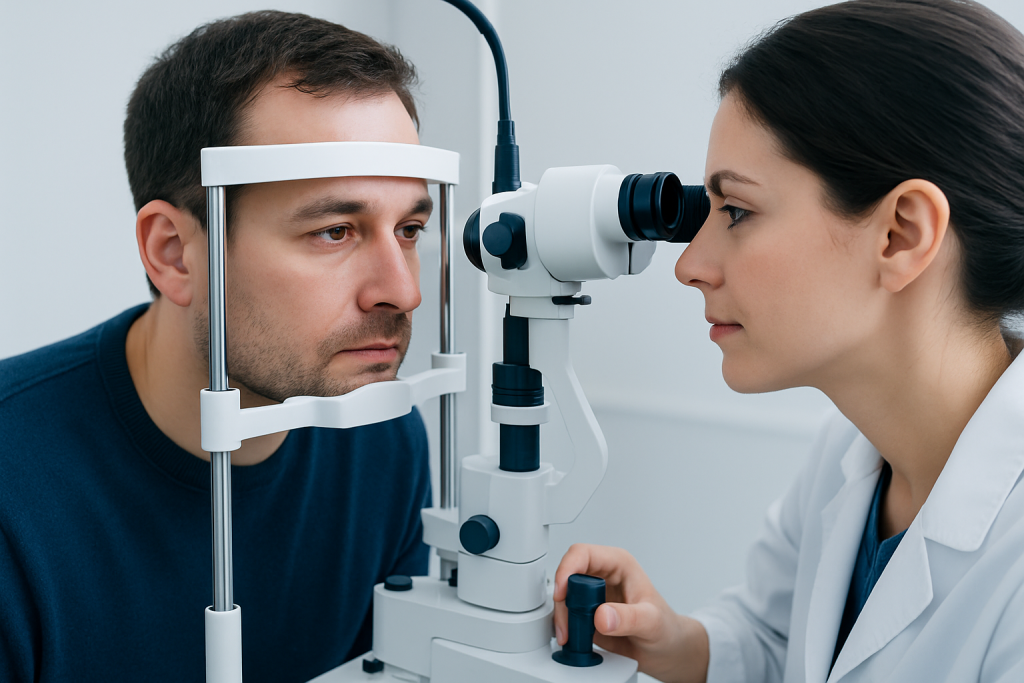
An eye doctor usually diagnoses eyelash mite problems by examining the eyelids, lashes, and tear film with a slit lamp. The specialist looks for telltale signs such as collarettes, which are waxy or cylindrical debris at the lash base and are strongly associated with Demodex blepharitis.
In some cases, a few lashes may be gently removed and examined under a microscope, but this is not always necessary. The diagnosis is often clinical, meaning it is made from the pattern of symptoms and examination findings rather than a complex test.
Because eyelid irritation can have several causes, the doctor may also check for dry eye, meibomian gland dysfunction, allergic eye disease, or infection. This broader view matters, especially for patients arriving from another country who want one clear plan that addresses more than a single symptom.
Treatment Options
Treatment depends on the severity of symptoms and whether Demodex mites are truly driving the inflammation. Gentle eyelid hygiene is often the starting point and may include warm compresses, careful lid cleaning, and removal of debris from the lash line using clinician-guided methods.
When symptoms persist, eye specialists may recommend in-office cleaning, prescription or over-the-counter therapies aimed at blepharitis, or other targeted treatments based on the underlying cause. Some cases also benefit from dry eye care, since the two conditions often occur together and reinforce each other.
The best plan is individualized. A patient with mild irritation may need only hygiene and monitoring, while someone with significant redness, recurrent crusting, or lash damage may need a more structured approach. If treatment is started, follow-up is important so the doctor can confirm that the eyelid surface is calming down rather than simply masking symptoms.
Prevention & Self-care
Daily habits can make a meaningful difference, especially for people prone to blepharitis or dry eye. Keeping the eyelids clean, avoiding heavy eye makeup buildup, and removing cosmetics before sleep can reduce debris around the lashes and make symptoms easier to control.
It is also helpful to avoid frequent eye rubbing, since friction can worsen inflammation. Contact lens users should follow lens hygiene carefully and stop wearing lenses if the eyes become red, painful, or irritated until a clinician advises otherwise.
For patients traveling for care or recovering after a clinic visit, simple routines are easier to maintain than complicated ones. A doctor can suggest a practical plan that fits daily life, including work, travel, and follow-up appointments.
- Clean eyelids as directed by the eye specialist
- Remove eye makeup thoroughly each night
- Use only the eye products recommended by the clinician
- Protect the eyes from irritants such as smoke and dust
- Keep follow-up visits if symptoms are recurring
When to See a Doctor
Any persistent eyelid irritation deserves medical attention if it does not improve with basic care, keeps returning, or affects daily comfort. An eye doctor should also evaluate symptoms that involve pain, swelling, discharge, light sensitivity, or blurred vision, since these signs can point to a more significant eye problem.
It is especially important to seek assessment if one eye is much worse than the other, if there are repeated styes, or if lashes are falling out. These patterns can signal blepharitis, gland dysfunction, infection, or another eyelid disorder that needs targeted care.
International patients often want a focused appointment and a clear answer before returning home. Acibadem Health Point’s multidisciplinary specialists and JCI-accredited hospitals diagnose and treat eye conditions for international patients, with care plans tailored to the patient’s findings and follow-up needs.
Living With Recurrent Eyelid Irritation
Recurrent eyelid problems can be frustrating because they often come and go rather than appearing as a single dramatic event. Patients may feel that the eyes are “never quite right,” especially when dry eye, allergy, and eyelid inflammation overlap.
A useful mindset is to treat this as a manageable chronic tendency rather than a personal failing or a hygiene problem alone. Once the cause is identified, many people do well with a consistent routine and periodic specialist review.
For patients who are planning care abroad, it helps to bring a list of previous treatments, photos of flare-ups, and any product ingredients that have irritated the eyes. This makes the consultation more efficient and supports safer, more personalized care.
Frequently asked questions
01What are eye lash bugs?
“Eye lash bugs” is a non-medical phrase that usually refers to tiny Demodex mites living around the eyelashes. These mites are common on human skin and do not always cause symptoms. Problems tend to arise when they are associated with eyelid inflammation or blepharitis.
02Can you actually see eyelash mites?
No, the mites themselves are microscopic and cannot usually be seen without a microscope. People often notice the effects instead, such as lash-line crusting, redness, or itching. An eye specialist can look for signs that suggest mite overgrowth.
03Are eyelash mites contagious?
Demodex mites are widespread and can transfer through close skin contact, but they are very common and not usually considered a reason for alarm. What matters more is whether they are causing irritation or eyelid inflammation in a particular person. Good eyelid hygiene and proper evaluation help manage symptoms.
04Do eyelash mites cause vision loss?
Eyelash mites themselves do not typically cause vision loss. However, the inflammation they contribute to can affect comfort and tear quality, which may blur vision temporarily. If vision changes occur, an eye doctor should assess the cause promptly.
05How are eyelash mites treated?
Treatment usually begins with eyelid hygiene and may include therapies recommended by an eye doctor for blepharitis or Demodex overgrowth. The exact approach depends on the severity of symptoms and whether dry eye or another condition is also present. A clinician can help choose the safest option.
06When should someone worry about eyelid symptoms?
It is wise to seek medical care if symptoms are persistent, worsening, or associated with pain, swelling, discharge, or blurred vision. Recurrent styes or lash loss also deserve evaluation. A specialist can confirm the cause and help prevent the problem from becoming chronic.
This article is for general information only and is not a substitute for professional medical advice. Please consult a qualified doctor about your individual situation.
Hair transplant in Turkey — costs, graft counts & a free assessment
JCI-accredited · board-certified surgeons · reply within 24h
Add us as a Preferred Source to see more of our trusted health content across Google Search, AI Overviews and Discover.