Watering of the Eyes: What You Need to Know

Key Takeaways
- Watering of the eyes can be caused by dryness, allergies, infection, eyelid problems, or blocked tear drainage.
- A person may notice one eye or both eyes watering, sometimes with redness, itching, discharge, or blurred vision.
- Diagnosis usually starts with a careful eye examination and a review of symptoms, medications, and possible triggers.
- Treatment depends on the cause and may include lubricating drops, allergy care, infection treatment, or tear duct procedures.
- Prompt medical review is important if watering is persistent, painful, affects vision, or follows an injury or chemical exposure.
Watering of the eyes is a common symptom, not a diagnosis. It often happens when the eyes are irritated, too dry, or unable to drain tears normally.
Overview
Watering of the eyes is the body’s way of responding to something it does not like. Tears may be produced in extra amounts, or they may not drain away properly, leaving the eyes looking constantly wet. In many people, the problem is temporary and linked to wind, dust, smoke, or a short-lived irritation.
In other cases, the symptom points to an underlying eye condition such as dry eye, allergy, blepharitis, an eyelid issue, or a blocked tear duct. The important question is not simply why the eyes are tearing, but whether the tears are being made for protection or because the normal tear system is out of balance.
For someone considering care from another country, this symptom can be frustrating because it may seem minor at first and then become persistent during travel, climate change, or prolonged screen use. A clear evaluation helps separate harmless triggers from conditions that need treatment, and it can usually be done with a focused eye examination.
Symptoms
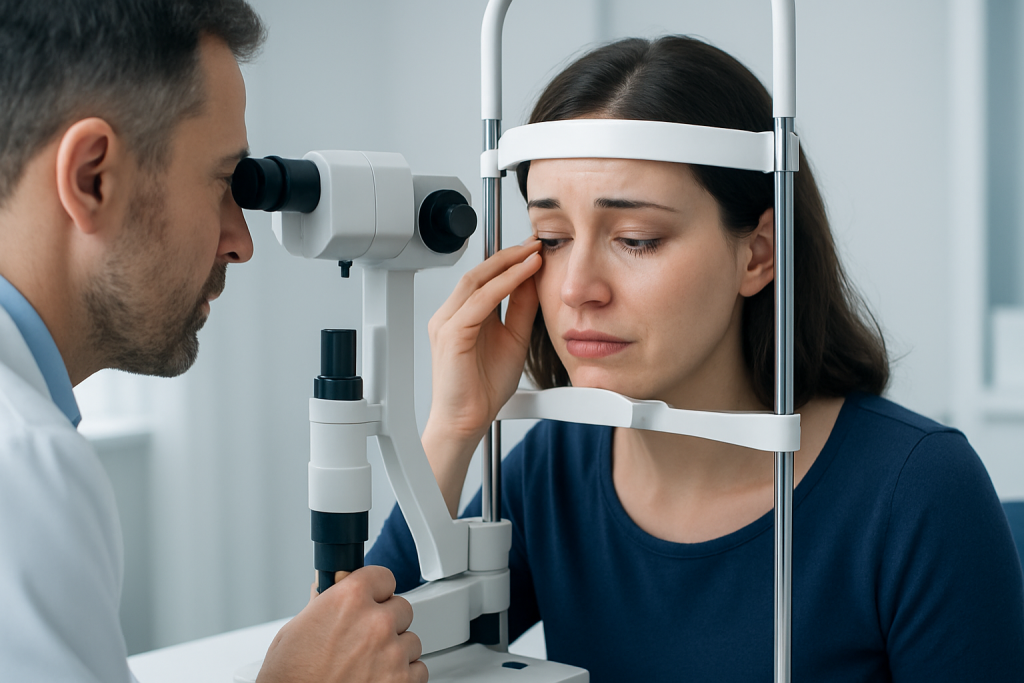
Many people describe watery eyes as tears rolling down the cheeks, a constantly damp lash line, or the need to wipe the eyes repeatedly during the day. Some notice the problem mainly outdoors, while others have it all the time. It may affect one eye more than the other, which can be a clue about the cause.
Watering often appears together with other symptoms that give the diagnosis more context. These may include redness, itching, burning, a gritty feeling, sensitivity to light, eyelid crusting, swelling, sticky discharge, or blurred vision that clears after blinking.
Symptoms such as pain, reduced vision, marked light sensitivity, or thick discharge suggest that the eye needs medical assessment rather than home care alone. In children and older adults, persistent watering may also be linked to tear drainage problems or eyelid changes that are easier to miss without an exam.
Causes & Risk Factors

There are two broad reasons for watering of the eyes: the eye is irritated and makes extra tears, or the tears cannot drain normally. Dry eye is a common example of the first pattern. When the eye surface is dry or inflamed, it may reflexively produce watery tears that do not coat the eye well, so the person feels both dryness and tearing at the same time.
Other common causes include allergies, conjunctivitis, foreign bodies, smoke or chemical exposure, eyelash problems, blocked tear ducts, and inflammation of the eyelid margins. Less commonly, the cornea may be scratched or inflamed, or the eyelid may not close properly during sleep, allowing the surface to dry out and trigger tearing the next day.
Certain factors can raise the chance of ongoing symptoms:
- Seasonal allergies or chronic nasal congestion
- Dry indoor air, air travel, wind, or cold weather
- Long hours on digital screens with reduced blinking
- Contact lens wear or poor lens tolerance
- Blepharitis, eyelid inflammation, or rosacea
- Prior eye surgery, injury, or tear duct narrowing
- Changes in eyelid position with aging
In infants, watery eyes can occur when the tear drainage system has not fully opened yet. In adults, a new change in one-sided watering deserves attention, especially if it is accompanied by swelling or discharge.
Diagnosis
Diagnosis begins with a careful history. An eye specialist usually asks when the tearing started, whether it affects one or both eyes, and whether it is linked to wind, reading, screens, allergies, or particular environments. The pattern often reveals whether the problem is more likely to be dryness, irritation, allergy, or drainage blockage.
The examination may include checking the eyelids, eyelashes, tear film, cornea, and the surface of the eye under magnification. The doctor may also look for signs of inflammation, infection, blocked glands, or an eyelid that turns inward or outward. If the tear drainage system is suspected, additional tests may be used to see whether tears are flowing into the nose normally.
In some cases, the evaluation is quick and straightforward. In others, especially when symptoms are recurrent, one-sided, or linked to other eye complaints, the doctor may recommend a more detailed workup. This is particularly helpful for international patients who want a clear diagnosis before returning home, since the plan can then be matched to the likely cause and follow-up needs.
Treatment Options
Treatment depends on why the eyes are watering. If dryness is the main issue, lubricating drops or gels may reduce surface irritation and break the cycle of reflex tearing. If allergy is contributing, avoiding the trigger where possible and using doctor-recommended allergy treatments can help settle the eyes.
When infection or eyelid inflammation is present, treatment may include targeted medicines and eyelid hygiene measures. A foreign body, ingrown lash, or irritated contact lens problem usually needs the source of irritation removed. If the tear duct is narrowed or blocked, treatment may range from massage or cleaning measures to a procedure that restores drainage, depending on the age of the patient and the cause of the blockage.
For structural eyelid problems, such as inward- or outward-turning lids, treatment may involve a minor procedure to improve eyelid position. The right option is often chosen after a brief examination rather than by trial and error at home. That approach is especially useful when a patient is managing care across borders and needs a treatment plan that is practical, clear, and durable.
Prevention & Self-care
Not every cause of watering can be prevented, but some habits reduce irritation and make symptoms less frequent. A person can protect the eyes from wind, smoke, and dust with glasses or sunglasses, keep indoor air from becoming excessively dry, and take screen breaks to encourage blinking.
Gentle eyelid hygiene may help when inflammation along the lash line is part of the problem. Contact lens users should follow lens-care instructions carefully and stop wearing lenses if the eyes become red, painful, or persistently watery until a clinician advises otherwise. Allergy sufferers may notice improvement when they reduce exposure to known triggers.
Helpful everyday measures include:
- Avoid rubbing the eyes, which can worsen irritation
- Use preservative-free lubricating drops if a clinician recommends them
- Manage nasal and seasonal allergy symptoms consistently
- Wash hands before touching the eyes or lenses
- Stay hydrated and rest the eyes during long visual tasks
These steps are supportive, not a substitute for evaluation when symptoms are persistent or unusual. If tearing keeps returning in the same eye, it is wise to look for an underlying cause rather than only treating the surface symptom.
When to See a Doctor
A doctor should be seen if watering of the eyes lasts more than a short period, keeps returning, or begins without a clear trigger. It is especially important to seek care when the symptom is one-sided, because that can point to a blocked tear duct, eyelid issue, or another local eye problem.
Prompt medical attention is also important if watering comes with pain, vision changes, a foreign-body sensation that does not improve, marked redness, swelling, light sensitivity, injury, or chemical exposure. In infants, persistent tearing with discharge or light sensitivity should be assessed. In older adults, gradual change in tear drainage or eyelid position may be easy to overlook but still worthwhile to treat.
For people planning care abroad, an eye specialist can often decide during one visit whether the issue is simple and self-limited or whether it needs treatment before travel back home. Acibadem Health Point’s multidisciplinary specialists and JCI-accredited hospitals diagnose and treat eye conditions for international patients, with follow-up plans designed to be practical beyond the first appointment.
Frequently asked questions
01Is watering of the eyes always a sign of too many tears?
Not necessarily. Very often, watery eyes happen because the eye surface is dry or irritated, which triggers reflex tearing. The tears may be abundant but not effective at lubricating the eye properly.
02Can allergies make the eyes water all the time?
Yes. Allergies can cause itching, redness, and tearing that may continue as long as the person is exposed to the trigger. Treating the allergy and reducing exposure often improves the symptom.
03Why does only one eye keep watering?
One-sided watering can happen when a tear duct is blocked, an eyelid is not sitting correctly, or something is irritating that eye specifically. It is a good reason to have an eye examination rather than assuming it will go away on its own.
04Do watery eyes ever improve with home care?
If the cause is minor irritation, dryness, or short-term exposure to wind or smoke, symptoms may improve with simple measures such as rest and lubricating drops recommended by a clinician. Persistent or recurrent watering usually needs a medical assessment to identify the cause.
05Can screen use cause watering of the eyes?
Yes. Long periods of screen use often reduce blinking, which can dry the eye surface and lead to reflex tearing. Regular breaks and mindful blinking may help, especially when symptoms are mild.
06When is watering of the eyes urgent?
It should be assessed promptly if it is linked to pain, blurred vision, injury, chemical exposure, marked swelling, or sensitivity to light. These features suggest the eye may need same-day medical care.
This article is for general information only and is not a substitute for professional medical advice. Please consult a qualified doctor about your individual situation.
Explore treatments in Turkey — costs, top hospitals & a free quote
JCI-accredited · board-certified surgeons · reply within 24h
Add us as a Preferred Source to see more of our trusted health content across Google Search, AI Overviews and Discover.