What Is Chronic Injuries? A Complete Medical Guide

Key Takeaways
- Chronic injuries build gradually and may be mistaken at first for simple soreness or fatigue.
- Repeated strain, poor posture, training errors, and incomplete healing are common contributors.
- Diagnosis often combines a physical examination with imaging or other tests when needed.
- Treatment focuses on reducing load, restoring function, and addressing the cause of recurrence.
- Early assessment can help prevent a long-term injury from becoming harder to treat.
Chronic injuries are long-lasting or recurring injuries that develop over time, often from repeated strain, poor biomechanics, or incomplete healing. This guide explains how they happen, how they are evaluated, and what treatment and recovery usually involve.
Overview
Chronic injuries are injuries that do not settle quickly and instead linger, return, or slowly worsen over time. Rather than appearing after one obvious event, they often develop from repeated stress on a bone, tendon, muscle, joint, or nerve. For many people, the first sign is not dramatic pain, but a pattern: discomfort that comes back with the same activity, a movement that feels weaker than before, or a problem that keeps flaring up after rest.
In everyday medical use, chronic injuries often overlap with overuse injuries and repetitive strain injuries. These are especially common in sports, manual work, and jobs or daily routines that involve repeated motions. They can also appear after an initial injury heals incompletely, leaving a structure vulnerable to being irritated again.
Because chronic injuries are gradual, they can be easy to underestimate. People may try to “push through” them, adjust temporarily, or rest only when symptoms become intense. A more effective approach is to identify the injured structure, reduce the stress causing it, and rebuild strength or flexibility in a planned way.
Symptoms
Symptoms vary depending on the tissue involved, but chronic injuries usually follow a familiar pattern. Pain may start during activity and then appear earlier in the day over time. Some people notice stiffness, tenderness, swelling, or a feeling that the area is not moving or absorbing force normally.
Other common signs include weakness, reduced range of motion, clicking or catching in a joint, numbness or tingling if a nerve is irritated, and pain that returns soon after exercise or work. In tendons and muscles, the discomfort often worsens with repeated use and improves somewhat with rest, only to return again when activity resumes.
People sometimes assume that chronic pain always means severe damage, but that is not necessarily true. A long-standing injury can be painful even when structural damage is modest, and the opposite can also happen. What matters is the pattern of symptoms, how they affect function, and whether they are improving or becoming more frequent.
Causes & Risk Factors

Most chronic injuries are caused by repeated load without enough recovery. That load may come from running, lifting, throwing, typing, prolonged standing, kneeling, or other repetitive movements. When the body does not have enough time to repair small stresses, microscopic damage can accumulate and eventually become painful or limiting.
Several factors can raise the risk:
- Sudden increase in training volume or intensity
- Poor technique or body mechanics
- Inadequate warm-up, mobility, or conditioning
- Muscle imbalance or joint alignment issues
- Footwear or equipment that does not fit the task
- Working through pain after an earlier injury
- Poor sleep, low nutrition, or limited recovery time
Chronic injuries are not limited to athletes. Office workers may develop neck, shoulder, wrist, or elbow problems from posture and repetitive tasks. Parents, caregivers, tradespeople, dancers, and musicians can also develop persistent pain from repeated movement patterns. Sometimes the real cause is not one single activity but the combination of workload, technique, and recovery habits over time.
Diagnosis
Diagnosis begins with a careful history. A clinician will usually ask when the symptoms began, what activities make them worse, whether there was a clear initial injury, and how the problem has changed over time. This helps distinguish a chronic injury from an acute one and points toward the tissue most likely involved.
A physical examination is often the most important part of the evaluation. The doctor may check tenderness, swelling, strength, joint movement, posture, gait, and how the area responds to specific tests. In many cases, this is enough to make a working diagnosis and begin treatment.
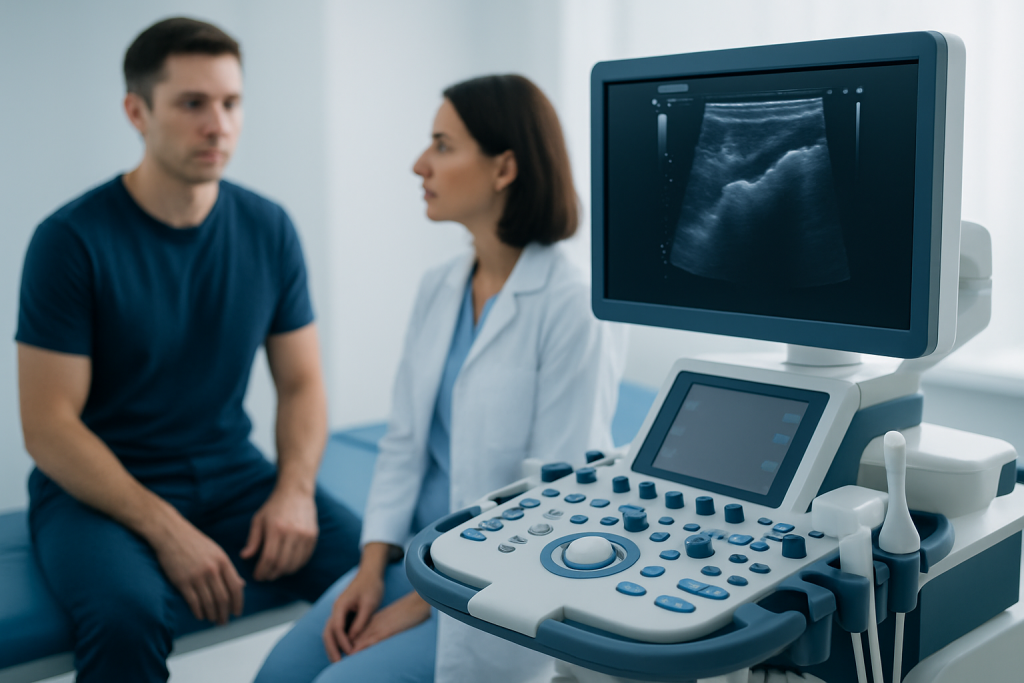
Imaging or other tests may be used when the diagnosis is uncertain, symptoms are persistent, or a deeper injury is suspected. X-rays can show bone alignment or degenerative changes; ultrasound may help assess tendons and soft tissues; MRI can provide more detail about muscles, ligaments, cartilage, and nerves. The test chosen depends on the body part and the clinical question, not simply on the presence of pain.
Treatment Options
Treatment for chronic injuries usually aims at two goals: calm the irritated tissue and correct the reason it keeps being stressed. That may mean temporary activity modification, a structured rehabilitation plan, and gradual return to normal movement rather than complete long-term rest. In many cases, staying gently active within safe limits supports recovery better than stopping all motion.
Common treatment approaches include:
- Rest or load reduction: reducing the specific movement that triggers pain while maintaining safe activity
- Physical therapy: targeted exercises for strength, mobility, balance, and technique
- Manual therapy: used in selected cases to improve motion and comfort
- Pain control: general measures recommended by a clinician, sometimes including anti-inflammatory medicine when appropriate
- Bracing, taping, or supportive devices: to lower strain during healing
If symptoms persist or the injury is more complex, additional care may be needed. This can include injections in selected situations or, less commonly, surgery for structural problems such as a major tendon tear, unstable joint, or nerve compression. Recovery plans are usually individualized, especially for patients who travel from another country and need follow-up that can be coordinated before they return home.
Prevention & Self-care
Prevention starts with respecting how gradual these injuries can be. The safest approach is to increase activity in stages, allowing the body time to adapt. For athletes, that means monitoring training load; for workers and students, it means paying attention to posture, ergonomics, and repetitive tasks that may be done for long periods.
Helpful self-care strategies include:
- Warm up before exercise or physically demanding work
- Build strength and flexibility gradually
- Use good technique and ergonomic setups where possible
- Take scheduled breaks from repetitive tasks
- Alternate movements and avoid repeating the same strain for long periods
- Prioritize sleep, hydration, and balanced nutrition
At home, short-term symptom relief may come from reducing the activity that causes pain, using ice or heat if advised by a clinician, and choosing low-impact movement to stay active. The goal is not to “ignore” the injury, but to make daily habits kinder to the tissue while recovery takes place. If pain repeatedly returns whenever activity resumes, that is a sign the load plan still needs adjustment.
When to See a Doctor
Medical evaluation is a good idea when pain lasts more than a couple of weeks, keeps returning, or interferes with work, sport, sleep, or everyday tasks. It is also wise to seek care if there is swelling that does not improve, a sense of instability, loss of strength, reduced function, or pain that is steadily getting worse rather than better.
Prompt assessment is especially important if the problem follows an injury and the person cannot bear weight, cannot use the limb normally, or notices deformity, significant bruising, fever, or numbness. These findings do not always mean something serious, but they do deserve timely review so that the correct diagnosis is not missed.
For patients traveling for care, it can help to bring previous imaging reports, medication lists, and a short timeline of symptoms. A coordinated evaluation can then focus on diagnosis, rehabilitation planning, and the practical question of how to continue treatment after returning home. At Acibadem Health Point, multidisciplinary specialists and JCI-accredited hospitals diagnose and treat chronic injuries for international patients in a coordinated way.
Recovery and Long-Term Outlook
Most chronic injuries improve when the cause is identified and the affected area is given a structured chance to heal. Recovery is often measured in function as much as in pain: better movement, more tolerance for activity, and fewer flare-ups over time. Progress is usually gradual, especially if the problem has been present for months.
A key part of long-term recovery is preventing the same cycle from returning. That may involve adjusting training schedules, changing work habits, using different equipment, or continuing therapeutic exercises even after symptoms settle. People who understand their triggers and warning signs are often better able to keep the injury from becoming a recurring problem.
Chronic injuries can be frustrating, but they are not something people must simply live with. With the right diagnosis, a realistic rehabilitation plan, and regular follow-up, many patients regain reliable function and return to the activities that matter to them.
Frequently asked questions
01What is the difference between an acute and a chronic injury?
An acute injury happens suddenly, such as from a fall, twist, or impact. A chronic injury develops slowly over time or keeps coming back because the area is repeatedly stressed before it fully recovers.
02Can chronic injuries heal on their own?
Some mild cases improve with rest and better activity habits, but many need a structured plan to stop the cycle of irritation. If symptoms keep returning, a clinician should look for the underlying cause rather than relying on rest alone.
03Are chronic injuries only caused by sports?
No. They can develop in athletes, workers, musicians, office staff, and anyone who repeats the same movement or posture for long periods. The common thread is repeated strain with insufficient recovery.
04What tests are used to diagnose a chronic injury?
A doctor usually starts with a history and physical examination, then may order imaging such as X-rays, ultrasound, or MRI if needed. The choice depends on the body part involved and whether bone, tendon, muscle, joint, or nerve injury is suspected.
05Should someone keep exercising if they have a chronic injury?
Often yes, but in a modified way and only within safe limits. Completely stopping activity is not always necessary; the better approach is usually to reduce the painful load and rebuild strength under guidance.
06When is surgery considered for a chronic injury?
Surgery is usually reserved for selected cases, such as severe structural damage, instability, or nerve compression that does not improve with conservative care. Most chronic injuries are treated without surgery first.
This article is for general information only and is not a substitute for professional medical advice. Please consult a qualified doctor about your individual situation.
Joint and spine care in Turkey — expert assessment & treatment
JCI-accredited · board-certified surgeons · reply within 24h
Add us as a Preferred Source to see more of our trusted health content across Google Search, AI Overviews and Discover.