

What Is Big Lipped Vaginas? A Complete Medical Guide
- 7 min read
- Published November 26, 2026
Key Takeaways
- The phrase big lipped vaginas usually refers to the labia, not the vagina itself.
- Labia come in many normal shapes and sizes, and appearance alone does not indicate a medical problem.
- New swelling, pain, itching, a lump, or skin color change deserves medical review.
- Hormones, childbirth, age, irritation, infection, and certain skin conditions can affect the vulva.
- Treatment depends on the cause and may range from reassurance and skin care to medical or surgical care when needed.
The term big lipped vaginas is an informal phrase people sometimes use when they are concerned about larger labia or a change in vulvar appearance. In most cases, this reflects normal anatomy, but persistent swelling, pain, or a sudden change should be assessed by a qualified clinician.
Overview
The phrase big lipped vaginas is not a medical term, and it can be misleading. People usually mean that the labia — the outer or inner folds of skin around the vaginal opening — look larger, fuller, or more noticeable than expected. The vagina itself is the internal canal, so visible “lips” belong to the vulva, not the vagina.
In real life, labia vary widely in size, shape, symmetry, and color. Some people have inner labia that extend beyond the outer labia, while others have the opposite pattern. Both can be completely normal. A conversation with a clinician is most helpful when there is discomfort, a new change, or worry about a lump, irritation, or asymmetry that appears different from a person’s usual anatomy.
For Myomectomy Recovery: Healing Time, Activity Limits, and Fertility Planning" class="ahp-ilk">Myomectomy Recovery for International Patients: The Usual Travel Timeline" class="ahp-ilk">international patients, this is often a concern raised after travel, online comparison, or a routine self-check. A careful in-person examination remains the most reliable way to tell normal variation from a condition that needs treatment.
Symptoms
Larger-appearing labia by themselves are often not a symptom of disease. Many people notice the shape during puberty, after childbirth, after weight changes, or simply as part of their natural body variation. In these cases, the main issue may be cosmetic concern rather than a medical problem.
Symptoms become more important when there is discomfort. Common reasons people seek evaluation include rubbing during exercise, pain with tight clothing, irritation with sex, recurrent chafing, itching, or difficulty keeping the area comfortable and clean. Some people also notice swelling that feels new, tender, or uneven.
Warning signs that suggest a medical cause rather than normal anatomy include:
- Sudden swelling on one or both sides
- Redness, warmth, or significant tenderness
- A lump, cyst, or skin thickening
- Unusual discharge, odor, or bleeding
- Sores, blisters, or color changes
Causes & Risk Factors
There is no single cause of larger labia. In many people, the explanation is simply genetics. Just as faces and body shapes differ, vulvar anatomy differs too. Hormonal changes during puberty can also make the labia look fuller or more prominent as the body matures.
Several factors can change the appearance or comfort of the vulva over time. Childbirth may stretch surrounding tissues. Aging can alter skin elasticity and fat distribution. Repeated friction from cycling, exercise, or tight clothing can lead to irritation or temporary swelling. Hair removal products, scented washes, and harsh soaps can also inflame delicate skin.
Certain medical conditions can cause true swelling or enlargement. These include infections, allergic reactions, Bartholin gland cysts, vulvar skin disorders such as eczema or lichen sclerosus, and, less commonly, tumors. Risk is not determined by appearance alone; the key question is whether the change is stable and familiar or new and progressive.
Diagnosis
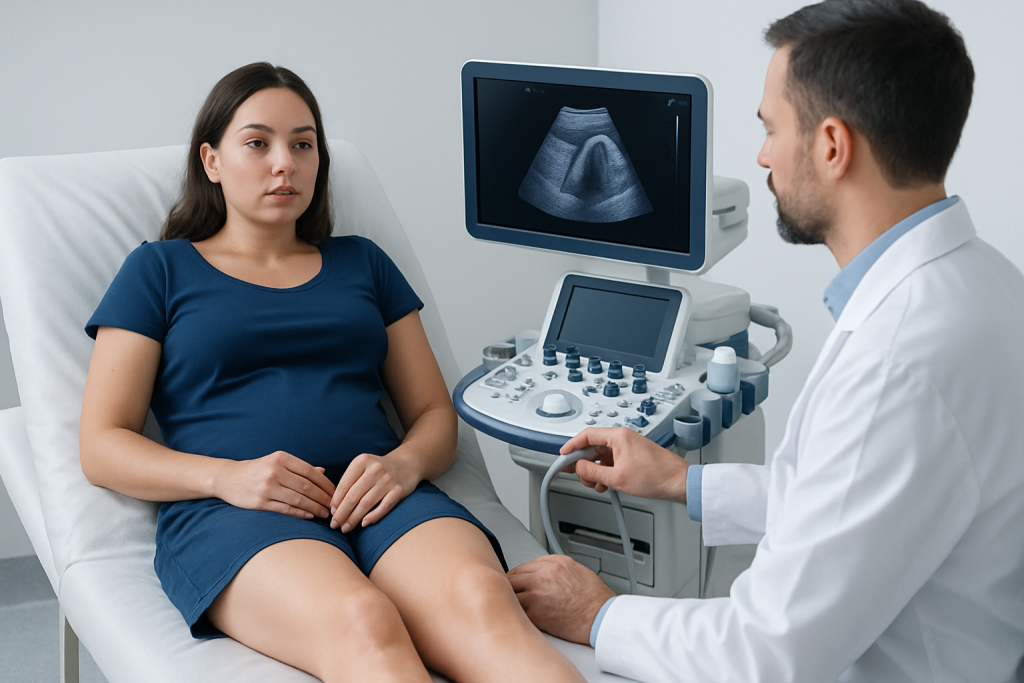
Diagnosis begins with a focused history and a gentle examination. A clinician will ask when the change was first noticed, whether it is painful or itchy, whether there has been discharge or bleeding, and whether there are triggers such as exercise, shaving, or sexual activity. This history often helps separate normal variation from an inflammatory or infectious process.
The physical exam looks at the labia, clitoral area, and vaginal opening, and may include checking for swelling, tenderness, skin texture changes, cysts, or signs of infection. If there is discharge or a sore, swabs or other tests may be used. When a mass is present, imaging or referral to a gynecologist may be needed.
For patients traveling from abroad, bringing past records, medication lists, and any previous biopsy or imaging reports can make evaluation smoother. Clear photos taken over time can sometimes help a doctor understand whether a change is longstanding or new, though these are not a replacement for examination.
Treatment Options
Treatment depends entirely on the cause. If the labia are simply larger by normal variation and there are no symptoms, no treatment is required. Reassurance and education are often the most appropriate care, especially when the concern arose from comparison with online images or a partner’s comment rather than a health problem.
When symptoms are present, treatment focuses on the trigger. Irritation may improve with bland skin care and avoiding scented products. Infections are treated according to the specific organism. Cysts or abscesses may need drainage or other procedures. Inflammatory skin conditions often respond to prescription creams or specialist-guided care.
For people who have persistent physical discomfort or major distress about labial size, labiaplasty may be discussed. This is a surgical procedure that changes labial shape or size, but it is not the first solution for everyone. A qualified specialist should review the person’s anatomy, goals, risks, healing time, and expectations before any decision is made.
Prevention & Self-care
Normal anatomy cannot be “prevented,” but irritation and swelling can often be reduced. Gentle vulvar care is usually best: wash with plain water or a fragrance-free cleanser, avoid aggressive scrubbing, and choose breathable underwear. If shaving or hair removal causes irritation, it may help to reduce frequency or switch methods after discussing options with a clinician.
Comfort measures can matter a great deal. Loose clothing, moisture-wicking fabrics, and avoiding prolonged friction during sports may reduce rubbing. If exercise causes repeated chafing, a doctor or pelvic health specialist may suggest barrier ointments or activity-specific adjustments.
Self-checks should be calm and nonjudgmental rather than frequent comparison. The goal is to notice changes, not to judge appearance. A stable, familiar shape is usually reassuring; a new or persistent change is what deserves attention.
When to See a Doctor
A medical review is wise if the labial appearance has changed suddenly, if there is pain, a new lump, bleeding, or persistent itching, or if symptoms interfere with daily life, exercise, or intimacy. Even when the issue is not urgent, evaluation can provide clarity and relieve worry.
Care should also be sought if there are skin changes such as whitening, thickening, cracking, or sores, because these may signal a vulvar skin disorder that benefits from early treatment. Recurrent swelling after sex, shaving, or exercise is another reason to ask for help.
People who are considering surgery, or who are traveling for a specialist opinion, should look for a gynecologist or vulvar specialist who can explain whether the anatomy is normal, whether another condition is present, and what options make sense. Acibadem Health Point’s multidisciplinary specialists and JCI-accredited hospitals diagnose and treat this condition for international patients in a coordinated setting when care is needed.
Frequently asked questions
01What does big lipped vaginas mean medically?
It is an informal phrase people use when they are concerned that the labia look large or prominent. Medically, the correct terms are labia and vulva, not vagina. Appearance alone is often a normal variation.
02Is it normal for the inner labia to be larger than the outer labia?
Yes, that can be completely normal. Vulvar anatomy varies widely from person to person, and there is no single “correct” shape. The important question is whether there is pain, itching, swelling, or a new change.
03Can puberty make the labia look bigger?
Yes. Hormonal changes during puberty can change the size, color, and texture of the labia as the body matures. This is usually a normal part of development.
04What causes sudden labial swelling?
Sudden swelling can come from irritation, infection, an allergic reaction, a cyst, trauma, or, less commonly, another medical condition. A clinician should assess sudden changes, especially if they are painful or one-sided.
05Do larger labia need treatment?
Not necessarily. If there is no pain or functional problem, reassurance may be all that is needed. Treatment is considered when there is discomfort, recurrent irritation, a medical cause, or significant distress.
06Is labiaplasty the only option for concern about labial size?
No. Many concerns can be addressed with education, skin care, or treatment of an underlying issue. Surgery is usually considered only when symptoms persist or the person fully understands the benefits and limitations.
This article is for general information only and is not a substitute for professional medical advice. Please consult a qualified doctor about your individual situation.
Explore treatments in Turkey — costs, top hospitals & a free quote
JCI-accredited · board-certified surgeons · reply within 24h
Add us as a Preferred Source to see more of our trusted health content across Google Search, AI Overviews and Discover.



How can we help you today?
Meet an Acibadem specialist by secure video, before you travel.
Book a video visit