

What Is Breast Enhancement Turkey? A Complete Medical Guide
- 10 min read
- Published November 26, 2026
Key Takeaways
- Breast enhancement is not one single procedure; it may include implants, fat transfer, or a breast lift.
- A proper consultation focuses on health history, breast anatomy, goals, and realistic expectations.
- Like all surgery, breast enhancement carries risks such as bleeding, infection, scarring, and changes in sensation.
- Recovery commonly takes several weeks, and final results may take months to settle.
- Patients traveling for care should plan for pre-op assessment, enough recovery time, and follow-up before returning home.
Breast enhancement in Turkey usually refers to cosmetic surgery that changes breast size, shape, or position, most often through implants, fat transfer, or a breast lift. The best approach depends on anatomy, goals, overall health, and a careful consultation with a qualified plastic surgeon.
Overview
When people search for breast enhancement Turkey, they are usually looking for cosmetic breast surgery options available in Turkey, most often breast augmentation, breast lift surgery, or a combination of both. The term is broad, so the first step is to understand what kind of change is desired: more volume, a different shape, improved symmetry, or a more lifted position after pregnancy, weight change, or aging.
In medical terms, breast enhancement is not a single operation. It is a family of procedures chosen according to body proportions, chest anatomy, skin quality, nipple position, and the patient’s personal goals. A careful surgeon will explain what can be achieved safely and what may not be realistic in one operation.
For Myomectomy Recovery for International Patients: The Usual Travel Timeline" class="ahp-ilk">international patients, Turkey has become a common destination to compare Uterine fibroids Treatment Options: From Medication to Surgery" class="ahp-ilk">treatment options, but the country itself is only one part of the decision. The more important questions are whether the surgeon is appropriately trained, whether the facility is prepared for surgery and recovery, and whether the patient can stay long enough for safe early follow-up before traveling home.
What breast enhancement may include
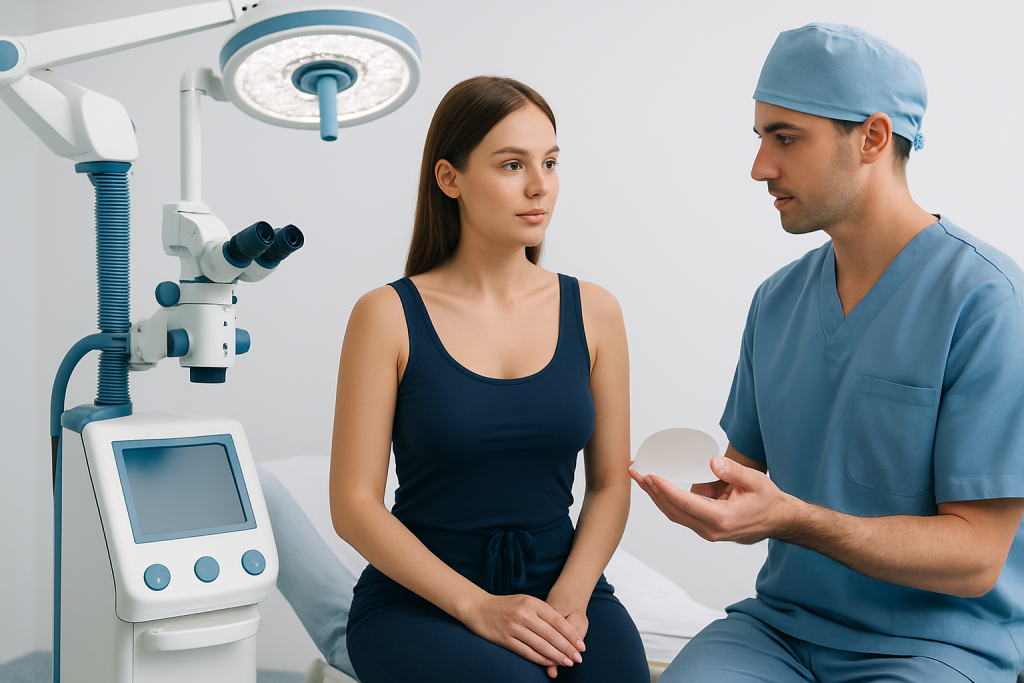
Breast enhancement can be performed in several ways. The most familiar option is breast augmentation, which uses implants to increase size and adjust shape. Another option is fat transfer, where fat is removed from one area of the body, processed, and injected into the breasts for a modest increase in volume. A breast lift reshapes and raises the breasts without necessarily increasing size, and it is often combined with implants when both lift and fullness are desired.
Implants themselves differ by size, shape, surface, and filler type. The right choice depends on the patient’s chest width, tissue coverage, skin elasticity, and long-term preferences. A surgeon may discuss how an implant sits above or below the muscle and how that decision can affect recovery, appearance, and future imaging.
Fat transfer can appeal to patients who want a more natural feel and a smaller volume change, but it is not suitable for everyone and may not deliver the same increase in size as implants. A breast lift is often considered when breasts have lost firmness or sit lower on the chest, because adding volume alone does not correct sagging.
Who may be a candidate

Candidacy begins with health rather than appearance alone. Good candidates are generally in stable overall health, do not have untreated breast disease, and understand both the benefits and the limitations of surgery. They should have clear, realistic goals and be able to follow pre- and post-operative instructions carefully.
Age matters less than maturity and medical suitability, although breast enhancement is generally performed only after breast development is complete. Patients who are pregnant, breastfeeding, or planning pregnancy very soon may be advised to postpone surgery. Those with certain chronic illnesses, clotting disorders, smoking habits, or poorly controlled medical conditions may need extra assessment or may not be suitable for elective surgery at that time.
People often seek breast enhancement after childbirth, weight loss, asymmetry, or naturally small breast volume. Others want to improve the way clothing fits or restore a shape that feels closer to their self-image. A good consultation makes space for these goals while also checking whether the requested change is safe and anatomically achievable.
Causes and factors that influence the decision
There is no single medical reason why someone chooses breast enhancement. The decision is usually shaped by a combination of anatomy, life events, and personal preference. Pregnancy, breastfeeding, aging, and weight changes can all affect breast volume and position, while inherited body shape influences how breasts sit on the chest from the start.
Some patients are mainly concerned with size, while others are more focused on symmetry or firmness. For example, one breast may naturally sit lower or look smaller, and surgery can sometimes help create a more balanced appearance. In other cases, a lift may be more appropriate than an implant if the main issue is sagging rather than volume.
Surgeons also consider lifestyle factors. Athletes may prefer a result that allows them to remain active comfortably, while other patients may prioritize a fuller look in clothing. The right plan balances personal preference with tissue quality, safety, and the likely long-term behavior of the breasts over time.
How the evaluation and diagnosis work
Before surgery, the evaluation is usually very detailed. The surgeon reviews the medical history, medications, past operations, allergies, family history, and any prior breast imaging. A physical examination helps assess skin quality, asymmetry, nipple position, breast volume, and chest shape.
The consultation is also where measurements and photographs may be taken for planning and record-keeping. In some cases, the surgeon may recommend breast imaging or additional medical clearance, especially if the patient has symptoms, a personal history of breast disease, or risk factors that need attention before cosmetic surgery.
International patients should expect that a proper assessment may require more than one step. A video consultation can help with early planning, but an in-person examination before surgery is important because subtle details such as tissue thickness and skin stretch cannot be judged accurately from photographs alone.
Treatment options and surgical techniques
The procedure chosen depends on the patient’s anatomy and goals. Implant-based augmentation is often selected when a larger and more predictable size change is desired. The surgeon may place the implant through a small incision in a location that aims to balance access, scar visibility, and tissue safety.
Fat transfer may be recommended for patients who want a moderate enhancement and also have enough donor fat elsewhere on the body. Because some of the transferred fat may be reabsorbed, the final size change may be less than initially placed. In selected cases, fat transfer may be combined with implants or a lift to refine contour.
Breast lift surgery reshapes the breast mound and repositions the nipple-areola complex when the breasts have descended. If the breast skin has stretched and the breast volume has decreased, a lift alone may improve position but not fullness. In those cases, the surgeon may discuss combining a lift with augmentation for a more complete result.
Every technique has trade-offs. Implants may require future monitoring and, in some cases, later replacement or revision. Fat transfer may offer a softer, more natural feel but less enlargement. A lift can improve position but leaves scars that should be understood in advance. The best choice is the one that matches both anatomy and expectations.
Recovery, prevention, and self-care
Recovery plans vary by procedure, but most patients need a period of reduced activity, careful wound care, and follow-up visits. Swelling, bruising, tightness, and temporary changes in sensation are common early on. The breasts may look and feel different during the first weeks, and the final result often takes time to settle.
Self-care after surgery usually includes wearing the recommended support garment, avoiding heavy lifting, protecting the incision sites, and attending scheduled check-ups. A patient who is traveling home should ask the surgeon what level of activity is safe before the flight, when compression garments should be worn, and how to recognize early signs that need medical review.
Prevention in this context means reducing avoidable complications. Patients are commonly advised to stop smoking, follow medication instructions closely, maintain a stable weight, and arrange help at home during the first recovery days. Good planning is especially important for people recovering abroad, because rushed travel can make follow-up more difficult.
When to see a doctor
Anyone considering breast enhancement should see a qualified plastic surgeon for an individualized assessment rather than relying only on social media images or package descriptions. A proper consultation helps determine whether the planned change is safe, realistic, and appropriate for the person’s breast anatomy and health history.
After surgery, medical review is important if there is increasing pain, marked swelling on one side, fever, redness that spreads, wound drainage, or sudden changes in breast shape. These symptoms do not always mean something serious, but they should be checked promptly.
Patients who are unsure about the best option, or who are comparing care in different countries, may benefit from speaking with a team that can coordinate surgery, recovery, and follow-up clearly. Acibadem Health Point’s multidisciplinary specialists and JCI-accredited hospitals diagnose and treat breast enhancement needs for international patients with an emphasis on safe planning and continuity of care.
Choosing care in Turkey with confidence
For international patients, the safest approach is to look beyond destination-based marketing and focus on the quality of the surgeon-patient relationship. It helps to ask who will perform the operation, what credentials they hold, how complications are handled, and how follow-up is organized after the patient returns home.
It is also sensible to discuss communication before travel. Patients do best when they understand the procedure name, implant or fat transfer details if relevant, expected recovery milestones, and what documentation they will receive for their home physician. Clear planning makes the journey calmer and the post-operative period easier to manage.
Breast enhancement can be a satisfying procedure when it is selected carefully and performed for the right reasons. The most reliable result is not the most dramatic promise, but the one that respects the patient’s body, health, and long-term well-being.
Frequently asked questions
01What does breast enhancement in Turkey usually mean?
It usually refers to cosmetic breast surgery such as breast augmentation, breast lift surgery, or fat transfer. The exact procedure depends on whether the goal is more volume, a higher position, or improved shape and symmetry.
02Is breast enhancement surgery safe?
Breast enhancement is generally safe when performed by a qualified surgeon in an appropriate facility, but all surgery has risks. Common concerns include bleeding, infection, scarring, changes in sensation, and the possibility of needing revision later.
03How do patients choose between implants and fat transfer?
Implants are typically used when a larger and more predictable increase in size is desired. Fat transfer is better suited to modest enhancement and patients who also have enough donor fat elsewhere on the body.
04Does a breast lift add size?
A breast lift improves position and shape but does not usually add volume. If fullness is also desired, the surgeon may discuss combining a lift with implants or, in selected cases, fat transfer.
05How long is recovery after breast enhancement?
Recovery time depends on the procedure and the patient’s overall health, but most people need several weeks before returning to full activity. Swelling and settling can continue for months, so the final result is not immediate.
06Can international patients safely travel home after surgery?
Yes, but only after the surgeon confirms that travel is safe and enough early follow-up has been completed. Patients should plan recovery time into the trip and know how to contact the medical team if concerns arise after returning home.
This article is for general information only and is not a substitute for professional medical advice. Please consult a qualified doctor about your individual situation.
Explore treatments in Turkey — costs, top hospitals & a free quote
JCI-accredited · board-certified surgeons · reply within 24h
Add us as a Preferred Source to see more of our trusted health content across Google Search, AI Overviews and Discover.



How can we help you today?
Meet an Acibadem specialist by secure video, before you travel.
Book a video visit