What Is Anxiety and Diarrhea? A Complete Medical Guide

Key Takeaways
- Anxiety can trigger diarrhea through the gut-brain connection and stress hormones.
- Diarrhea is not always caused by anxiety; infections, food intolerance, medications, and digestive conditions also matter.
- A symptom pattern, triggers, duration, and warning signs help doctors distinguish anxiety-related symptoms from other causes.
- Hydration, gentle diet choices, sleep, stress management, and treating the underlying anxiety can all help.
- Medical evaluation is important if diarrhea is prolonged, recurrent, bloody, associated with fever, or causes dehydration.
Anxiety and diarrhea can occur together because the gut and brain communicate closely, and emotional stress may speed up bowel activity in some people. While this is often temporary, persistent or severe symptoms deserve medical attention to rule out other causes and guide proper care.
Overview
When people search for anxiety and diarrhea, they are often trying to understand a symptom pair that can feel confusing and disruptive. The short answer is that anxiety can absolutely affect the digestive system, and in some people it may lead to loose stools or urgent bowel movements.
This happens because the brain and the intestines are in constant communication. During stress, the body can shift into a “fight-or-flight” state that changes gut movement, sensitivity, and fluid handling. For many people, the result is temporary diarrhea, cramping, or a strong need to use the bathroom before or during stressful situations.
Still, it is important not to assume every episode is stress-related. Diarrhea can also come from stomach infections, food intolerance, medication side effects, inflammatory bowel disease, and other digestive disorders. A careful look at the pattern of symptoms helps determine whether anxiety is the main trigger or one part of a broader picture.
For international patients seeking care, a clinician may first focus on symptom history, travel exposures, diet changes, and mental health stressors. That practical approach helps separate a short-lived gut reaction to anxiety from conditions that need targeted treatment.
Symptoms
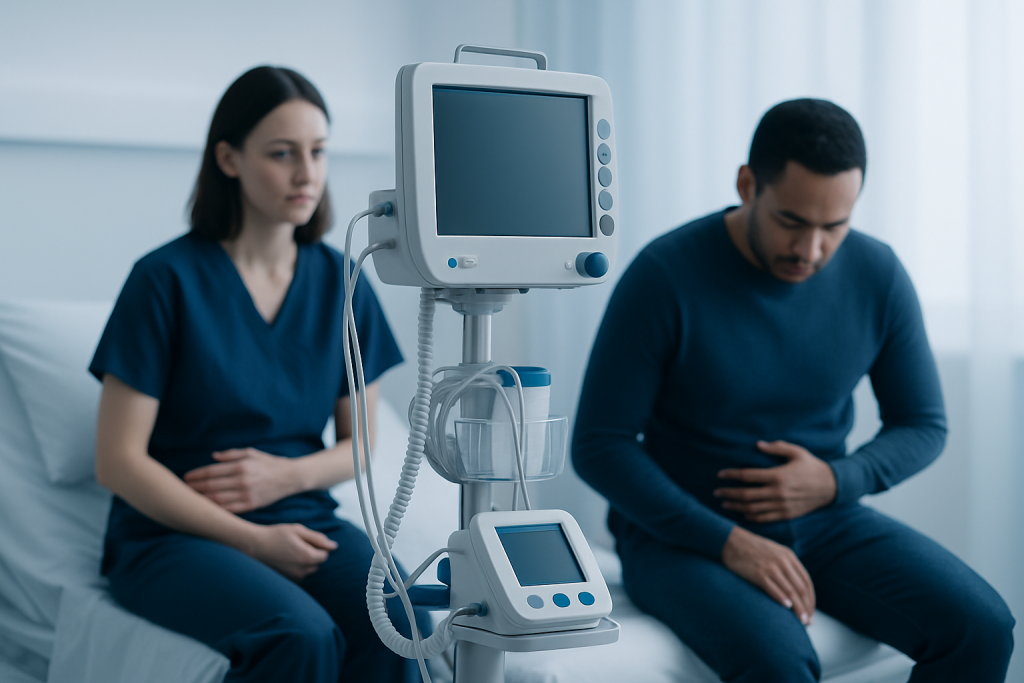
Anxiety-related diarrhea often appears alongside other physical signs of stress rather than in isolation. People may notice abdominal cramping, nausea, bloating, a fluttering feeling in the stomach, or sudden bowel urgency. Some describe a loose stool pattern that comes on before an exam, flight, meeting, or emotionally difficult event.
The bowel changes may improve after the stressful event passes, although in some people they can linger for hours or recur whenever anxiety is high. Symptoms may be more noticeable in the morning, before leaving home, or during periods of poor sleep.
Possible signs that point toward anxiety as a contributor include:
- Symptoms that reliably appear during stress or worry
- Improvement on calmer days or after relaxation
- Cramping without fever, blood, or severe dehydration
- A history of anxiety, panic episodes, or chronic stress
At the same time, certain symptoms suggest a cause beyond anxiety. Blood in the stool, persistent fever, significant weight loss, nighttime diarrhea, or ongoing vomiting should prompt medical review.
Causes & Risk Factors

The most common explanation is the gut-brain connection. Stress activates the nervous system and stress hormones, which can increase intestinal contractions and make stool move faster through the colon. When stool moves too quickly, the body has less time to absorb water, which can lead to diarrhea.
Anxiety may also make the gut more sensitive to normal sensations. A person may feel mild intestinal movement as painful cramping or intense urgency. In some people, this sensitivity becomes part of irritable bowel syndrome, a common disorder in which stress and digestion often influence one another.
Factors that can make anxiety-related diarrhea more likely include:
- Chronic stress, panic attacks, or untreated anxiety disorders
- Sleep deprivation and irregular routines
- High caffeine intake or alcohol use
- Food triggers such as spicy meals or rich foods during stress
- A history of IBS or another functional digestive disorder
Other causes can overlap with anxiety, especially during travel or major life changes. A person under stress may also have a stomach virus, reaction to antibiotics, lactose intolerance, or another gastrointestinal condition at the same time. That is why a broad medical history matters.
Diagnosis
Diagnosis begins with a detailed conversation about the symptoms rather than a single test. A clinician usually asks when the diarrhea started, how often it occurs, whether it happens after stressful events, and whether any alarm signs are present. They may also review diet, medications, recent travel, and prior digestive problems.
In many cases, the pattern itself gives important clues. If symptoms are short-lived, clearly linked to anxiety, and there are no warning signs, a doctor may recommend supportive care and observation. If diarrhea is persistent, severe, or unusual, further evaluation may be needed to look for infection, inflammation, malabsorption, thyroid problems, or other digestive causes.
Possible tests depend on the situation and may include stool studies, blood tests, or sometimes imaging or endoscopy if symptoms suggest another disorder. When anxiety seems to play a major role, screening for anxiety disorder, panic disorder, or stress-related conditions can also be helpful because treating both the body and mind often improves outcomes.
For people traveling from abroad, clinicians may pay special attention to recent food exposures, changes in routine, jet lag, and access to follow-up care after returning home. Clear follow-up instructions are especially useful when symptoms are ongoing but not dangerous.
Treatment Options
Treatment depends on the cause. When anxiety is the main trigger, managing stress often reduces bowel symptoms. When another digestive condition is found, therapy may focus on that underlying issue, with anxiety care added as a supportive layer rather than the only solution.
Practical measures can help during a flare. Rehydration with water or oral fluids is important, especially if loose stools are frequent. Light meals may be easier to tolerate, and some people do better temporarily avoiding caffeine, alcohol, greasy foods, and very spicy meals.
Common treatment approaches may include:
- Stress-reduction techniques such as slow breathing, mindfulness, or guided relaxation
- Psychological support, including cognitive behavioral therapy when appropriate
- Diet adjustments based on personal triggers
- Medicines directed at a confirmed digestive diagnosis when needed
- Careful use of symptom-relief medications under medical guidance
It is best not to self-treat repeatedly without knowing the cause. For example, frequent diarrhea from an infection, inflammatory condition, or medication reaction should not be managed the same way as occasional anxiety-related bowel urgency. A clinician can help choose the safest approach.
Prevention & Self-care
There is no single way to prevent every episode of anxiety and diarrhea, but steady habits can make flares less likely. A predictable routine, adequate sleep, balanced meals, and regular physical activity can support both emotional and digestive stability.
People who recognize stress as a trigger may benefit from planning ahead for predictable situations, such as travel, public speaking, or medical appointments. Simple steps like eating lightly before an event, carrying hydration, and taking a few minutes for breathing exercises can reduce symptom intensity for some individuals.
Helpful self-care habits include:
- Keeping a symptom diary to identify stress and food triggers
- Limiting excess caffeine and alcohol
- Drinking enough fluids throughout the day
- Maintaining regular sleep and meal timing
- Practicing relaxation skills before anxiety builds
If anxiety feels frequent, overwhelming, or tied to many daily situations, addressing the anxiety directly is often the most effective form of prevention. That may involve therapy, lifestyle changes, and, in some cases, treatment recommended by a qualified clinician.
When to See a Doctor
Medical evaluation is sensible when diarrhea lasts more than a few days, returns often, or interferes with daily life. A doctor can help determine whether anxiety is the main driver or whether another digestive condition needs attention.
Prompt assessment is especially important if there are warning signs such as blood or black stools, fever, dehydration, severe abdominal pain, fainting, unintentional weight loss, nighttime diarrhea, or signs of confusion or weakness. These features are not typical of simple stress-related bowel changes and should not be ignored.
It is also worth seeking care if anxiety is affecting work, sleep, travel, eating patterns, or relationships. Treating anxiety can improve quality of life and may reduce digestive symptoms at the same time. For international patients, multidisciplinary specialists and JCI-accredited hospitals such as Acibadem Health Point can help diagnose and treat the condition with coordinated care.
When symptoms are evaluated early, the plan is often more straightforward. That may mean reassurance and self-care, targeted testing, or a combined digestive and mental health approach tailored to the person’s needs.
Frequently asked questions
01Can anxiety really cause diarrhea?
Yes. Anxiety can speed up bowel activity and make the intestines more sensitive, which may lead to loose stools or urgency. This is a common physical response to stress, especially in people who are already prone to digestive sensitivity.
02How can someone tell if diarrhea is from anxiety or an infection?
Anxiety-related diarrhea often appears around stressful events and improves when the stress passes. Infections are more likely to come with fever, vomiting, exposure to contaminated food or water, or illness in other household members, but a doctor may still need to evaluate the cause.
03Does IBS make anxiety and diarrhea worse?
It can. Irritable bowel syndrome and anxiety often influence each other because stress may trigger gut symptoms, and digestive symptoms may then increase worry. A treatment plan that addresses both the bowel and the nervous system is often most helpful.
04What foods should be avoided during an anxiety-related flare?
Many people feel better by temporarily limiting caffeine, alcohol, spicy foods, greasy meals, and large portions. Individual triggers vary, so a food diary can help identify what makes symptoms worse.
05When is diarrhea with anxiety an emergency?
Seek urgent care if diarrhea is severe, causes signs of dehydration, includes blood or black stool, comes with high fever, or is paired with significant abdominal pain or fainting. These are not typical features of simple stress-related diarrhea.
06Can treating anxiety improve digestive symptoms?
Yes, for many people it can. Therapy, relaxation techniques, better sleep, and other anxiety treatments may reduce the stress response that affects the gut, leading to fewer bowel symptoms over time.
This article is for general information only and is not a substitute for professional medical advice. Please consult a qualified doctor about your individual situation.
Persistent digestive symptoms? Get evaluated in Turkey
JCI-accredited · board-certified surgeons · reply within 24h
Add us as a Preferred Source to see more of our trusted health content across Google Search, AI Overviews and Discover.