Could Gallstones Cause Acid Reflux: What You Need to Know

Key Takeaways
- Gallstones and acid reflux are different conditions, even though some symptoms can overlap.
- Gallbladder pain is often felt after meals and may be in the upper right abdomen or back.
- Acid reflux more often causes burning in the chest, sour taste, or symptoms that worsen when lying down.
- Testing may include blood work, ultrasound, and sometimes endoscopy or other imaging.
- Medical evaluation is important if symptoms are recurrent, severe, or associated with fever, jaundice, vomiting, or weight loss.
Gallstones do not usually cause true acid reflux, but they can create upper abdominal symptoms that feel similar and may be mistaken for reflux. Understanding the differences helps a doctor identify the real cause and choose the right treatment.
Overview
Could gallstones cause acid reflux? Not directly, but they can sometimes be part of the reason a person feels upper abdominal discomfort that is easy to mistake for reflux. Gallstones form in the gallbladder, while acid reflux happens when stomach contents move back up into the esophagus. Because both can cause pain after eating and nausea, people often assume they are dealing with one problem when there may actually be two.
That overlap matters, especially for international patients who are deciding whether to travel for care or continue treatment at home. A careful evaluation can separate gallbladder-related pain from reflux, or show that both conditions are present. The right diagnosis is important because the treatments are different and self-treating one problem can leave the other untreated.
In simple terms, gallstones can mimic reflux symptoms, trigger indigestion-like discomfort, or coexist with reflux, but they do not typically produce acid reflux itself. A clinician will look at the symptom pattern, timing, and any warning signs before recommending tests or treatment.
Symptoms
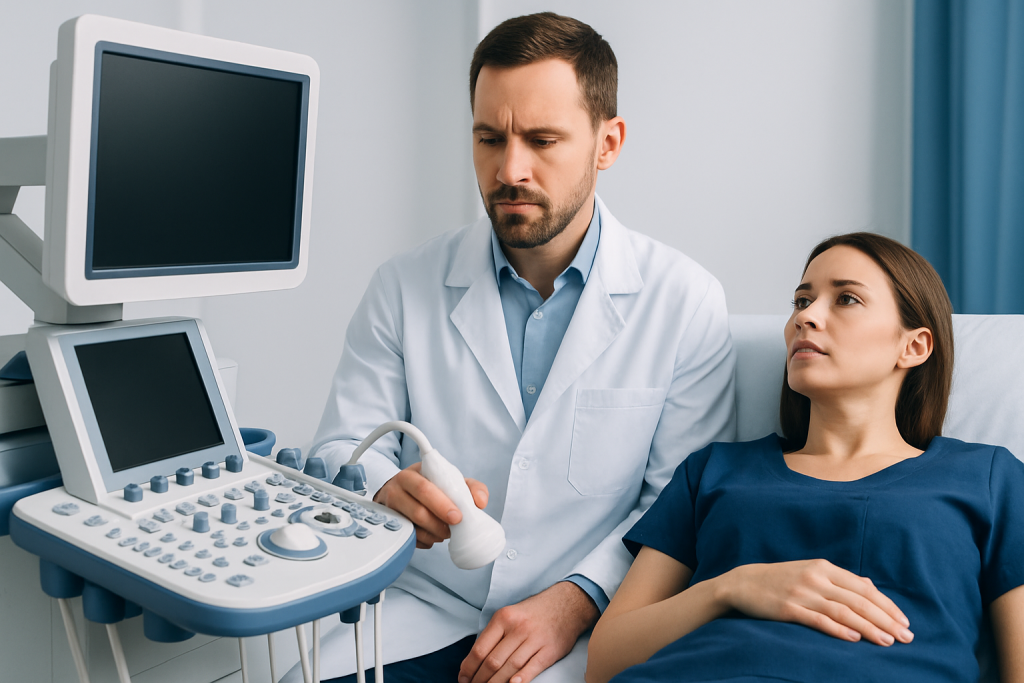
Gallstone symptoms often appear after eating, especially after a meal that is heavy or fatty. The pain may be steady and located in the upper right abdomen or the center of the upper abdomen, and it can spread to the back or right shoulder. Nausea, bloating, and a feeling of fullness may also occur.
Acid reflux usually feels different. Many people notice a burning sensation behind the breastbone, sour or bitter fluid rising into the throat, burping, or discomfort that worsens when bending over or lying down. Some people also have a chronic cough, hoarseness, or a sensation that food is sticking in the throat.
There can be enough overlap to cause confusion, especially when pain is felt in the upper abdomen. Helpful clues include where the discomfort is strongest, whether it follows fatty meals, whether it improves with antacids, and whether there are associated signs such as fever, vomiting, or yellowing of the skin or eyes.
- More suggestive of gallstones: upper right abdominal pain, pain after fatty meals, pain that may last longer and come in episodes.
- More suggestive of reflux: burning chest discomfort, sour taste, symptoms after lying down.
- May occur in both: nausea, indigestion, bloating, upper abdominal discomfort.
Causes & Risk Factors

Gallstones develop when bile in the gallbladder becomes too concentrated and hardens into stones. They may be made mostly of cholesterol or pigment, and many people never notice them. Problems begin when a stone blocks the flow of bile, leading to pain or inflammation.
Acid reflux develops for a different reason: the lower esophageal sphincter, the muscle that helps keep stomach contents in place, relaxes or weakens. That allows acid to move upward into the esophagus. Reflux is often influenced by body position, meal size, smoking, certain foods, excess weight, pregnancy, and some medications.
Some risk factors can make digestive symptoms feel more intertwined. For example, a large meal can trigger gallbladder pain and reflux in the same evening. Fatty foods may also worsen both conditions for different reasons, which is one reason symptom diaries can be useful before a medical appointment.
Gallstones are more likely with a family history of gallstones, rapid weight changes, pregnancy, certain blood disorders, and some metabolic conditions. Reflux is more likely with obesity, hiatal hernia, smoking, and repeated irritation from meals that are large, late, or high in fat.
Diagnosis
Because gallstone symptoms and reflux symptoms can resemble one another, doctors usually begin with a detailed history. They ask where the pain is felt, how long it lasts, what it feels like, and what seems to trigger or relieve it. That conversation often gives the first clue about whether the gallbladder, the esophagus, or both are involved.
For suspected gallstones, ultrasound is commonly the first test because it can show stones and signs of gallbladder inflammation. Blood tests may also be used to check for infection, liver irritation, or blockage of the bile ducts. If symptoms are not typical, other imaging or specialist evaluation may be needed.
For reflux, a doctor may first recommend a clinical diagnosis based on symptoms, then consider endoscopy or other tests if symptoms are persistent, severe, or atypical. This is especially important when pain is recurring after meals, when swallowing feels difficult, or when symptoms do not improve as expected.
When a patient is traveling from another country, good documentation helps. Bringing prior imaging reports, medication lists, and symptom notes makes it easier for the treating team to compare results and avoid repeating unnecessary tests.
Treatment Options
Treatment depends on which condition is causing the symptoms. Gallstones that are not causing problems may only need observation, while painful or complicated gallstones are often treated with gallbladder removal. If a stone is blocking a duct or causing inflammation, treatment may be more urgent and may require a hospital stay.
Acid reflux is usually treated with lifestyle changes and, when needed, medicine that reduces acid or helps protect the esophagus. Doctors may suggest smaller meals, avoiding late-night eating, and limiting foods that tend to worsen symptoms. If reflux is frequent or persistent, a clinician may investigate whether another issue is contributing.
When both conditions are present, treatment has to be planned carefully. For example, a person may need reflux management while also being evaluated for gallbladder disease. Treating one without acknowledging the other can delay relief and make it harder to know which symptoms belong to which condition.
In some cases, surgery is the most effective option for symptomatic gallstones. For reflux that is hard to control with non-surgical treatment, a specialist may discuss further evaluation and advanced options. The right plan depends on the person’s overall health, symptoms, and test results.
Prevention & Self-care
Not every case can be prevented, but some habits may lower the chance of symptom flare-ups. Eating balanced meals, avoiding very large portions, and reducing late-night eating can help both gallbladder discomfort and reflux. Gradual, sustainable weight management is usually preferable to rapid weight loss, which can increase gallstone risk.
People with reflux often benefit from paying attention to posture after meals. Remaining upright for a period after eating and raising the head of the bed at night may reduce nighttime symptoms. For gallbladder symptoms, keeping a note of foods that seem to trigger pain can help a doctor identify patterns.
Self-care is most useful when it supports, rather than replaces, medical evaluation. Antacids may temporarily soothe heartburn, but they do not treat gallstones. Likewise, avoiding fatty foods may reduce gallbladder pain for some people, but it will not resolve persistent reflux on its own.
- Choose smaller, more regular meals when possible.
- Limit late-night eating if reflux is part of the problem.
- Track symptom timing, meal content, and pain location.
- Seek a medical review rather than repeatedly guessing at the cause.
When to See a Doctor
Medical assessment is important if upper abdominal pain keeps returning, if heartburn is frequent, or if symptoms are changing over time. It is especially helpful when a person is unsure whether the problem is gallstones, reflux, or both. A focused exam and the right tests can prevent unnecessary trial-and-error treatment.
Prompt care is recommended if pain is severe, lasts several hours, or is accompanied by fever, vomiting, jaundice, dark urine, pale stools, or a swollen abdomen. These signs may suggest a blocked bile duct or inflammation that should not be ignored. Difficulty swallowing, vomiting blood, black stools, or unintentional weight loss also need medical attention.
For people considering treatment abroad, it is reasonable to plan ahead once the condition is stable enough for travel. Acibadem Health Point’s multidisciplinary specialists and JCI-accredited hospitals diagnose and treat digestive conditions for international patients, helping coordinate the evaluation and recovery process with clear follow-up planning.
Even when symptoms seem mild, recurring episodes deserve attention because the cause may be more specific than simple indigestion. A qualified doctor can help determine whether the gallbladder, the esophagus, or both are involved, and recommend the safest next step.
Frequently asked questions
01Could gallstones cause acid reflux directly?
Gallstones do not usually cause true acid reflux. They can, however, cause upper abdominal pain, nausea, and indigestion-like symptoms that may feel similar to reflux. A doctor can help tell the difference with a careful history and, if needed, tests.
02How can someone tell gallbladder pain from heartburn?
Gallbladder pain is often felt in the upper right abdomen or center of the upper abdomen and may follow fatty meals. Heartburn more often feels like burning behind the breastbone and may worsen when lying down. Because symptoms can overlap, a medical evaluation is often the safest way to sort them out.
03Can gallstones and acid reflux happen at the same time?
Yes, they can occur together. In that situation, one condition may distract from the other, which is why persistent symptoms should not be assumed to have a single cause. Treatment usually needs to address each problem separately.
04What tests are used if gallstones are suspected?
Ultrasound is commonly used to look for gallstones and gallbladder inflammation. Doctors may also order blood tests to check for signs of infection or bile duct blockage. Other imaging or specialist tests may be needed if symptoms are unusual.
05Does drinking water help with gallstones or reflux?
Water can be part of general digestive comfort, but it does not dissolve gallstones. For reflux, small amounts of water may ease burning for some people, though it is not a cure. Ongoing or recurring symptoms should be discussed with a doctor.
06When should a person seek urgent care?
Urgent care is important if there is severe abdominal pain, fever, repeated vomiting, jaundice, dark urine, pale stools, chest pain, or trouble swallowing. These symptoms can point to a complication that needs prompt assessment. If there is any uncertainty, a clinician should be contacted without delay.
This article is for general information only and is not a substitute for professional medical advice. Please consult a qualified doctor about your individual situation.
Persistent digestive symptoms? Get evaluated in Turkey
JCI-accredited · board-certified surgeons · reply within 24h
Add us as a Preferred Source to see more of our trusted health content across Google Search, AI Overviews and Discover.