What Helps Hair Grow When It Is Thinning?
What helps hair grow depends on why growth has slowed or hair is shedding. Adequate nutrition, gentle scalp and hair care, management of medical conditions, and evidence-based treatment for certain types of hair loss can support healthier growth over time.
What Helps Hair Grow?
What helps hair grow is identifying and addressing the reason for slow growth, thinning, shedding, or breakage. For many people, this includes eating a balanced diet with enough protein and key micronutrients, avoiding hair practices that damage the shaft or pull at the roots, and treating a medical cause when one is present.
There is no safe method that makes scalp hair grow dramatically faster overnight. Hair growth follows a natural cycle, and visible improvement generally takes several months. The most useful approach is to protect existing hair, support normal follicle function, and seek medical advice when loss is persistent, sudden, or unusual.
It is also helpful to distinguish hair growth from hair retention. Hair may be growing normally at the scalp but appear not to get longer because the ends are breaking. In other situations, more hairs than usual may move into a resting and shedding phase, or follicles may gradually produce finer hairs.
Understanding Hair Growth and Hair Loss
Each hair follicle cycles through growth, transition, resting, and shedding phases. The growth phase can last years on the scalp, which is why scalp hair can become long. Genetics, age, hormones, nutrition, illness, medicines, and scalp health can all influence this cycle.
Daily shedding is normal because individual follicles are not synchronized. Increased shedding may occur after a fever, surgery, childbirth, rapid weight loss, major stress, or restrictive dieting. This temporary pattern is often called telogen effluvium and may improve after the trigger resolves, although regrowth takes time.
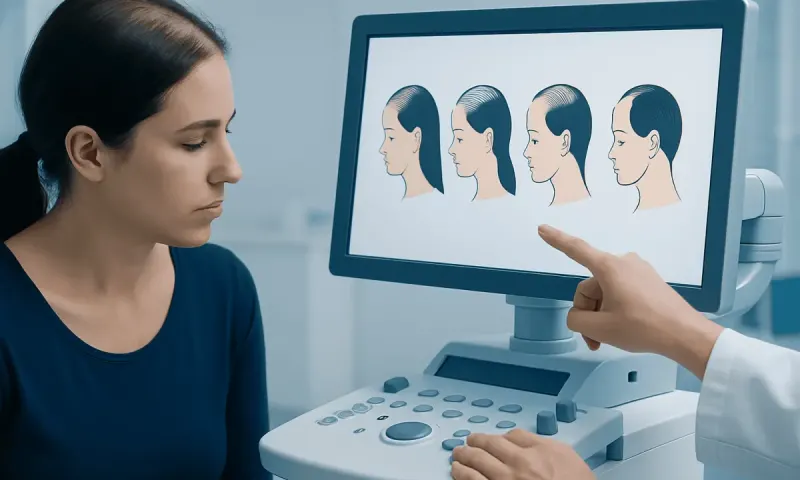
Gradual widening of a part, reduced density over the crown, or recession at the temples may suggest pattern hair loss. This common condition has a genetic and hormonal component. Other causes include thyroid disease, iron deficiency, inflammatory scalp disorders, fungal infection, autoimmune hair loss, and damage from traction or chemical processing.
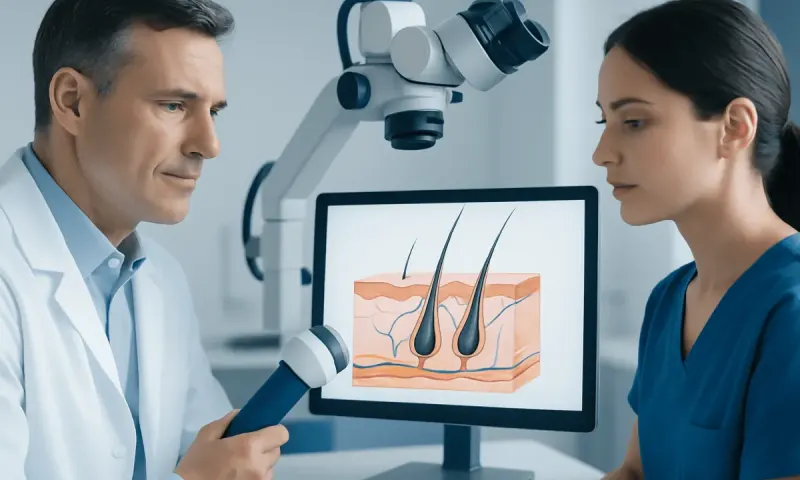
Hair loss can affect confidence, but effective evaluation starts with a clear diagnosis. A dermatologist or other qualified clinician can examine the scalp, review medicines and health history, and decide whether tests or specialist assessment are needed.
How Can I Naturally Grow My Hair Fast?

People asking how to naturally grow hair fast should know that healthy habits can support normal growth, but they cannot override the hair cycle. The most realistic goal is to create the best conditions for strong, sustained growth while minimizing shedding and breakage.
A varied eating pattern is important. Hair is largely made of protein, so meals should regularly include protein-rich foods such as fish, eggs, dairy products, legumes, tofu, poultry, or lean meat, according to personal dietary preferences. Fruits, vegetables, whole grains, nuts, seeds, and healthy fats can also provide nutrients needed for overall skin and hair health.
Gentle care helps preserve length. Use conditioner as needed, detangle carefully with a wide-tooth comb, limit high-heat tools, and avoid frequent bleaching or harsh chemical straightening. Looser hairstyles can reduce ongoing tension on the follicles. Regular trimming does not change the growth rate at the root, but it may remove split ends and reduce the appearance of breakage.
Sleep, stress management, and treatment of underlying illness support general health and may be relevant when increased shedding follows physical or emotional stress. Scalp massage may feel relaxing, but evidence that it substantially accelerates growth is limited. Oils and home remedies should be used cautiously, as some can cause irritation or allergic contact dermatitis.
What Can Actually Stimulate Hair Growth?
The treatments that can actually stimulate hair growth depend on the diagnosis. For hereditary pattern hair loss, topical minoxidil is a widely used, evidence-based option for many adults. It may help some follicles remain in the growth phase longer and can reduce progression in some people. Results take time, and temporary increased shedding can occur early in treatment.
Minoxidil is not suitable for every person, and the choice of product should be discussed with a clinician, especially during pregnancy, breastfeeding, or when there is heart disease, low blood pressure, scalp inflammation, or use of other medicines. A clinician may also consider prescription options for selected patients with pattern hair loss, based on their sex, age, medical history, reproductive plans, and potential adverse effects.
If low iron stores, thyroid disease, nutritional deficiency, inflammatory scalp disease, or another condition is contributing to loss, treating that cause is often the most important way to support regrowth. Supplements are helpful when a deficiency is confirmed or strongly suspected, but high-dose supplements without medical guidance can be ineffective or harmful.
Some people may be candidates for procedures such as platelet-rich plasma or hair transplantation after appropriate assessment. Their suitability and expected benefit vary by cause and degree of hair loss. For established hereditary thinning, a consultation about hair transplantation may be appropriate when medical management alone does not meet a person’s goals.
What Helps to Increase Hair Growth?
What helps to increase hair growth is usually a combination of correcting reversible factors and using targeted treatment where indicated. A clinician may ask about recent illness, childbirth, diet changes, weight loss, new medicines, menstrual patterns, family history, and hair-care routines. This context can identify a cause that is not visible from the hair alone.
Blood tests are not required for everyone, but they may be useful when symptoms or history suggest iron deficiency, thyroid disease, vitamin deficiency, hormonal changes, or another medical condition. Hair loss accompanied by acne, excess facial hair, irregular periods, or fertility concerns may warrant an assessment for hormonal disorders such as polycystic ovary syndrome.
For people wondering what helps hair grow thicker, improving density is more realistic when follicles are still active. Early treatment of pattern hair loss may preserve more hairs and reduce miniaturization. In contrast, longstanding shiny or scarred areas of scalp need prompt specialist review because scarring hair loss can permanently damage follicles.
Avoid relying on products that promise rapid thickening or permanent regrowth without evidence. Cosmetic shampoos and conditioners can temporarily make hair look fuller by coating the hair shaft, but they do not usually change follicle activity. A dermatologist can explain whether the concern is shedding, breakage, pattern thinning, or another form of hair loss.
What to Drink to Grow Hair?
There is no drink that reliably makes hair grow faster or thicker. Water is important for general health and hydration, but drinking extra water beyond normal needs does not directly stimulate hair follicles. A balanced diet provides more meaningful support than juices, detox drinks, or commercial “hair growth” beverages.
If someone cannot meet nutritional needs through food because of a restrictive diet, digestive condition, or poor appetite, a healthcare professional or registered dietitian can help plan suitable nutrition. Protein-containing drinks may be useful in some circumstances, but they are not a replacement for medical evaluation when hair loss is noticeable.
Many herbal drinks and supplements are marketed for hair growth, yet their quality, ingredients, and evidence may vary. Some may interact with medicines or contain excessive vitamins and minerals. Biotin is often promoted for hair, but supplementation is mainly useful for the uncommon people who have a true deficiency; it can also interfere with certain laboratory test results.
For healthier hair, it is generally sensible to limit habits that can affect overall nutrition and wellbeing, such as highly restrictive dieting or heavy alcohol use. A doctor can advise on safe dietary changes for a person’s medical needs.
Hair Growth After Chemotherapy and Other Triggers
People often ask what helps hair grow after chemo. Hair commonly begins to regrow after chemotherapy ends, but the timing, texture, color, and density can vary. New hair may initially be finer, curlier, straighter, or a different shade. Gentle scalp care, sufficient nutrition, and patience are usually the main supportive measures.
Anyone receiving cancer treatment should ask their oncology team before using supplements, scalp products, minoxidil, or procedures. The safest plan depends on the chemotherapy medicines used, other treatments, skin condition, blood counts, and individual recovery. Persistent lack of regrowth or new scalp symptoms should be reported to the care team.
Other temporary triggers for shedding include childbirth, a significant infection, surgery, emotional stress, and rapid weight loss. Regrowth often occurs once the trigger has passed, although full recovery can take months. Continued shedding beyond the expected period deserves medical review.
Whether the aim is what helps hair grow back, what helps hair grow longer, or what helps hair grow faster and thicker, a tailored approach is more useful than a single product. Addressing the underlying pattern early can help protect existing hair and set realistic expectations.
When to Seek Medical Care
Medical advice is recommended for sudden or patchy hair loss, visible scalp scaling or redness, pain, itching, pustules, scarring, or loss of eyebrows or eyelashes. A prompt assessment is also sensible if hair shedding is severe, lasts for several months, begins after starting a medicine, or causes significant distress.
Hair loss together with tiredness, shortness of breath, unexplained weight change, intolerance to heat or cold, changes in periods, acne, or excess facial hair may indicate an underlying health issue that needs evaluation. Children with hair loss should also be assessed by a qualified healthcare professional.
A dermatologist can help identify the cause and discuss options ranging from scalp treatment and nutritional correction to medical therapy and procedural care. Acıbadem Health Point’s multidisciplinary specialists and JCI-accredited hospitals diagnose and treat hair and scalp concerns for international patients.
Early assessment can be especially valuable when there is progressive thinning or signs of inflammation, because some causes respond better before follicles are severely affected. A clinician can provide an individualized, safe plan rather than relying on unproven products.
Frequently asked questions
01What helps hair grow faster and thicker?
Hair cannot usually be made to grow much faster than its natural rate, but it can appear fuller when shedding, breakage, or thinning is addressed. Adequate protein and nutrients, gentle hair care, and diagnosis-specific treatment may help. For hereditary pattern hair loss, early medical treatment may help preserve density.
02Can vitamins make hair grow?
Vitamins and minerals can support hair growth when a person has a deficiency, such as low iron or vitamin D in appropriate clinical circumstances. Taking large doses without evidence of a deficiency is not usually helpful and may cause side effects. A clinician can advise whether testing or supplementation is appropriate.
03Does cutting hair make it grow faster?
Cutting hair does not change growth at the follicle, which is located beneath the scalp. However, trimming split or damaged ends may reduce breakage, helping hair retain length and look healthier. This can make it seem as though hair is growing better over time.
04What helps hair grow naturally after stress?
Stress-related shedding often improves after the physical or emotional trigger resolves, though regrowth may take several months. Regular meals with adequate protein, sleep, stress support, and gentle hair care can be useful. If shedding is severe, prolonged, or accompanied by other symptoms, medical assessment is recommended.
05Which foods help hair grow?
Foods that provide protein, iron, zinc, essential fats, and a range of vitamins can support healthy hair. Examples include eggs, fish, lean meats, beans, lentils, dairy products, leafy vegetables, whole grains, nuts, seeds, and fruit. The best choice is a varied eating pattern rather than one single “hair growth” food.
06Can hair grow back after chemotherapy?
Hair commonly regrows after chemotherapy, but the timing and appearance vary between individuals and treatment types. The hair may initially have a different texture or color. People undergoing or recovering from cancer treatment should discuss any hair-growth products or supplements with their oncology team first.
This article is for general information only and is not a substitute for professional medical advice. Please consult a qualified doctor about your individual situation.
Hair transplant in Turkey — costs, graft counts & a free assessment
JCI-accredited · board-certified surgeons · reply within 24h
Add us as a Preferred Source to see more of our trusted health content across Google Search, AI Overviews and Discover.