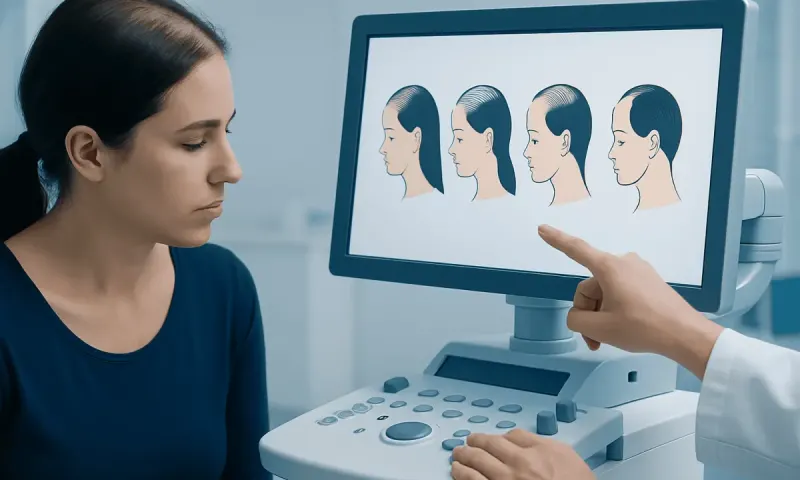
Hair Thinning Has Many Causes, and the Pattern Offers Clues

Have you noticed more hair in the shower drain, or a part line that seems wider than it used to be? Before you assume the worst, it helps to know one thing: hair thinning alopecia isn’t a single disease. It’s a broad term for reduced hair density caused by different forms of hair loss. That matters, because the treatment that works depends entirely on the cause.
Thinning can be linked to genetics, hormones, stress, nutrition, inflammation, medications, or scalp disorders. A medical evaluation helps sort out which one is behind your hair loss — so treatment can be matched to the cause rather than guessed at.
What hair thinning alopecia means
Hair thinning alopecia means there is a noticeable decrease in hair volume or density. It is not one single diagnosis. Instead, it is a descriptive term that doctors use when hair becomes less full because the normal hair-growth cycle has changed, the hair shaft becomes finer, or hair follicles stop producing visible hairs.
Medical evidence shows that hair thinning can come from several different processes. Some people experience gradual miniaturization of hair follicles, which is common in androgenetic alopecia. Others shed more hairs than usual after illness, stress, childbirth, surgery, restrictive dieting, or medication changes. Inflammatory scalp diseases can also damage follicles and affect regrowth.
Here’s the thing: most myths oversimplify hair loss. It’s not always your shampoo, your hat, or stress alone. When you see a clinician, we look at the pattern, the timing, what the scalp itself shows, your family history, and your general health — and from that we can usually tell whether the thinning is temporary, treatable, or likely to progress without care.
How hair thinning alopecia appears
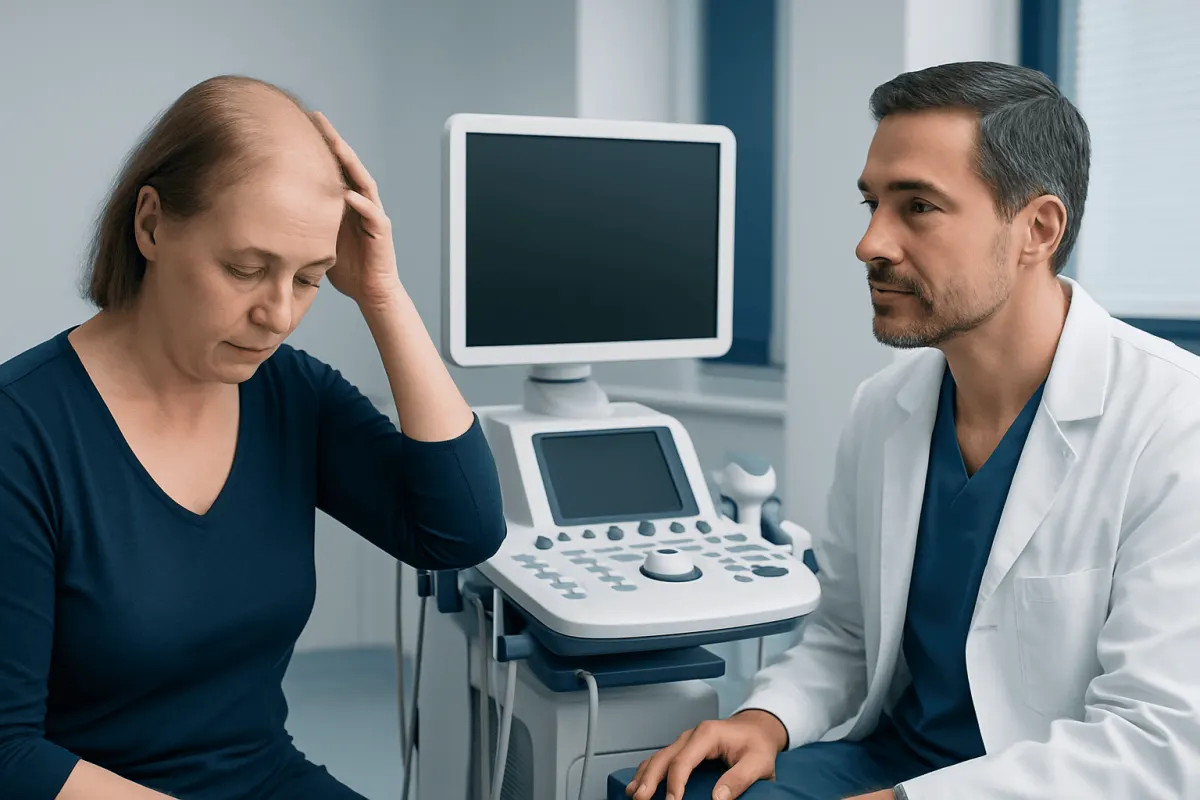
How your thinning looks tells us a lot. You might notice a wider part line, a thinner ponytail, or more scalp showing under bright light. Or maybe it’s extra hairs on the pillow, in the shower, or on the brush. In men, thinning often starts at the temples or crown. In women, it usually shows up as diffuse thinning over the top of the scalp, with the front hairline relatively preserved.
Not all hair loss is diffuse. Patchy round or oval areas may suggest alopecia areata, an autoimmune form of hair loss. Broken hairs around the edges can point to traction from tight hairstyles or hair practices that place ongoing stress on the follicles. A receding hairline in combination with gradual thinning can fit inherited pattern hair loss.
Scalp symptoms also matter. Itching, burning, tenderness, redness, scaling, flakes, or painful bumps may indicate inflammation or infection rather than simple shedding. If the scalp appears shiny or scarred, this can suggest scarring alopecia, which requires prompt specialist assessment because early treatment may help preserve remaining follicles.
- Gradual thinning over months often suggests pattern hair loss.
- Sudden increased shedding can occur after illness, stress, childbirth, or medication changes.
- Patchy loss may suggest autoimmune or inflammatory causes.
- Hair breakage may reflect chemical damage, heat styling, or traction.
Why it happens: common causes and risk factors

One of the most common causes of hair thinning alopecia is androgenetic alopecia, also called hereditary pattern hair loss. This happens when genetically susceptible follicles gradually shrink under the influence of hormones, especially androgens. The result is shorter, finer hairs and a progressive reduction in density over time. A family history is common, but the pattern and timing vary from person to person.
Another frequent cause is telogen effluvium, a condition in which many hairs shift into the shedding phase at the same time. Triggers can include fever, major emotional stress, surgery, pregnancy, childbirth, significant weight loss, iron deficiency, thyroid disorders, chronic illness, or some medicines. Shedding often begins weeks to months after the trigger, which is why the connection is not always obvious at first.
Autoimmune, hormonal, and nutritional factors may also be involved. Thyroid disorders can affect the hair cycle. Low iron stores, inadequate protein intake, and deficiencies of selected nutrients may contribute in some cases. Polycystic ovary syndrome, menopause, and postpartum hormonal changes can influence scalp hair as well. In addition, certain haircare practices, bleaching, frequent heat use, and tightly pulled hairstyles may worsen breakage or traction-related thinning.
Less commonly, scalp infections, inflammatory skin disease, and scarring alopecias are responsible. These causes are especially important to identify because treatment is different and delay can lead to more permanent loss. This is one reason medical assessment is useful when hair thinning is persistent, rapid, or associated with scalp discomfort.
How doctors diagnose the cause
Diagnosis starts with a good conversation. Expect questions like: when did the thinning begin? Is the shedding all over or in patches? Any recent illness or childbirth? Which medications or supplements do you take, and does hair loss run in your family? Your diet, weight changes, menstrual history, stress levels, and styling habits matter just as much.
The physical examination focuses on the scalp and hair shafts. The clinician may look for miniaturized hairs, broken hairs, scalp redness, scale, tenderness, or areas of scarring. A gentle hair-pull test can help estimate active shedding. In some cases, dermoscopy or trichoscopy is used to magnify the scalp and inspect the follicles more closely. This can help distinguish pattern hair loss from alopecia areata, traction, and inflammatory scalp disease.
Blood tests are sometimes helpful, especially when the history suggests an underlying medical problem. Depending on the person, a doctor may evaluate iron status, thyroid function, nutritional factors, hormone-related issues, or markers of systemic illness. If the diagnosis remains uncertain or scarring alopecia is suspected, referral to a dermatologist and, in select cases, a scalp biopsy may be recommended.
The goal of diagnosis is not simply to label hair loss. It is to identify whether follicles are likely to recover, whether regrowth needs medical support, and whether another condition elsewhere in the body should be treated at the same time.
Treatment options based on the underlying type
Treatment for hair thinning alopecia depends on what is causing it. For telogen effluvium, the main step is finding and correcting the trigger whenever possible. Hair often begins to recover gradually after the underlying issue improves, though visible regrowth can take several months because hair cycles are slow. Reassurance, nutritional support when needed, and gentle haircare are often part of management.
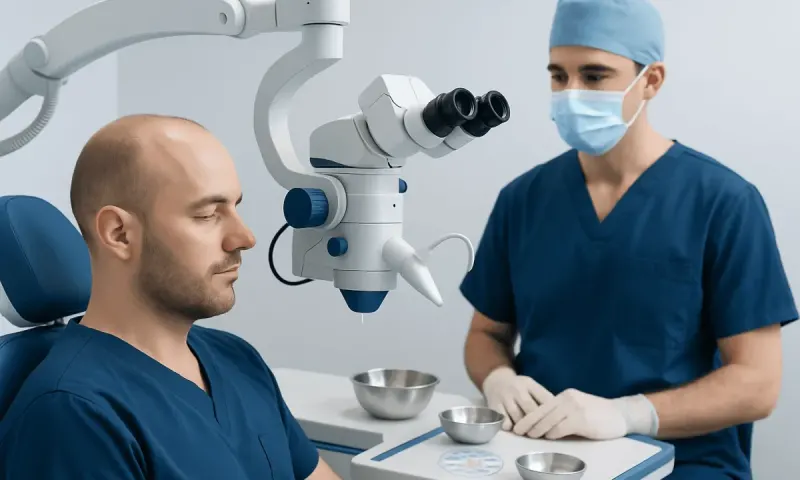
Pattern hair loss may be treated with evidence-based medical therapies that aim to slow follicle miniaturization and support thicker regrowth. Depending on the person and the clinical assessment, options may include topical or oral medicines prescribed by a doctor and procedures such as hair transplantation in carefully selected cases. People with autoimmune or inflammatory causes may need anti-inflammatory treatment, while scalp infection requires targeted therapy.
If thinning relates to endocrine or internal health conditions, treatment of the underlying problem is essential. For example, thyroid treatment is not a routine hair-loss therapy, but management of thyroid disease can be important when hormonal imbalance is contributing to shedding. In some patients, doctors may also discuss supportive approaches such as mesotherapy or other adjunctive scalp treatments, though suitability varies and these should complement, not replace, a clear medical diagnosis.
People considering procedures should be evaluated carefully because not every type of alopecia is appropriate for transplant or cosmetic intervention. Active inflammatory or unstable hair loss may need to be controlled first. A personalized plan usually gives the best outcome because hair thinning rarely has a single identical solution for everyone.
Everyday care, prevention, and realistic expectations
Not every form of hair thinning alopecia can be prevented, especially inherited pattern hair loss. However, everyday habits can reduce avoidable strain on the hair and scalp. Gentle cleansing, avoiding very tight hairstyles, limiting harsh chemical treatments, and reducing high-heat styling may help preserve hair shaft strength and lower breakage. A balanced diet with adequate protein and overall nutrient intake supports normal hair growth.
Be careful with supplements and internet advice. Hair loss myths are everywhere, and products sold as universal cures may not touch the real cause. More is not always better — unnecessary supplements can sometimes do harm. If you suspect a deficiency, get tested and let a doctor guide you rather than self-treating.
Hair grows slowly, so be patient with yourself. Even when treatment is the right one and it’s working, visible change takes time. A tip we often give patients: take photos in similar lighting every few months instead of judging day to day. It’s a much more honest picture of whether shedding is settling and density is coming back.
For people who feel emotionally affected by hair thinning, supportive cosmetic measures can also help during treatment. These may include haircut changes, volumizing products, camouflage fibers, or counseling when body image concerns are significant. Hair loss is medically important, but it also affects confidence, so supportive care is a valid part of overall management.
When to seek medical care
See a doctor if the thinning is persistent, getting worse, or hard to explain. The same goes for sudden heavy shedding, round bald patches, loss of eyebrows or eyelashes, or thinning that follows a major illness or comes with fatigue, weight change, menstrual changes, or other new symptoms. These patterns can point to an underlying condition that deserves attention.
Prompt assessment is especially important if there is scalp pain, itching, redness, scale, sores, pus, or a shiny scar-like appearance. These features can suggest inflammation, infection, or scarring alopecia, where earlier treatment may improve the chance of preserving follicles. Children, pregnant people, and anyone with known autoimmune or endocrine disease should also seek tailored medical advice rather than relying on general online guidance.
If specialist input is needed, dermatology, endocrinology, and hair-restoration teams may work together to refine the diagnosis and treatment plan. Near the end of the care pathway, patients may also explore procedural options such as platelet-rich plasma therapy when a clinician believes they may be suitable. Acıbadem Health Point’s multidisciplinary specialists and JCI-accredited hospitals evaluate and treat hair loss conditions for international patients using individualized medical assessment.
Frequently asked questions
01Is hair thinning alopecia the same as baldness?
Not exactly. Hair thinning alopecia is a broad description for reduced hair density, while baldness usually refers to more advanced or clearly visible hair loss. Some forms cause mild thinning only, while others can progress if not addressed.
02Can hair thinning alopecia grow back?
It depends on the cause. Temporary shedding such as telogen effluvium often improves once the trigger is corrected, but inherited pattern hair loss usually needs ongoing management to maintain results. Scarring forms are different because damaged follicles may not regrow hair.
03Does stress alone cause hair thinning alopecia?
Stress can contribute, especially to telogen effluvium, where increased shedding begins after a physical or emotional stressor. However, stress is not the only explanation and should not automatically be blamed. A medical review can help identify whether hormones, nutrition, genetics, illness, or scalp disease are also involved.
04Which doctor should evaluate hair thinning?
A primary care doctor can begin the evaluation, especially if there may be a general health issue behind the hair loss. A dermatologist is often the most relevant specialist for persistent, patchy, inflammatory, or uncertain cases. Endocrinology input may be useful when hormone or thyroid problems are suspected.
05Are blood tests always needed for hair thinning alopecia?
No. Blood tests are selected based on the person’s history, symptoms, and examination findings. They are most helpful when there may be thyroid disease, iron deficiency, nutritional problems, hormonal imbalance, or another medical condition affecting the hair cycle.
06Do shampoos or oils cure hair thinning alopecia?
Most shampoos and oils do not cure the underlying medical cause of hair thinning alopecia. Some products may improve scalp comfort or make hair look fuller, but they usually do not replace proper diagnosis and evidence-based treatment. It is best to treat products as supportive care unless a doctor recommends a medicated option.
This article is for general information only and is not a substitute for professional medical advice. Please consult a qualified doctor about your individual situation.
Hair transplant in Turkey — costs, graft counts & a free assessment
JCI-accredited · board-certified surgeons · reply within 24h
Add us as a Preferred Source to see more of our trusted health content across Google Search, AI Overviews and Discover.