What Does Tunnel Vision Look Like?

Key Takeaways
- Tunnel vision usually means loss of peripheral vision, not blurred central vision.
- It may feel like looking through a tube, a keyhole, or a narrowing spotlight.
- Common causes include glaucoma, retinal disease, optic nerve problems, migraines, and some neurological conditions.
- Sudden tunnel vision needs prompt medical attention, especially if it comes with eye pain, flashing lights, weakness, or speech changes.
- Diagnosis often includes a detailed eye exam and visual field testing.
- Treatment depends on the cause and may help preserve remaining vision or prevent further loss.
Tunnel vision looks like seeing through a narrowing circle, where side vision fades and only the center remains clear. It can happen suddenly or gradually and deserves medical evaluation because it may signal an eye or neurological condition.
Overview
When people ask what does tunnel vision look like, the simplest answer is this: it feels as if the world has been narrowed down to a small central opening. A person may still see what is directly ahead, but objects to the side gradually disappear, as though they are being cut off by a dark or blurred ring.
Tunnel vision is not a diagnosis on its own. It is a symptom that points to a problem affecting the eyes, the optic nerve, or the brain’s visual pathways. Some people notice it in one eye first; others experience it in both eyes at once. The pattern and speed of change can offer important clues, which is why it should be taken seriously and discussed with an eye specialist.
For an international patient trying to decide whether to travel for care, it helps to know that tunnel vision is often evaluated with targeted testing rather than guesswork. A careful eye examination can separate a temporary issue from a condition that needs long-term treatment and follow-up.
Symptoms and What It Feels Like
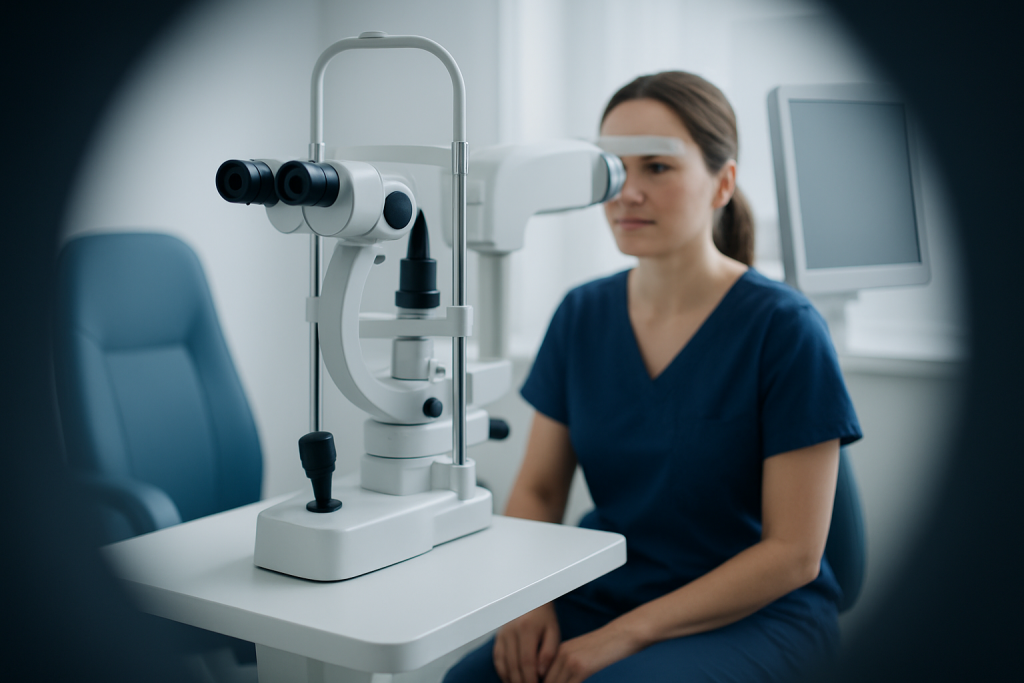
Tunnel vision is usually described as a loss of side vision. People may not realize how much peripheral vision they have lost until they bump into doorframes, miss objects beside them, or feel unsafe driving. Reading may still be possible, but navigating a room, crossing a street, or noticing someone approaching from the side can become difficult.
Common descriptions include:
- Seeing as if through a tunnel, tube, or keyhole
- Having clear central vision but dim or missing edges
- Needing to turn the head more often to “check” the sides
- Difficulty spotting movement outside the main line of sight
- Feeling disoriented in crowded or low-light settings
Some people also notice related symptoms such as blurred vision, flashes of light, eye pain, headache, double vision, or a sudden shadow in part of the visual field. Those extra details matter because they can point toward the underlying cause and how urgently it should be assessed.
It is also worth distinguishing tunnel vision from general blur. A person may have excellent central sharpness and still have a major visual field loss. That is why a simple “How clearly can I read?” question does not fully describe the problem.
Causes and Risk Factors

Tunnel vision can develop from several different conditions. One of the most common eye-related causes is glaucoma, especially when damage to the optic nerve gradually reduces peripheral vision. Other eye conditions, such as retinitis pigmentosa, retinal detachment, advanced cataracts, or severe inflammation, can also narrow the visual field.
Problems in the optic nerve or brain may lead to the same symptom. These include optic neuritis, stroke, brain tumors, head injury, and certain neurological disorders. In some cases, a migraine aura can temporarily cause visual narrowing or distortion, although this is usually short-lived and reversible.
Risk factors depend on the cause, but they may include:
- Family history of glaucoma or inherited retinal disease
- Older age, particularly for some eye conditions
- High eye pressure or previous eye injury
- Diabetes, high blood pressure, or vascular disease
- Autoimmune conditions or infections affecting the eye or nervous system
- Use of medicines that may affect vision, in selected situations
Because the same symptom can come from the eye or the brain, the location of the problem cannot be assumed from appearance alone. That is one reason a thorough assessment is more valuable than self-diagnosis.
How Doctors Diagnose It
Diagnosis begins with a conversation about when the visual change started, whether it came on suddenly or slowly, and whether it affects one eye or both. A doctor will also ask about pain, flashing lights, headaches, neurologic symptoms, injuries, medications, and family history. These details help separate an eye emergency from a slowly developing condition.
An eye specialist may then perform a dilated eye exam, check eye pressure, and assess the optic nerve and retina. The most important test for confirming tunnel vision is often a visual field test, which maps what the person can and cannot see around the center of vision. Additional tests may include optical coherence tomography (OCT), retinal imaging, blood tests, or brain imaging if the pattern suggests a neurological cause.
For patients traveling from another country, bringing previous eye records, prescription glasses, medication lists, and imaging reports can speed up the evaluation. If the symptom is new or worsening, it is better not to wait for a routine trip; a prompt local assessment may be the safer first step.
Treatment Options
Treatment depends entirely on the cause. In glaucoma, the aim is usually to lower eye pressure and slow further nerve damage. In retinal disease, care may focus on protecting remaining vision, addressing complications, and supporting daily function. If the cause is inflammation, infection, or optic nerve swelling, treatment may involve medication directed at the underlying condition.
When tunnel vision is related to a neurologic problem such as stroke or a brain lesion, treatment is guided by the specific diagnosis and may involve emergency care, medication, surgery, or rehabilitation. For migraine-related visual symptoms, the focus is often on identifying triggers and managing the migraine pattern itself.
Even when vision cannot be fully restored, treatment still matters. Early care may preserve remaining sight, reduce the risk of progression, and improve safety in daily life. Vision rehabilitation, low-vision aids, and home adaptations can also help people remain independent and confident.
In some complex cases, a multidisciplinary team is useful because eye disease, nerve disease, and general health issues overlap. That coordinated approach can be especially helpful for international patients who need clear planning before travel and structured follow-up afterward.
Prevention and Self-care
Not every cause of tunnel vision can be prevented, but some practical steps may reduce risk or help detect trouble earlier. Regular eye examinations are particularly important for people with glaucoma risk, diabetes, high blood pressure, or a family history of eye disease. Protecting the eyes from injury and wearing appropriate protective eyewear during work or sport are also sensible habits.
Self-care is mainly about safety and adaptation while care is being arranged. If side vision is reduced, it is wise to move carefully in unfamiliar environments, improve home lighting, remove tripping hazards, and use handrails when possible. Driving should be discussed with a doctor, because tunnel vision can make driving unsafe even if central vision seems acceptable.
People should avoid delaying evaluation because the symptom feels manageable. The brain can compensate for peripheral loss for a while, which sometimes masks the extent of the problem. A formal test is far more reliable than relying on everyday habits alone.
When to See a Doctor
Any new or worsening tunnel vision should be evaluated by an eye doctor promptly. If it develops suddenly, or if it is accompanied by eye pain, severe headache, flashes of light, a curtain-like shadow, weakness, confusion, trouble speaking, or facial droop, urgent medical care is appropriate.
It is also important to seek evaluation if the symptom gradually becomes more noticeable, even if there is no pain. Slowly worsening peripheral vision loss can be the first sign of a condition such as glaucoma, and early treatment is usually more effective than waiting until daily activities become difficult.
For patients planning care from abroad, the decision to travel should be based on the urgency of the symptom and the likely need for specialist testing. Acibadem Health Point’s multidisciplinary specialists and JCI-accredited hospitals diagnose and treat eye conditions for international patients in a coordinated setting, which can be helpful when several tests or opinions are needed.
Living With Peripheral Vision Loss
Adjusting to tunnel vision can take time. People often benefit from learning to scan deliberately, pause before stepping into new spaces, and organize their surroundings so commonly used items are easy to find. Some also work with low-vision rehabilitation specialists who teach practical strategies for daily movement, reading, and home safety.
Emotional adjustment matters too. Losing side vision can affect confidence, independence, and routines that once felt automatic. Support from family, friends, and healthcare professionals can make the transition easier, especially when the condition is stable but long-term.
Follow-up is important because visual field loss can change over time. Regular monitoring helps doctors see whether treatment is protecting vision and whether the care plan needs to be updated.
How Tunnel Vision Differs From Other Vision Problems
People sometimes use the term tunnel vision to describe any visual problem, but medical tunnel vision is specifically about loss of peripheral vision. Blurred vision means images are less sharp; double vision means seeing two images; and floaters are small drifting spots. These problems can occur alongside tunnel vision, but they are not the same thing.
This distinction matters because the underlying causes are different. For example, a person with cataracts may notice cloudiness or glare, while someone with glaucoma may keep decent central clarity until side vision is affected. A precise description of the symptom helps the doctor choose the right test and avoid overlooking a more serious cause.
If the person is unsure how to explain the change, it helps to describe what is missed rather than only how things look. Saying “I do not notice objects off to the side” is often more useful than simply saying “my vision is bad.”
Frequently asked questions
01What does tunnel vision look like to the person experiencing it?
It usually looks like the world has shrunk into a narrow center view, similar to looking through a tube or keyhole. Side objects may seem dim, missing, or surprisingly easy to overlook. Central vision can still appear fairly clear, which is why the problem may be missed at first.
02Can tunnel vision happen suddenly?
Yes. Sudden tunnel vision can happen with serious conditions such as retinal detachment, stroke, optic nerve problems, or severe eye pressure changes. Because the cause may need urgent treatment, sudden visual narrowing should be assessed promptly.
03Is tunnel vision always caused by eye disease?
No. It can come from eye conditions, optic nerve damage, or problems in the brain’s visual pathways. That is why doctors often use both eye testing and, when needed, neurologic evaluation.
04Can tunnel vision be reversed?
Sometimes, but not always. Reversibility depends on the cause and how quickly treatment begins. Even when full recovery is not possible, treatment may help preserve remaining vision and reduce further loss.
05How is tunnel vision tested?
The main test is usually a visual field exam, which measures side vision in a structured way. Doctors may also examine the retina and optic nerve, check eye pressure, and order imaging or blood tests if another cause is suspected.
06Should someone with tunnel vision avoid driving?
Driving safety should be discussed with a doctor, because reduced side vision can make it harder to detect pedestrians, vehicles, or road hazards. In many cases, tunnel vision can make driving unsafe even if reading or screen use still seems possible.
This article is for general information only and is not a substitute for professional medical advice. Please consult a qualified doctor about your individual situation.
Explore treatments in Turkey — costs, top hospitals & a free quote
JCI-accredited · board-certified surgeons · reply within 24h
Add us as a Preferred Source to see more of our trusted health content across Google Search, AI Overviews and Discover.