What Does a Torn ACL Look Like on the Outside?
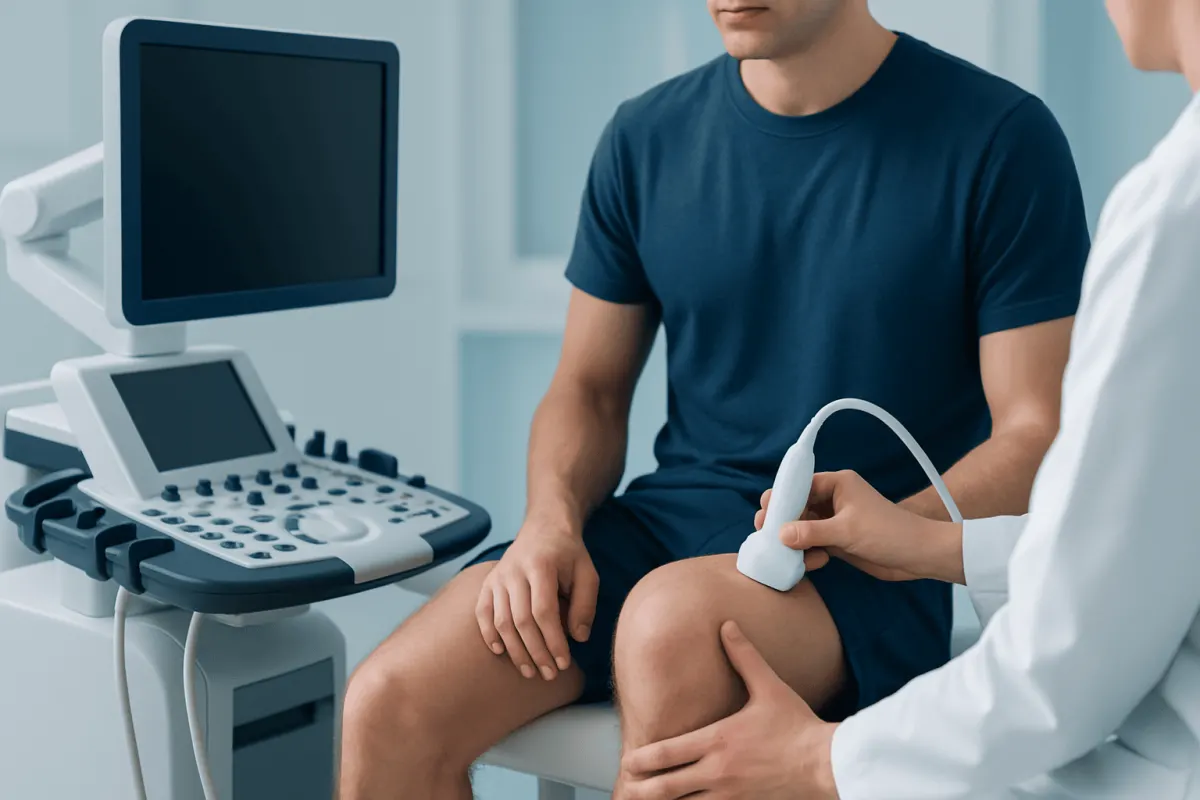
A torn ACL may make the knee look swollen, puffy or bruised, especially during the first hours or days after an injury. However, an ACL tear cannot be diagnosed by appearance alone because some tears cause little visible change and other knee injuries can look similar.
How a torn ACL may look from the outside
A torn anterior cruciate ligament (ACL) may make the knee look noticeably swollen, rounded or puffy compared with the uninjured knee. The swelling may appear within a few hours of the injury because bleeding and fluid can collect inside the joint. The skin may feel tight, and the usual contours around the kneecap can be less visible.
Some people also develop bruising around the knee, upper shin or lower thigh over the following days. They may walk with a limp, keep the knee slightly bent, or avoid placing full weight through the leg. These changes can suggest a significant knee injury, but they do not prove that the ACL is torn.
An ACL is located deep inside the knee joint, so it cannot be seen or felt directly from the outside. A person can have a complete ACL tear with relatively little swelling or bruising, particularly after the first stage of recovery. Conversely, a very swollen knee may result from another injury, such as a meniscus tear, kneecap dislocation or fracture.
What does a fully torn ACL look like?
A fully torn ACL, also called a complete ACL rupture, does not have one unique outward appearance. In the first day or two, the knee may be visibly larger than the other side because of rapid swelling inside the joint. There may be bruising, tenderness and a cautious limp, but the outside appearance can vary considerably.
What often stands out more than the visible appearance is how the knee feels and functions. Many people describe a pop at the time of injury, followed by pain, swelling and a feeling that the knee has shifted or given way. Once the initial pain settles, the knee may feel unstable when turning, pivoting, landing or walking on uneven ground.
A clinician assesses a suspected complete tear through the injury history, a physical examination and specific stability tests. MRI may be used to view the ACL and look for associated injuries to the meniscus, cartilage or other ligaments. This assessment is more reliable than judging the injury by swelling or bruising alone.
Symptoms that can accompany an ACL tear

ACL tears often happen during sports or activities that involve sudden stops, changes of direction, twisting, landing from a jump or direct impact to the knee. Not everyone experiences the same symptoms, and pain may be mild in some people despite a significant injury.
- A popping or snapping sensation at the moment of injury
- Rapid swelling, often within several hours
- Pain and tenderness around or deep inside the knee
- Difficulty continuing activity or bearing weight
- Reduced ability to fully bend or straighten the knee
- A feeling that the knee is loose, unstable or likely to give way
Swelling can improve over days to weeks, which may lead a person to believe the knee has healed. However, ongoing instability can increase the chance of further injury, including damage to the meniscus or joint cartilage. An evaluation is useful if the knee repeatedly buckles, catches, locks or does not regain normal movement.
What could be mistaken for an ACL tear?
Several knee conditions can cause swelling, pain and difficulty walking after an injury. A meniscus tear may cause joint-line pain, catching, locking or swelling that develops gradually. A medial collateral ligament (MCL) injury often produces pain on the inner side of the knee, while a lateral collateral ligament injury tends to hurt on the outer side.
A kneecap dislocation can cause a sudden pop, swelling and a feeling that the knee has moved out of place. A patellar tendon or quadriceps tendon injury can make it difficult to straighten the knee or lift the leg. Bone bruises, fractures and cartilage injuries may also follow a twist, fall or collision and can be painful even if the knee looks only mildly swollen.
Muscle strains around the thigh or calf may also be confused with knee ligament injury, especially when pain occurs after sport. Because symptoms overlap, a qualified clinician should assess a new knee injury rather than relying on visible changes or self-testing. Imaging is selected based on the examination and suspected injury.
Can a fully torn ACL heal itself?
A fully torn ACL usually does not heal back together in a dependable way. The ligament has a limited blood supply, and the ends of a complete tear may not reconnect in the correct position. Some people can nevertheless regain good day-to-day function through rehabilitation, muscle strengthening and activity changes.
Whether surgery is needed depends on the individual rather than the MRI result alone. Important considerations include knee instability, age, activity goals, work demands, participation in pivoting sports, associated meniscus or cartilage injuries, and response to structured physiotherapy. Some people manage successfully without reconstruction, while others benefit from surgery to restore stability for their goals.
Rehabilitation is central to both nonsurgical and surgical care. A personalized program commonly focuses on restoring knee movement, reducing swelling, strengthening the thigh and hip muscles, and improving balance and movement control. For people who need it, ACL reconstruction may be considered after an orthopedic assessment.
Is a torn ACL the worst injury?
A torn ACL is a significant knee injury, particularly for people who need to run, pivot, jump or perform physically demanding work. However, it is not automatically the “worst” knee injury, and the seriousness depends on the full pattern of damage, symptoms and functional impact. Many people recover well with appropriate treatment and rehabilitation.
Some injuries may require more urgent treatment, including fractures, dislocations, injuries that affect blood flow or nerve function, and tendon ruptures that prevent active knee extension. Combined injuries involving several ligaments, the meniscus, cartilage or bone can also be more complex than an isolated ACL tear.
An ACL injury should be taken seriously because repeated episodes of giving way may place additional stress on other knee structures. Early professional advice can help identify associated problems and support a treatment plan suited to the person’s health, activities and recovery goals.
How clinicians diagnose and treat a suspected ACL injury
A clinician begins by asking how the injury happened, when swelling started and whether the knee popped, buckled or became difficult to use. They examine both knees, check tenderness and range of movement, and perform gentle tests that assess whether the shin bone moves excessively in relation to the thigh bone.
X-rays may be used after acute trauma to exclude a fracture or identify an avulsion injury, where a small piece of bone is pulled away. MRI is particularly useful when an ACL tear or associated meniscus, cartilage or ligament injury is suspected. It can help guide decisions, although treatment is based on symptoms and functional needs as well as scan findings.
Initial care commonly includes protecting the knee, avoiding activities that provoke instability, using ice wrapped in cloth for short periods, elevating the leg and following clinician advice about pain relief. Crutches or a brace may be recommended for some people. Treatment may include physical therapy and rehabilitation, with surgery considered when instability persists or the person’s activities require a stable pivoting knee.
When to seek medical care
Medical assessment is advisable after a knee twist, hard landing, collision or fall that causes a pop, rapid swelling, inability to continue activity or a feeling that the knee is unstable. A clinician can determine whether the injury may involve the ACL, another ligament, the meniscus, the kneecap or bone.
Urgent medical care is important if the knee looks deformed, the person cannot bear weight after significant trauma, pain or swelling is severe, the foot becomes numb or cold, or there is an open wound. These signs may indicate an injury that needs prompt evaluation.
Even when swelling improves, an appointment is worthwhile if the knee repeatedly gives way, locks, remains painful or does not return to normal movement. Acıbadem Health Point’s multidisciplinary specialists and JCI-accredited hospitals assess and treat knee injuries for international patients, with care planned around the individual’s diagnosis and rehabilitation needs.
Frequently asked questions
01Can you tell if your ACL is torn by looking at your knee?
No. Swelling, bruising and a changed knee shape can occur after an ACL tear, but they are not specific to this injury. A clinical examination and, when appropriate, imaging are needed to confirm the diagnosis.
02Does an ACL tear always cause bruising?
No. Some people develop bruising around the knee or lower leg, while others have little or no visible bruising. Rapid swelling and instability may be more noticeable than bruising.
03Can you walk with a torn ACL?
Many people can walk with a torn ACL after the initial pain and swelling improve. However, the knee may feel unstable during turns, sudden stops, stairs or uneven-ground walking. Being able to walk does not rule out a significant ACL injury.
04How quickly does swelling happen after an ACL tear?
Swelling often develops within a few hours after an ACL tear because fluid or blood can build up inside the knee joint. The timing varies, and other injuries can also cause rapid swelling.
05Can an ACL tear be mistaken for a sprain?
Yes. The word sprain simply means a ligament injury and can describe a mild stretch, partial tear or complete tear. What may seem like a minor sprain can still require assessment if there is swelling, instability or difficulty bearing weight.
06Should a swollen knee after a twisting injury be checked?
Yes, especially if swelling occurred quickly, there was a popping sensation, the knee gives way or normal movement is limited. Timely assessment helps identify ligament, meniscus, kneecap or bone injuries and supports appropriate treatment.
This article is for general information only and is not a substitute for professional medical advice. Please consult a qualified doctor about your individual situation.
Joint and spine care in Turkey — expert assessment & treatment
JCI-accredited · board-certified surgeons · reply within 24h
Add us as a Preferred Source to see more of our trusted health content across Google Search, AI Overviews and Discover.