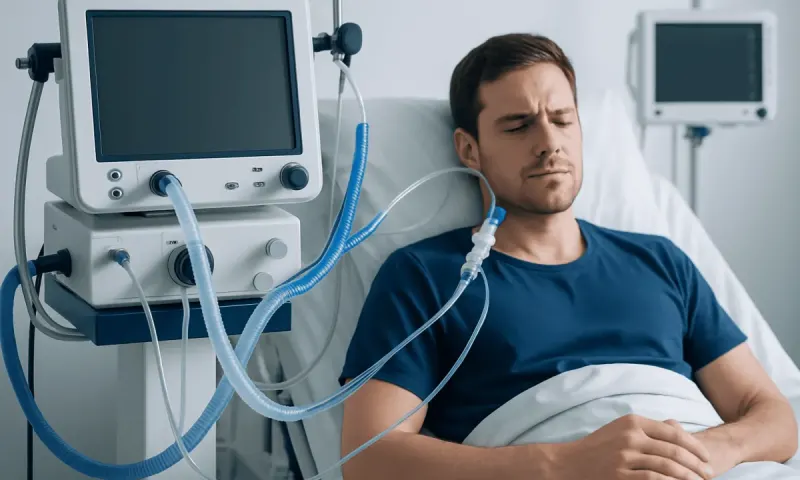
Acute Trauma: Recognizing Injuries That Need Urgent Care

Acute trauma is a sudden physical injury caused by an event such as a fall, road traffic collision, sports incident, burn, or violent impact. Prompt assessment is important because some serious injuries, including internal bleeding or head injury, may not be obvious immediately.
What Is Acute Trauma?
Acute trauma is a sudden injury to the body caused by an external event. It may follow a road traffic collision, fall, workplace incident, sports injury, burn, assault, or another forceful impact. Trauma can range from a minor cut or bruise to injuries that require emergency treatment.
The term describes the mechanism and timing of an injury rather than one single diagnosis. A person may have trauma affecting the skin, muscles, bones, joints, head, spine, chest, abdomen, or blood vessels. The severity depends on the force involved, the body area affected, the person’s age and health, and how quickly appropriate care is received.
Some injuries are immediately apparent, such as an open wound or visibly deformed limb. Others can be less obvious at first. For this reason, people who have experienced a significant impact should be assessed promptly, even if they initially feel relatively well.
How Acute Trauma Can Affect the Body
Traumatic injuries are often described by the body system involved. Soft-tissue injuries include bruises, sprains, strains, cuts, and crush injuries. Bone and joint trauma may cause fractures, dislocations, or ligament damage. These injuries can lead to pain, swelling, reduced movement, numbness, or an abnormal appearance of the affected area.
Head trauma can range from a scalp injury to a concussion or more serious brain injury. Chest trauma may affect the ribs, lungs, heart, or major blood vessels, while abdominal trauma can involve organs such as the liver, spleen, kidneys, or bowel. Spinal trauma may injure the vertebrae or spinal cord and requires urgent attention when there is weakness, numbness, or loss of bladder or bowel control.
Trauma clinicians also consider whether an injury is blunt or penetrating. Blunt trauma results from impact without an object entering the body, such as in a fall or collision. Penetrating trauma occurs when an object breaks the skin and enters tissues. Both can be serious, and the visible wound does not always show the full extent of injury.
Symptoms and Warning Signs After an Injury

Symptoms after acute trauma vary widely. Pain, swelling, bruising, bleeding, stiffness, and difficulty using an arm or leg are common. A person may also feel dizzy, confused, nauseated, unusually sleepy, short of breath, or weak. These symptoms should be considered in the context of what happened and whether they are worsening.
Warning signs of a possible head injury include loss of consciousness, repeated vomiting, severe or increasing headache, confusion, seizures, unequal pupils, unusual behavior, slurred speech, or fluid or blood from the nose or ears. Symptoms can develop later, so observation and clear discharge instructions are important after any potentially significant head impact.
Signs that may suggest internal injury include increasing abdominal pain or swelling, chest pain, breathing difficulty, fainting, pale or clammy skin, persistent dizziness, or a fast heartbeat. These symptoms may be caused by bleeding or organ injury and should not be managed at home.
- Severe or uncontrolled bleeding
- New weakness, numbness, or inability to move a limb
- A limb that looks deformed, cold, pale, or blue
- Severe neck or back pain after an impact
- Increasing pain, swelling, or reduced alertness
What Happens During Trauma Assessment?
In emergency care, the initial assessment focuses on immediate threats to life. Clinicians check the airway, breathing, circulation, level of consciousness, and exposure to injury. They may control bleeding, provide oxygen, stabilize the neck or spine when needed, start intravenous fluids or blood products, and give pain relief while further evaluation continues.
A detailed history helps guide care. The medical team may ask how the injury happened, when it occurred, whether there was loss of consciousness, what symptoms are present, and whether the person takes medicines that increase bleeding risk. Existing conditions, allergies, pregnancy, and prior surgery can also influence decisions.
Imaging tests are selected according to symptoms and the injury mechanism. X-rays are commonly used for suspected fractures. Ultrasound may help identify internal bleeding in some emergency settings. CT scans can provide rapid, detailed images of the head, chest, abdomen, pelvis, and spine, while MRI may be useful for selected brain, spinal, ligament, or soft-tissue injuries.
Repeated examinations are sometimes necessary because signs of certain injuries can appear over time. Monitoring may include blood pressure, pulse, oxygen level, urine output, neurological checks, and blood tests. This careful approach helps clinicians identify changes early and plan the right treatment.
Treatment and Recovery After Acute Trauma
Treatment depends on the injury type and severity. Minor injuries may be managed with cleaning and closing wounds, protecting the injured area, pain relief, and follow-up. Fractures may need a splint, cast, brace, realignment, or surgical fixation. Dislocations generally require timely reduction by trained clinicians to restore alignment and protect circulation and nerves.
Serious trauma may require surgery to control bleeding, repair damaged tissues, treat fractures, or address injuries to the chest, abdomen, brain, or blood vessels. A person may be admitted for observation or intensive care when close monitoring is necessary. Care plans are individualized and may involve emergency physicians, surgeons, orthopedic specialists, neurosurgeons, anesthesiologists, radiologists, and rehabilitation professionals.
Recovery can continue after wounds or fractures have begun to heal. Physical therapy may improve strength, balance, mobility, and confidence in daily activities. Occupational therapy can help a person safely return to work, home tasks, or self-care. Rehabilitation is especially important after complex fractures, spinal injuries, traumatic brain injury, or prolonged hospitalization.
Emotional responses are also common after an unexpected injury. Sleep changes, fear, low mood, irritability, and distressing memories may occur. Speaking with a doctor or mental health professional can be helpful, particularly when symptoms persist or interfere with everyday life.
Practical Steps Before Help Arrives
At the scene of an injury, personal safety comes first. Moving traffic, fire, unstable structures, electrical hazards, or violence can put both the injured person and bystanders at risk. Emergency services should be contacted when a serious injury is suspected, and bystanders should follow dispatcher instructions if available.
For external bleeding, firm, direct pressure with a clean cloth or dressing can help while waiting for help. If blood soaks through, additional material can be placed on top without repeatedly removing the first layer. A deeply embedded object should not be removed, because it may be limiting bleeding.
A person with possible neck or spinal injury should not be moved unless there is immediate danger. They should be kept as still and comfortable as possible. Food, drink, alcohol, and non-prescribed medicines should generally be avoided until a clinician has assessed the injury, as surgery or testing may be needed.
It is helpful to note the time of injury, changes in symptoms, medicines taken, and any loss of consciousness. If possible, a companion can bring identification and a medication list to the hospital. These details support safe, efficient emergency care.
When to Seek Medical Care
Emergency medical care is needed after a major collision, a significant fall, a penetrating injury, or any event followed by trouble breathing, severe bleeding, chest or abdominal pain, loss of consciousness, seizures, confusion, or signs of shock. Emergency evaluation is also important for suspected spinal injury, new weakness or numbness, or an injured limb with poor circulation.
Urgent medical assessment is appropriate when pain is severe or worsening, a joint or limb appears deformed, a wound may need closure, or a person cannot bear weight or use the injured body part normally. People taking anticoagulant medicines, older adults, young children, and those with bleeding disorders may need a lower threshold for assessment after head injury or significant impact.
Even after a seemingly minor event, medical advice should be sought if new symptoms develop over the following hours or days. These may include worsening headache, vomiting, increasing drowsiness, fever, spreading redness around a wound, new breathing symptoms, or persistent dizziness. Follow-up appointments should be kept so healing, movement, wound care, and return to activity can be reviewed.
Acıbadem Health Point’s multidisciplinary specialists and JCI-accredited hospitals assess and treat acute trauma for international patients, with care coordinated according to the individual injury and recovery needs.
Frequently asked questions
01Is acute trauma always an emergency?
Not every acute injury is life-threatening, but it can be difficult to judge severity without an assessment. Emergency care is needed when there is severe bleeding, loss of consciousness, breathing difficulty, serious pain, suspected spinal injury, or signs of internal injury. A clinician can determine whether imaging, observation, or specialist treatment is needed.
02Can serious trauma symptoms appear later?
Yes. Some effects of head injury, internal bleeding, infection, and swelling may not be obvious immediately after the event. New or worsening symptoms, including confusion, repeated vomiting, increasing pain, fainting, weakness, or shortness of breath, should prompt urgent medical attention.
03Should a person be moved after a fall or collision?
A person should generally not be moved if there may be a neck or spinal injury, unless the environment is unsafe. Keeping them still and contacting emergency services is usually the safest approach. Trained responders can provide appropriate stabilization and transport.
04What tests might be needed after acute trauma?
The tests depend on the injury and symptoms. Clinicians may use X-rays for bones, ultrasound for selected internal injuries, CT for rapid detailed imaging, and MRI for some brain, spinal, joint, or soft-tissue problems. Blood tests and repeated physical examinations may also be needed.
05How long does recovery from trauma take?
Recovery varies according to the location and severity of injury, treatment received, general health, and rehabilitation needs. Minor injuries may improve over days to weeks, while complex injuries can require months of treatment and rehabilitation. Follow-up care helps the medical team monitor healing and adjust the recovery plan.
06What should be done after discharge from trauma care?
Patients should follow wound-care, activity, medicine, and rehabilitation instructions provided by their clinical team. They should attend follow-up visits and seek medical advice promptly if symptoms worsen or new warning signs occur. Asking when it is safe to return to driving, sport, work, or exercise can help prevent reinjury.
This article is for general information only and is not a substitute for professional medical advice. Please consult a qualified doctor about your individual situation.
Hair transplant in Turkey — costs, graft counts & a free assessment
JCI-accredited · board-certified surgeons · reply within 24h
Add us as a Preferred Source to see more of our trusted health content across Google Search, AI Overviews and Discover.