Clavicle Surgery Before and After: Recovery Changes
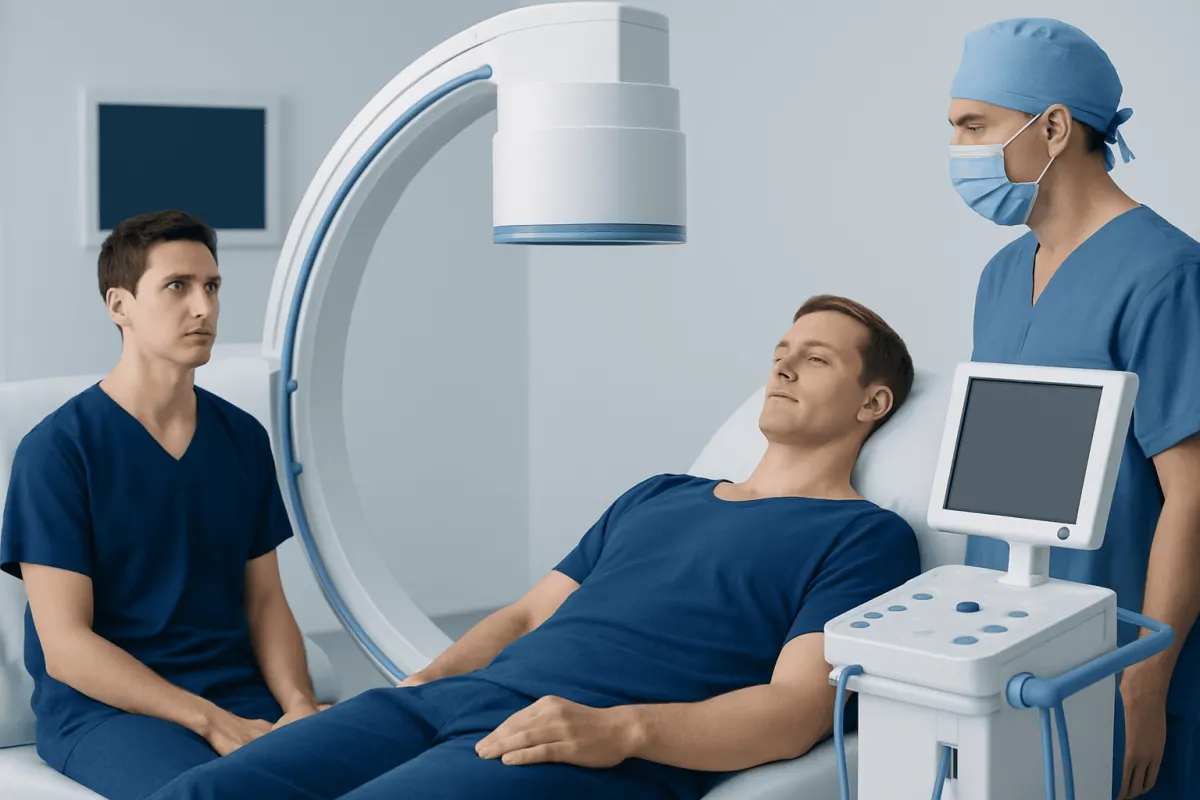
Clavicular before and after surgery changes depend on why surgery is needed, whether for a fracture, joint arthritis, instability, or another shoulder condition. Most people can expect a period of protection and rehabilitation before gradual improvements in comfort, movement, strength, and daily function.
Clavicular Before and After Surgery: What Usually Changes
Clavicular before and after surgery experiences vary because “clavicular” may refer to procedures involving the collarbone (clavicle), the acromioclavicular (AC) joint at the top of the shoulder, or the sternoclavicular joint near the breastbone. Before surgery, a person may have persistent pain, deformity after injury, reduced shoulder movement, weakness, or difficulty sleeping and performing work, sport, or self-care activities.
After surgery, the immediate appearance often includes a dressing or incision, swelling, bruising, and sometimes a sling. The long-term aim is usually a more stable or comfortable shoulder and a return toward normal movement and strength. Results are not immediate: tissues need time to heal, and rehabilitation is an important part of the outcome.
The exact expectation should be based on the diagnosis and planned operation. A surgeon can explain what the X-rays or other scans show, whether non-surgical care remains reasonable, and which changes are realistic for that individual.
Why Clavicle or Shoulder-Joint Surgery May Be Recommended
Many clavicle fractures heal without an operation. Surgery may be considered when fracture pieces are substantially displaced, the skin is threatened by bone, there is an open fracture, blood vessel or nerve involvement is suspected, or the fracture is unlikely to heal in a good position. It may also be considered for painful delayed union or nonunion, meaning the bone has not healed as expected.
Other procedures focus on the AC joint. Long-standing pain at this joint can result from osteoarthritis, previous separation, repeated overhead activity, or injury. When carefully selected non-surgical treatments such as activity modification, physiotherapy, and pain management have not provided enough relief, distal clavicle excision may be an option. This operation removes a small amount of bone from the outer end of the collarbone to reduce painful joint contact.
Surgery is individualized. Symptoms, physical examination findings, imaging, age, general health, occupation, sport, and personal goals all help guide the decision. Pain on a scan alone does not always mean an operation is needed; the imaging findings should match the person’s symptoms and examination.
How the Procedure Works and Who May Be a Candidate
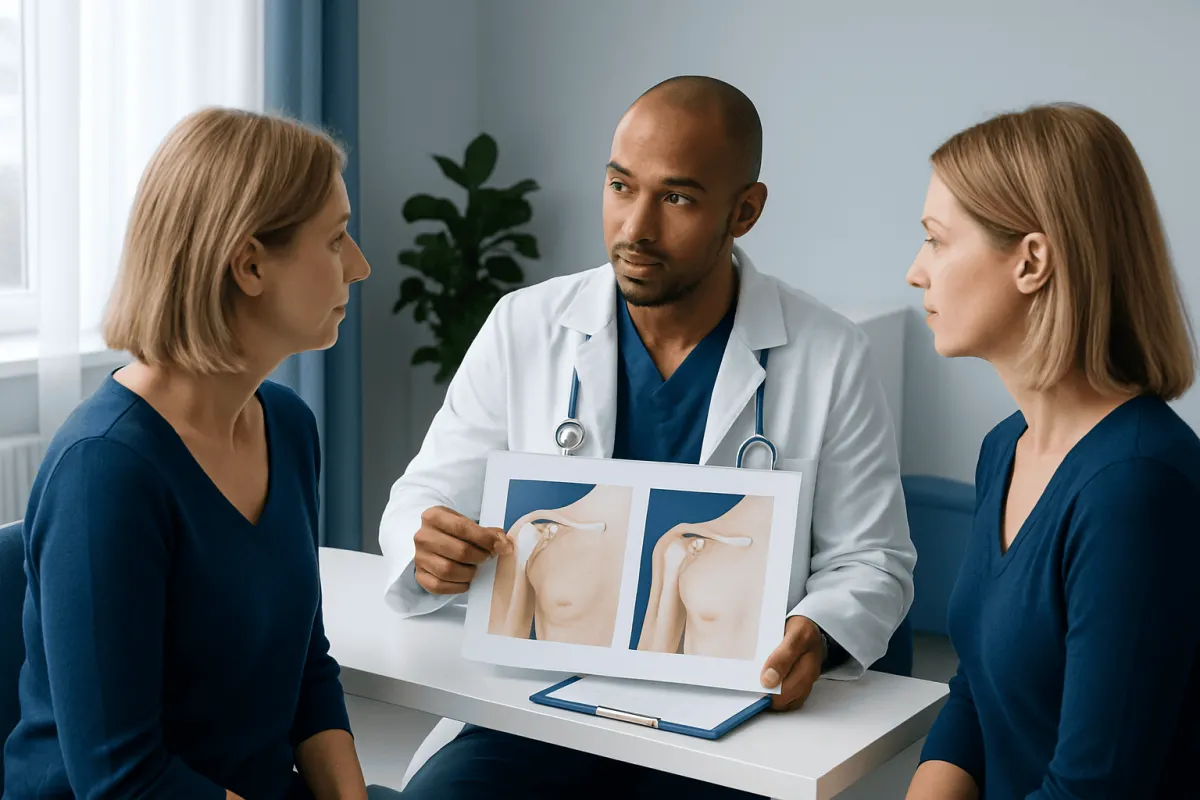
For a displaced clavicle fracture, the surgeon commonly realigns the bone and holds it in place with a plate and screws. In selected cases, a device placed within the bone may be used instead. Fixation is intended to maintain alignment while the fracture heals. The hardware may remain in place permanently unless it causes symptoms or another clinical reason for removal arises.
For distal clavicle excision, the surgeon removes a small segment of the clavicle at the AC joint. The operation may be performed arthroscopically through small incisions using a camera and specialized instruments, or through an open incision. It may be combined with treatment for another shoulder condition when assessment shows that this is needed.
A suitable candidate generally has symptoms that significantly affect daily life and that correspond to a treatable structural problem. The clinician also considers medical conditions, smoking or nicotine use, medications, bone health, infection risk, and the person’s ability to participate in aftercare. These factors may alter timing, technique, or the recommendation for surgery itself.
What Happens During Clavicle Surgery
Before surgery, the care team reviews medical history, medications, allergies, imaging, and anesthesia plans. People are usually asked about medicines that can affect bleeding and are given individualized instructions about eating, drinking, and arranging support for the trip home. Surgery is commonly performed with general anesthesia, sometimes with an additional regional nerve block for early pain control.
During fracture fixation, the surgeon makes an incision over the clavicle, restores the fracture alignment, and secures the pieces with the selected fixation device. During distal clavicle excision, the surgeon assesses the shoulder structures and removes only the amount of bone needed to create space at the painful AC joint. The incision is then closed and covered with a dressing.
Many procedures are completed as day surgery, but this depends on the operation, anesthesia, injury pattern, pain control needs, and a person’s overall health. Before discharge, patients receive guidance on sling use, wound care, prescribed medicines, permitted movements, and follow-up. For procedure-specific planning, an orthopedic team can discuss clavicle surgery in the context of the person’s diagnosis.
Recovery Timeline: The Before-and-After Process
In the first days after surgery, discomfort, swelling, tiredness, and limited shoulder movement are expected. Cold packs used as instructed, elevation when practical, prescribed pain relief, and protecting the incision can help. A sling is often used initially, especially after fracture fixation, but its duration varies. Fingers, wrist, and elbow are commonly encouraged to move unless the surgeon gives different instructions.
During the first few weeks, follow-up visits check the wound and review early healing. Guided range-of-motion exercises may begin at a time chosen by the surgeon and physiotherapist. After a fracture operation, X-rays are often used to monitor bone union. After distal clavicle excision, progress is usually assessed by pain, movement, strength, and the ability to resume activities.
Over subsequent weeks to months, rehabilitation progresses from restoring movement to rebuilding shoulder-blade control and strength. Desk-based tasks may be possible earlier than manual work, heavy lifting, contact sports, or repetitive overhead activity. Return-to-activity timing must be individualized; doing too much too soon can aggravate pain or compromise healing.
Scars usually become less noticeable over time but may remain visible. The shoulder may also feel stiff or weak initially. A steady, clinician-guided rehabilitation plan is generally more helpful than attempting to accelerate recovery through painful exercises or unapproved activity.
Benefits, Risks, and Factors That Affect Results
Potential benefits of clavicle-related surgery include improved alignment or stability, relief of localized pain, better shoulder mechanics, and improved ability to use the arm. For a fracture, stable fixation may support early supervised movement. For appropriately selected AC-joint pain, distal clavicle excision may reduce pain caused by bone-on-bone contact at that joint.
As with all operations, there are risks. These include bleeding, infection, reactions to anesthesia, wound-healing problems, scarring, stiffness, persistent pain, blood clots, and injury to nearby nerves or blood vessels. Fracture fixation also carries a risk of delayed healing, nonunion, hardware irritation or failure, and possible future hardware removal. Distal clavicle excision may not fully relieve symptoms if pain is also coming from another shoulder or neck condition.
Outcomes are influenced by the original injury or disease, surgical technique, rehabilitation, and health factors such as diabetes, poor nutrition, and smoking or nicotine exposure. Avoiding nicotine is particularly important for bone and wound healing. A surgeon and physiotherapist can help set practical milestones rather than comparing recovery with another person’s experience.
When to Seek Medical Care
Urgent medical assessment is important after a collarbone or shoulder injury if there is an obvious deformity, bone visible through the skin, severe swelling, a cold or pale arm, worsening weakness, numbness, tingling, chest pain, or shortness of breath. These symptoms can indicate an injury that requires prompt evaluation.
After surgery, the treating team should be contacted promptly for increasing redness, warmth, drainage, fever, worsening pain that is not responding to the prescribed plan, new arm numbness or weakness, or a wound that opens. Sudden chest pain, breathing difficulty, or signs of a serious allergic reaction require emergency care.
Persistent shoulder pain should also be assessed when it limits sleep, work, or daily activities despite rest and conservative treatment. Acıbadem Health Point’s multidisciplinary specialists and JCI-accredited hospitals evaluate and treat clavicle and shoulder conditions for international patients.
Frequently asked questions
01Does the clavicular have work done?
“Clavicular” is an anatomical adjective, not a person, so it does not have work done. The phrase may refer to surgery performed on the clavicle or nearby shoulder joints, such as fracture fixation, AC joint reconstruction, or distal clavicle excision. The type of operation depends on the underlying diagnosis.
02What's the success rate of clavicle surgery?
There is no single success rate for clavicle surgery because procedures, injury severity, definitions of success, and patient goals differ. Many appropriately selected patients achieve bone healing or meaningful pain and function improvement, but outcomes cannot be guaranteed. A surgeon can discuss the likely result for a specific fracture or shoulder condition and the factors that may affect recovery.
03How many surgeries has the clavicular undergone?
The clavicle itself does not undergo a fixed number of surgeries; a person may have none, one, or occasionally more than one procedure depending on the condition. A second operation may be considered for complications such as nonunion, infection, painful hardware, or persistent symptoms. It is not routine for every patient.
04What to expect after distal clavicle excision?
After distal clavicle excision, patients commonly have temporary pain, swelling, and reduced shoulder movement, followed by gradual rehabilitation. A sling may be used for comfort for a limited period, while guided exercises help restore movement and strength. The timing of return to work, lifting, and sport depends on symptoms, healing, and the surgeon’s advice.
05How long does it take to recover from clavicle surgery?
Early recovery often takes several weeks, but full recovery may take months, particularly after fracture fixation or when strength-intensive work or sport is planned. Bone healing, rehabilitation progress, and the original injury all influence timing. Follow-up imaging and clinical assessment help determine when activity can safely increase.
06Will the plate and screws be removed after clavicle fracture surgery?
Clavicle plates and screws are often left in place if they are comfortable and there is no medical reason to remove them. Some people develop irritation from prominent hardware, especially with straps or certain movements, and may discuss removal after the fracture has fully healed. Hardware removal is a separate operation with its own recovery and risks.
This article is for general information only and is not a substitute for professional medical advice. Please consult a qualified doctor about your individual situation.
Joint and spine care in Turkey — expert assessment & treatment
JCI-accredited · board-certified surgeons · reply within 24h
Add us as a Preferred Source to see more of our trusted health content across Google Search, AI Overviews and Discover.