What Does a Pulled Muscle Feel Like?

A pulled muscle, medically called a muscle strain, commonly feels like a sudden sharp pain or tightening during activity, followed by soreness and discomfort when the muscle is used. Most mild strains improve with simple care and gradual return to activity, but severe pain, weakness, swelling or inability to use the area should be assessed promptly.
Overview: How a Pulled Muscle Usually Feels
What does a pulled muscle feel like? It commonly feels like a sudden sharp sting, cramp, tug or tightening in one specific area while exercising, lifting, reaching or moving quickly. The sensation may be followed by aching, stiffness and tenderness, particularly when the person tries to use, stretch or put weight through the affected muscle.
“Pulled muscle” is the everyday term for a muscle strain. A strain occurs when muscle fibers, or the tendon that attaches a muscle to bone, are overstretched or partly torn. Mild strains are very common and often settle with time, activity modification and a gradual return to normal movement. Symptoms can vary considerably depending on the muscle involved and the extent of the injury.
A strain is different from delayed-onset muscle soreness, which tends to appear hours after unfamiliar or intense activity and is usually more diffuse. A strain is also different from a sprain, which involves a ligament rather than a muscle or tendon. Although many pulled muscles are minor, severe symptoms or major loss of function deserve medical review to rule out a significant muscle or tendon injury.
Common Sensations and Signs of a Muscle Strain
The pain from a pulled muscle is usually felt in a focused area rather than throughout the body. It may be sharp at the moment of injury and become a dull ache afterward. Some people describe feeling a sudden pull, snap or knot. The affected area may feel tight, weak or guarded, as if the body is reluctant to let that muscle move normally.
Pain is often triggered by actions that make the injured muscle contract or lengthen. For example, a calf strain may hurt while pushing off during walking, a hamstring strain may hurt when bending forward or straightening the knee, and a back muscle strain may worsen with twisting or lifting. Resting the area may reduce discomfort, although stiffness can be more noticeable after sitting or sleeping.
- Localized tenderness when the area is touched
- Stiffness or reduced range of movement
- Mild swelling or warmth around the painful area
- Muscle weakness or cramping
- Bruising that may appear over the next day or two
- Pain when bearing weight, lifting, gripping or changing position, depending on the location
A mild strain may allow a person to continue moving, although activity is uncomfortable. With a more substantial injury, pain and weakness can make it difficult to walk, lift an arm, stand from a chair or perform usual tasks.
Why Pulled Muscles Happen and Who Is at Risk

Muscles are more likely to strain when they are asked to produce force while lengthening, such as when sprinting, jumping, changing direction, lowering a heavy object or slipping. Strains may also occur through repeated lower-level stress, especially when a person returns to an activity quickly after a break or increases training volume or intensity too rapidly.
Inadequate conditioning, fatigue, reduced flexibility, previous injury and poor movement control can all contribute. A sudden increase in physical demands at work can cause strains as well as sports participation. Cold weather does not directly cause a strain, but starting vigorous activity without a gradual warm-up may leave muscles less prepared for rapid, forceful movements.
Age, certain long-term medical conditions and some medications can affect muscle strength or healing, although a symptom should not automatically be attributed to these factors. Recurrent strains in the same area may indicate incomplete rehabilitation, ongoing overload, weakness in nearby muscles or an underlying problem with movement mechanics. A clinician or physiotherapist can help identify contributing factors when injuries keep returning.
How Doctors Assess a Suspected Muscle Strain
Doctors usually diagnose a pulled muscle by asking how the injury occurred, when symptoms started and which movements cause pain. They will ask about a popping sensation, immediate weakness, bruising, numbness, previous injuries and the effect on daily activities. This history helps distinguish a muscle strain from a tendon tear, ligament injury, fracture, joint condition or nerve-related pain.
The physical examination may include looking for swelling, bruising or changes in muscle contour; gently feeling the tender area; and checking movement, strength and function. Depending on the body part involved, the clinician may observe walking, test grip or assess whether the person can safely bear weight. They will also check circulation and sensation when appropriate.
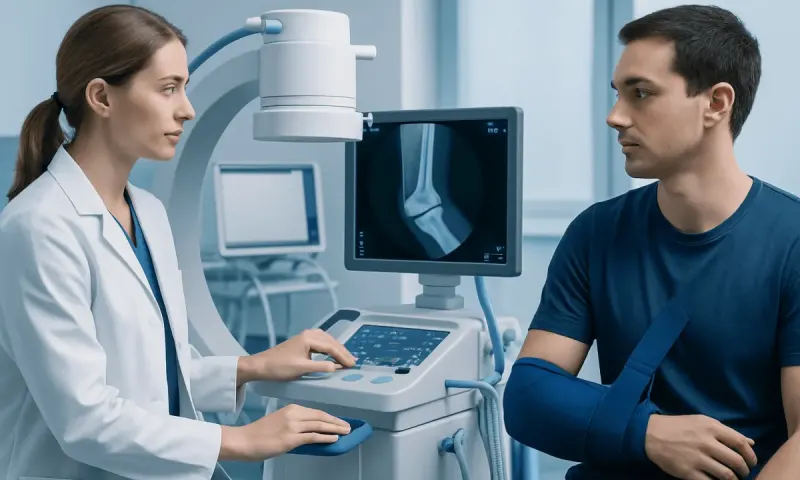
Imaging is not routinely needed for a straightforward mild strain. However, ultrasound or magnetic resonance imaging may be useful if a substantial tear is suspected, symptoms are severe or recovery is not progressing as expected. An X-ray does not show muscle fibers well, but it may be used when a fracture or an injury where tendon pulls on bone is a concern.
Treatment and Recovery: Supporting the Healing Process
For the first few days, relative rest is generally helpful. This means avoiding the activity that clearly worsens pain while maintaining gentle, comfortable movement where possible. Complete immobility for prolonged periods is usually not necessary for a minor strain and may contribute to stiffness. Ice wrapped in a cloth, light compression and elevation can be used for short-term comfort and to help manage swelling, particularly after a fresh injury.
It is sensible to avoid forceful massage, deep heat, aggressive stretching and strenuous exercise immediately after an injury, as these may increase pain or irritate damaged tissue. Over-the-counter pain relief may be suitable for some people, but the best choice depends on individual health conditions, other medicines and the type of injury. A pharmacist or doctor can provide personalized advice, especially for people with stomach, kidney, heart, bleeding or liver conditions.
As pain settles, gradual movement and strengthening are important for restoring confidence and reducing reinjury risk. A physiotherapist may recommend exercises tailored to the injured muscle and the person’s work, sport or daily needs. Return to higher-intensity activity should be progressive: the affected area should have near-normal movement and strength, and sport-specific movements should be possible without pain, limping or compensation.
Recovery time varies. Mild strains may feel substantially better within days to a few weeks, while more significant tears can require several weeks or longer. Improving function over time is generally reassuring; repeatedly testing the muscle at full intensity before it has recovered can delay healing.
When to Seek Medical Care
Most mild pulled muscles can be managed conservatively, but prompt medical assessment is advisable if pain is severe, there was a clear pop or snapping sensation, or the person cannot use the limb normally. Inability to bear weight, marked weakness, rapid or extensive swelling, significant bruising, a visible dent or bulge in the muscle, or a deformity around a joint can suggest a more serious injury.
Urgent care is also appropriate for numbness, tingling, a cold or pale limb, severe pain that is getting worse, fever with an unusually red or hot area, or symptoms after a major fall, collision or crush injury. Chest pain, shortness of breath, sudden one-sided leg swelling, or calf pain without a clear injury should not be assumed to be a pulled muscle and needs urgent medical evaluation.
A clinician should review symptoms that are not clearly improving after several days of appropriate self-care, continue to interfere with sleep or daily life, or recur in the same area. Acıbadem Health Point’s multidisciplinary specialists and JCI-accredited hospitals can assess muscle and tendon injuries and guide rehabilitation for international patients when specialist care is needed.
Reducing the Chance of Another Muscle Strain
Not every strain can be prevented, especially during unexpected movements, but preparation can reduce risk. A gradual warm-up before demanding exercise raises body temperature and rehearses the movements that will be used. Training loads are best increased step by step rather than through sudden changes in distance, speed, weight or frequency.
Regular strength training, mobility work and adequate recovery can help muscles tolerate activity. Exercises should include the muscles most relevant to a person’s sport, occupation or daily routines. Good technique matters when lifting, running, changing direction or working in awkward positions; a qualified trainer or physiotherapist can help correct movement patterns when needed.
Sleep, hydration and regular meals support overall exercise recovery, although they do not eliminate injury risk. After a previous strain, returning only when pain-free everyday movement and progressive strengthening are comfortable is important. If a person is unsure whether a symptom is ordinary soreness or a new injury, reducing intensity and seeking professional advice is a sensible approach.
Frequently asked questions
01Can a pulled muscle hurt the next day?
Yes. Some strains cause immediate pain, while swelling, stiffness and bruising may become more noticeable over the following 24 to 48 hours. Delayed-onset muscle soreness after unfamiliar exercise can also begin the next day, but it is usually more generalized and tends to improve steadily.
02How can someone tell the difference between a pulled muscle and a cramp?
A cramp is a sudden, involuntary muscle contraction that often feels like a hard knot and commonly settles within seconds to minutes. A pulled muscle usually leaves localized tenderness, pain with movement and stiffness that persist after the initial event. A cramp can occasionally occur alongside a strain, so ongoing pain or weakness should be assessed if it is significant.
03Should a pulled muscle be stretched?
Gentle movement within a comfortable range can be useful as early pain settles, but forceful stretching soon after an injury may aggravate symptoms. Stretching should not cause sharp pain. A clinician or physiotherapist can advise on the right timing and progression for a more substantial strain.
04Is heat or ice better for a pulled muscle?
Ice may provide short-term pain relief and can be useful for swelling soon after an injury. Heat may feel soothing later when stiffness is the main symptom, but it should be avoided if it increases swelling or throbbing. Neither treatment repairs the muscle directly; gradual recovery and appropriate activity modification remain important.
05Can someone exercise with a pulled muscle?
It is usually best to avoid activities that reproduce sharp pain, limping, weakness or loss of control. Gentle movement and exercises that do not aggravate the injured area may be appropriate, depending on the injury. Returning to strenuous training should be gradual and ideally based on comfortable movement and restored strength.
06When is a pulled muscle serious?
A pulled muscle may be more serious when there is a pop, major bruising or swelling, visible change in muscle shape, inability to use the body part or substantial weakness. Symptoms such as numbness, a cold or pale limb, severe worsening pain, or injury after significant trauma require prompt medical attention. A doctor can determine whether the injury involves a major muscle or tendon tear.
This article is for general information only and is not a substitute for professional medical advice. Please consult a qualified doctor about your individual situation.
Joint and spine care in Turkey — expert assessment & treatment
JCI-accredited · board-certified surgeons · reply within 24h
Add us as a Preferred Source to see more of our trusted health content across Google Search, AI Overviews and Discover.