Clavicle Break Recovery Time: When Healing Takes Hold
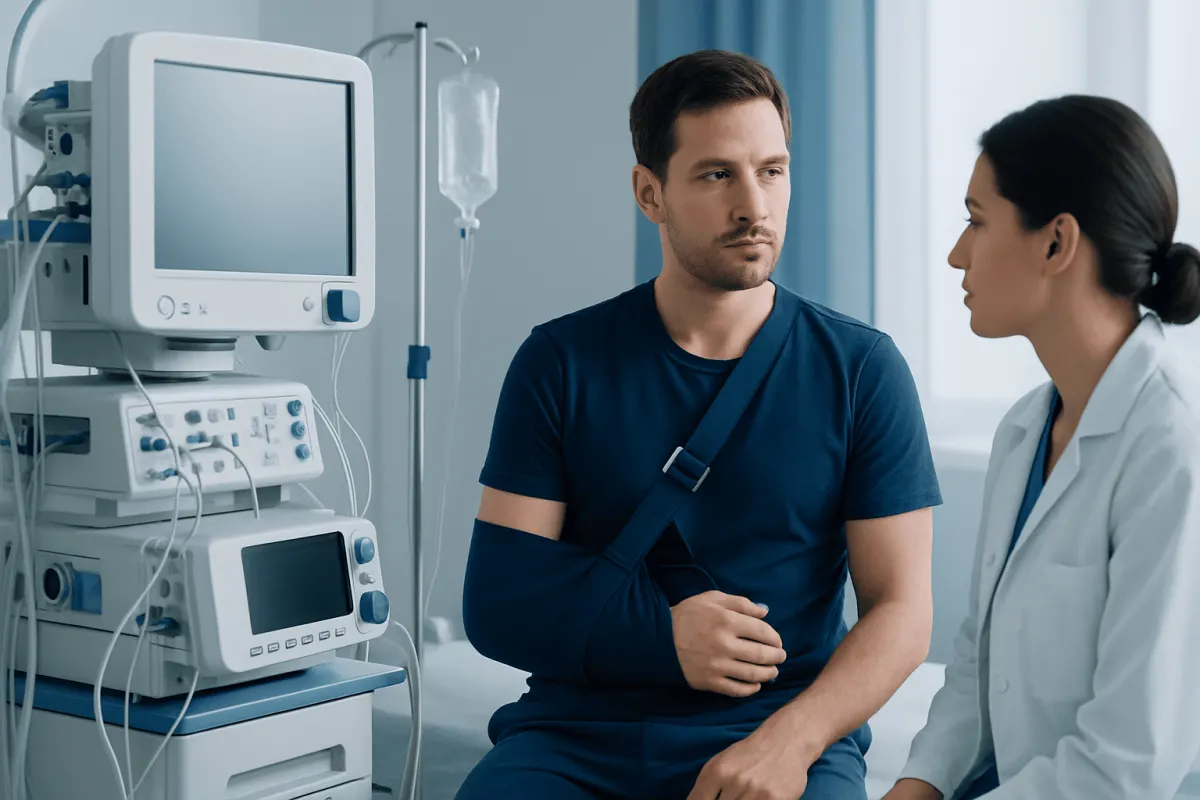
Clavicle break recovery time commonly ranges from 6 to 12 weeks, although return to contact sports, heavy lifting and full-strength activity may take longer. Recovery depends on where the bone broke, whether the pieces stayed aligned, the person’s overall health and whether non-surgical or surgical treatment is needed.
Clavicle Break Recovery Time: What to Expect
A clavicle, or collarbone, fracture usually takes about 6 to 12 weeks to unite in adults. Children often heal faster, while older adults, smokers and people with more complex fractures may need more time. Even after the bone has joined, shoulder strength, confidence and full movement may continue improving for several additional weeks or months.
The clavicle connects the breastbone to the shoulder blade and helps support normal shoulder movement. It can break after a fall onto the shoulder or outstretched hand, a sports injury or a road traffic accident. Many fractures occur in the middle third of the bone and can be treated without surgery when the pieces remain in an acceptable position.
Recovery is not identical for everyone. A clinician considers fracture location, displacement, shortening, skin condition, nerve and blood-vessel function, activity demands and overall health when recommending treatment. Follow-up care is important because it identifies delayed healing or changes in alignment early.
First Assessment and Treatment Choices
After an injury, a clinician examines the shoulder area and checks the arm, hand sensation, pulse and skin. X-rays usually confirm the diagnosis and show the fracture pattern. Further imaging may occasionally be needed when the injury is complex or involves the joint at either end of the collarbone.
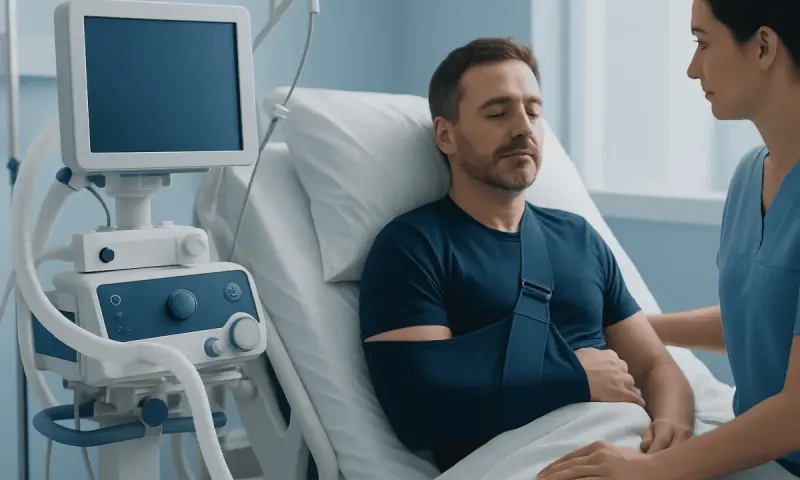
For many people, treatment is non-surgical. A sling supports the arm, reduces painful movement and allows the fracture to settle. Ice, simple pain-relief measures recommended by a clinician, and sleeping in a more upright position can improve comfort during the early phase. Figure-of-eight braces are used less commonly because they may be uncomfortable and do not suit every fracture.
Surgery may be considered if the fracture is open, the skin is threatened by a bone fragment, there is associated nerve or blood-vessel injury, or the bone ends are substantially displaced. It may also be discussed for selected active adults or for fractures that fail to heal. Orthopedic surgery commonly uses plates and screws to restore alignment and stabilize the bone while it heals.
The potential benefit of surgery is more stable alignment in appropriate cases and, for some patients, a more predictable functional recovery. Risks include infection, bleeding, anesthesia-related complications, numbness around the incision, implant irritation, stiffness, visible scarring and the possible need for a later implant-removal procedure. The decision should be individualized with an orthopedic specialist.
Week-by-Week Clavicle Fracture Recovery Timeline
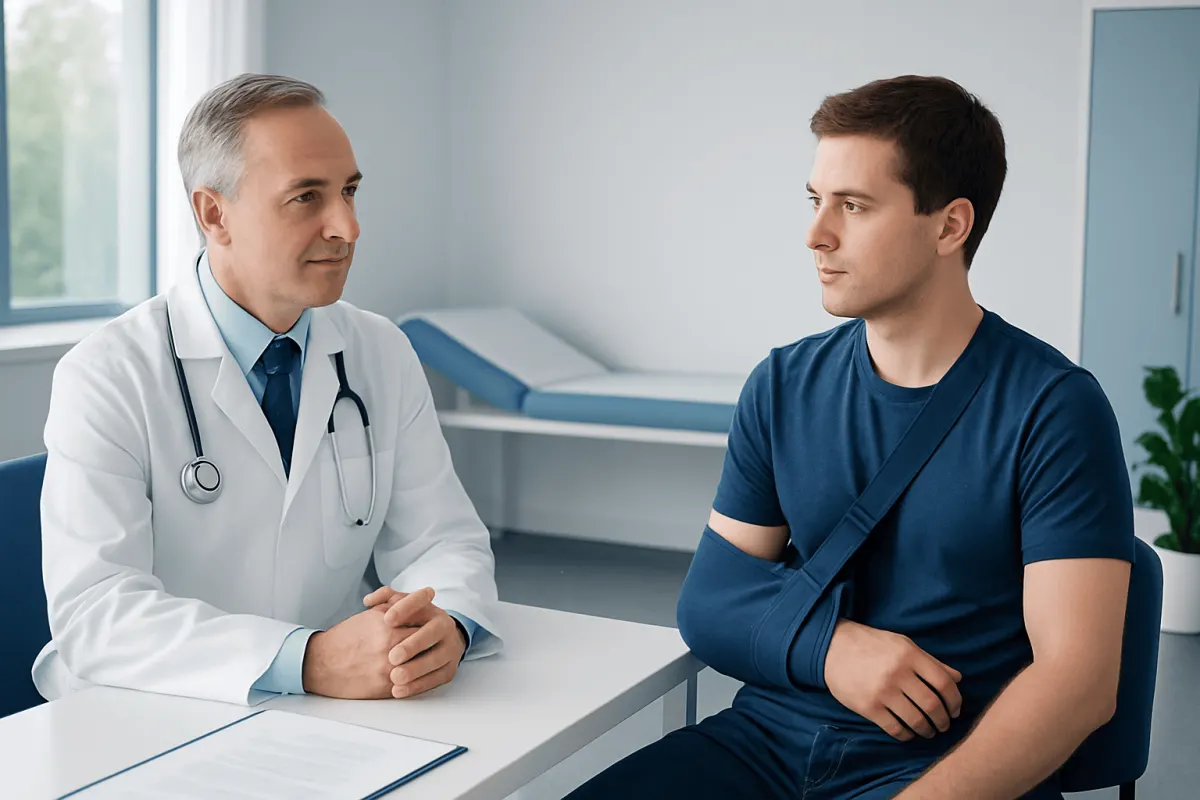
Week 0 to 1: Pain, swelling, bruising and tenderness are usually most noticeable soon after the injury. The shoulder may appear lower or more prominent around the fracture, and moving the arm can be difficult. The arm is generally supported in a sling, with gentle hand, wrist and elbow movement encouraged unless the treating clinician gives different instructions.
Weeks 2 to 3: Pain often begins to settle, though sudden movements, rolling in bed and coughing can still hurt. Some people notice a firm bump developing at the fracture site. This may be early healing tissue, called callus, and can remain visible even after recovery. A follow-up visit or X-ray may be arranged to check alignment.
Weeks 4 to 6: Many uncomplicated fractures are becoming more stable. Depending on examination findings and imaging, a clinician may allow gentle shoulder range-of-motion exercises or refer the person to physiotherapy. The sling may be used less often, but lifting, overhead strain and sports are usually still restricted.
Weeks 6 to 12: X-rays and clinical assessment help determine whether the bone has united enough for gradual strengthening. Light daily activities may become easier first, followed by structured strengthening. Heavy work, cycling or running with fall risk, and contact sports should wait for medical clearance. A fracture is not necessarily ready for impact simply because it feels less painful.
After 12 weeks: Many adults can return progressively to normal activity if they have good movement, strength and evidence of healing. More displaced fractures, surgically treated injuries and delayed unions can require a longer timeline. Residual tightness, mild weakness or a small contour change over the collarbone can persist, but these often improve with rehabilitation and time.
How Can I Speed Up Clavicle Fracture Healing?
Bone healing cannot be safely rushed, but people can support the normal process. Following sling and activity instructions, attending scheduled reviews and beginning prescribed exercises at the right stage all protect the fracture while preventing avoidable stiffness. Trying to test the shoulder too early can move the bone ends and delay recovery.
A balanced diet with adequate calories, protein, calcium and vitamin D supports general bone health. A clinician may advise testing or supplements when a deficiency is suspected, but supplements are not a substitute for appropriate fracture care. Staying hydrated, sleeping well and managing long-term conditions such as diabetes can also support recovery.
Nicotine can interfere with bone healing, so avoiding smoking, vaping and other nicotine products is especially important after a fracture or surgery. Alcohol should be limited, and medications should be reviewed with a clinician rather than stopped independently. Physiotherapy is most helpful when exercises are matched to the stage of healing and the individual’s symptoms.
How to Tell If Clavicle Is Healing
Improving pain, less tenderness at the break, easier daily movement and gradually better shoulder function can all suggest that a clavicle is healing. The initial swelling and bruising usually fade, and a firm bump may form as new bone develops. However, symptoms alone cannot confirm that the bone has fully united.
A clinician assesses healing by examining the fracture and, when appropriate, comparing follow-up X-rays. They look for stable alignment and new bone bridging the fracture. The timing and number of X-rays vary according to the fracture pattern, age, treatment approach and symptoms.
It is important not to press repeatedly on the fracture site or deliberately move the shoulder to “test” it. Increasing pain, a clicking or shifting feeling, persistent marked tenderness, or worsening shoulder function should be discussed with the treating team. These signs do not always mean a complication, but they merit assessment.
Is It Normal to Still Experience Pain After 4 Weeks of a Broken Collarbone?
Yes. Some pain, soreness or pulling discomfort after 4 weeks can be normal, particularly with certain movements, sleeping positions or when the arm has been used more than usual. Although pain often improves substantially during the first month, the fracture may not yet be fully stable or healed.
The trend matters. Pain that is gradually improving is generally more reassuring than pain that is worsening or returning after it had settled. A clinician should review severe pain, new swelling, fever, redness or drainage near an incision, new numbness or weakness, or pain associated with a visible change in shoulder shape.
People should use pain-relief medicines only as advised by their own clinician, especially if they have kidney disease, stomach ulcers, take blood-thinning medication or have other health conditions. Persistent pain can also arise from shoulder stiffness, muscle guarding or associated soft-tissue injury, which may need targeted rehabilitation.
What Not to Do After Clavicle Fracture
During early recovery, people should not lift, push, pull or carry weight with the injured arm unless specifically cleared to do so. They should avoid reaching overhead, forceful shoulder stretching, driving while unable to control the vehicle safely, and activities with a meaningful risk of falling or collision. Contact sports should wait until a clinician confirms healing and safe return to play.
The sling should be used as directed, but complete immobility of the hand, wrist and elbow is usually unnecessary and may lead to stiffness. People should not alter a sling or brace to force the shoulders backward, massage deeply over the fracture, or attempt to straighten a visible bump. The bone needs time and stable conditions to heal.
Returning to work depends on the job. Desk-based work may be possible earlier with adjustments, while manual work, lifting and overhead tasks often require a longer restriction period. An orthopedic clinician or physiotherapist can provide activity guidance that reflects the person’s fracture, imaging and job demands.
When to Seek Medical Care
Urgent medical care is needed after a suspected collarbone injury if there is trouble breathing, chest pain, pale or cold fingers, a weak pulse, new numbness or weakness, an open wound, or bone pressing tightly against or through the skin. These symptoms can indicate associated injuries that need prompt assessment.
During recovery, patients should contact their clinician if pain is worsening rather than improving, the shoulder shape changes suddenly, the sling no longer provides support, or there are signs of infection after surgery such as increasing redness, warmth, drainage or fever. They should also seek advice if they cannot begin the planned gradual return of movement because of persistent pain or stiffness.
Acıbadem Health Point’s multidisciplinary orthopedic specialists at JCI-accredited hospitals evaluate and treat clavicle fractures for international patients, including decisions about non-surgical care, rehabilitation and surgery when needed.
Frequently asked questions
01How long should a sling be worn after a broken collarbone?
Sling use varies with the fracture pattern, pain level and treating clinician’s plan. Many adults use it mainly for comfort for several weeks, then reduce use as pain improves and guided shoulder movement begins. It should not be stopped or continued longer without discussing the plan at follow-up.
02Can a broken clavicle heal without surgery?
Yes. Many clavicle fractures heal well without surgery using sling support, pain management, follow-up and gradually progressive movement. Surgery is more likely to be considered when there is substantial displacement, skin compromise, an open fracture, nerve or blood-vessel injury, or failure of the bone to heal.
03When can someone sleep normally after a clavicle fracture?
Many people find sleeping more comfortable on their back or partly upright during the first few weeks. Lying on the injured side is usually uncomfortable until tenderness has reduced and the fracture is more stable. The safest position and timing depend on symptoms and the clinician’s advice.
04When can a person drive after a clavicle fracture?
A person should not drive while wearing a sling if it limits safe control of the steering wheel or prevents an emergency maneuver. Driving may be considered only when pain is controlled, the person can move the arm safely, and they are no longer taking medicines that impair alertness. Local legal and insurance requirements may also apply.
05Can the bump on a healed collarbone go away?
A bump is common because new bone forms around the break as part of healing. It often becomes smaller over months, although some prominence can remain permanently. If the bump becomes increasingly painful, changes rapidly or is associated with skin pressure, a clinician should assess it.
06When can contact sports resume after a clavicle fracture?
Contact sports should resume only after a clinician confirms adequate healing, shoulder movement and strength. This is often later than the point at which everyday tasks become comfortable, because a new fall or collision can re-injure the bone. The exact timeframe depends on imaging, symptoms, sport and treatment type.
This article is for general information only and is not a substitute for professional medical advice. Please consult a qualified doctor about your individual situation.
Joint and spine care in Turkey — expert assessment & treatment
JCI-accredited · board-certified surgeons · reply within 24h
Add us as a Preferred Source to see more of our trusted health content across Google Search, AI Overviews and Discover.