Broken Elbow Recovery Time: When Movement Returns
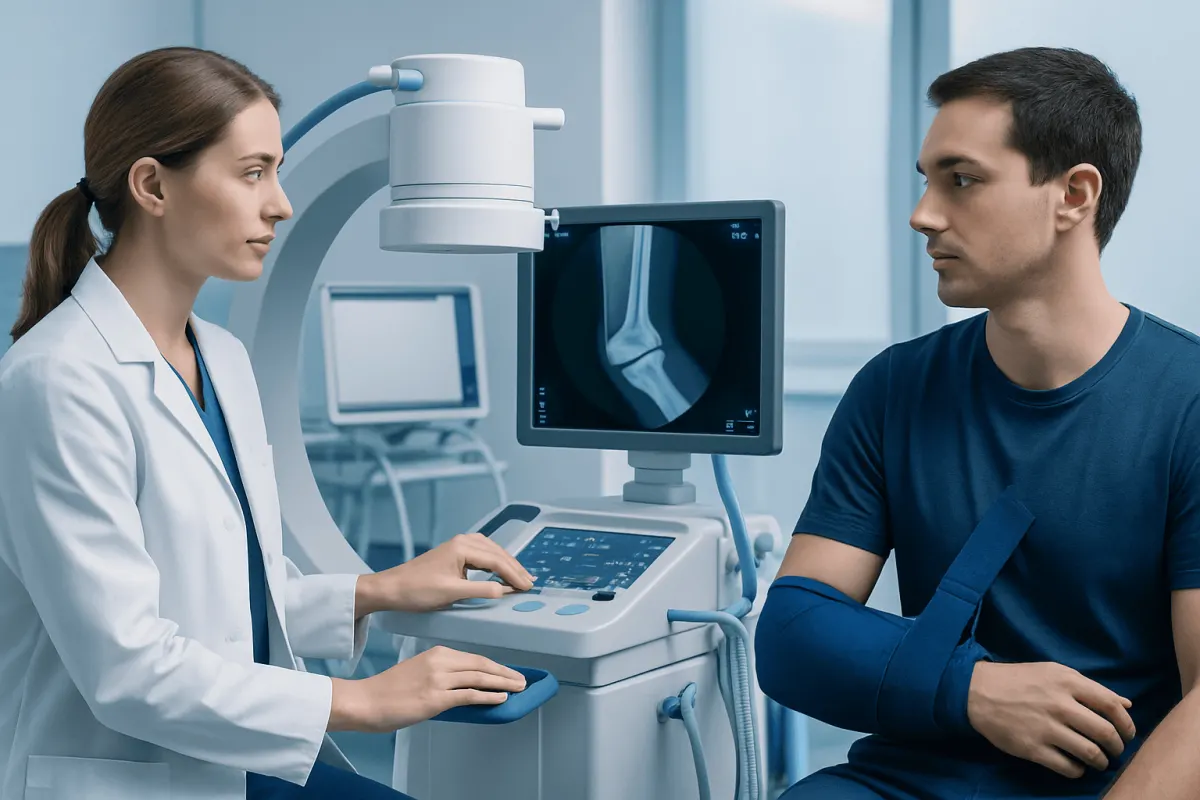
Broken elbow recovery time commonly involves 6 to 12 weeks for the bone to heal, although stiffness, strength and confidence using the arm can continue improving for several months. Recovery depends on the fracture location, whether the bones stayed aligned, the treatment used and the person’s overall health.
Broken elbow recovery time: the short answer
Broken elbow recovery time is usually around 6 to 12 weeks for the bone to heal. However, the return of comfortable movement, arm strength and normal daily function may take several additional weeks or months, especially after a complex fracture or surgery.
The elbow is a tightly connected joint made by the upper arm bone, radius and ulna. A fracture may involve the tip of the elbow (olecranon), the radial head near the outer elbow, or the lower end of the upper arm bone. Because the joint is prone to stiffness, recovery is not measured only by an X-ray: pain control, motion, strength and the ability to use the hand and arm all matter.
A clinician uses examinations and repeat imaging to decide when protection can be reduced and activity can progress. The timeline below is a general guide rather than a substitute for an individual care plan.
What affects elbow fracture healing?
Recovery differs considerably between people. A simple, stable fracture that remains in good alignment may be treated without an operation, whereas a displaced fracture, joint instability, open injury or fracture involving several pieces may require surgical fixation. Children also tend to heal differently from adults and need age-specific assessment.
Healing can be influenced by fracture severity, blood supply, other injuries, smoking or nicotine exposure, diabetes, nutrition, infection and whether the arm is protected as advised. Taking anti-inflammatory or other medicines should be discussed with the treating clinician, particularly after surgery or in people with other health conditions.
Elbow fractures are often assessed and managed within orthopedic care, where specialists can coordinate imaging, fracture treatment and rehabilitation. Prompt follow-up is important because changes in alignment or joint movement may alter the treatment plan.
- Stable fractures may need a sling, splint or cast followed by gradual movement.
- Unstable or displaced fractures may need reduction, plates, screws, pins or occasionally joint replacement in selected cases.
- Associated nerve, blood vessel, ligament or skin injuries can make recovery more complex.
How treatment works: from assessment to rehabilitation
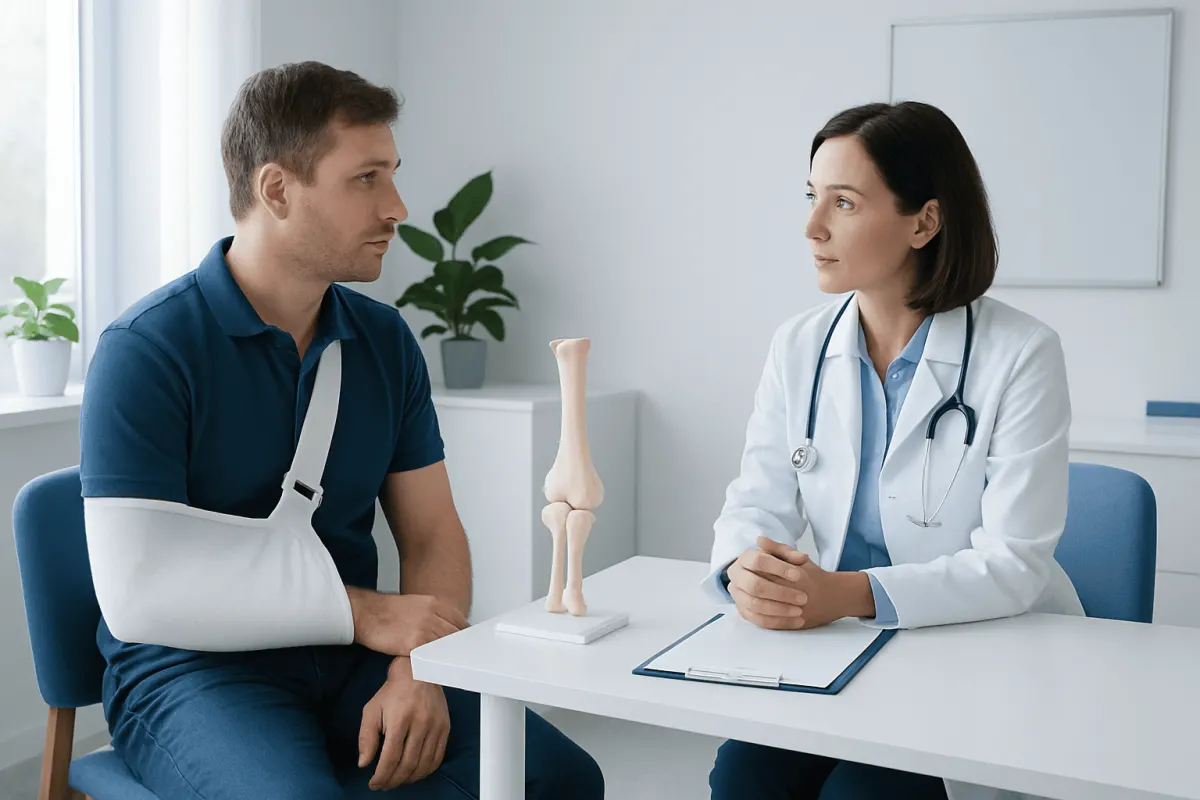
After an elbow injury, clinicians first check the skin, circulation, sensation and ability to move the fingers and wrist. X-rays usually confirm the fracture; CT scanning may be used when the fracture pattern is complex or when detailed planning is needed. The immediate priorities are pain relief, protecting the injury and ensuring the joint is safely aligned.
For a non-operative approach, the arm is placed in a splint, cast or sling for the period advised by the orthopedic clinician. Follow-up X-rays may check that the fracture remains aligned. Movement exercises are introduced when it is safe to do so, often under the guidance of a physiotherapist, because prolonged immobilization can lead to significant elbow stiffness.
When surgery is recommended, it is generally because the fracture is displaced, the joint surface is not aligned, the elbow is unstable, or movement would otherwise be unlikely to return satisfactorily. During surgery, the orthopedic surgeon repositions bone fragments and stabilizes them with appropriate implants. The arm is then protected while wound care, pain management and carefully timed rehabilitation begin.
Potential benefits of surgery include restoring alignment and supporting earlier controlled motion. Risks include infection, bleeding, nerve or vessel injury, stiffness, persistent pain, delayed union, nonunion, hardware irritation and the possible need for a further procedure. The treating surgeon discusses the likely benefits and risks in relation to the individual fracture.
Broken elbow recovery timeline: week by week
Days 1 to 7: Pain, bruising, swelling and reduced motion are common. The arm is usually supported in a splint, cast or sling. Elevation, prescribed pain relief, finger movement and protecting the injured arm can help. Fingers should remain warm and normally coloured, with preserved sensation unless a clinician has explained otherwise.
Weeks 2 to 3: Follow-up commonly includes a wound check after surgery and/or repeat X-rays. Depending on the fracture and treatment, a clinician may begin gentle, supervised elbow, forearm, wrist and hand movement. It is normal for the elbow to feel stiff, but exercises should not be forced beyond the instructions provided.
Weeks 4 to 6: Many people are gradually increasing range-of-motion exercises and using the hand for light activities. The fracture is still healing, so lifting, pushing, pulling and impact activities are often restricted. Some people may remain in protection longer, particularly after unstable or surgically repaired fractures.
Weeks 6 to 12: X-rays may show progressive healing. If the clinician confirms adequate union, rehabilitation can advance toward strengthening and more functional activities. Returning to driving, manual work or sports depends on arm control, pain, healing and the demands of the activity.
After 3 months: Continued improvements in strength and motion are common. Stiffness can take months to settle and some loss of final elbow extension or bending may persist after more severe injuries. High-impact sports and heavy lifting should resume only after clinical clearance.
How to speed up broken elbow recovery?
There is no safe shortcut that makes a fracture heal faster than the body’s normal biological process. The most effective approach is to follow the orthopedic plan closely: keep the arm protected when instructed, attend imaging and rehabilitation appointments, and increase activity only when the fracture is ready.
Eating a balanced diet with adequate protein and nutrients, maintaining hydration, sleeping well and avoiding tobacco or nicotine can support general bone health. People with diabetes should work with their healthcare team to keep blood glucose managed, as this may support wound and bone healing. Supplements should not replace food or be started in high doses without medical advice.
Physiotherapy exercises should be done exactly as prescribed. Gentle regular movement, when approved, can help limit stiffness; aggressive stretching, heavy lifting or attempting to “test” the elbow can disrupt healing. If an exercise causes sharp pain, new swelling or a clear loss of function, the person should stop and contact their care team.
Can you still bend your arm with a fractured elbow?
Some people can still bend or partly straighten the arm with a fractured elbow, particularly if the fracture is small or stable. Others cannot move it much because pain, swelling, muscle spasm or displaced bone fragments limit movement. The ability to bend the arm does not rule out a fracture.
After an injury, it is safest not to repeatedly test the elbow or force it straight. A suspected fracture needs medical assessment and X-rays, especially when there is marked pain, swelling, deformity, bruising, numbness, weakness or difficulty using the hand.
Once treatment has begun, temporary stiffness is expected. The treating clinician will explain when bending and straightening exercises can safely start, as timing differs between fracture types and after surgical repair.
What not to do after broken elbow surgery?
After broken elbow surgery, patients should not remove a splint, dressing or brace unless instructed, and should keep the incision clean and dry according to postoperative directions. They should avoid lifting, pushing, pulling, leaning through the arm or carrying weight until the surgeon confirms that the repair can tolerate these forces.
It is also important not to miss follow-up appointments or stop prescribed rehabilitation too early. Smoking and nicotine products should be avoided because they can interfere with bone and wound healing. Driving should wait until the person can safely control the vehicle and is no longer affected by pain, limited movement or sedating medication.
Contact the surgical team promptly for increasing redness, drainage, fever, worsening pain, a tight cast or splint, numbness, blue or pale fingers, or new weakness. These symptoms do not always mean there is a serious problem, but they need timely assessment.
Can a broken elbow heal in 2 weeks?
A broken elbow does not usually heal completely in 2 weeks. Early pain and swelling may improve during that time, but bone healing generally takes at least several more weeks. Even when symptoms feel better, the fracture may not be strong enough for unrestricted use.
In children, certain fractures can heal faster than in adults, but they still require medical follow-up and activity restrictions. In adults, returning to heavy work, contact sport or falls-risk activities after only 2 weeks could increase the chance of displacement or reinjury.
Only the treating clinician can confirm healing using examination findings and, when needed, X-rays. The safest plan is to base activity progression on that assessment rather than on pain alone.
When to seek medical care
Urgent medical assessment is appropriate after an elbow injury with severe pain, visible deformity, rapid swelling, an open wound, inability to use the arm, numbness or tingling, weakness, or fingers that become cold, pale or blue. These signs may indicate a fracture or another injury requiring prompt treatment.
During recovery, medical advice should be sought for worsening rather than improving pain, fever, increasing redness or drainage from a surgical wound, persistent numbness, a cast or splint that feels excessively tight, or a sudden loss of movement. A person should also contact their clinician if they fall on the injured arm or accidentally lift something heavy.
Acıbadem Health Point’s multidisciplinary specialists and JCI-accredited hospitals provide orthopedic assessment, treatment and rehabilitation planning for international patients with elbow injuries.
Frequently asked questions
01How long does it take to recover from a broken elbow?
Bone healing commonly takes about 6 to 12 weeks. Regaining comfortable motion, strength and full confidence in the arm may take several months, particularly after surgery or a complex fracture.
02When can someone return to work after an elbow fracture?
Return-to-work timing depends on the fracture, treatment and job demands. Desk-based work may be possible earlier with appropriate restrictions, while work involving lifting, climbing, machinery or manual labor usually requires medical clearance.
03Is elbow stiffness normal after a fracture?
Yes, stiffness is very common after an elbow fracture because the joint is sensitive to immobilization and swelling. Clinician-guided exercises and physiotherapy can help improve movement, but recovery should not be forced.
04Do all broken elbows need surgery?
No. Stable fractures that remain well aligned can often be treated with immobilization and monitored rehabilitation. Surgery may be advised when the fracture is displaced, unstable, involves the joint surface or is associated with other injuries.
05Can an elbow fracture heal without a cast?
Some fractures are treated with a removable splint or sling rather than a full cast, depending on their location and stability. The decision should be made by an orthopedic clinician after imaging and examination.
06When can someone exercise after a broken elbow?
Hand, wrist or gentle elbow exercises may begin early if the clinician advises them, but weight-bearing, strengthening and sport usually wait until healing is confirmed. The appropriate timing varies widely and should follow the individual rehabilitation plan.
This article is for general information only and is not a substitute for professional medical advice. Please consult a qualified doctor about your individual situation.
Joint and spine care in Turkey — expert assessment & treatment
JCI-accredited · board-certified surgeons · reply within 24h
Add us as a Preferred Source to see more of our trusted health content across Google Search, AI Overviews and Discover.